Adding the right high fiber fruits to your daily meals can transform your digestive comfort, stabilize your blood sugar, and protect your heart health. Choosing whole fruits is one of the easiest ways to meet your nutritional goals after age sixty.
Most older adults fall short of essential daily fiber targets, often averaging only half of what medical experts recommend. You can bridge this gap easily without relying on artificial supplements or complicated meal plans.
Exploring nature’s most nutrient-dense produce allows you to enjoy vibrant flavors while supporting your longevity and energy. Here is your definitive guide to the eleven fruits with the highest fiber content.
Understanding Dietary Fiber and Why It Matters
Dietary fiber is the indigestible portion of plant foods that travels through your digestive system intact. Unlike fats, proteins, or starches, your body does not break fiber down into absorbable energy molecules.
Instead, fiber performs vital mechanical and biological tasks that regulate bowel habits, feed beneficial gut microbes, and cleanse the intestines. It arrives in two primary forms: soluble fiber and insoluble fiber.
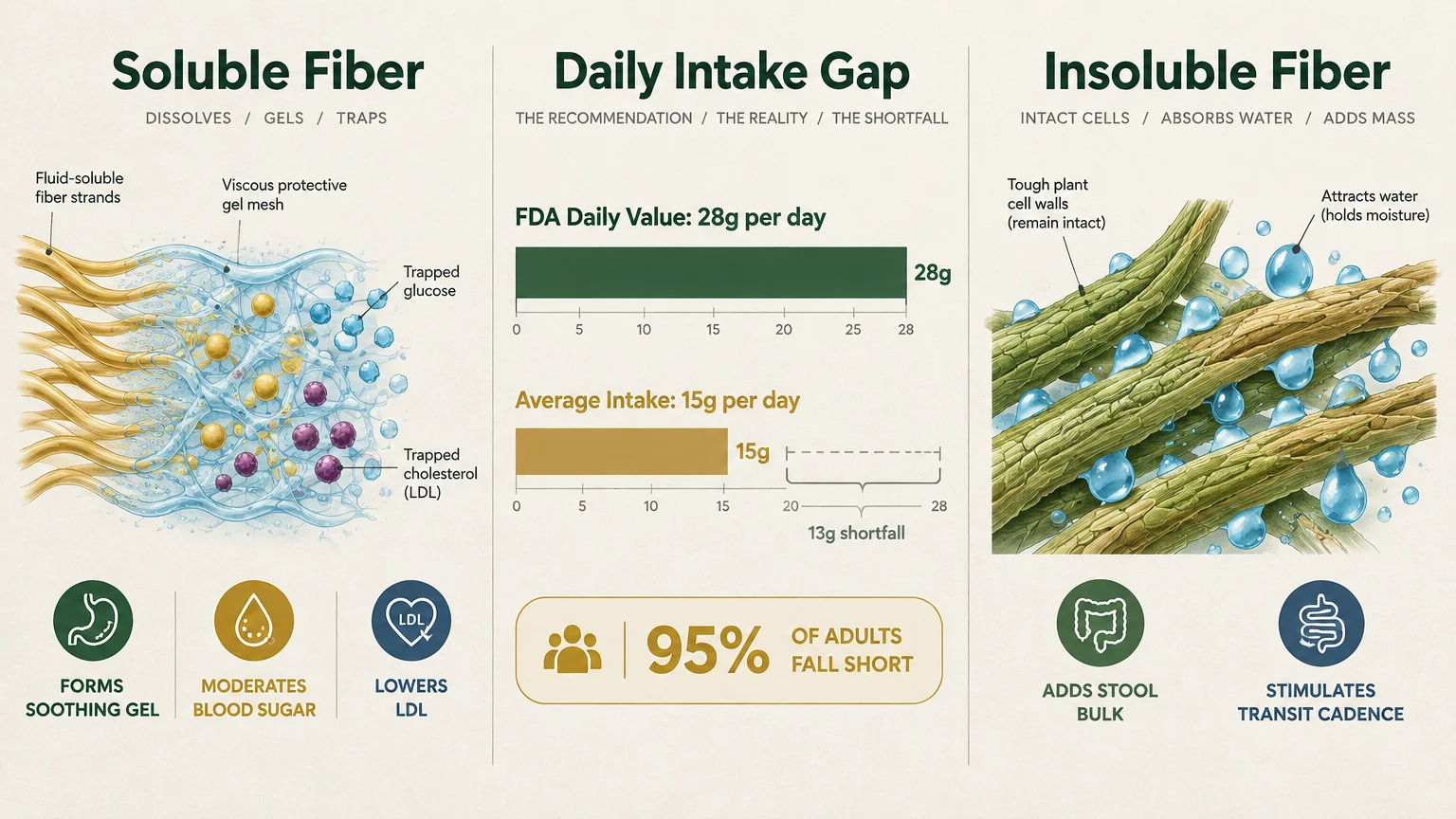
Soluble fiber dissolves in water to form a gentle gel within your digestive tract. This soothing gel slows nutrient absorption, which moderates blood sugar spikes and helps lower circulating blood cholesterol levels.
Insoluble fiber does not dissolve in water; it attracts fluids and adds essential bulk to your stool. This bulk stimulates normal muscular contractions in your bowel, promoting regular movements and preventing uncomfortable constipation.
According to the U.S. Food and Drug Administration, the official Daily Value for dietary fiber is twenty-eight grams per day. Yet an estimated ninety-five percent of American adults fail to achieve this basic benchmark.
The average adult consumes roughly fifteen grams daily, leaving a substantial nutritional shortfall. Incorporating fruits rich in both soluble and insoluble strands offers an effortless way to eliminate that deficit.

Key Digestive Considerations for Adults Over Sixty
Aging introduces distinct physiological shifts that make adequate dietary fiber particularly valuable for adults over sixty. Gastrointestinal transit naturally slows as muscles lining your intestinal tract lose tone and vigor over time.
This sluggish transit often leads to chronic constipation, hemorrhoids, and diverticular flare-ups. Eating fiber rich foods restores healthy gastrointestinal cadence without creating chemical dependence on pharmaceutical laxatives.
Many older adults also take daily prescription medications that can impair bowel regularity. Diuretics, calcium channel blockers, and certain pain relievers frequently slow intestinal motility and harden stools.
Dietary fiber cushions these side effects by retaining moisture within the colon. However, you must pair fiber intake with sufficient fluid consumption to prevent intestinal blockages.
Changes in dental health or chewing strength can make raw, fibrous produce challenging to eat. Fortunately, selecting tender fruits or puréeing high-fiber options preserves essential nutrients while keeping meals comfortable.
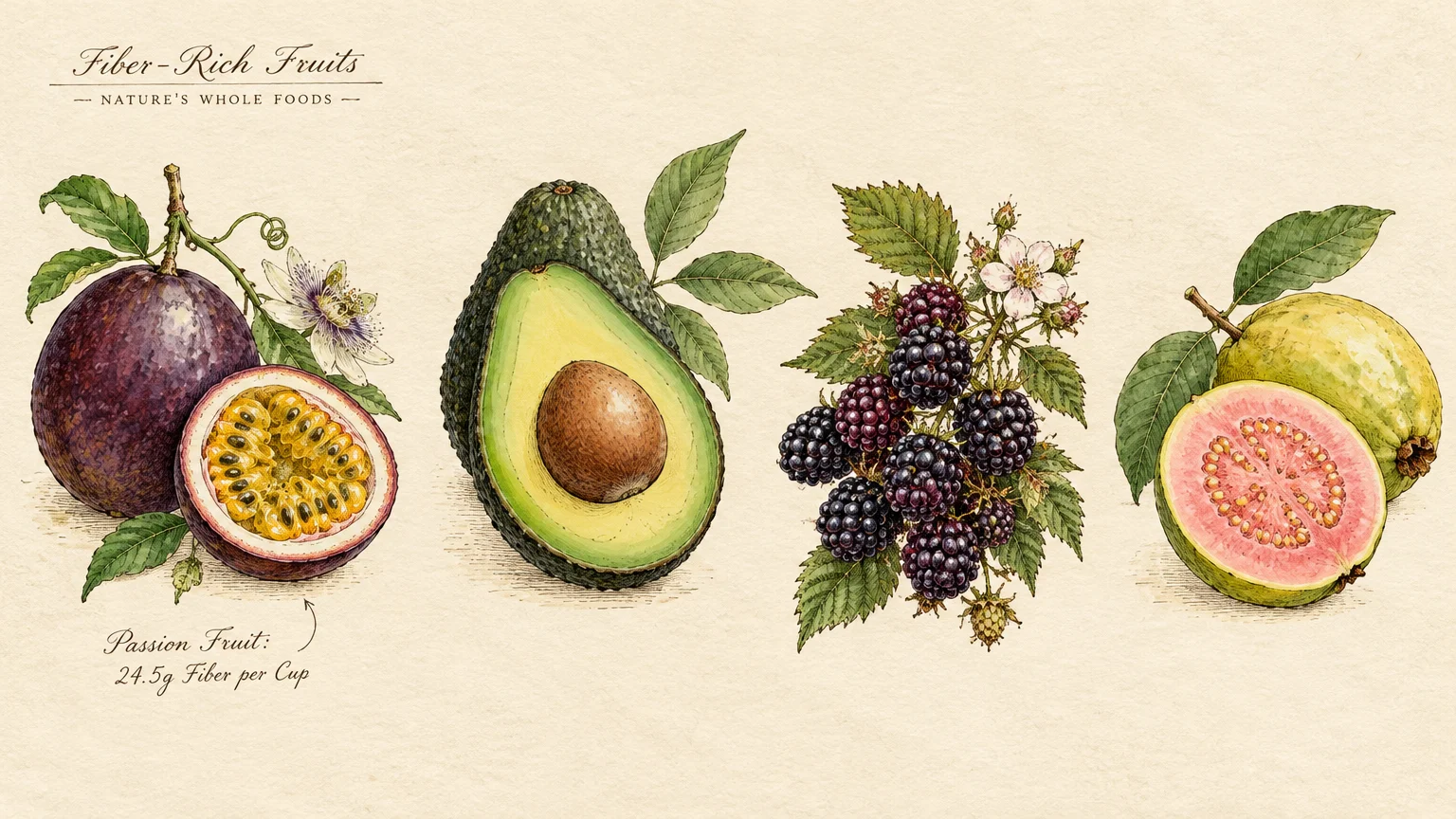
The 11 Fruits Highest in Fiber
1. Passion Fruit
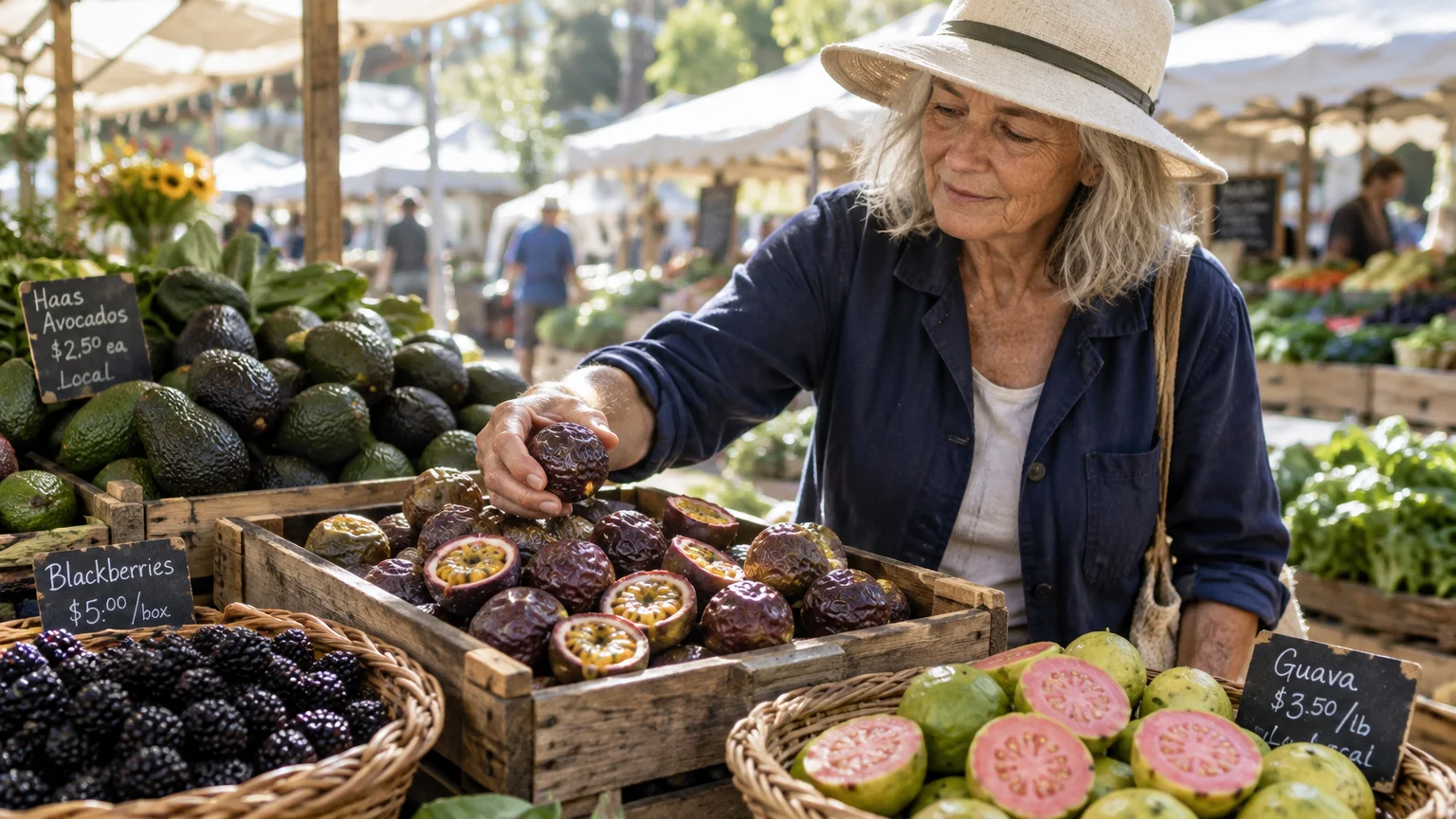
Passion fruit ranks as the single most fiber-dense fresh fruit available today. One cup delivers an extraordinary 24.5 grams of dietary fiber, fulfilling eighty-eight percent of your Daily Value.
The crunchy, edible seeds provide insoluble bulk that stimulates healthy bowel regularity, while the sweet-tart pulp delivers soothing pectin. Spoon fresh passion fruit directly into morning oatmeal or plain Greek yogurt.
2. Avocado
Although botanically a single-seeded berry, avocado provides a uniquely savory way to boost your daily fiber intake. A single whole medium avocado delivers between 10.0 and 13.5 grams of dietary fiber.
This creamy superfood provides nearly half of your Daily Value alongside heart-healthy monounsaturated fats that aid nutrient absorption. Spread ripe avocado onto whole-grain toast or dice it into light summer salads.
3. Guava
Tropical guava delivers exceptional digestive support, providing 8.9 grams of dietary fiber in every cup. That single serving meets thirty-two percent of your recommended Daily Value under FDA guidelines.
Guava contains both soluble pectin and insoluble roughage, as well as more immune-supporting vitamin C than oranges. Slice guava fresh with its edible skin intact, or blend it into silky morning smoothies.
4. Raspberries
Raspberries are among the most accessible and fiber-packed berries you can buy. One cup of fresh raspberries provides 8.0 grams of dietary fiber, supplying twenty-nine percent of your Daily Value.
Their tiny, seed-filled drupelets provide insoluble bulk that promotes efficient digestion, while anti-inflammatory anthocyanins protect aging brain cells. Scatter fresh raspberries over breakfast porridge or blend them into protein shakes.
5. Blackberries
Blackberries offer 7.6 grams of dietary fiber per cup, covering twenty-seven percent of your daily requirement. Their intricate cellular matrix supplies an optimal balance of soluble and insoluble plant materials.
These dark berries also supply rich amounts of vitamin K, which supports bone density and proper blood clotting in older adults. Enjoy them fresh by the handful or gently warm them into a rustic compote.
6. Pomegranate Arils
Pomegranate arils provide 7.0 grams of dietary fiber per cup, satisfying twenty-five percent of your Daily Value. These jewel-like seeds offer substantial roughage that promotes smooth transit through the intestinal tract.
The tart juice inside each seed supplies potent polyphenols that protect your heart and blood vessels from oxidative stress. Toss pomegranate arils into green salads, roasted vegetables, or whole-grain bowls.
7. Persimmon
Sweet persimmons deliver 6.0 grams of dietary fiber per medium fruit, meeting twenty-one percent of your daily benchmark. They are especially rich in soluble fiber, which forms a gentle gel that moderates blood sugar spikes.
Persimmons also contain generous amounts of lutein and zeaxanthin to protect aging eyesight. Slice crisp Fuyu persimmons like apples, or spoon soft Hachiya pulp directly into warm cereal.
8. Pears (With Skin)
A medium fresh pear provides 5.5 grams of dietary fiber, supplying twenty percent of your daily need. You must eat the thin, delicate skin to capture the vast majority of its insoluble roughage.
Beneath the skin, pear flesh delivers soluble pectin that nourishes beneficial gut bacteria and helps lower cholesterol levels. Enjoy sliced pears with sharp cheeses, or poach them gently with cinnamon for dessert.
9. Kiwifruit
Sliced kiwifruit delivers 5.4 grams of dietary fiber per cup, which fulfills nineteen percent of your Daily Value. Eating two medium kiwis provides similar fiber alongside actinidin, an enzyme that speeds protein digestion.
Clinical research demonstrates that kiwifruit naturally softens stools and improves bowel frequency in older adults. Slice kiwis in half to scoop out the emerald flesh, or scrub the skin to eat them whole.
10. Apples (With Skin)
A medium apple with its skin intact delivers between 4.4 and 4.8 grams of dietary fiber, covering roughly seventeen percent of your Daily Value.
The peel provides insoluble cellulose for bowel regularity, while the inner flesh provides cholesterol-lowering pectin. Pair apple slices with natural almond butter, or bake them with cinnamon for a soft, comforting treat.
11. Dried and Fresh Figs
Dried figs supply an impressive 14.6 grams of fiber per cup, with each single dried fig contributing 1.4 grams. Fresh raw figs provide approximately 1.5 grams of fiber per fruit.
Figs combine bulk-forming seeds with soothing mucilage, alongside essential bone-building minerals like calcium and potassium. Chop dried figs into morning oatmeal, but keep portion sizes moderate to balance natural fruit sugars.
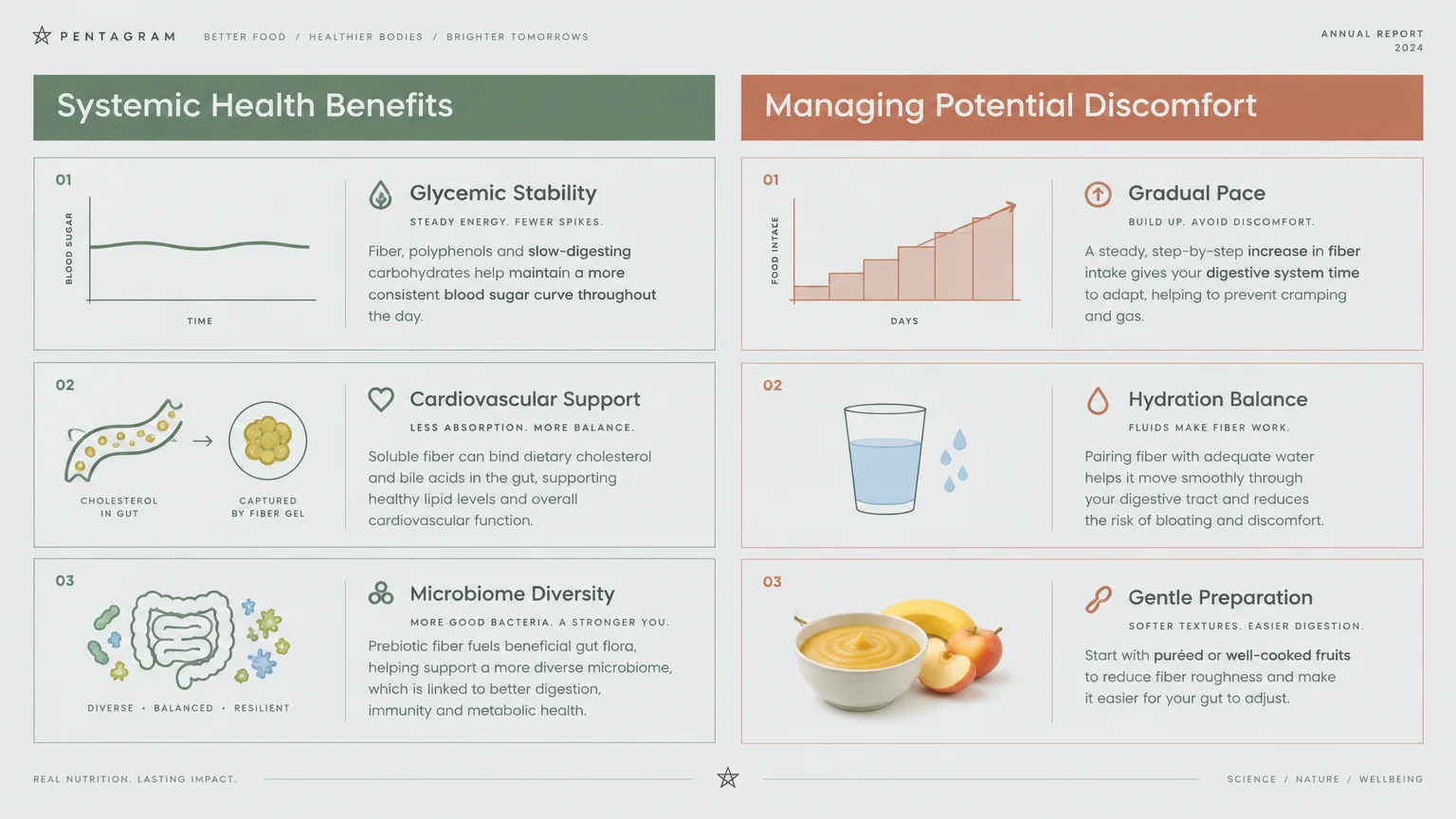
Proven Health Benefits and Potential Risks
Eating fiber rich foods delivers wide-ranging benefits that extend far beyond simple digestive regularity. Soluble fiber binds to bile acids in your gut, forcing your liver to pull cholesterol from your bloodstream to produce more bile.
This biological mechanism reduces circulating low-density lipoprotein cholesterol, directly lowering your risk of heart attacks and strokes. High-fiber diets also improve arterial elasticity and support healthy resting blood pressure levels in older adults.
Fiber also plays an indispensable role in maintaining steady blood glucose levels throughout the day. By slowing carbohydrate digestion, high-fiber fruits prevent the sharp insulin spikes that often accelerate type 2 diabetes progression.
Furthermore, fiber acts as a prebiotic fuel source, feeding beneficial bacterial species like Bifidobacteria and Lactobacilli in your colon. A robust gut microbiome supports optimal immune defenses, reduces chronic inflammation, and protects cognitive resilience.
Despite these profound advantages, increasing your fiber intake requires a measured, thoughtful approach. Introducing large quantities of fiber too quickly can cause abdominal bloating, painful intestinal gas, and uncomfortable cramping.
You must also increase your daily water consumption as you eat more high-fiber foods. Without adequate fluids, insoluble fiber can consolidate into hard, dry masses that worsen constipation rather than relieving it.
Seniors taking oral medications should exercise caution when consuming concentrated fiber meals near pill times. High fiber loads can occasionally delay or reduce the absorption of certain heart, thyroid, and mood prescriptions.
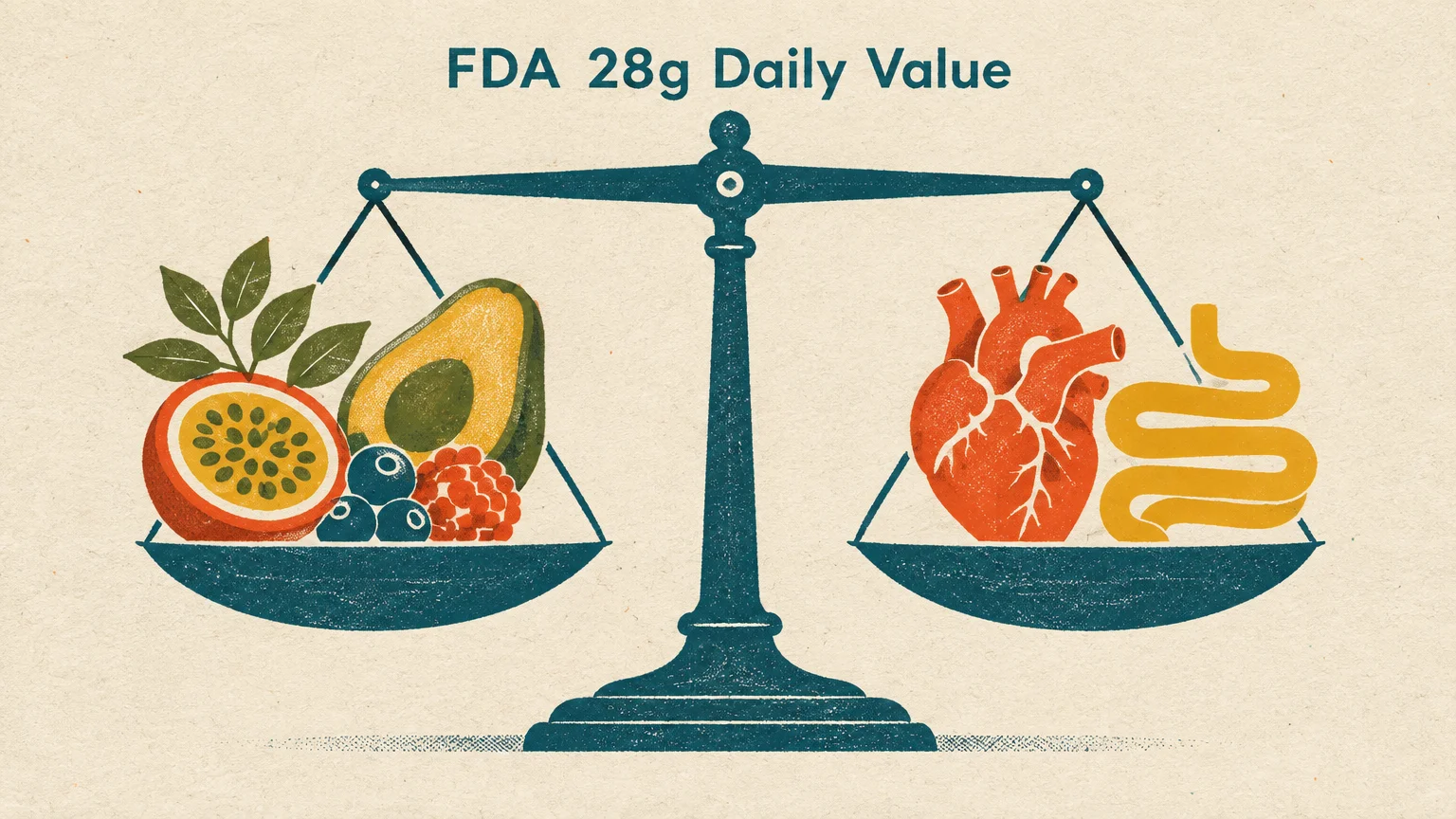
What Health Authorities and Research Say
Leading medical authorities agree that closing the national fiber deficit is essential for healthy aging. The Centers for Disease Control and Prevention emphasizes that adequate dietary fiber lowers the risk of developing chronic lifestyle diseases.
Specifically, clinical evidence demonstrates that individuals consuming sufficient fiber experience lower rates of cardiovascular disease, stroke, and colorectal cancer. The National Institutes of Health supports these conclusions through extensive long-term epidemiological studies.
Guidelines from the Mayo Clinic recommend aiming for at least twenty-one grams daily for women over fifty, and thirty grams for men. They stress that whole culinary fruits supply synergistic vitamins, minerals, and polyphenols that isolated fiber pills cannot match.
The Food and Drug Administration maintains strict benchmarks to guide health-conscious consumers. Under federal labeling rules, a food providing between 2.8 and 5.5 grams per serving qualifies as a good source of fiber.
To earn the label of an excellent source, a food must supply at least 5.6 grams per serving. Most fruits featured on this list comfortably exceed that high regulatory threshold.
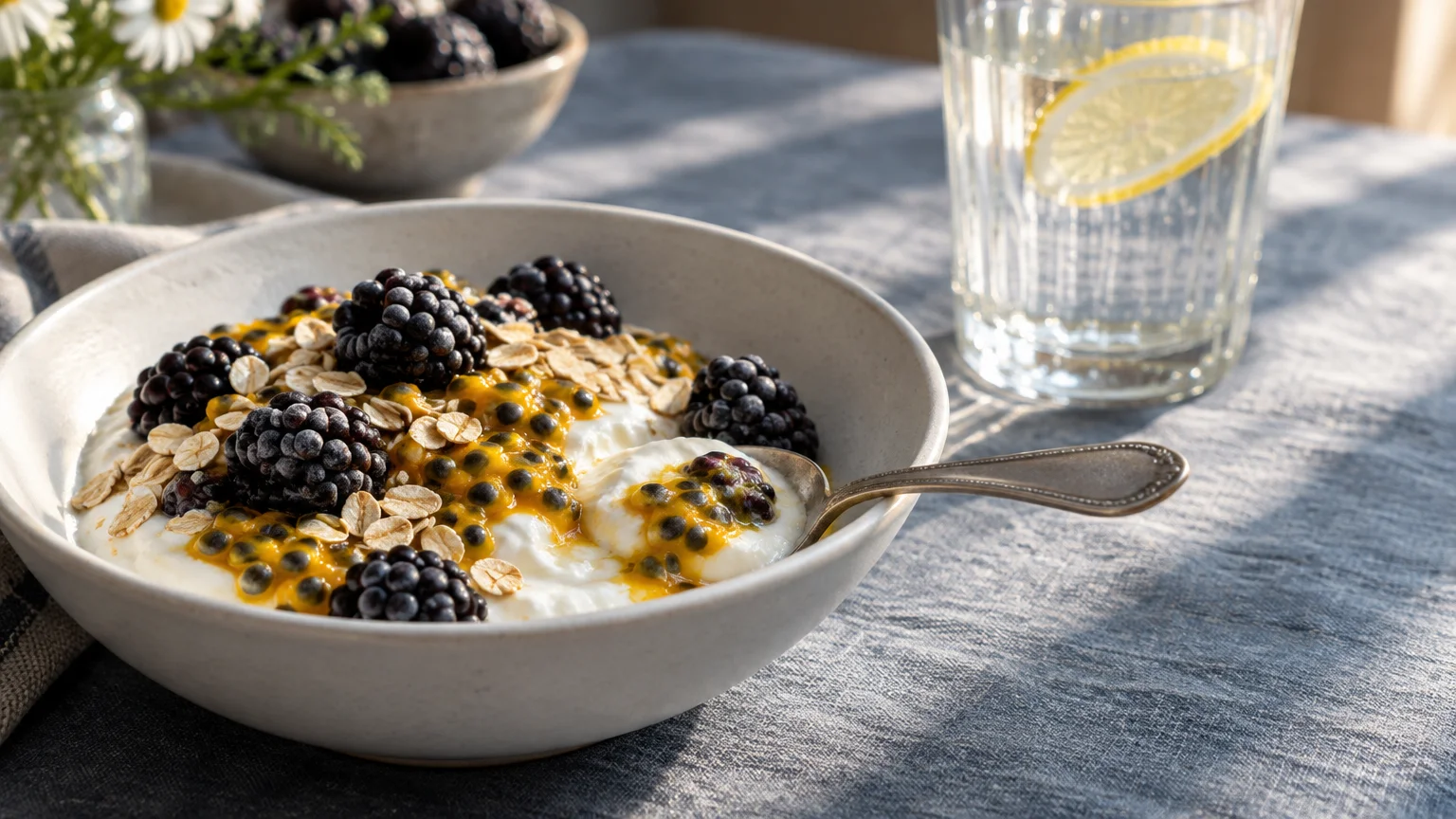
Practical Ways to Add Fiber to Your Daily Routine
Transitioning to a fiber-rich lifestyle is simple when you make small, incremental adjustments to your daily meals. Begin by introducing one additional serving of high-fiber fruit each week to allow your digestive tract time to adapt.
Drink an extra glass of pure water whenever you increase your fruit consumption. Proper hydration ensures that soluble and insoluble fibers expand smoothly and move comfortably through your digestive system.
Always consume the edible peels of fruits like apples, pears, and persimmons whenever possible. Peeling these fruits discards roughly half of their total dietary fiber alongside valuable antioxidant compounds.
Combine your fruit choices with healthy proteins or fats to maximize fullness and maintain steady blood sugar. Dipping apple wedges into almond butter or blending raspberries into Greek yogurt creates perfectly balanced snacks.
If chewing whole, raw fruits feels taxing on sensitive teeth or dental work, consider gentle culinary adaptations. Stewing pears with spices, baking apples, or blending berries into silky morning smoothies makes fiber gentle and accessible.
Discuss your dietary goals with your primary care physician or a registered dietitian during your next regular checkup. They can provide personalized recommendations that align with your specific medical history and current prescription regimen.
Frequently Asked Questions
Can eating high-fiber fruits cause digestive upset or gas?
Introducing large amounts of fiber abruptly can cause temporary gas, bloating, or mild abdominal cramps. Your intestinal microflora requires time to adjust to fermenting higher quantities of plant material.
To prevent discomfort, increase your fruit servings gradually over several weeks while drinking plenty of water each day. This measured pace allows your digestive tract to process higher fiber volumes smoothly and comfortably.
Is fruit sugar harmful for seniors with type 2 diabetes?
Whole fruits contain natural fructose that is bound within an intact cellular matrix of dietary fiber and water. This natural structure slows digestion and prevents the dramatic blood sugar spikes caused by refined sugars.
Berries, kiwis, and avocados have a low glycemic impact, making them excellent choices for individuals managing diabetes. Always monitor your individual glucose responses and consult your endocrinologist regarding your ideal carbohydrate distribution.
Are dried fruits as healthy as fresh high-fiber fruits?
Dried fruits like figs and prunes offer exceptional fiber density because removing water concentrates their plant solids. They provide significant quantities of potassium, iron, and digestive roughage in compact servings.
However, drying also concentrates natural sugars and calories, making portion control essential for older adults. Limit your dried fruit intake to small handfuls and avoid varieties prepared with added refined sugars.
Should I peel my fruits before eating them?
You should leave peels intact whenever they are edible, such as on apples, pears, and persimmons. The skin contains the highest concentration of insoluble fiber and potent disease-fighting antioxidants.
Simply wash the fruit thoroughly under cool running water before slicing to remove surface residues and dirt. If you must peel fruit due to chewing difficulties, choose naturally soft fruits like avocados and raspberries instead.
How does fruit fiber compare to fiber supplements?
While fiber supplements like psyllium husk can promote regularity, they lack the diverse nutrient matrix found in whole produce. Whole fruits deliver essential vitamins, minerals, water, and phytochemicals alongside their fiber content.
Medical experts recommend prioritizing whole culinary fruits to nourish your body and support long-term metabolic health. Reserve isolated fiber supplements for times when whole food sources cannot meet your daily physiological requirements.
Moving Toward Better Digestive Health
Enhancing your daily nutrition with high-fiber fruits is one of the most rewarding steps you can take for your health. Every cup of berries or slice of pear supports your digestion, heart, and metabolic vitality.
By making thoughtful, gradual additions to your plate, you can effortlessly close the fiber deficit and enjoy lasting wellness. Celebrate these delicious, nutrient-dense foods as everyday allies in your journey toward vibrant longevity.
This article is intended for informational and educational purposes only and is not a substitute for professional medical advice, diagnosis, or treatment. Always consult with a qualified healthcare provider regarding any health concerns or before making any decisions related to your health or treatment.