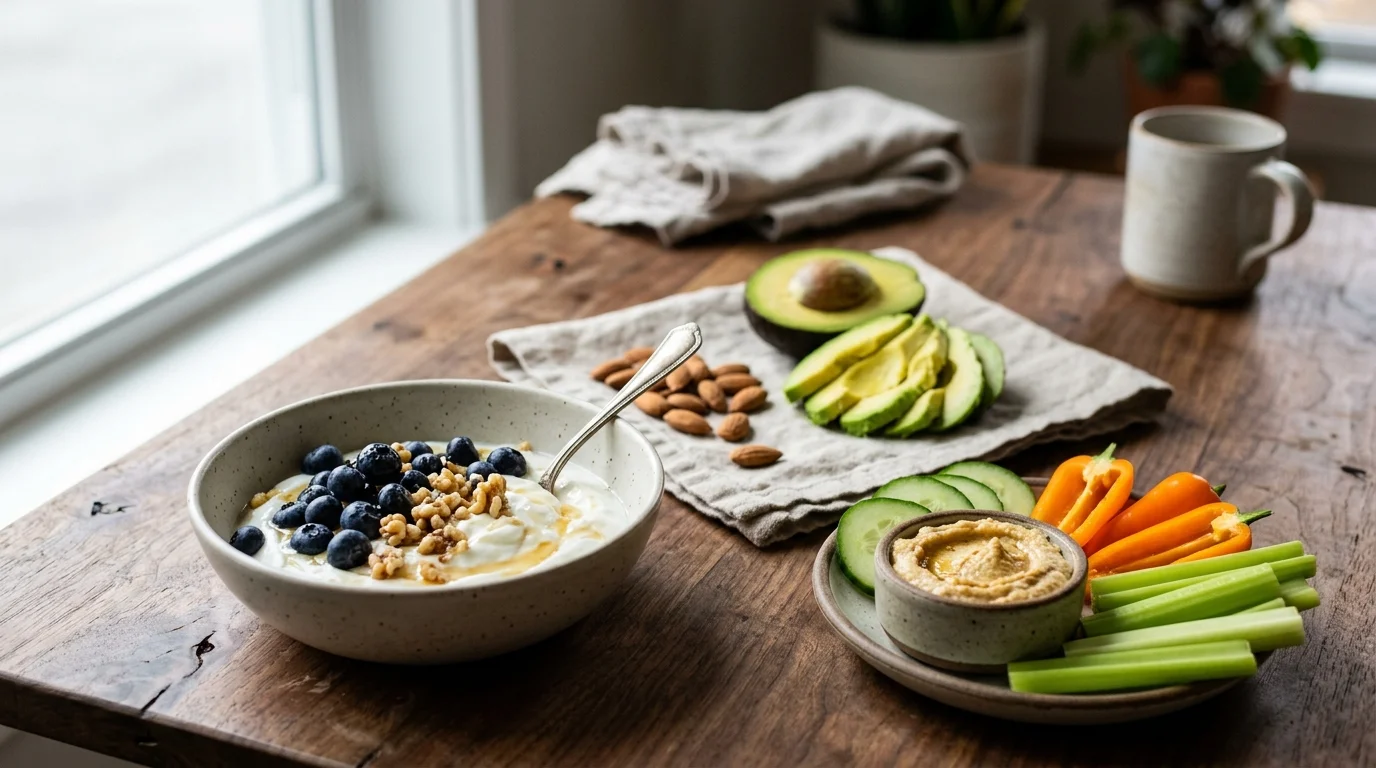
You can enjoy delicious, deeply satisfying snacks every single day without triggering sudden glucose spikes. Smart snack pairings keep your daily energy steady while protecting your long-term heart and brain health.
As your body matures, choosing the right mid-afternoon bite helps you avoid energy crashes and mental fog. The right balance of clean protein, healthy fats, and fiber makes all the difference.
These ten wholesome snacks offer exceptional flavor and steady metabolic nourishment for adults over 60. You will discover practical options that satisfy cravings while supporting vibrant, active living.
Understanding the Basics: Glycemic Index, Glycemic Load, and Balance
The food you eat directly influences the concentration of glucose circulating throughout your bloodstream. Digestible carbohydrates break down into simple sugars, which enter your blood and trigger insulin release from the pancreas.
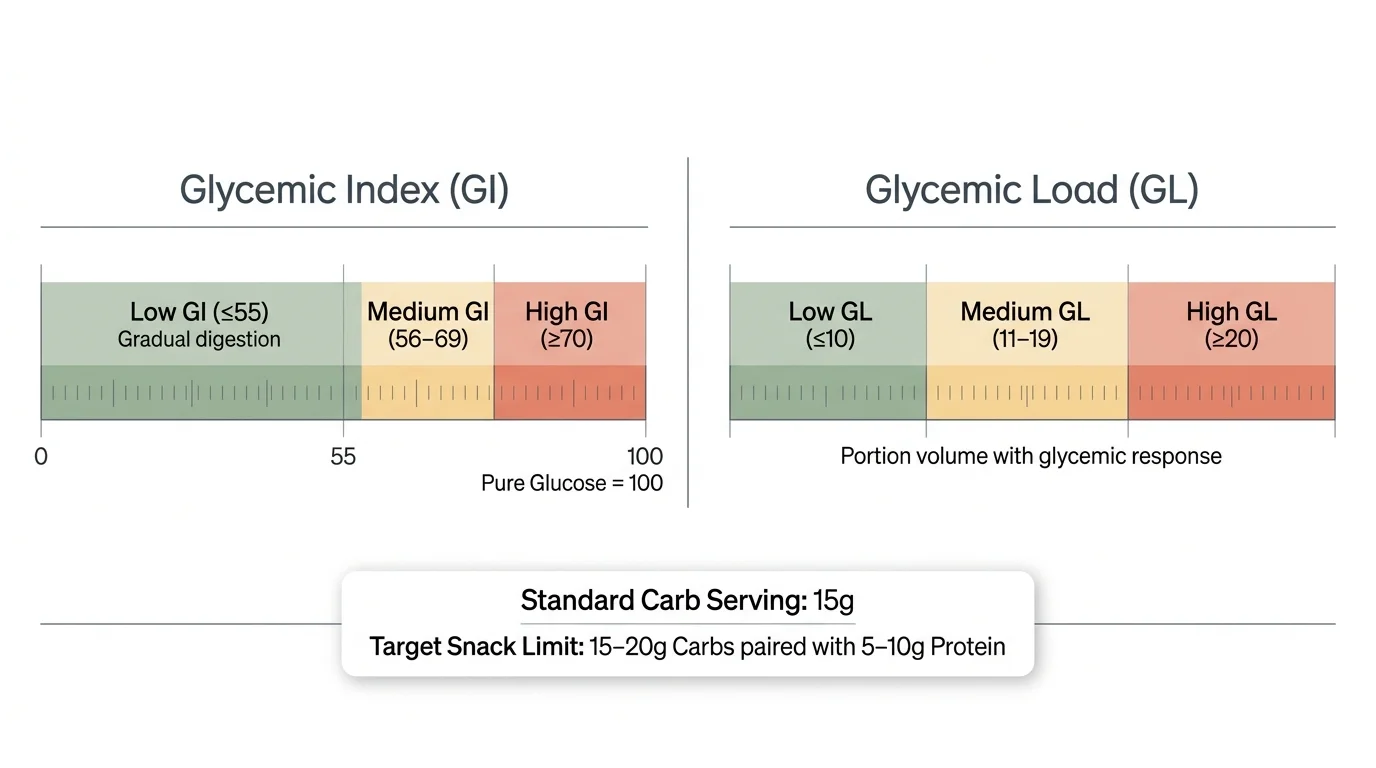
Nutrition scientists use the Glycemic Index, or GI, to measure how rapidly carbohydrates raise blood glucose compared to pure glucose. Pure glucose holds an established reference baseline score of 100 on this clinical scale.
Foods with a low GI score of 55 or less digest gradually, releasing energy in a smooth and predictable manner. In contrast, medium-GI foods score between 56 and 69, while high-GI foods rate 70 or above.
Glycemic Load, or GL, provides even greater precision by factoring portion volume into the equation. A low GL score is 10 or less, a medium GL ranges from 11 to 19, and high GL reaches 20 or higher.
Portion size plays a decisive role in postprandial glucose management. Clinical diabetes management guidelines from the American Diabetes Association define one standard carbohydrate serving as 15 grams.
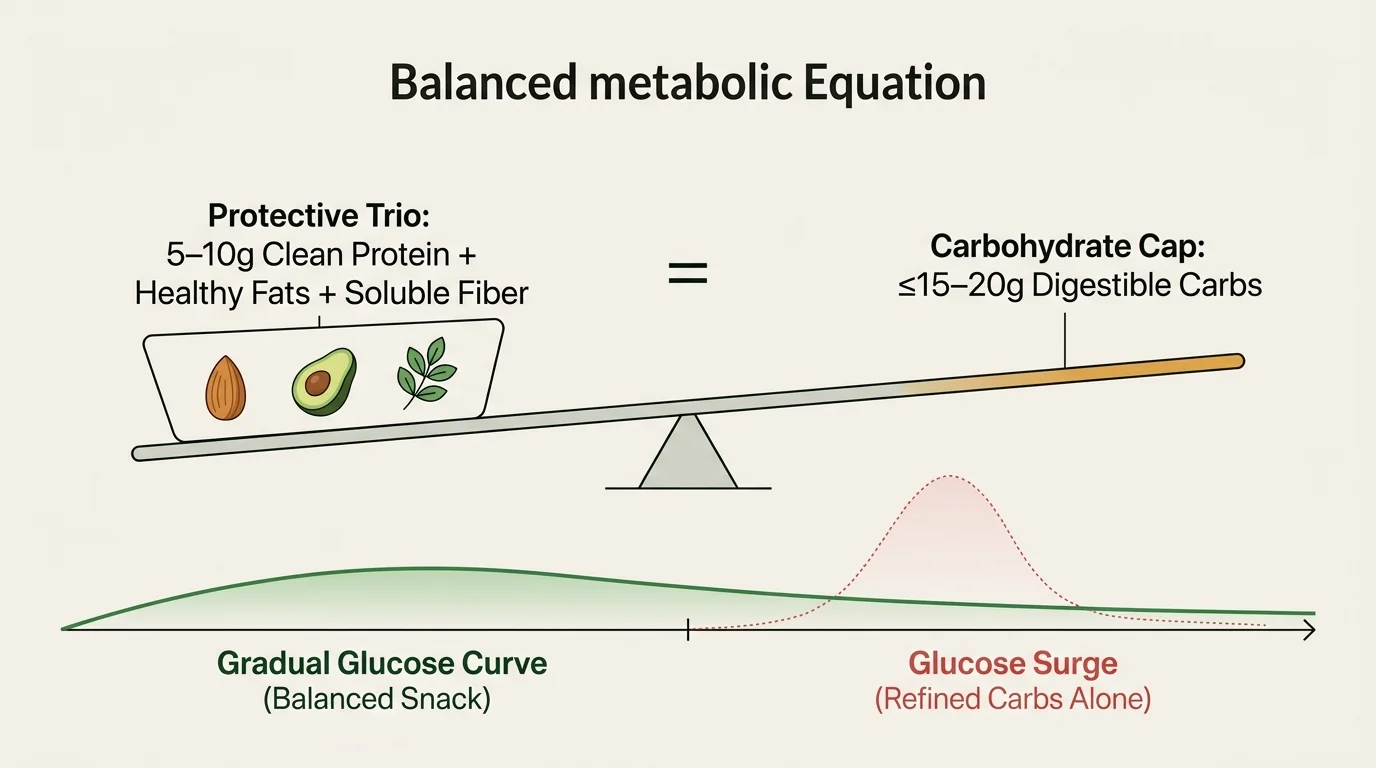
Nutritionists generally recommend that blood-sugar-friendly snacks remain within 15 to 20 grams of total carbohydrates. This target provides satisfying nourishment without overwhelming your body’s cellular insulin response.
Pairing complex carbohydrates with at least 5 to 10 grams of protein and healthy fats or soluble fiber slows gastric emptying. This deliberate synergy significantly retards carbohydrate absorption, blunting post-meal blood sugar surges.
Key Considerations for Seniors: Aging and Glucose Metabolism
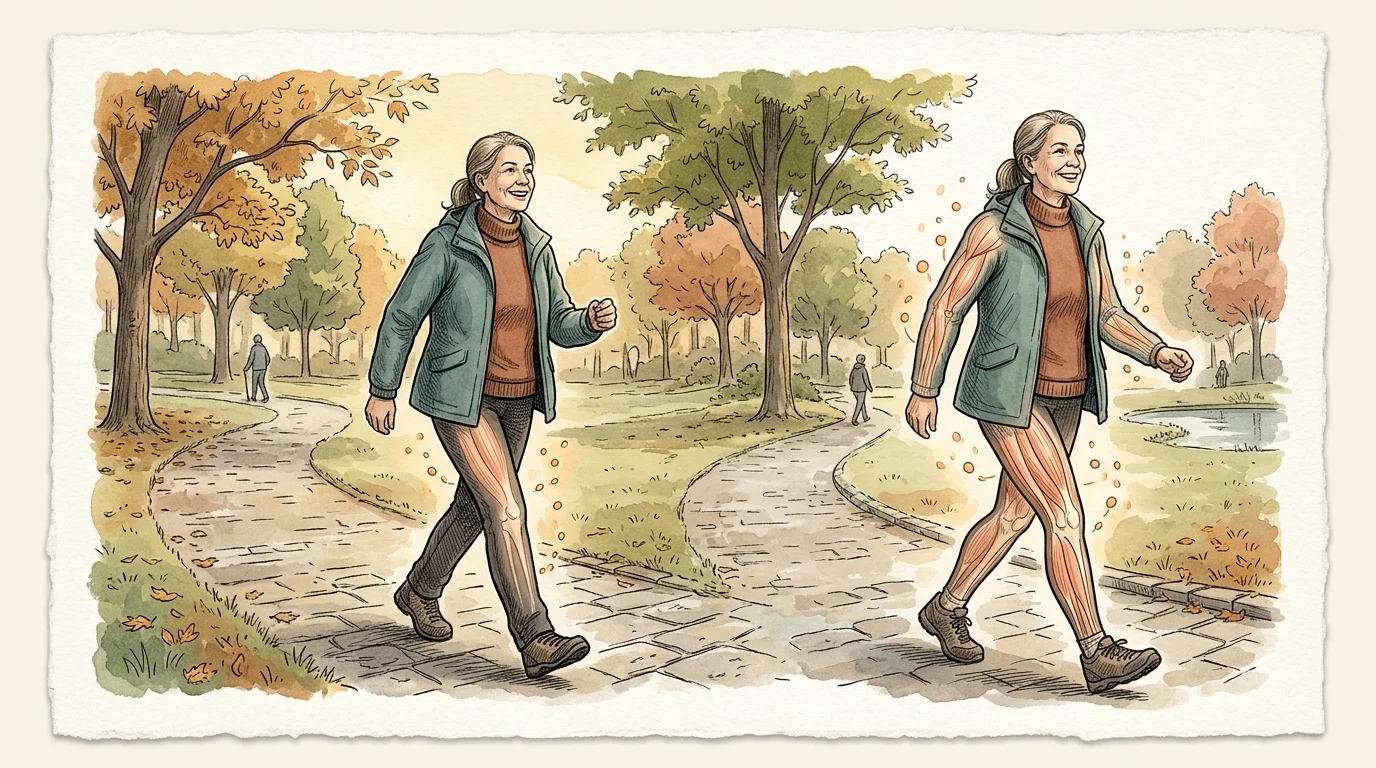
Your body processes dietary fuel differently as you enter your sixties and beyond. Natural biological shifts alter how efficiently your cells handle glucose, making deliberate food choices far more essential for daily vitality.
Age-related muscle loss, known medically as sarcopenia, reduces the physical tissue available to clear glucose from circulation. Because skeletal muscle acts as your primary glucose sink, declining muscle mass naturally lowers insulin sensitivity.
Public health data underscores the widespread prevalence of metabolic challenges among mature adults. The Centers for Disease Control and Prevention reports that over 40.1 million Americans live with diabetes.
Furthermore, an estimated 115.2 million American adults have prediabetes, representing more than one in three individuals. Remarkably, approximately 8 in 10 adults with prediabetes remain completely unaware of their condition.
Older adults also frequently manage prescription medications that can subtly interact with daily glucose regulation. Certain common blood pressure drugs and statins can occasionally influence how your liver manages stored glycogen.
Thirst sensations often fade with advancing age, causing mild dehydration that artificially concentrates circulating blood sugar. Choosing hydrating, nutrient-dense snacks supports optimal kidney function while preserving healthy metabolic stability.
Maintaining steady glucose levels protects your microvascular circulation, vision, and long-term cognitive sharpness. Wholesome snacks deliver sustained fuel to your brain while preventing the debilitating fatigue of sugar crashes.

10 Delicious Snacks for Blood Sugar Stability
1. Greek Yogurt with Chia Seeds and Crushed Walnuts
Plain, unsweetened Greek yogurt provides an outstanding foundation for reliable glucose control. Its traditional straining process removes liquid whey and excess lactose sugars, yielding a rich, high-protein snack.
A half-cup serving delivers roughly 12 grams of protein with minimal carbohydrates. Stirring in a teaspoon of chia seeds introduces viscous soluble fiber, which forms a gentle gel in your digestive tract.
Topping your yogurt with crushed walnuts supplies heart-healthy alpha-linolenic acid, an essential plant omega-3 fat. This delicious balance of protein and healthy fats curbs appetite without raising blood sugar.
2. Crisp Celery Sticks with Natural Almond Butter
Celery provides an intensely satisfying crunch along with abundant water and virtually zero impact on blood sugar. It supplies essential electrolytes like potassium along with modest amounts of dietary roughage.
Pairing crisp celery ribs with two tablespoons of unsweetened almond butter adds rich monounsaturated fats and plant protein. Almond butter also provides bioavailable magnesium, which actively supports cellular insulin receptors.
The healthy fats in the nut butter delay stomach emptying and prevent sharp glucose spikes. Choose nut butters made exclusively from dry-roasted almonds and salt without added vegetable oils.
3. Roasted Chickpeas Seasoned with Smoked Paprika
Chickpeas, also known as garbanzo beans, are nutrient-rich legumes with a remarkably low glycemic index score. Their complex starches break down very slowly, releasing sustained energy instead of rapid sugar surges.
Tossing cooked chickpeas in extra virgin olive oil and smoked paprika before baking yields a delightfully crunchy treat. A quarter-cup serving delivers approximately five grams of protein and five grams of soluble fiber.
This savory snack satisfies cravings for potato chips while enhancing digestive health and vascular elasticity. You can easily prepare a batch at home to enjoy throughout the week.
4. Creamy Guacamole with Sliced Rainbow Bell Peppers
Fresh avocado creates a delicious, heart-healthy base that supports steady blood sugar levels. Avocados are packed with monounsaturated oleic acid and soluble fiber while containing negligible amounts of usable net carbohydrates.
Using colorful bell pepper strips instead of traditional corn tortilla chips completely eliminates refined grain flours. Bell peppers provide rich amounts of vitamin C and carotenoid antioxidants that help protect senior eye health.
This refreshing combination yields a minimal glycemic load score that keeps post-snack glucose flat. The wholesome fats also enhance your body’s absorption of the peppers’ fat-soluble antioxidants.
5. Hard-Boiled Eggs with Everything Bagel Seasoning
Hard-boiled eggs serve as a premier, nutrient-dense snack option for older adults seeking metabolic balance. Each whole egg supplies six grams of complete biological protein alongside brain-supportive choline and vitamin B12.
Because whole eggs contain virtually zero carbohydrates, they produce no measurable elevation in post-snack blood glucose. Dusting sliced eggs with everything bagel seasoning adds savory garlic, onion, and mineral-rich sesame seeds.
Pairing your seasoned egg slices with crisp cucumber rounds adds cooling hydration and delightful crunch. Keep a few hard-boiled eggs chilled in your refrigerator for quick, effortless daily nourishment.
6. Whole Milk Cottage Cheese with Fresh Blueberries
Whole milk cottage cheese provides an abundant supply of slow-digesting casein protein. Casein breaks down gradually over several hours, supplying a steady stream of amino acids that promotes metabolic satiety.
Adding a quarter-cup of fresh blueberries introduces natural sweetness along with potent anthocyanin antioxidants. Blueberries feature a low glycemic index and supply gentle soluble fiber that buffers carbohydrate digestion.
A light sprinkle of ground cinnamon adds warm aroma while providing bioactive polyphenols that support insulin signaling. This dessert-like pairing satisfies sweet cravings without threatening your daily glucose targets.
7. Steamed Edamame in the Pod with Flaky Sea Salt
Edamame pods are young soybeans that deliver an impressive quantity of plant-based complete protein. A half-cup serving of shelled edamame provides roughly nine grams of protein and four grams of dietary fiber.
The naturally occurring carbohydrates in edamame digest exceptionally slowly due to their fibrous cellular walls. Steaming the pods and seasoning them with flaky sea salt creates a simple, savory culinary treat.
Extracting the beans from their pods naturally slows your eating pace, allowing your brain to register fullness signals. This mindful eating pattern prevents overconsumption and promotes calm, stable postprandial glucose readings.
8. Sliced Turkey Breast Rolled Around String Cheese
Savory deli roll-ups provide an effortless, high-protein snack when you require sustained energy between meals. Rolling a slice of lean turkey breast around part-skim mozzarella cheese creates an outstanding zero-sugar pairing.
This portable combination delivers over twelve grams of protein with fewer than two grams of carbohydrates. Protein and dairy lipids stimulate satiety hormones like peptide YY, which effectively suppress lingering appetite cues.
Select oven-roasted, low-sodium turkey breast to keep your cardiovascular health and blood pressure goals well protected. You can add a fresh spinach leaf or avocado slice inside for additional micronutrients.
9. Raw Pumpkin Seeds Tossed with Light Spices
Pumpkin seeds, or pepitas, are compact nutritional powerhouses packed with essential minerals and monounsaturated lipids. They supply meaningful quantities of zinc and magnesium, two micronutrients vital for mature immune and metabolic health.
Magnesium plays an indispensable role in carbohydrate metabolism by aiding cellular glucose transport across cell membranes. Toasting raw pepitas with cumin, smoked paprika, and salt yields a deeply flavorful, low-glycemic crunch.
A one-ounce serving offers roughly seven grams of plant protein with negligible impact on blood sugar. Their crunchy texture makes them an ideal, shelf-stable replacement for traditional processed crackers or chips.
10. Chia Seed Pudding Made with Unsweetened Almond Milk
Chia seed pudding transforms tiny, nutrient-dense seeds into a luxurious, spoonable treat. When soaked in unsweetened almond milk, chia seeds expand to create a thick pudding rich in soluble fiber.
This soluble fiber slows gastric emptying substantially, preventing glucose spikes even when lightly flavored. Adding pure vanilla extract and ground cinnamon yields a comforting, sweet taste without any added table sugar.
You can mix a few portions in mason jars to chill overnight in the refrigerator. This satisfying snack delivers heart-healthy omega-3 fats, bone-building calcium, and long-lasting digestive comfort.
Benefits and Potential Risks: Achieving Balanced Snacking
Enjoying blood-sugar-friendly snacks yields wide-ranging systemic benefits that extend far beyond your daily glucose log. Stable glucose levels reduce chronic vascular inflammation, protecting your heart, kidneys, and delicate microvascular blood vessels.
Predictable energy prevents the abrupt fatigue, lightheadedness, and irritability triggered by rapid glucose plunges. You will also enjoy sharper mental acuity, sustained afternoon focus, and easier long-term body weight management.
However, navigating healthy snacks requires vigilance regarding hidden ingredients in commercially packaged items. Many processed snacks marketed toward individuals with diabetes contain refined starches, chemical sweeteners, or excessive sodium.
Older adults must monitor sodium intake closely to preserve renal function and support normal arterial blood pressure. Preparing snacks from whole, minimally processed ingredients allows you to control sodium without sacrificing rich flavor.
Portion awareness also remains vital when eating energy-dense foods like tree nuts, seeds, and nut butters. While these foods offer healthy fats, excessive portion sizes can lead to unintentional weight gain over time.
Always align your snack choices with your total daily energy expenditure and specific health targets. Mindful eating habits ensure that mid-day snacks support your vitality rather than crowding out balanced main meals.

What the Health Experts and Research Say
Leading medical authorities strongly advocate for whole-food, low-glycemic dietary patterns to manage chronic disease risks. Research from the National Institutes of Health demonstrates that stable glucose regulation significantly lowers long-term cardiovascular risks.
Clinical guidance from the Mayo Clinic highlights the indispensable role of dietary fiber in decelerating carbohydrate absorption. Viscous soluble fiber acts as a natural metabolic buffer, moderating glucose influx into the bloodstream.
Global public health recommendations from the World Health Organization urge adults to restrict free sugars in their daily diets. Limiting refined sweeteners reduces the risk of developing adult-onset insulin resistance and fatty liver disease.
Multiple clinical trials confirm that pairing protein and healthy fats with carbohydrates flattens post-meal glucose excursions. This synergistic combination reduces the metabolic stress placed on pancreatic beta cells as you age.
Modern nutritional science emphasizes whole-food quality and glycemic impact rather than isolated calorie counting. Embracing these evidence-based principles allows seniors to maintain excellent metabolic health while enjoying satisfying, flavorful foods.
Practical Steps and Actionable Advice for Daily Snacking
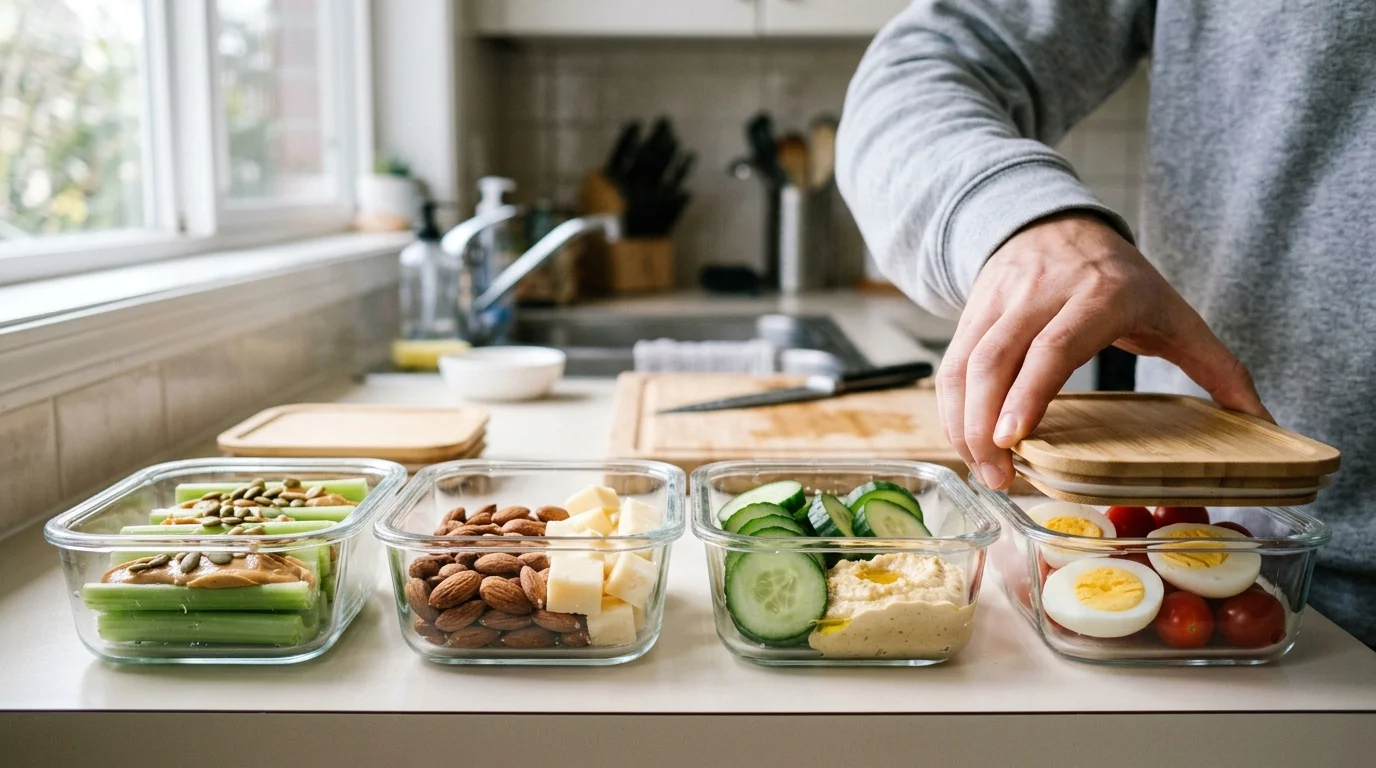
Upgrading your daily snacking routine begins with simple, repeatable habits that fit naturally into your lifestyle. Preparing healthy snack ingredients in advance prevents impulsive choices when sudden afternoon hunger strikes.
Always practice the nutrient pairing rule by combining any complex carbohydrate with at least five grams of protein. This easy strategy slows your digestive rate and prevents the glucose spikes associated with eating standalone carbohydrates.
Examine nutrition labels carefully, noting the balance between total carbohydrates, dietary fiber, and added sugars. Subtracting dietary fiber from total carbohydrates helps you determine the true net glycemic impact of packaged foods.
Drink a full glass of water before reaching for a snack to verify your body’s hydration status. Mature adults often mistake mild thirst for hunger, leading to unnecessary grazing when hydration is what the body truly requires.
Discuss your daily nutrition plan with your physician or a registered dietitian specializing in gerontology. Personalized professional guidance ensures your snack selections complement your specific medications, blood pressure targets, and overall health goals.
Frequently Asked Questions About Blood-Sugar-Friendly Snacks
Can I eat fresh fruit if I want to keep my blood sugar low?
Yes, you can comfortably enjoy fresh fruit by choosing lower-glycemic options like blueberries, blackberries, raspberries, and strawberries. Pairing fresh berries with Greek yogurt or raw walnuts helps buffer the natural fruit sugars.
How many grams of carbohydrates should my afternoon snack contain?
Most clinical diabetes educators recommend keeping snacks between 15 and 20 grams of total carbohydrates. This controlled amount delivers steady nourishment between meals without triggering an exaggerated pancreatic insulin response.
Are packaged diabetic-friendly snacks a good choice for seniors?
Many commercially packaged diet snacks contain artificial sweeteners, sugar alcohols, or refined starches that irritate the gut. Whole, minimally processed foods like hard-boiled eggs, raw seeds, and fresh vegetables offer vastly superior nutrition.
How often should older adults snack between main meals?
Most seniors do best with one or two well-timed snacks per day spaced evenly between balanced meals. Snacking should respond to genuine physical hunger cues rather than emotional boredom or mindless routine.
Will an evening snack cause overnight blood sugar spikes?
A carbohydrate-heavy evening snack can elevate morning fasting glucose, but a protein-rich option produces the opposite result. A small serving of cottage cheese or pumpkin seeds stabilizes overnight blood glucose and prevents nocturnal drops.
Empowering Your Daily Snack Routine
Smart snacking provides an enjoyable opportunity to nourish your body, sustain mental clarity, and celebrate delicious food. Managing your blood sugar does not require bland meals or frustrating dietary deprivation.
By choosing low-glycemic ingredients and pairing carbohydrates with protein and healthy fats, you safeguard your vitality. These small, consistent choices made each afternoon yield profound benefits for your cardiovascular and metabolic health.
Stock your pantry and refrigerator with these ten wholesome options and enjoy snacking with renewed confidence. Your body will reward your thoughtful care with dependable energy and lasting strength for years to come.
Medical Disclaimer
This article is intended for informational and educational purposes only and is not a substitute for professional medical advice, diagnosis, or treatment. Always consult with a qualified healthcare provider regarding any health concerns or before making any decisions related to your health or treatment.