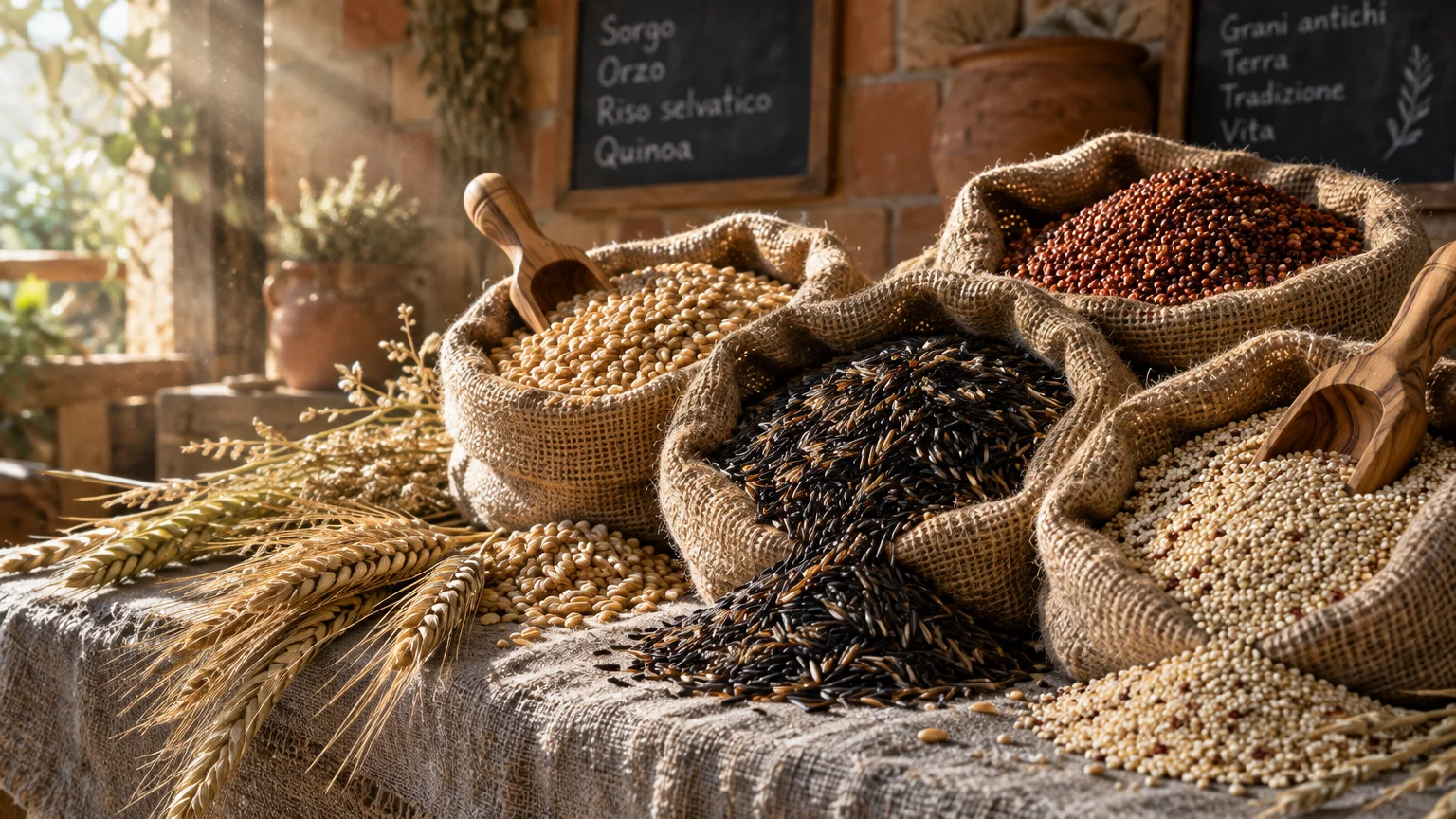
Swapping white rice for nutrient-dense whole grains stabilizes your daily blood sugar and protects your cardiovascular system. These wholesome alternatives deliver sustained energy while keeping your digestion smooth.
As you age, your body requires more dietary fiber and micronutrients to maintain active vitality. Replacing refined starches with healthy grains list staples gives you higher nutritional value from every meal.
Discovering delicious, healthy rice alternatives expands your culinary horizons and revitalizes your favorite home recipes. Explore these ten exceptional choices to nourish your body and satisfy your appetite.
Understanding the Basics of Whole Grains
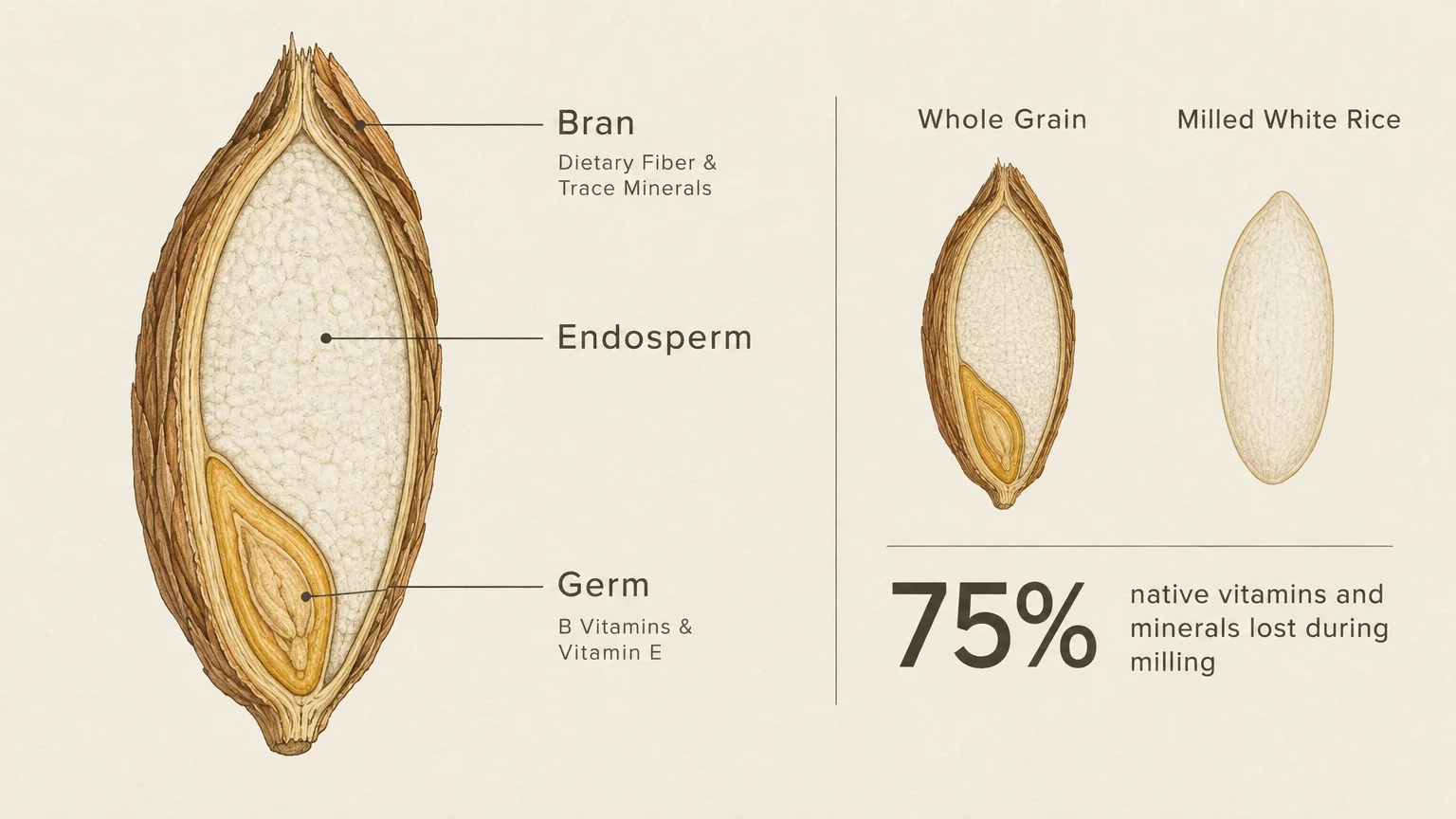
Every cereal grain begins as a complete botanical seed consisting of three distinct layers. These anatomical parts include the protective bran, the starchy endosperm, and the nutrient-dense germ.
The outer bran shell supplies valuable dietary fiber, trace minerals, and beneficial plant compounds. It defends the inner seed against environmental damage while slowing carbohydrate digestion in your stomach.
The tiny reproductive germ houses essential B vitamins, healthy fats, and powerful antioxidants like vitamin E. This living component provides the vital energy that would sprout a new plant seedling.
The middle endosperm makes up the largest section, serving primarily as a starchy carbohydrate storehouse. It contains limited protein but lacks the abundant micronutrients concentrated in the surrounding layers.
Industrial milling strips away both the fibrous bran and the nutritious germ to produce white rice. This refining process leaves behind only the rapid-digesting, starchy endosperm.
That mechanical stripping removes roughly seventy-five percent of the grain’s native vitamins and minerals. Furthermore, it discards virtually all of the insoluble fiber that protects your metabolic wellness.
Whole grain foods preserve all three original components intact in their natural proportions. Because nothing valuable gets discarded, you receive the full spectrum of nature’s original nutrition.

Key Considerations for Seniors and Aging Bodies
Aging alters how efficiently your body metabolizes carbohydrates and secretes insulin. Refined grains enter your bloodstream quickly, forcing your pancreas to work harder to clear glucose.
Whole grain foods digest at an unhurried, measured pace because their natural fiber slows down starch breakdown. This gradual absorption shields you from exhausting post-meal energy crashes.
Your gastrointestinal tract experiences natural shifts as the years advance. Muscle contractions throughout your colon often slow down, which increases the likelihood of chronic, uncomfortable constipation.
The soluble and insoluble fibers found in unrefined grains add soft bulk to digestive waste. This added bulk stimulates natural peristalsis, keeping your bowel movements regular and comfortable.
Muscle preservation represents another vital concern for adults over the age of sixty. Several whole grains contribute generous amounts of plant-based protein to help you combat age-related muscle loss.
In addition, many older adults manage mild oral sensitivity, dental appliances, or reduced chewing strength. You can easily adjust whole grain cooking times to create a softer, gentler texture.
Simmering grains with extra liquid or using an electric pressure cooker yields tender, easily chewable meals. You do not need to sacrifice oral comfort to enjoy exceptional nutritional density.

Benefits and Potential Risks of Making the Switch
Replacing refined grains with whole options rewards your cardiovascular wellness. The soluble fibers in grains bind to bile acids, drawing excess cholesterol out of your circulation.
Clinical research shows that eating whole grains regularly helps reduce systemic inflammation throughout your blood vessels. This arterial protection directly reduces your long-term risk of developing coronary disease.
Whole grains promote lasting satiety by stimulating fullness hormones in your digestive tract. This natural appetite regulation helps you maintain a stable, healthy weight without restrictive dieting.
Complex plant fibers serve as essential prebiotics, nourishing the beneficial microorganisms that live inside your colon. A balanced gut microbiome strengthens your immune system and enhances nutrient absorption.
Despite these profound advantages, you should navigate the dietary transition with deliberate care. Abruptly flooding an unaccustomed digestive system with rough fiber can cause abdominal gas, bloating, and cramping.
You can prevent digestive distress by increasing your grain intake gradually over two to three weeks. Pairing each fiber-dense meal with plenty of clean water ensures smooth, comfortable digestion.
Some whole grains contain natural compounds called phytates, which can slightly reduce mineral absorption. Soaking dry grains in warm water before boiling deactivates phytates and unlocks their full nutritional value.
Finally, individuals managing advanced chronic kidney disease must monitor their phosphorus and potassium intake carefully. If your nephrologist restricts these minerals, check with your healthcare team before switching grains.
10 Whole Grains Worth Trying Instead of White Rice
1. Brown Rice
Brown rice provides the easiest transition away from white rice because it cooks similarly. It retains its bran and germ, delivering abundant magnesium, manganese, and essential B vitamins.
Its mild, nutty flavor complements stir-fries, savory stews, and roasted meat dishes effortlessly. Add a splash of low-sodium broth to the cooking pot for extra tenderness and savory flavor.
2. Quinoa
Quinoa is a versatile seed that originated in South America and cooks in fifteen minutes. In the debate of quinoa vs rice, quinoa provides nearly double the protein per serving.
It stands out as a complete plant protein containing all nine essential amino acids. Its light, airy texture absorbs savory herb dressings, making it ideal for warm casseroles or chilled salads.
3. Farro
Farro is an ancient wheat variety prized since Roman antiquity for its satisfying, firm chew. It delivers impressive amounts of dietary fiber, iron, and zinc to support your cellular immunity.
Because farro retains its plump shape during cooking, it never turns mushy or sticky. Stir it into simmering vegetable soups or toss it with roasted root vegetables and olive oil.
4. Hulled Barley
Barley contains exceptional levels of beta-glucan, a potent soluble fiber celebrated for lowering blood cholesterol. It also dampens post-meal glucose spikes, supporting steady metabolic balance for people with prediabetes.
Choose hulled barley for the most fiber, or opt for pearl barley for quicker weeknight preparation. Its rich, hearty chew makes it an unbeatable addition to classic beef or mushroom stews.
5. Buckwheat
Buckwheat is a nutrient-dense seed completely unrelated to wheat, making it naturally gluten-free. It contains concentrated rutin, a protective antioxidant flavonoid that strengthens delicate capillaries and improves circulation.
Toasted buckwheat groats, often called kasha, possess a deep, rustic aroma and earthy flavor. Serve cooked buckwheat alongside braised cabbage, roast poultry, or in a warm breakfast porridge.
6. Bulgur Wheat
Bulgur consists of whole wheat berries that manufacturers parboil, dry, and crack into uniform pieces. Because it arrives partially precooked, it reconstitutes in boiling water in only twelve minutes.
This staple of Mediterranean cuisine supplies abundant manganese to support joint and bone health. Combine fluffy bulgur with chopped parsley, ripe tomatoes, lemon juice, and olive oil for classic tabbouleh.
7. Millet
Millet produces miniature golden kernels that cook into a tender, gentle, and easily digestible dish. It is naturally gluten-free, hypoallergenic, and loaded with bone-supporting magnesium, phosphorus, and silicon.
You can prepare millet light and fluffy like white rice using less water in the pot. Alternatively, simmer it with additional liquid to create a velvety, soothing porridge that comforts delicate stomachs.
8. Wild Rice
Wild rice is actually the dark seed of native aquatic grasses rather than true Asian rice. It contains twice the protein and three times the fiber found in standard white long-grain varieties.
Its distinctive dark color indicates a high concentration of anthocyanin antioxidants that fight oxidative stress. Pair wild rice with sautéed mushrooms, dried cranberries, and toasted walnuts for an elegant dinner side.
9. Whole Grain Sorghum
Sorghum is an ancient gluten-free grain that thrives in arid climates and offers remarkable nutritional perks. Its plump, round grains offer a delightful al dente texture that mimics pasta or Israeli couscous.
Sorghum hulls contain unique polyphenol compounds that help tame systemic inflammation and support gut health. Use cooked sorghum in cold grain bowls, as it stays firm without drying out in your refrigerator.
10. Freekeh
Freekeh is durum wheat harvested while tender and green, then sun-dried and toasted over wood fires. This traditional smoking process imparts a captivating earthy aroma and seals in dense nutritional value.
It contains three times more dietary fiber than brown rice and boasts a remarkably low glycemic index. Freekeh also supplies lutein and zeaxanthin, two vital carotenoids that protect your aging eyes from macular damage.

What the Experts Say About Whole Grain Consumption
Epidemiological research synthesized by the National Institutes of Health reveals compelling evidence connecting whole grain intake with extended longevity. Adults who consume at least three whole grain servings daily experience significantly reduced mortality rates.
Cardiovascular specialists at the Mayo Clinic consistently advocate replacing refined starches with fiber-rich whole alternatives. Their cardiologists note that dietary soluble fiber directly lowers LDL cholesterol and reduces overall vascular inflammation.
The Centers for Disease Control and Prevention highlights whole grains as foundational dietary tools for managing type 2 diabetes. Their published clinical guidance emphasizes that complex carbohydrates prevent sudden glycemic swings and ease pancreatic workload.
Replacing white rice reduces your risk of insulin resistance by supplying sustained glucose release over several hours. This metabolic stability helps safeguard your peripheral nerves, kidneys, and eyes from high blood sugar complications.
Global health assessments from the World Health Organization identify low whole grain consumption as a primary dietary risk factor worldwide. Their nutrition reports suggest that inadequate intake contributes directly to escalating rates of lifestyle-related chronic illnesses.
Independent clinical trials published in leading medical journals confirm that unrefined grains lower resting systolic blood pressure. The rich mineral trio of magnesium, potassium, and calcium works together to relax your arterial walls naturally.
Nutrition experts emphasize that small daily substitutions produce measurable health dividends over your lifespan. Replacing a single serving of refined starch each day significantly lowers your lifetime cardiovascular disease risk.

Practical Steps and Actionable Advice for Your Kitchen
Shifting your eating habits can feel like a pleasant culinary adventure rather than a stressful dietary overhaul. Start by combining cooked white rice with brown rice or quinoa in equal portions for family meals.
This fifty-fifty blend allows your taste buds, mouthfeel expectations, and gut bacteria to adjust gradually without digestive friction. Once you grow accustomed to the deeper flavor, you can transition to one hundred percent whole grains.
Save kitchen time by batch cooking your grains during quiet weekend mornings. Simmer a double batch of grains, divide them into portions, and freeze them in sealed glass containers.
Frozen whole grains reheat in minutes with a quick splash of water in your microwave or skillet. Having wholesome carbohydrates ready in your freezer prevents you from reaching for processed convenience foods when tired.
Elevate the natural flavor of whole grains by simmering them in low-sodium vegetable broth rather than plain tap water. Tossing in crushed garlic cloves, fresh thyme sprigs, or bay leaves adds robust flavor without unwanted sodium.
Toasting dry grains in a warm skillet for two minutes before adding liquid unlocks an irresistible nutty fragrance. This simple culinary technique dramatically enhances grains like buckwheat, millet, and whole grain sorghum.
Support your body by drinking a tall glass of clean water alongside every high-fiber grain dish you consume. Dietary fiber requires adequate hydration to move comfortably through your digestive system and perform its cleansing work.
Talk with your primary healthcare provider or a registered dietitian before altering your diet if you take daily medications. Ask your clinician whether increased dietary fiber could alter the absorption rate of your specific morning prescriptions.
Frequently Asked Questions
Is brown rice noticeably better than white rice for individuals with diabetes?
Yes, brown rice provides a far lower glycemic response than refined white rice varieties. Its intact outer bran jacket moderates digestive enzyme activity, preventing sudden spikes in your circulating blood sugar levels.
Furthermore, the magnesium abundant in brown rice improves cellular insulin sensitivity, assisting your body in processing carbohydrates efficiently.
How does quinoa compare directly to white rice in nutritional value?
Comparing quinoa vs rice reveals superior nutrition across almost every dietary measure. It delivers twice the dietary fiber and double the plant protein found in equal portions of white rice.
Quinoa also provides all nine essential amino acids, making it a complete protein source that supports muscle maintenance.
Can older adults with sensitive stomachs easily digest whole grains?
Older adults can digest whole grains comfortably by choosing gentle options like millet, quinoa, and hulled barley. Soaking grains in cold water overnight before cooking breaks down tough starches and simplifies digestive enzyme breakdown.
Always chew your grains thoroughly, drink ample fluids, and increase your portion sizes slowly over several weeks.
What is the fastest-cooking whole grain alternative to white rice?
Bulgur wheat takes the prize as the fastest-cooking grain, requiring only ten to twelve minutes of simmering time. Quinoa follows closely behind, cooking to light and fluffy perfection in approximately fifteen minutes on your stovetop.
You can also purchase precooked, frozen whole grains at the grocery store to eliminate cooking time entirely on busy evenings.
Do whole grains interfere with prescription medication absorption?
Substantial amounts of concentrated dietary fiber can bind to certain oral medications, modestly slowing their gastrointestinal absorption. This interaction most commonly affects thyroid replacement hormones, heart medications, and certain daily antibiotics.
You can easily avoid this issue by taking your daily morning prescriptions at least one hour before eating fibrous meals.
Are all whole grains safe for individuals following a gluten-free diet?
Not all whole grains are gluten-free, so you must select your kitchen staples carefully if you have celiac disease. Grains like farro, barley, bulgur, and freekeh contain gluten and must be avoided by sensitive individuals.
Fortunately, delicious grains such as quinoa, buckwheat, millet, wild rice, and sorghum remain completely free from dietary gluten.
Embracing Wholesome Grains for Long-Term Vitality
Choosing whole grains instead of white rice provides your body with sustained metabolic energy and comprehensive daily nutrition. Every savory serving supplies protective antioxidants, heart-healthy minerals, and restorative prebiotic fibers directly to your internal systems.
These healthy rice alternatives transform simple weeknight meals into vibrant, textured culinary experiences that nourish your physical longevity. You deserve meals that satisfy your palate while actively safeguarding your vitality as the years progress.
Begin by testing one or two new grains in your favorite soups, stews, or baked casseroles this week. Notice how steady, energized, and satisfied your body feels when you fuel it with nature’s complete nutritional packages.
Stock your kitchen pantry with these ten nourishing staples to take proactive control of your everyday digestive and cardiovascular health.
This article is intended for informational and educational purposes only and is not a substitute for professional medical advice, diagnosis, or treatment. Always consult with a qualified healthcare provider regarding any health concerns or before making any decisions related to your health or treatment.