Your spice rack holds potent culinary tools that can soothe stiff joints, sharpen mental focus, and steady your blood sugar. Adding therapeutic herbs and spices transforms ordinary meals into daily medicine for healthy aging.
Beyond delivering vibrant aromas, these botanical staples provide concentrated polyphenols that defend aging cells against chronic damage. Everyday cooking ingredients offer a safe, accessible pathway toward sustained vitality.
Learning how to use these botanicals correctly helps you maximize their protective powers while avoiding medication interactions. Here is how ten kitchen staples can enrich your health every day.
Understanding the Basics of Culinary Medicine
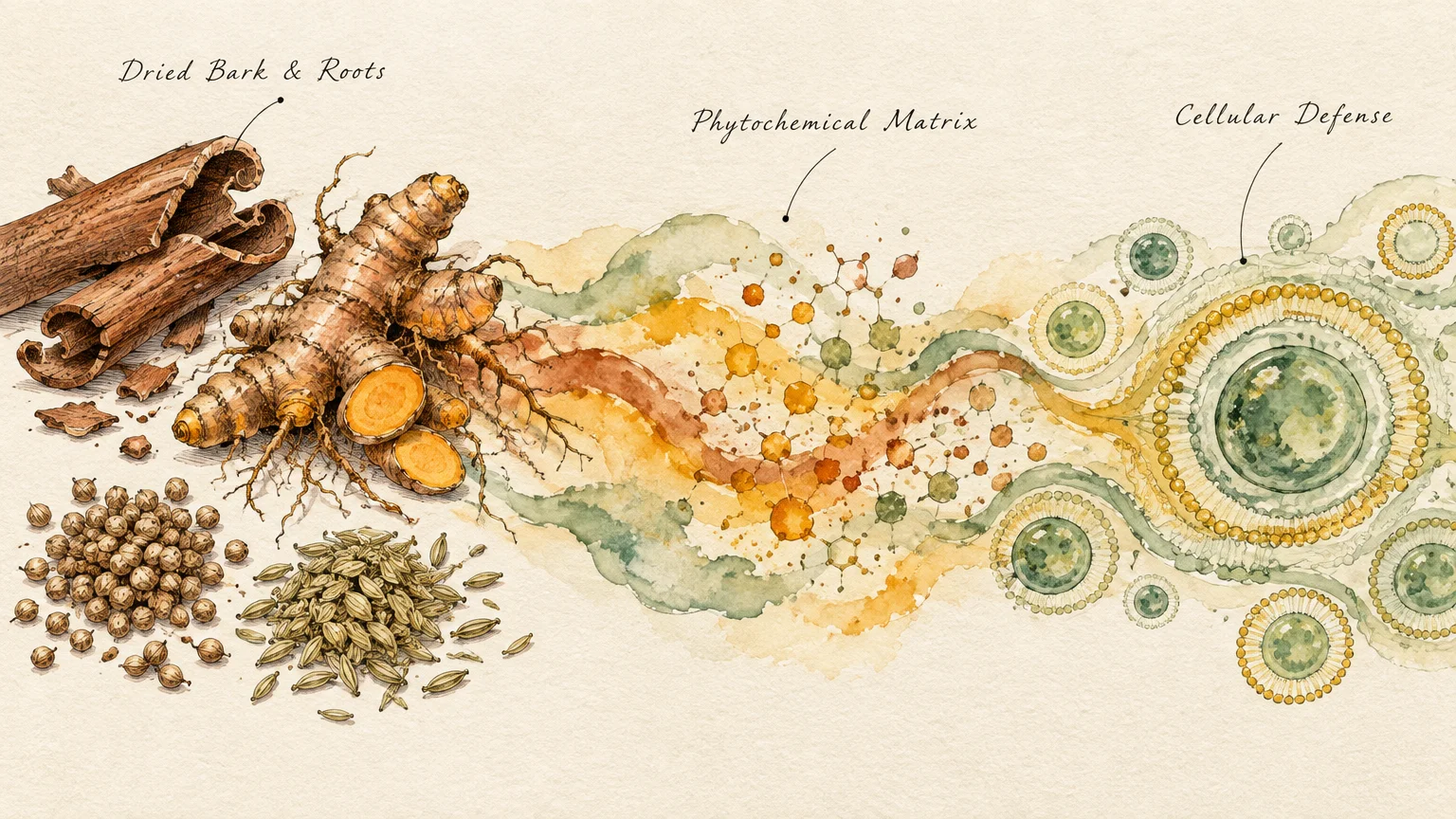
Culinary spices originate from the dried seeds, bark, roots, and fruits of aromatic plants. They serve as concentrated sources of bioactive phytochemicals that plants produce for natural self-defense.
When you consume these substances, they interact directly with human cellular pathways. They suppress destructive inflammatory enzymes and neutralize unstable free radicals that accelerate physical decline.
Chronic, low-grade inflammation often underlies cardiovascular disease, metabolic syndrome, and cognitive decline. Nutrition experts emphasize using whole-food botanicals to modulate these biological pathways naturally.
Spices deliver therapeutic compounds without adding unwanted calories, sodium, or refined sugars. They allow you to reduce dietary salt while elevating the sensory appeal of your daily meals.
Unlike synthetic isolates, whole spices contain complex matrices of cofactors that work synergistically. This biochemical harmony allows your body to assimilate nutrients efficiently without overwhelming internal pathways.
Key Considerations for Older Adults
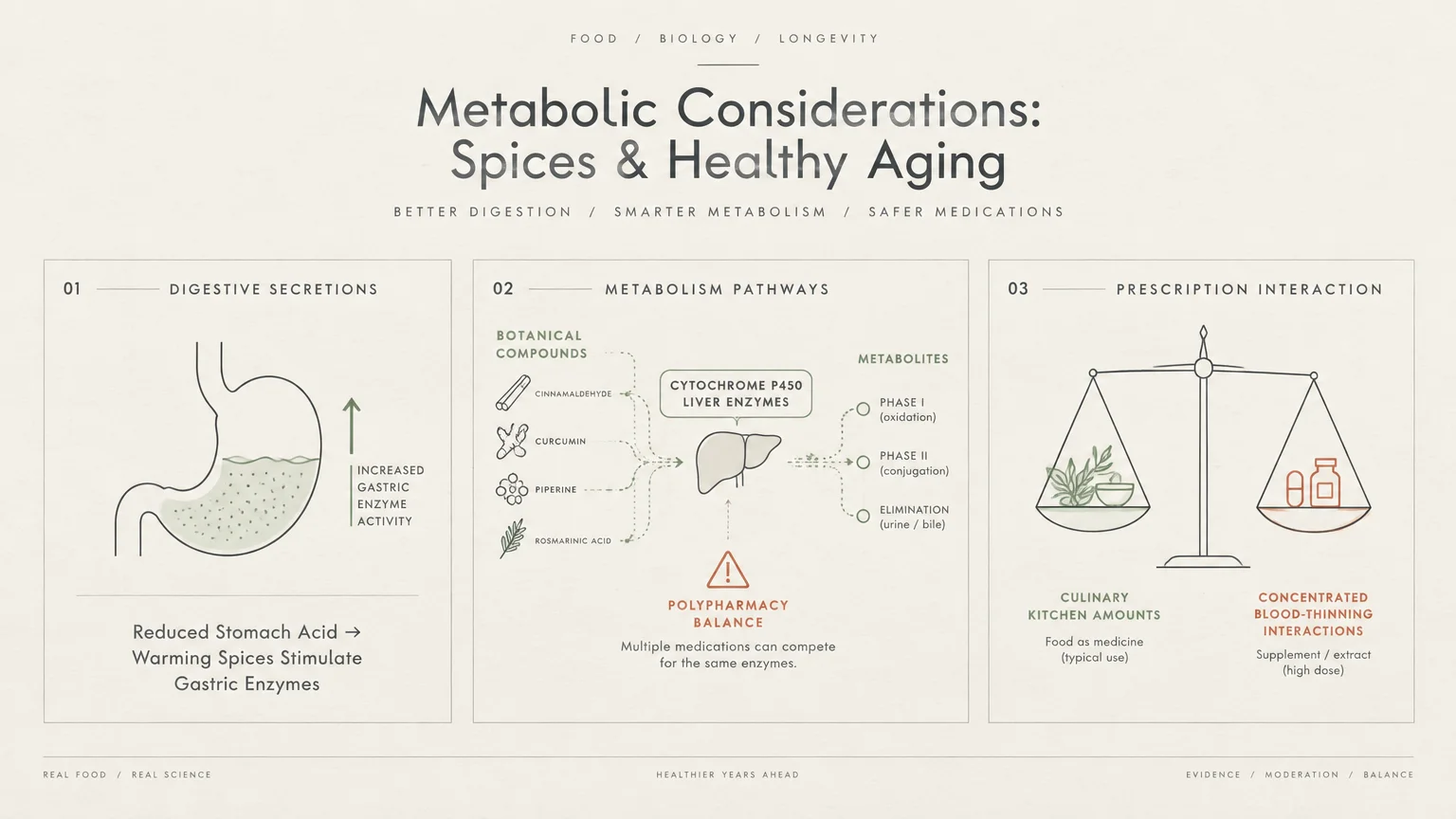
Aging alters your physiology, from digestive enzyme production to vascular elasticity and kidney filtration. These natural shifts influence how efficiently your body metabolizes botanical compounds.
Reduced stomach acid can impair nutrient extraction from standard foods as you age. Certain warming spices stimulate gastric secretions and digestive enzymes, which promotes smoother gastrointestinal transit.
Polypharmacy—taking multiple daily prescription medications—is common among older adults. Concentrated botanicals can alter drug absorption or liver metabolism enzymes like cytochrome P450.
Blood-thinning medications require particular vigilance when you explore therapeutic spices. You must understand which spices act gently in cooking versus those that interact with anticoagulants.
Sensory changes also affect mature adults, as taste buds naturally lose sensitivity over the decades. Strategic seasoning renews culinary pleasure, helping you maintain healthy caloric intake without pouring extra salt.
Ten Spices That Deliver Powerful Health Benefits
1. Turmeric: The Golden Anti-Inflammatory Root
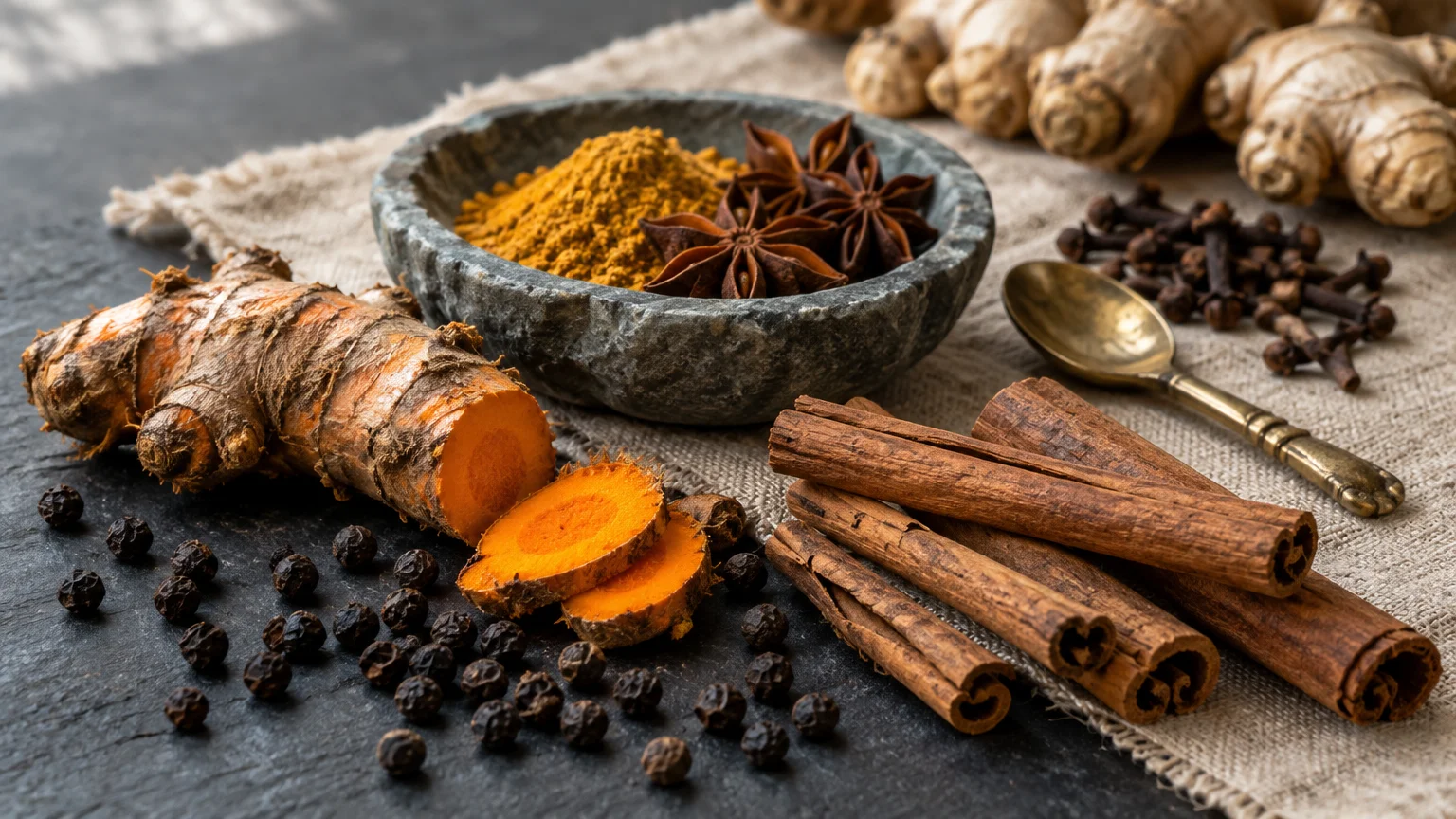
Turmeric has sustained traditional healing systems for centuries thanks to curcumin, its premier active polyphenol. Curcumin interrupts inflammatory signaling cascades, which helps reduce persistent joint stiffness.
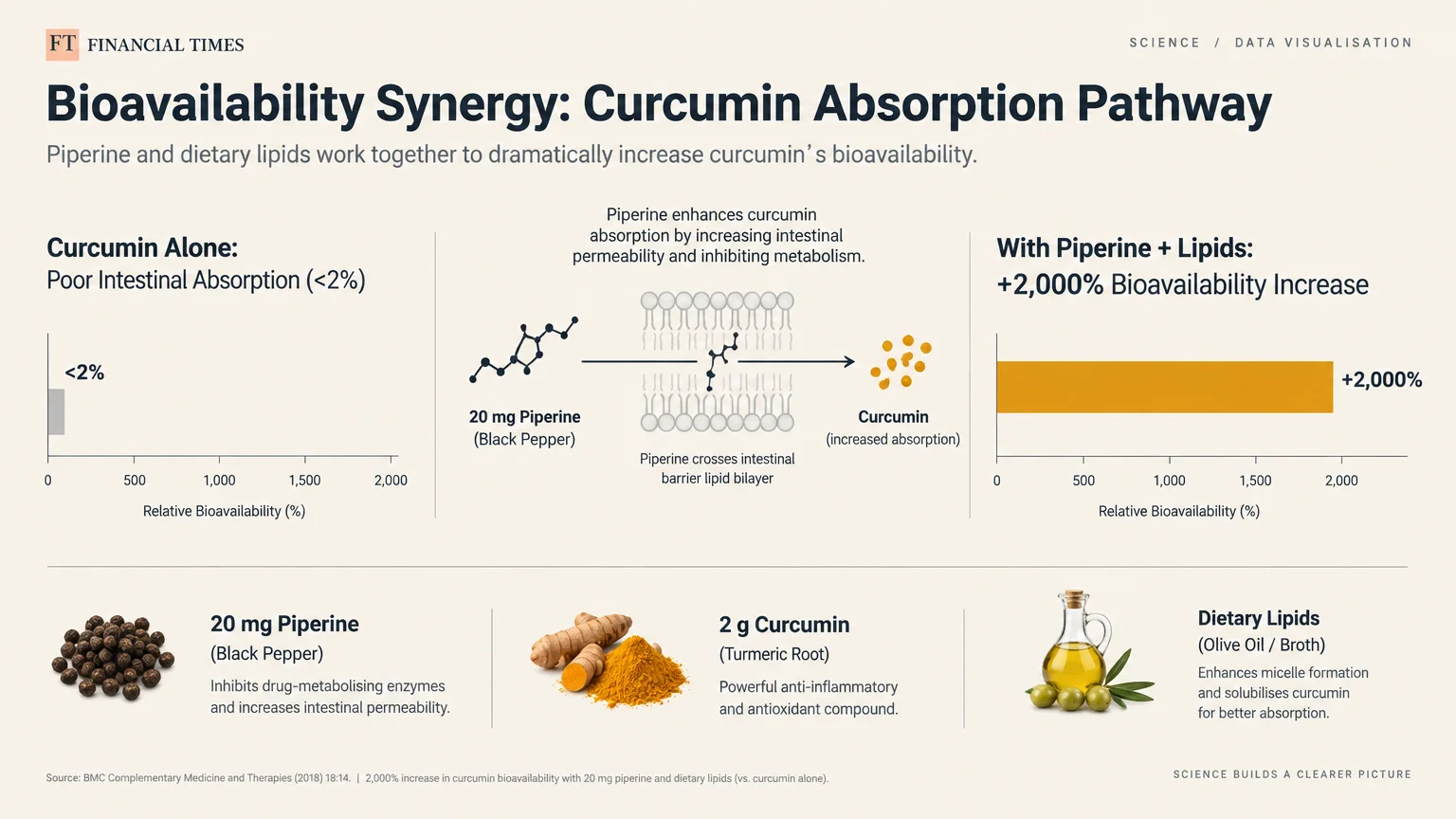
Human intestines absorb raw curcumin poorly, excreting most of it before it reaches systemic circulation. You can overcome this limitation by pairing turmeric with freshly ground black pepper.
Clinical pharmacokinetic research shows that co-administering 20 milligrams of piperine with 2 grams of curcumin increases human bioavailability by 2,000 percent.
Stir turmeric into warm olive oil, bone broths, or roasted vegetables to maximize absorption. Its fat-soluble nature requires dietary lipids to cross your intestinal barrier efficiently.
2. Ceylon Cinnamon: Metabolic and Glucose Support
Cinnamon enhances cellular sensitivity to insulin, allowing glucose to enter cells more readily. This botanical helps prevent sharp blood sugar spikes following carbohydrate-heavy meals.
Meta-analyses reveal that daily intake of 1 to 6 grams of cinnamon for 4 to 18 weeks reduces fasting plasma glucose by 10 to 29 percent.
This equates to an average fasting glucose reduction of 24 mg/dL in individuals managing type 2 diabetes.
You must distinguish between standard Cassia cinnamon and Ceylon cinnamon, often labeled “true cinnamon.” Cassia contains coumarin, a compound toxic to liver tissue in sustained high amounts.
The European Food Safety Authority set the tolerable daily intake of coumarin at 0.1 mg per kilogram of body weight. Choose Ceylon varieties to stay well below this threshold.
In March 2024, the U.S. Food and Drug Administration alerted consumers to elevated lead levels in several discount ground cinnamon brands. Purchase verified, high-grade spices from reputable distributors.
3. Ginger: Gastrointestinal Comfort and Joint Relief
Ginger contains pungent gingerols and shogaols, which relax gastrointestinal muscles and accelerate gastric emptying. This mechanism relieves chronic nausea, uncomfortable fullness, and indigestion.
Systematic clinical reviews confirm that daily dosages between 1,000 mg and 1,500 mg of ginger powder provide significant nausea relief. Keep total supplemental intake below 4 grams daily.
Beyond digestive comfort, ginger inhibits cyclooxygenase pathways, functioning much like mild nonsteroidal anti-inflammatory drugs. Regular consumption can ease morning stiffness in arthritic knees and hips.
Grate fresh ginger root directly into boiling water for a soothing tea, or add minced ginger to vegetable stir-fries.
4. Black Pepper: The Bioavailability Enhancer
Black pepper does far more than provide table seasoning; its active alkaloid, piperine, alters nutrient transport. Piperine inhibits metabolic breakdown enzymes in your liver and intestinal wall.
This mechanism permits therapeutic compounds like curcumin, beta-carotene, and selenium to enter your bloodstream at significantly higher concentrations.
Piperine also stimulates hydrochloric acid secretion in your stomach, promoting complete protein breakdown and nutrient assimilation. Poor protein digestion often troubles aging digestive tracts.
Grinding whole peppercorns directly onto food ensures delicate essential oils remain intact. Pre-ground pepper kept in open shakers loses its volatile bioactive qualities quickly.
5. Garlic: Cardiovascular and Arterial Protection
Garlic yields allicin when crushed or chopped, a sulfur molecule that relaxes vascular smooth muscle. This vasodilatory action gently lowers systemic arterial pressure in hypertensive adults.
Regular culinary garlic consumption helps balance lipid profiles by modestly decreasing total cholesterol and low-density lipoprotein levels. It also exhibits mild antiplatelet activity, preventing dangerous clot aggregation.
To maximize allicin synthesis, crush raw garlic cloves and allow them to rest for ten minutes before applying cooking heat.
This brief resting window allows alliinase enzymes to generate therapeutic compounds before heat degrades them. Stir minced garlic into warm broths, tomato sauces, or olive oil dressings.
6. Cayenne Pepper: Natural Pain Relief and Circulation
Cayenne peppers derive their pungent heat from capsaicin, a unique molecule that modulates pain signaling. Capsaicin depletes substance P, an essential neurotransmitter responsible for relaying pain signals to your brain.
The federal drug agency approves topical capsaicin at 0.025% to 0.075% concentrations for over-the-counter arthritis relief, alongside prescription 8% patches for severe neuropathic discomfort.
Consuming cayenne orally stimulates peripheral circulation and temporarily boosts metabolic rate. Start with pinch-sized quantities in soups to avoid irritating delicate esophageal tissues.
Always wash your hands thoroughly after handling chili powders to prevent accidental contact with sensitive eye tissues.
7. Rosemary: Cognitive Preservation and Memory Support
Rosemary houses carnosic acid and rosmarinic acid, two polyphenols that cross the blood-brain barrier. These compounds guard neural tissue against oxidative injury and amyloid aggregation.
Clinical investigations associate rosemary aroma and culinary ingestion with improved cognitive processing speed in aging adults. It inhibits acetylcholinesterase, an enzyme that degrades neurotransmitters vital for memory retention.
Strip fresh rosemary leaves into roasted potatoes, poultry dishes, or olive oil infusions to infuse meals with brain-supportive antioxidants.
Rosemary extracts also help protect cooking oils against heat-induced oxidation during roasting. This protective culinary property reduces your intake of oxidized dietary fats.
8. Clove: Concentrated Antioxidant Power
Cloves rank among the highest antioxidant foods ever evaluated, boasting extraordinary oxygen radical absorbance capacity scores. Their primary constituent, eugenol, functions as a potent antimicrobial and analgesic agent.
Eugenol protects vascular endothelial linings by inhibiting lipid peroxidation and cellular inflammation. Dentists have long relied on clove extracts to suppress oral pathogens and alleviate gum inflammation.
Add a pinch of ground clove to warm oatmeal, stewed apples, or lentil stews. A tiny amount provides immense free-radical protection.
Clove oil also inhibits the overgrowth of unwanted intestinal yeasts while preserving beneficial flora. Using it sparingly in savory marinades brings deep, rich complexity to everyday dinners.
9. Cardamom: Blood Pressure and Oral Defense
Cardamom, a member of the ginger family, possesses natural diuretic properties that encourage fluid excretion. This action helps relieve vascular tension, supporting healthy systolic and diastolic blood pressure levels.
Its essential oils suppress common oral bacteria responsible for periodontal infections and breath odors. Cardamom also relaxes airway muscles, which can aid respiratory comfort in older adults.
Crush whole green cardamom pods into morning coffee, hot tea, or brown rice for a fragrant citrus-pine essence.
Cardamom compounds also stimulate bile flow, which assists your liver and gallbladder in digesting dietary fats smoothly.
10. Cumin: Digestive Mastery and Glycemic Control
Cumin seeds contain cuminaldehyde and thymoquinone, compounds that stimulate digestive enzymes in your pancreas and liver. This accelerates digestion, preventing post-meal bloating and intestinal gas.
Clinical studies reveal that daily cumin intake enhances glycemic stability and aids weight management in metabolic syndrome. It also provides a concentrated dietary source of non-heme iron for red blood cell health.
Toast whole cumin seeds lightly in a dry skillet before grinding to unlock their warm, earthy flavor profiles.
Add ground cumin to bean stews, roasted carrots, and poultry rubs to improve both flavor and digestive comfort.
Benefits and Potential Risks for Older Adults
Incorporating culinary spices provides unmatched systemic protection without introducing the harmful additives found in processed foods. You gain robust antioxidant defense, better glycemic control, and enhanced flavor profiles.
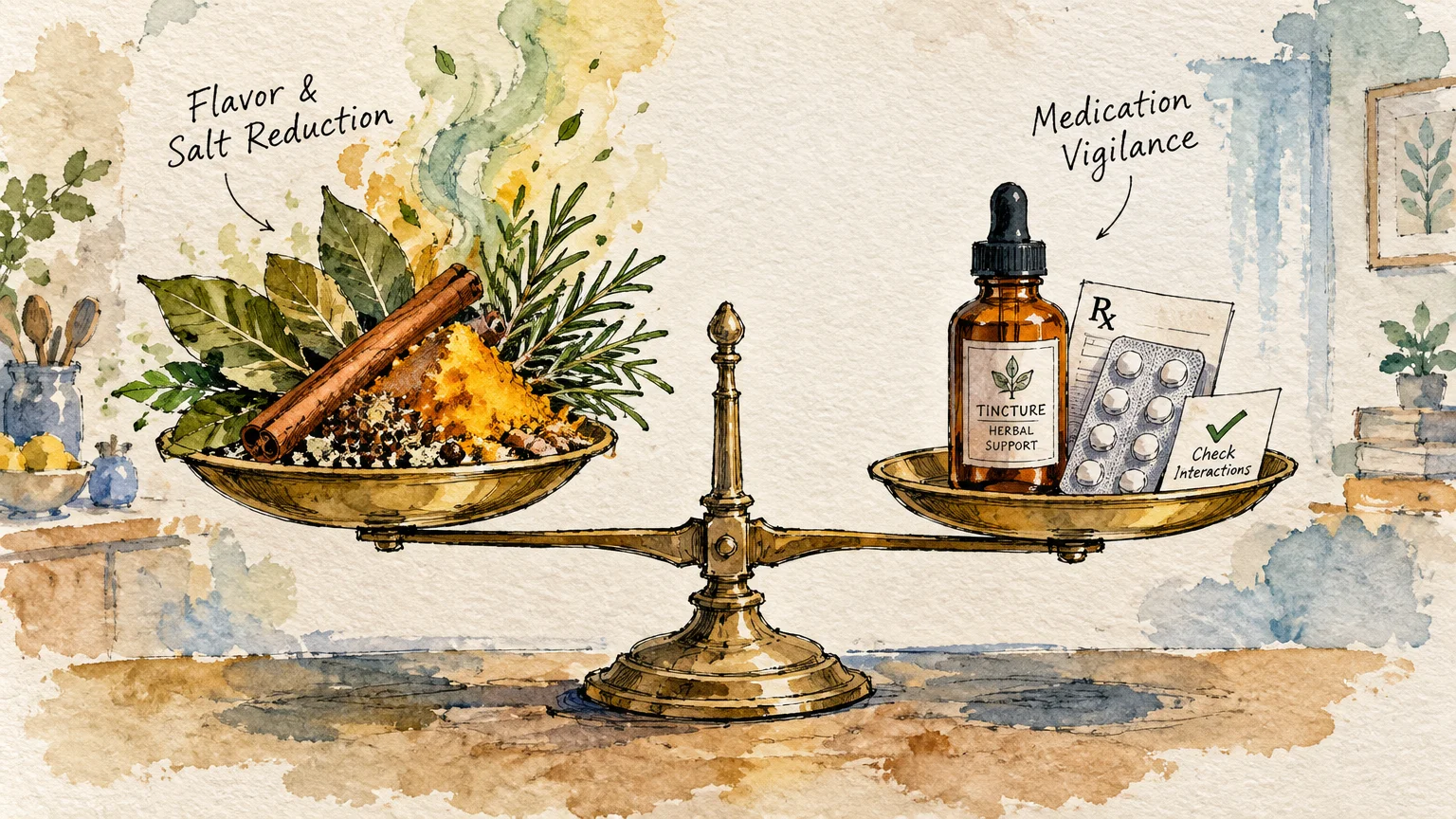
However, higher doses do not always produce superior outcomes; safety depends on proper moderation. Therapeutic benefits exist at culinary levels, whereas high-dose concentrated supplements carry distinct medical risks.
Concentrated extracts of garlic, ginger, and turmeric exert mild anticoagulant effects. Combining high-dose botanical supplements with prescription blood thinners like warfarin can elevate internal bleeding hazards.
Furthermore, aggressive intake of spicy compounds like cayenne can aggravate gastroesophageal reflux disease or gastritis. Older adults should listen to their bodies and introduce vibrant spices progressively.
Heavy metal contamination represents another modern concern, as demonstrated by recent federal warnings regarding unverified ground spices. Sourcing laboratory-tested spices from reputable brands guarantees therapeutic purity.
Culinary quantities used in regular recipes rarely cause complications for healthy seniors. Problems primarily emerge when individuals take high-potency capsules without physician oversight.
What the Experts Say About Spices and Health
Leading research institutions, including the National Institutes of Health, actively study botanical compounds for chronic disease management. Evidence consistently validates that whole spices yield synergistic health effects across multiple bodily systems.
Clinicians at the Mayo Clinic emphasize that spices should complement, rather than replace, validated medical therapies. They recommend using culinary spices as practical tools to reduce sodium intake.
The Centers for Disease Control and Prevention highlights that excessive sodium elevates cardiovascular risk among seniors. Replacing table salt with rich botanical seasonings helps normalize vascular pressure naturally.
International health experts at the World Health Organization advocate for nutrient-dense, plant-forward diets. Integrating traditional spices into everyday meals aligns seamlessly with evidence-based global nutrition recommendations.
Practical Steps and Actionable Advice
Start by evaluating your spice cabinet for freshness and quality. Ground spices lose their volatile therapeutic oils after six to twelve months of storage.
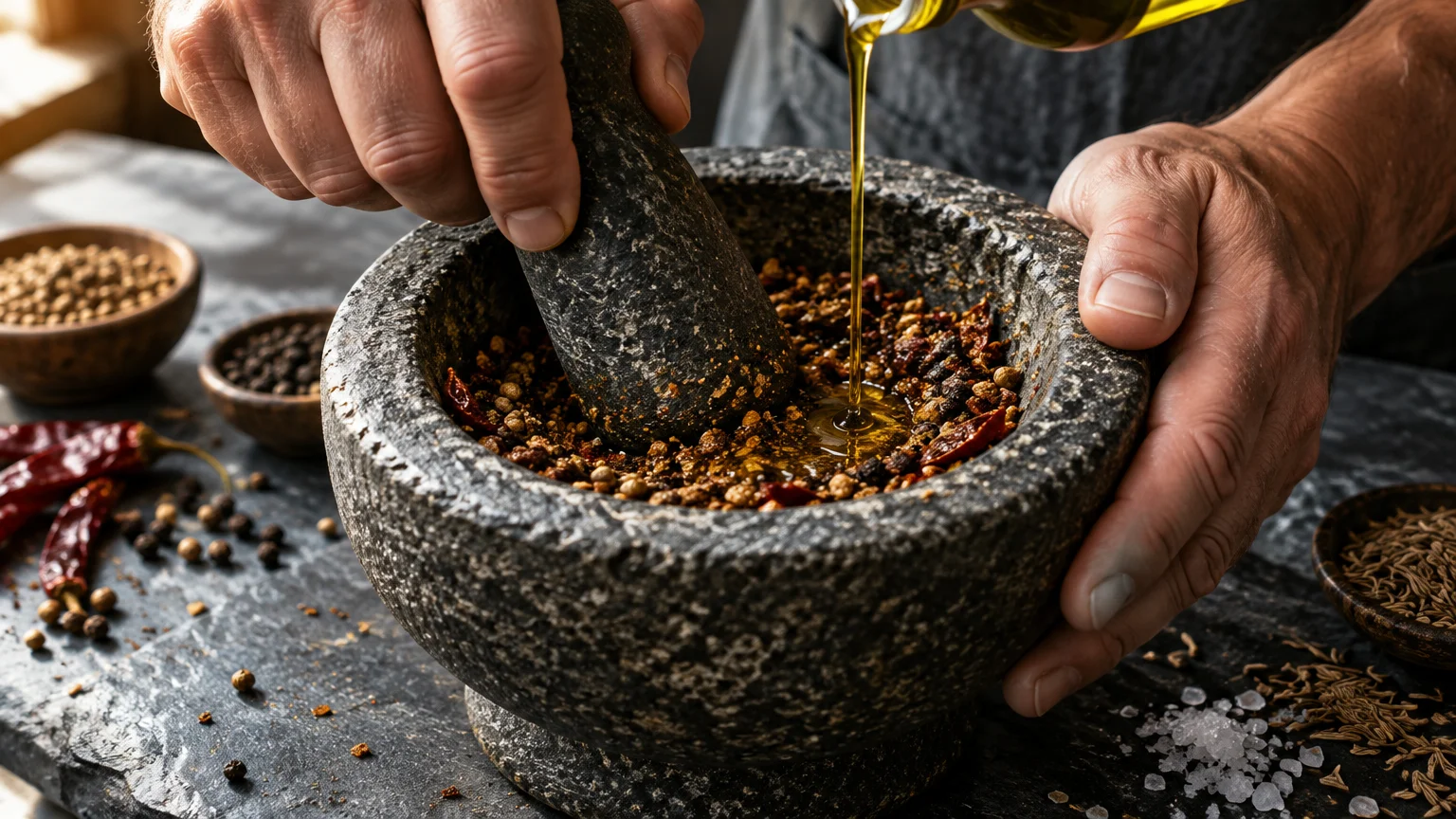
Replace stale seasonings with whole spices whenever possible, grinding them with a mortar or inexpensive spice grinder. Whole seeds retain their therapeutic bioactives for up to three years.
Pair fat-soluble botanicals with wholesome dietary lipids to maximize cellular assimilation. Cook turmeric, rosemary, and black pepper directly into extra virgin olive oil or avocado oil.
Maintain an open dialogue with your primary care physician and pharmacist regarding botanical intake. Bring a comprehensive list of any concentrated spice extracts you ingest in pill form.
Establish gradual culinary habits rather than overhauling your meals overnight. Add small pinches of Ceylon cinnamon to your morning oats or yogurt.
Frequently Asked Questions
Can spices replace my prescription medications?
No, spices should never substitute for prescription pharmaceuticals prescribed by your physician. They serve as valuable complementary tools that support overall metabolic and cardiovascular wellness.
Abruptly stopping prescription medications can trigger severe health crises. Always discuss any planned lifestyle or dietary modifications with your medical team.
How do I know if my cinnamon is Ceylon or Cassia?
Cassia cinnamon features dark brown, thick, hard bark curls with a strong, spicy aroma. Ceylon cinnamon displays tan, paper-thin, layered rolls that crumble easily and offer a mild sweetness.
Product packaging should explicitly state Ceylon cinnamon or Cinnamomum verum. If the label merely lists cinnamon, you are almost certainly purchasing common Cassia.
Is fresh ginger better than ground ginger powder?
Both forms offer distinct, clinically validated therapeutic benefits. Fresh ginger contains abundant gingerol, which provides exceptional relief for acute gastrointestinal distress and nausea.
Dried ground ginger contains higher concentrations of shogaols, which deliver potent systemic anti-inflammatory effects. Using both varieties provides comprehensive wellness support.
Are spice supplements safer than culinary spices?
Whole culinary spices integrated into home cooking are generally much safer than manufactured supplements. Culinary use exposes your body to physiological, well-tolerated quantities of bioactive nutrients.
Dietary supplements pack mega-doses that can strain liver pathways or trigger adverse pharmaceutical interactions. Consult your doctor before starting concentrated botanical capsules.
Will eating spicy foods damage my stomach lining?
Culinary spices do not cause peptic ulcers; bacterial infections and nonsteroidal pain relievers cause them. However, pungent spices like cayenne can irritate preexisting ulcers or acid reflux.
If you experience heartburn or burning discomfort, lower your seasoning intensity immediately. Mild botanicals like turmeric, ginger, and cardamom offer gentle alternatives.
Empowering Your Daily Wellness Journey
Your kitchen pantry holds an extraordinary pharmacy of natural compounds waiting to support your vitality. Simple culinary spices turn daily meals into proactive health interventions.
By selecting premium botanicals and combining them thoughtfully, you nourish your cardiovascular, digestive, and neurological systems. Every meal offers a fresh opportunity to invest in your longevity.
Embrace the sensory pleasures of aroma and taste while protecting your aging body from within. Healthy aging can taste delicious, vibrant, and deeply satisfying.
Medical Disclaimer
This article is intended for informational and educational purposes only and is not a substitute for professional medical advice, diagnosis, or treatment. Always consult with a qualified healthcare provider regarding any health concerns or before making any decisions related to your health or treatment.