A restorative night of sleep protects your cardiovascular health, stabilizes your balance, and sharpens cognitive function as you age. Choosing the right sleep surface can instantly relieve stubborn joint pain and revitalize your physical vitality.
However, sleeping on a worn or poorly constructed mattress places unnatural stress on your spine and worsens morning stiffness. It can also disrupt your natural sleep architecture and drain your daytime energy.
Investing in your sleep environment is one of the most effective preventive health decisions you can make. This comprehensive mattress buying health tips guide shows you how to protect your body and sleep soundly.
Understanding the Basics of Mattress and Sleep Health
Your mattress is not merely bedroom furniture; it is an essential therapeutic tool for daily recovery. During sleep, your muscles relax, your tissues repair themselves, and your brain clears metabolic waste.
If your bed fails to support your skeletal structure, your body remains tense throughout the night. This persistent muscular tension prevents you from entering the deeper, restorative stages of slumber.
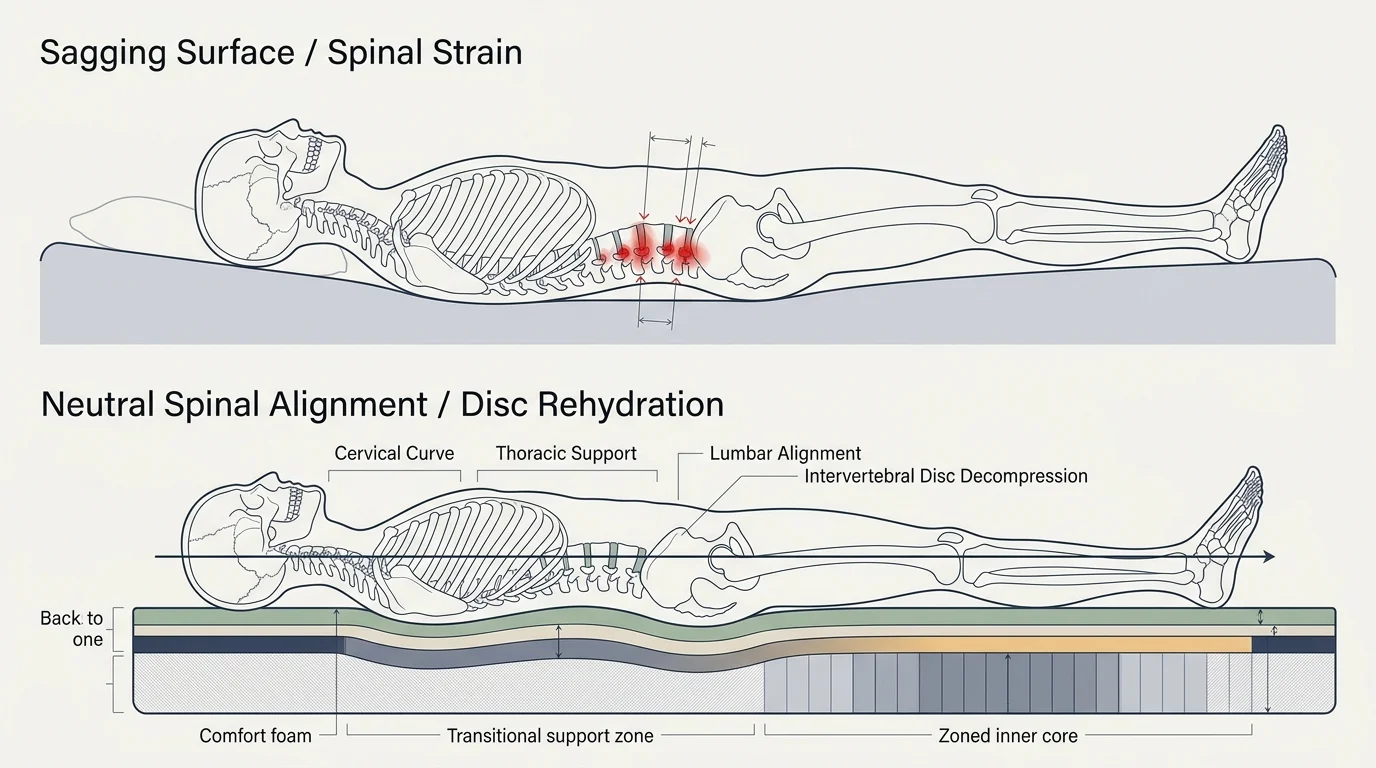
A quality sleep surface maintains neutral spinal alignment and distributes body weight evenly across your frame. This balance prevents focal pressure points from compressing your blood vessels and pinching sensitive peripheral nerves.
Proper resting posture allows your spinal ligaments and intervertebral discs to rehydrate naturally after daytime upright compression. Selecting the best mattress for health directly reinforces your daytime balance and physical independence.

Key Health Considerations for Older Adults
Aging naturally alters your musculoskeletal structure and the resilient composition of your body tissues. Over time, spinal discs lose hydration and bone density decreases, making your back far more vulnerable to strain.
Older adults frequently experience thinning skin, which significantly reduces natural cushioning over bony prominences. Sleeping on an unyielding surface can quickly irritate vulnerable pressure points like hips, shoulders, and sacral joints.
Mobility challenges also evolve with age, making turning over or getting out of bed more demanding. A bed with poor edge support or excessive sinkage can compromise your balance and increase dangerous fall risks.
Furthermore, chronic conditions such as osteoarthritis, lumbar spinal stenosis, and neuropathy become increasingly common after sixty. Choosing a mattress guide tailored to seniors helps you find an ideal equilibrium between cushioning and support.

10 Health Factors to Consider When Mattress Shopping
1. Spinal Alignment and Clinical Firmness
Historical folklore suggested that individuals with back pain should sleep on an extraordinarily hard surface. Modern clinical research has thoroughly debunked that outdated recommendation.
In a landmark clinical trial published in The Lancet, Dr. Kovacs and his team studied 313 adults with chronic low back pain. Patients assigned to medium-firm mattresses were more than twice as likely to report significant pain relief.
Specifically, those sleeping on medium-firm beds demonstrated an odds ratio of 2.36 for reduced back discomfort. Medium-firm surfaces cradle your shoulders and hips while keeping your spine properly aligned.
2. Targeted Pressure Relief for Aching Joints
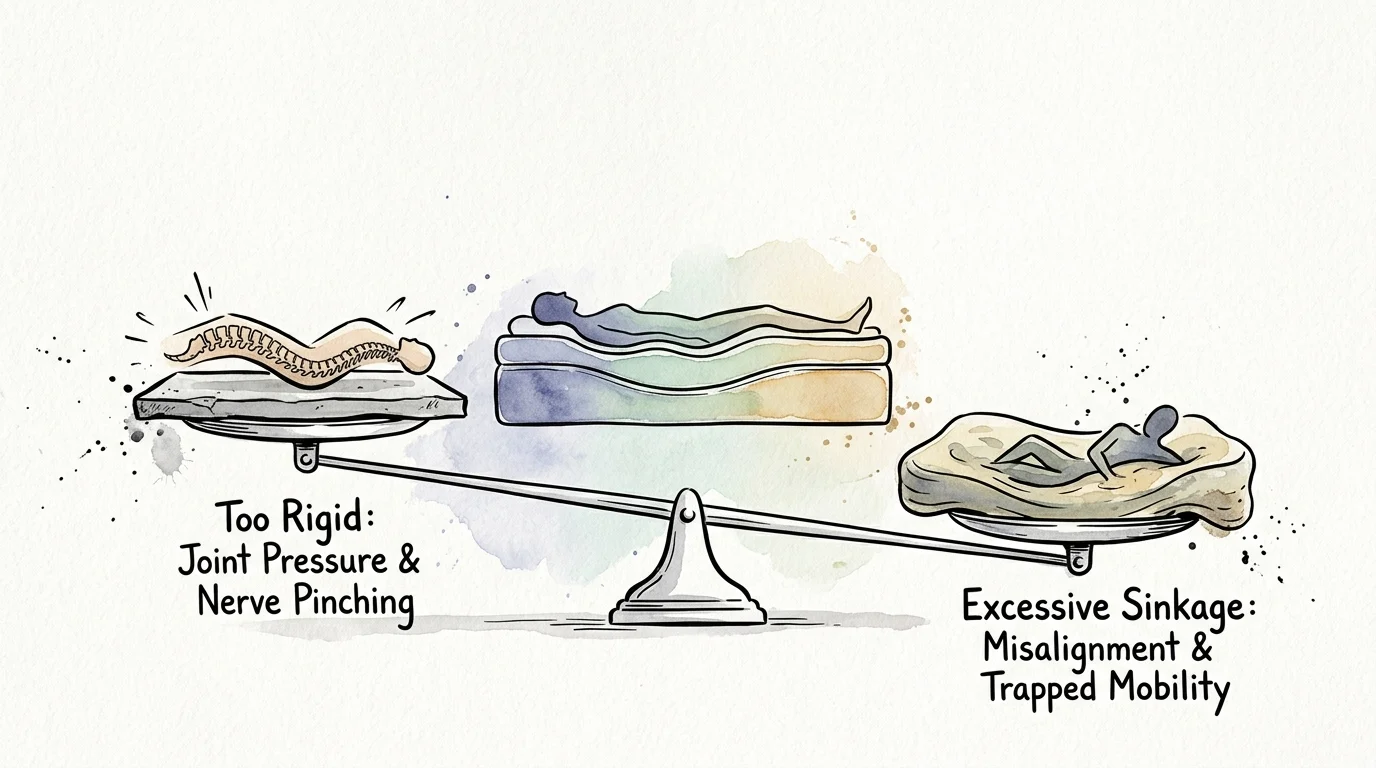
Persistent joint friction can turn every night into an exhausting struggle against physical discomfort. When you rest on an unyielding surface, your body weight concentrates intensely on your hips and shoulders.
This localized pressure restricts capillary blood flow, prompting painful numbness and tingling sensations in your extremities. Your brain responds by forcing you to toss and turn, repeatedly breaking your natural sleep cycle.
High-density memory foam and natural latex adapt gracefully to your body curves, distributing pressure across a broader surface. This buoyant contouring calms inflamed joints and allows sensitive cartilage to recover overnight.
3. Robust Edge Support and Transfer Safety
Bed mobility is a vital safety factor that many shoppers overlook during their search. Sturdy perimeter support provides a stable, secure platform when you sit on the mattress edge to put on shoes.
Weak or collapsing mattress borders can cause you to slip or lose balance when transferring out of bed. For older adults with knee instability, robust perimeter coils are indispensable for home injury prevention.
Look for mattresses reinforced with high-density foam encasements or extra-firm perimeter coils along the outer boundary. This structural reinforcement prevents edge sagging and significantly expands your usable sleeping surface.
4. Chemical Off-Gassing and Indoor Air Quality
New synthetic bedding products often emit strong, unpleasant chemical odors when first unwrapped. This phenomenon, known as off-gassing, occurs when synthetic polyurethane foams release volatile organic compounds into your bedroom.
Inhaling concentrated volatile organic compounds can trigger eye irritation, persistent morning headaches, and acute respiratory distress. Older adults with asthma or chronic pulmonary conditions are exceptionally sensitive to these airborne chemical irritants.
To protect your respiratory health, prioritize mattresses certified under the CertiPUR-US testing program. This standard ensures volatile organic compound emissions remain strictly below 0.5 parts per million.
The certification also verifies that foams contain no formaldehyde, heavy metals, ozone depleters, or PBDE flame retardants. Sleeping on verified low-emission materials protects your indoor air quality during every breath.
5. Fire Barrier Safety and Fiberglass Risks
Under federal regulations 16 CFR Part 1633 and Part 1632, every commercial mattress must resist ignition from open flames. To meet this flammability standard cheaply, some manufacturers weave glass fibers into their inner protective socks.
If a zipper breaks or the exterior cover tears, microscopic fiberglass shards can escape into your living space. Airborne glass fibers can cause severe contact dermatitis, persistent coughing, eye trauma, and lingering environmental contamination.
Under California law AB 1059, fiberglass in mattress fire barriers is prohibited effective January 1, 2027. Always confirm that your mattress uses safe natural wool, rayon, or hydrated silica barriers instead.
6. Active Temperature Regulation and Breathability
Your core body temperature must drop naturally by one to two degrees Fahrenheit to facilitate deep sleep. Dense traditional foams often trap radiated body heat, creating an uncomfortably warm microclimate beneath your covers.
Nighttime overheating leads to excessive sweating, frequent micro-arousals, and reduced deep slow-wave sleep. Medications for hypertension, thyroid conditions, and hormone imbalances can further disrupt your body temperature control.
Choose mattresses engineered with breathable open-cell latex, ventilated pocketed coils, or moisture-wicking organic wool covers. Hybrid constructions maximize continuous interior airflow, sweeping excess heat away from your skin throughout the night.
7. Certified Organic Materials and Hypoallergenic Fibers
If you suffer from chronic skin allergies or respiratory sensitivity, mattress material transparency is paramount. Synthetic blends and chemical treatments can provoke persistent allergic flare-ups while you rest.
The Global Organic Textile Standard requires at least 95 percent certified organic fibers for an organic label. Similarly, the Global Organic Latex Standard guarantees a minimum of 95 percent certified organic raw latex.
Botanical latex resists dust mites, mildew, and common fungal spores without requiring added chemical antimicrobial washes. Investing in certified organic materials significantly lowers your exposure to common household allergens.
8. Motion Isolation for Uninterrupted Rest
Sharing your bed with an active partner or a restless pet can severely disrupt your sleep patterns. Whenever your partner turns over, mechanical vibrations can ripple across a traditional connected innerspring mattress.
These kinetic shockwaves cause sudden awakenings that prematurely terminate deep sleep cycles. Fragmented sleep impairs daytime cognitive function, weakens cardiovascular health, and compromises metabolic balance over time.
Mattresses engineered with individually wrapped pocketed coils or dense contouring foam absorb localized movement at the point of impact. High motion isolation guarantees that your partner’s nocturnal adjustments will never disturb your sleep.
9. Total Bed Height and Safe Accessibility
The vertical distance from your bedroom floor to the top of your mattress directly affects your joint mechanics. A sleep surface that sits too low strains compromised knees and hips during standing transfers.
Conversely, a bed that is excessively high requires you to jump or hoist your frame awkwardly upward. This precarious movement creates dangerous balance instabilities that significantly increase your risk of accidental falls.
An ideal combined bed height typically measures between 18 and 24 inches from the floor. When seated comfortably on the mattress edge, your feet should rest flat with your knees bent at a ninety-degree angle.
10. Structural Lifespan and Hygienic Degradation
Even premium sleep surfaces lose their structural resilience and supportive integrity as time passes. Over years of nightly use, foams soften unevenly and internal steel springs gradually lose their upward tension.
The National Sleep Foundation advises replacing standard innerspring and foam mattresses every seven to ten years. Beyond structural sagging, older mattresses accumulate dead skin cells, bodily oils, and dense dust mite populations.
Sleeping on an expired mattress exposes your lungs to allergens while subtly throwing your spinal vertebrae out of alignment. Inspecting your sleep surface for visible indentations is an essential preventive health maintenance habit.
Benefits and Potential Risks to Weigh
Selecting an ergonomically sound mattress delivers immediate therapeutic benefits for your body and mind. High-quality support alleviates chronic morning back stiffness, stimulates lymphatic drainage, and promotes uninterrupted deep restorative sleep.
Moreover, consistent restorative sleep reduces systemic inflammation and supports healthy cardiovascular function as you advance in age. Waking up fully rested enhances balance, sharpening your motor reflexes and preventing dangerous daytime falls.
However, purchasing the wrong mattress introduces serious physical and environmental health risks that warrant careful caution. A bed that is too soft allows your lumbar spine to bow inward, exacerbating painful sciatica flare-ups.
Poorly constructed budget mattresses may also expose your home environment to irritating fiberglass particles and hazardous airborne emissions. Balancing your ergonomic comfort against material purity ensures you reap the greatest physical benefits without unnecessary compromises.

What the Medical Experts Say About Sleep Surfaces
Leading health authorities emphasize that high-quality sleep is just as foundational to wellness as regular exercise and balanced nutrition. The National Institutes of Health stresses that chronic sleep deprivation impairs immune defenses and memory consolidation.
Clinicians at the Mayo Clinic confirm that supportive sleep surfaces help manage degenerative spinal conditions and chronic joint inflammation. They recommend choosing a mattress that supports your body’s natural curvature without creating excessive mechanical pressure.
Public health guidelines from the Centers for Disease Control and Prevention highlight healthy sleep as vital for maintaining stable blood pressure. Chronic musculoskeletal pain from an unsupportive bed directly undermines your long-term cardiovascular well-being.
Furthermore, the World Health Organization recognizes environmental indoor air quality as a core determinant of human health. Health experts universally urge consumers to select sleeping surfaces made from thoroughly vetted, non-toxic materials.
Practical Steps and Actionable Shopping Advice
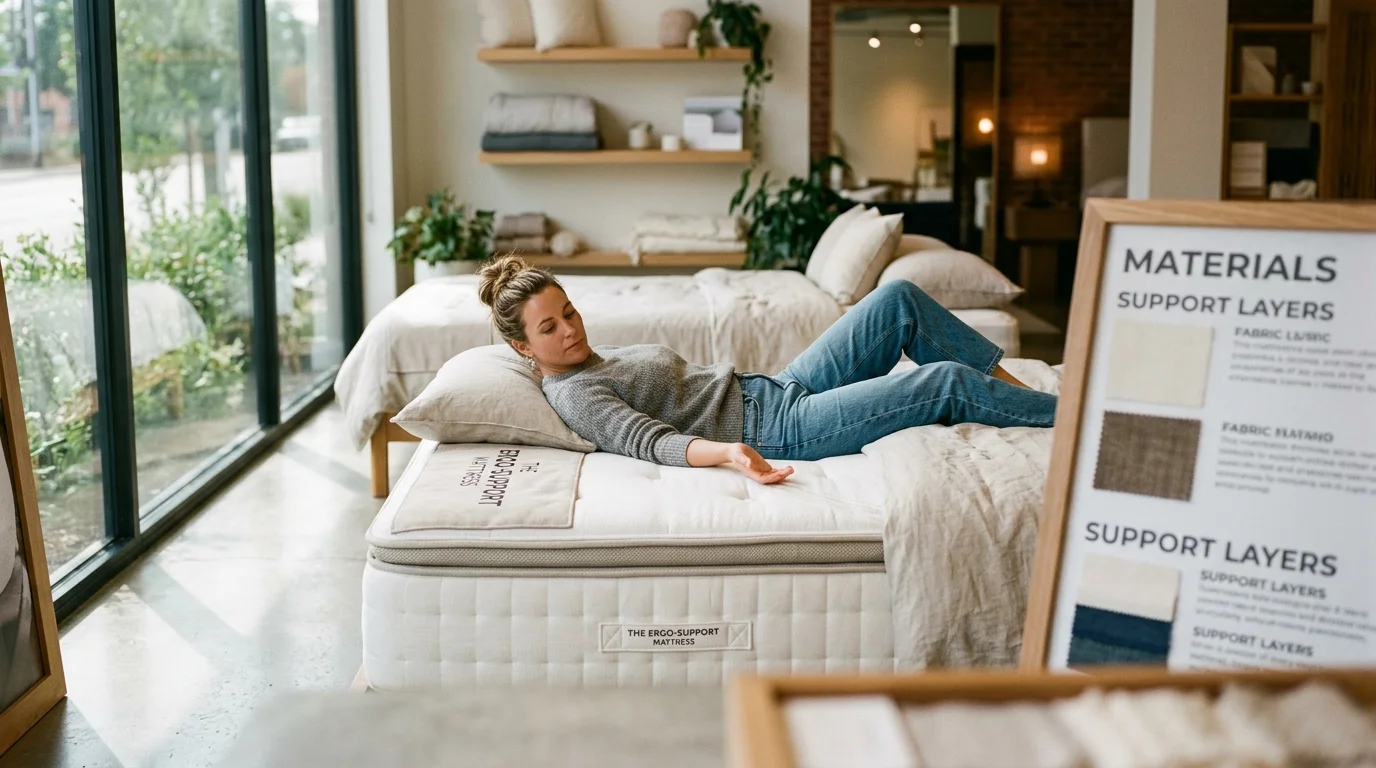
Begin your mattress search by evaluating your realistic budget against verified health and safety standards. High-grade queen mattresses featuring certified low-emission foams and pocketed coils generally cost between $1,000 and $2,000.
If you prefer certified organic botanical latex models carrying GOTS or GOLS documentation, expect investments ranging from $1,800 to over $3,000. Beware of sub-$400 budget beds, which frequently cut corners by utilizing uncertified foams and cheap fiberglass fire barriers.
Always review the official law label sewn onto the mattress before making any final purchasing commitment. This tag lists the exact percentages of internal materials, revealing hidden synthetic fillers or hazardous glass fibers.
Seek out manufacturers that offer a transparent in-home sleep trial lasting at least ninety to one hundred days. Your musculoskeletal framework requires approximately four weeks to adapt completely to a new sleeping surface.
Consult your orthopedic doctor or physical therapist for tailored guidance regarding your specific spinal curvature and joint history. Their professional clinical input will clarify whether your body requires targeted lumbar zones or softer surface contouring.
Frequently Asked Questions
How can I tell if my current mattress is harming my health?
You should inspect your bed for visible indentations greater than one inch or noticeable edge sagging. Waking up with persistent morning joint stiffness or congestion indicates your mattress has lost support and accumulated allergens.
Is memory foam or natural latex better for older adults?
Natural latex offers buoyant resilience, making it significantly easier to turn over in bed without sinking. Memory foam delivers outstanding pressure relief, though denser varieties can restrict movement for older adults with limited joint mobility.
Can a new mattress cure chronic lower back pain?
A supportive mattress cannot cure structural spinal pathologies like disc herniations or severe stenosis. However, sleeping on a medium-firm surface significantly relieves muscle tension, minimizes nocturnal pressure, and alleviates morning stiffness.
Why is fiberglass used in some mattresses, and how can I avoid it?
Budget brands weave inexpensive fiberglass into inner fire socks to satisfy open-flame flammability standards cheaply. You can protect your household by checking law labels and choosing mattresses using wool, rayon, or silica barriers.
How often should I clean and rotate my mattress?
Rotate your mattress head-to-toe every six months to distribute physical wear and prevent premature sagging pockets. Vacuum the surface twice annually and use a breathable, hypoallergenic mattress protector to block dust mites and moisture.
Investing in Restorative Sleep for Long-Term Vitality
Transforming your sleep environment is one of the most powerful steps you can take toward maintaining lifelong independent vitality. When your body enjoys proper ergonomic support, your muscles relax and your joints recuperate efficiently each night.
Prioritizing medium-firm support, certified non-toxic materials, and safe bed accessibility protects your physical safety and indoor air quality. Avoid cheap construction compromises that risk introducing irritating chemical compounds or dangerous fiberglass into your bedroom.
Take full advantage of extended home sleep trials to ensure your chosen surface meets your unique comfort requirements. Empower your daily wellness journey by choosing a sleep surface designed to protect your health for years to come.
This article is intended for informational and educational purposes only and is not a substitute for professional medical advice, diagnosis, or treatment. Always consult with a qualified healthcare provider regarding any health concerns or before making any decisions related to your health or treatment.