
Protect your cognitive longevity and sharpen your daily focus without ever leaving your favorite chair by integrating simple mental exercises into your seated routine. As we advance in age, prioritizing mental fitness becomes just as crucial as maintaining physical mobility for preserving independence and quality of life. You can actively stimulate neural pathways, enhance memory retention, and build cognitive reserve through targeted, seated activities. Whether you are resting after a walk or relaxing in the evening, engaging your mind requires minimal physical effort but delivers substantial neurological rewards. Harnessing neuroplasticity—the ability of your brain to form new connections—is entirely possible from the comfort of your living room.
Understanding the Basics of Seated Cognitive Fitness
Cognitive health refers to your ability to clearly think, learn, and remember. It represents a vital component of your overall well-being, allowing you to manage your daily life, process new information, and maintain a strong sense of identity. Mental fitness works much like physical fitness; it requires consistent resistance and varied exercises to build strength. When you challenge your mind, you encourage your brain to operate more efficiently and resiliently.
The foundation of this resilience lies in a concept called neuroplasticity. For decades, scientists believed that the adult brain was a static organ that slowly degraded over time. Modern neurology proves otherwise. Your brain remains remarkably malleable throughout your entire life. Whenever you learn a new fact, solve a complex puzzle, or practice a novel skill, your neurons fire and wire together, creating entirely new structural pathways.
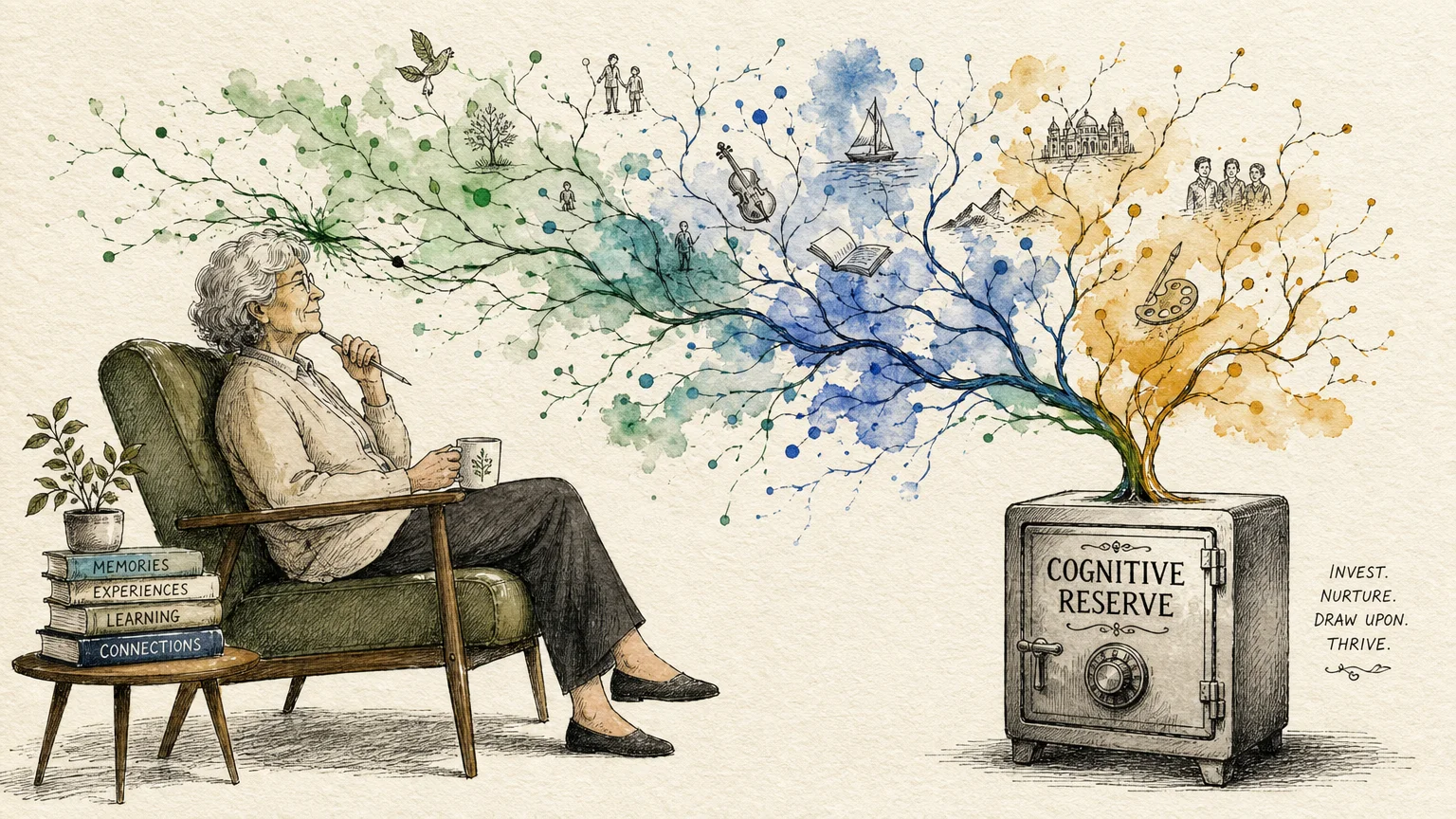
Building a robust network of neural pathways contributes directly to your cognitive reserve. You can think of cognitive reserve as a neurological savings account. When aging or illness attempts to compromise your cognitive function, a brain with a high reserve can recruit alternate pathways to complete necessary tasks. You accumulate this reserve over a lifetime of education and experiences, but you can actively deposit more into this account every single day through deliberate mental exercises.
Performing these exercises while seated provides an accessible, low-impact method for strengthening your mind. Physical limitations, fatigue, or recovery periods do not have to halt your mental conditioning. By intentionally selecting activities that force you to concentrate, recall information, and solve problems from a seated position, you bypass physical barriers and directly target the optimization of your brain matter.
Key Considerations for Seniors
As you navigate your later years, your brain undergoes natural physiological changes. The volume of the brain peaks in your early twenties and gradually shrinks thereafter, particularly in the frontal lobe and hippocampus—areas responsible for executive function and memory formation. Furthermore, communication between neurons can slow down, leading to the familiar sensation of needing an extra moment to recall a name or find the right word. Understanding these changes helps you contextualize why proactive intervention is necessary.
Transitioning into retirement often reduces the daily cognitive load you once experienced in a professional environment. While leaving behind workplace stress benefits your physical health, losing the daily requirements of complex problem-solving, schedule management, and intensive social negotiation can leave your brain under-stimulated. You must actively replace these involuntary cognitive challenges with voluntary ones to keep your mental faculties sharp.
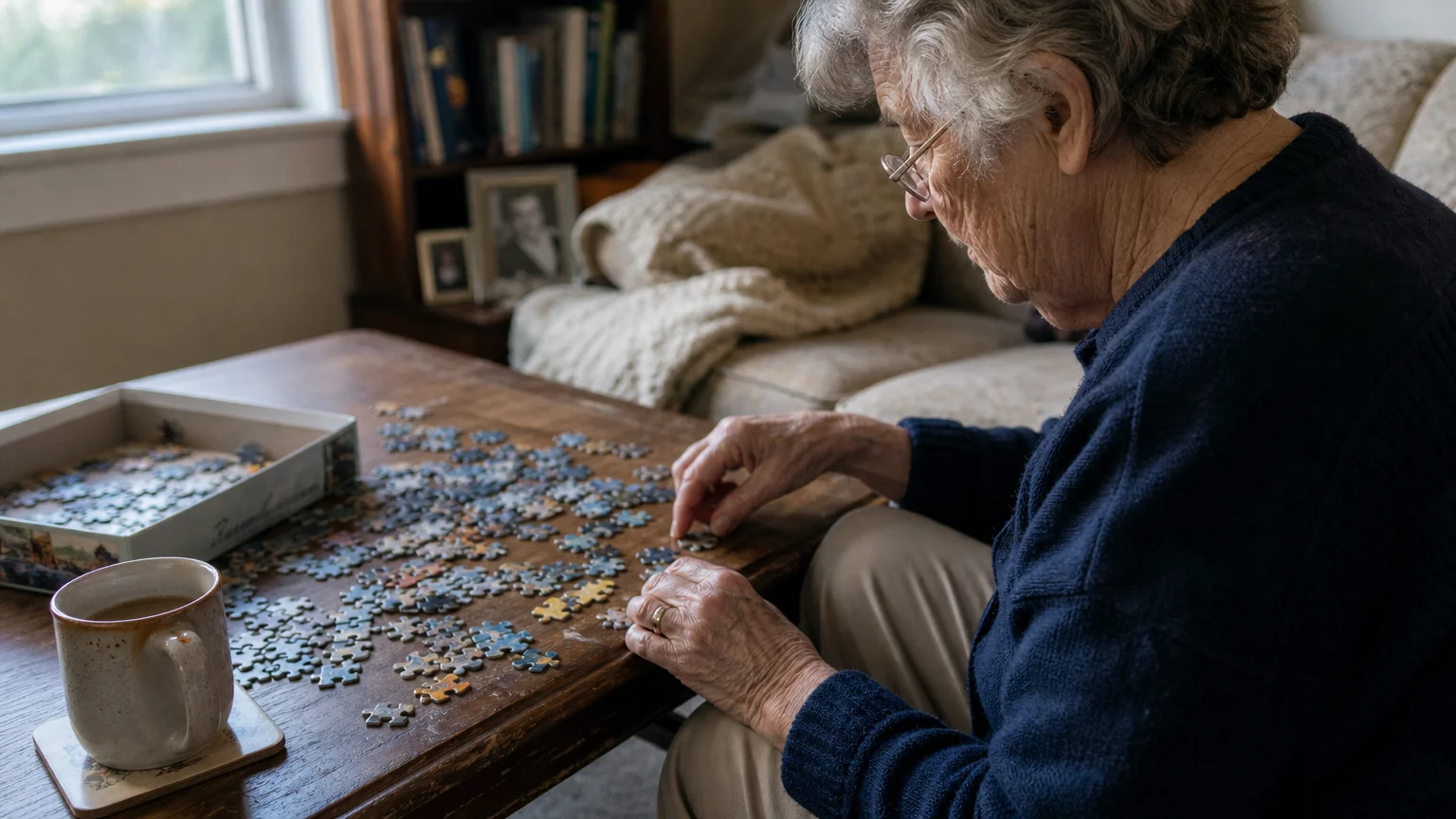
Additionally, older adults tend to spend a significant portion of their day in a seated position. Whether this results from chronic pain, limited mobility, or simply enjoying a well-deserved rest, excessive sedentary time correlates strongly with accelerated cognitive decline if that time remains mentally passive. Watching television for hours, for example, demands very little from your brain and contributes to a state of neurological stagnation.
You have the power to transform this sedentary time into a period of profound neurological growth. By recognizing the difference between passive sitting and active sitting, you can reclaim your downtime. Active sitting involves choosing tasks that require active participation, recall, and strategic thinking. This subtle shift in daily habits ensures that your natural aging process is supported by a robust and continuously challenged mind.
Benefits and Potential Risks of Brain Training
Committing to regular cognitive exercises yields a wide array of scientifically documented benefits. The most immediate advantage you will likely notice is an improvement in your working memory and processing speed. When you frequently require your brain to hold and manipulate information—such as remembering a string of numbers or following a complex plot in a novel—you strengthen the precise networks responsible for those functions. This makes daily tasks, like managing medications or following a recipe, feel significantly less taxing.
Beyond memory enhancement, seated brain exercises heavily support emotional regulation and mood stability. Engaging in a challenging yet solvable task triggers the release of dopamine, a neurotransmitter associated with pleasure, motivation, and reward. This natural chemical boost can alleviate feelings of apathy, reduce symptoms of mild depression, and provide a profound sense of accomplishment and purpose during periods of physical inactivity.
However, you must approach brain training with a balanced perspective and an awareness of potential downsides. The most common risk involves cognitive fatigue. Just as lifting weights for hours will leave your muscles exhausted and prone to injury, forcing your brain to engage in intense concentration without adequate breaks can lead to headaches, irritability, and diminished returns. You must honor your brain’s need for rest and integrate mental downtime into your routine.
You also need to exercise caution regarding the booming industry of commercial brain-training applications. Many companies market expensive subscriptions with exaggerated promises of reversing dementia or permanently increasing your intelligence quotient. Relying entirely on a single game on your tablet may cause you to neglect other crucial pillars of brain health, such as physical movement, social interaction, and proper nutrition. View seated cognitive exercises as one piece of a comprehensive health strategy rather than a standalone cure.
What the Experts Say
Leading global health organizations uniformly endorse the practice of remaining cognitively active throughout your lifespan. The National Institutes of Health consistently highlights the importance of intellectual engagement as a primary defense against age-related cognitive decline. Their funded research demonstrates that adults who frequently participate in mentally stimulating activities showcase healthier brain structures on neuroimaging scans compared to those who lead mentally passive lifestyles.
Similarly, guidelines published by the World Health Organization advocate for comprehensive lifestyle interventions to maintain cognitive function. They emphasize that while physical exercise and a Mediterranean diet form the bedrock of neurological health, cognitive training provides a vital, additive benefit. They encourage older adults to seek out new learning opportunities and complex mental challenges to foster ongoing neuroplasticity.
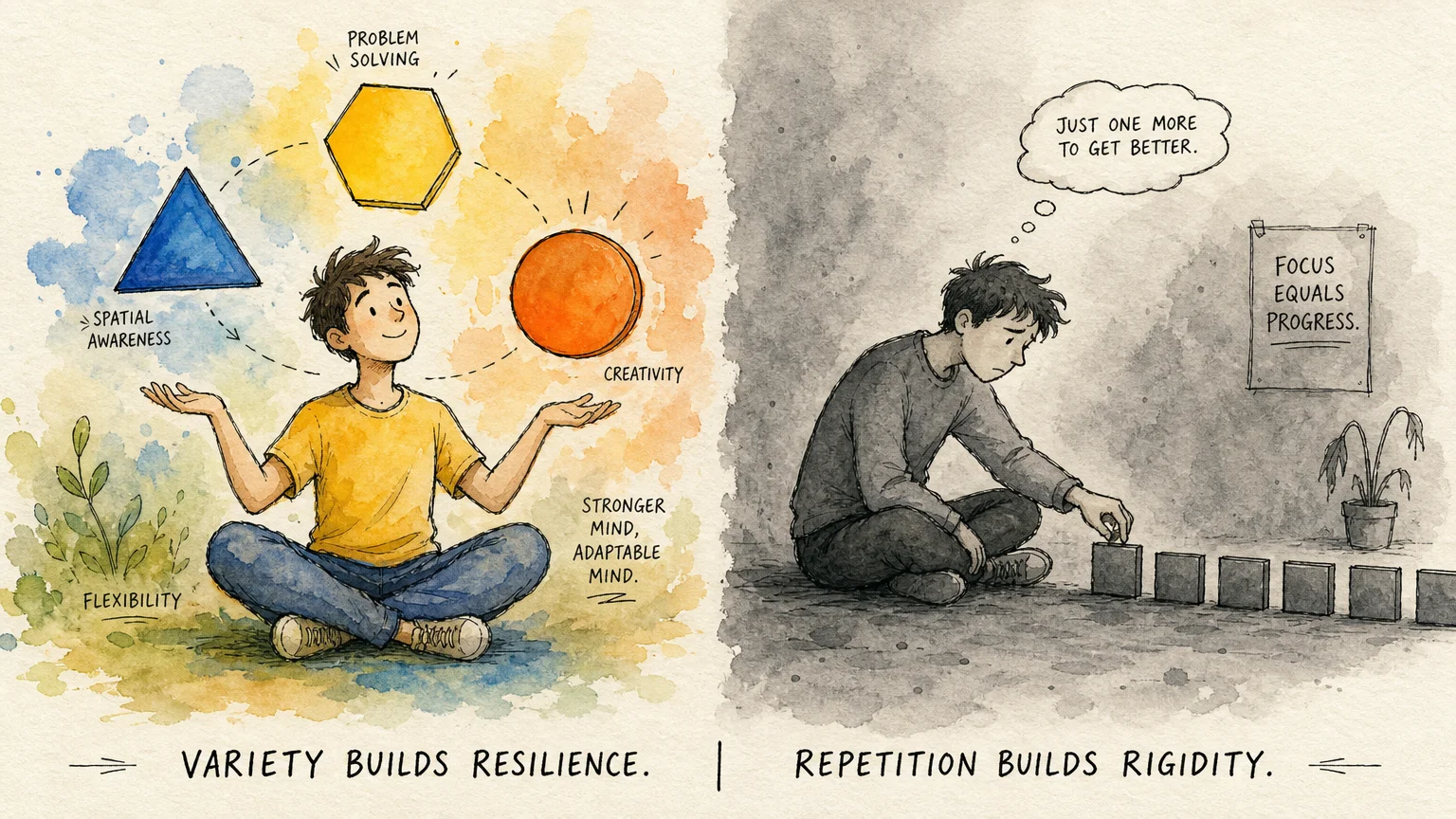
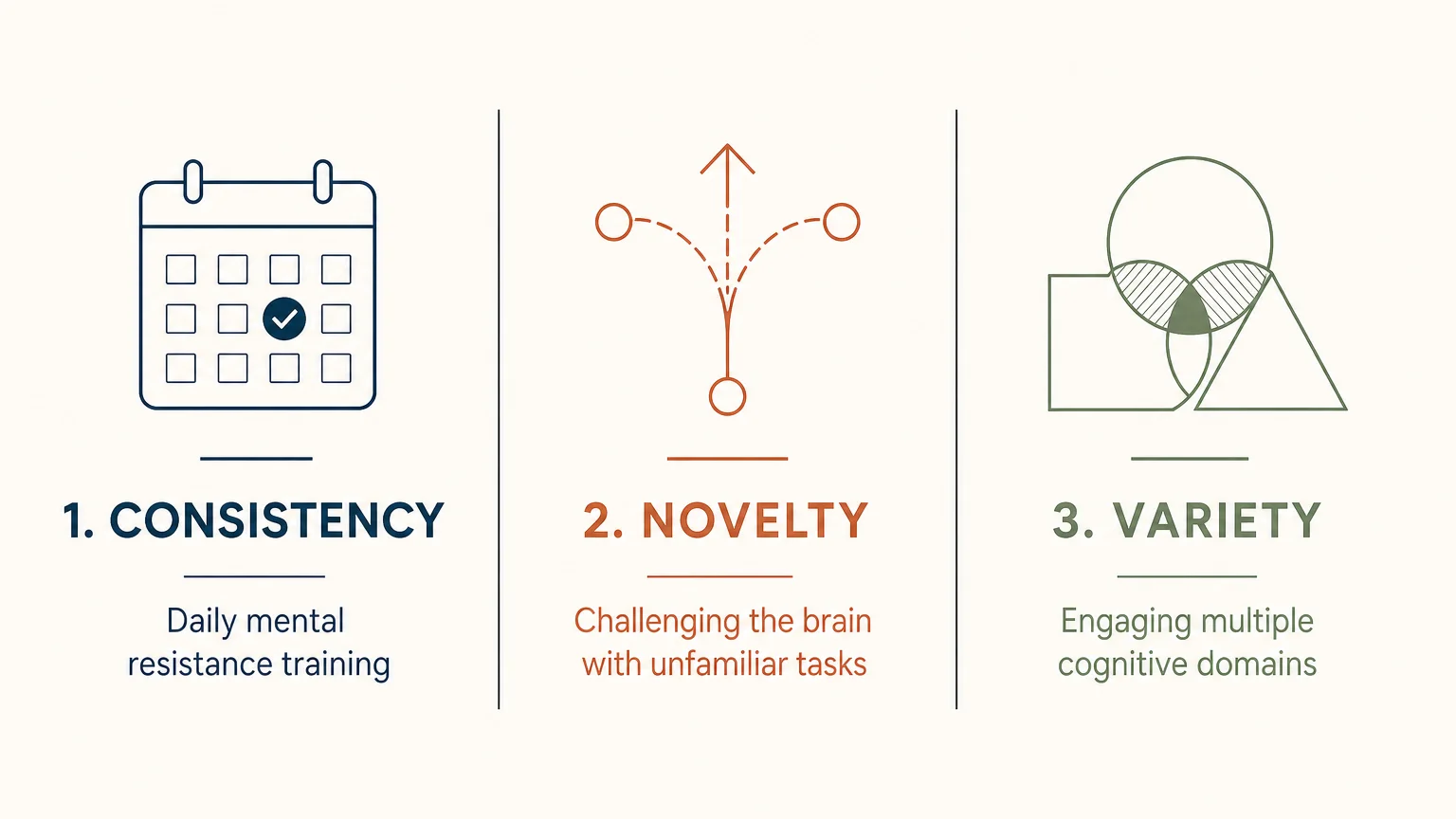
Clinicians at the Mayo Clinic also stress the value of novelty in your mental workouts. They advise against simply repeating the exact same puzzles day after day. Instead, they recommend constantly pushing your boundaries. If you excel at word puzzles, they suggest switching to numbers; if you usually read biographies, they recommend trying an instructional manual. This expert consensus underscores a clear message: to keep your brain healthy, you must regularly introduce it to the unfamiliar.

Practical Steps and Actionable Advice
1. Practice Cross-Training Your Brain with Diverse Puzzles
The concept of cross-training applies just as much to your brain as it does to your body. If you solve a crossword puzzle every single morning for twenty years, you undoubtedly become an expert at crossword puzzles. However, you are no longer challenging your brain; you are simply retrieving established patterns. To genuinely boost your brain health while seated, you must introduce variety and resistance into your puzzle-solving routine.
Begin by identifying the types of puzzles you naturally gravitate toward, and then deliberately choose their opposites. If you heavily favor language-based challenges like word searches or anagrams, force your brain to engage its spatial and mathematical centers by tackling Sudoku, nonograms, or logic grid puzzles. This switch requires your brain to recruit entirely different neural networks, sparking new connections and preventing cognitive plateaus.
You can easily integrate this into your daily routine by keeping a rotating stack of different puzzle books next to your favorite chair. Dedicate twenty minutes a day to a puzzle that feels slightly frustrating. That feeling of mental friction—the struggle to figure out the next move—is precisely the sensation of your brain expanding its capabilities. Embrace the challenge, and remember that the neurological benefit comes from the effort, not necessarily from completing the puzzle perfectly.
2. Engage in Lifelong Learning via Reading and Audiobooks
Immersing yourself in complex narratives or acquiring new knowledge stands as one of the most effective seated activities for brain health. Reading requires your brain to simultaneously process visual symbols, comprehend vocabulary, synthesize meaning, and construct vivid mental imagery. This multi-layered demand exercises several regions of your brain simultaneously, fostering robust connectivity between your visual cortex and your frontal lobe.
To maximize this benefit, transition away from passive entertainment and select reading materials that require active synthesis. Dive into historical non-fiction that requires you to track multiple figures across a timeline, or explore books detailing scientific discoveries, different cultures, or philosophical concepts. When you encounter unfamiliar words, take the time to look them up. This simple act of seeking definition and context reinforces memory pathways.
If visual impairment or eye strain makes traditional reading difficult, audiobooks offer an equally powerful alternative. Listening to a complex story forces your auditory processing centers to work in tandem with your working memory. You must hold onto character names, plot developments, and thematic elements purely through listening. You can close your eyes, sit comfortably, and still provide your brain with a rigorous and enriching workout.
3. Perform Seated Mindfulness and Meditation
While many people associate brain health with intense mental effort, profound neurological benefits also arise from teaching your brain to focus and achieve stillness. Chronic stress bathes your brain in cortisol, a hormone that, over time, literally shrinks the hippocampus and impairs your memory. Seated mindfulness and meditation provide a powerful, scientifically backed antidote to this stress-induced damage.
You do not need any special equipment or spiritual beliefs to practice mindfulness. Simply sit upright in a comfortable chair, place your feet flat on the floor, and direct your entire attention to the physical sensation of your breath entering and leaving your body. When your mind inevitably wanders to your grocery list or a past conversation, simply notice the distraction without judgment and gently return your focus to your breathing.
This practice of repeatedly catching your wandering mind and bringing it back to the present moment acts like a bicep curl for your frontal lobe. Research shows that just ten to fifteen minutes of daily mindfulness practice can increase the density of gray matter in brain regions linked to learning, memory, and emotional regulation. It enhances your baseline concentration levels, making all other cognitive tasks throughout the day feel more manageable.
4. Write by Hand to Stimulate Neural Activity
In our modern era of keyboards and touchscreens, the simple act of writing by hand has become surprisingly rare. Yet, handwriting involves a highly complex coordination of cognitive, motor, and sensory functions. When you hold a pen and form letters on paper, your brain must continuously execute fine motor commands while simultaneously retrieving spelling, grammar, and sequential logic from your memory centers.
You can leverage this powerful neurological tool right from your armchair. Start a daily journaling practice where you recount the events of your day, document your family history, or simply write down things for which you feel grateful. The specific content matters less than the physical act of transferring your thoughts onto paper through continuous, sweeping hand movements.
If journaling does not appeal to you, consider writing physical letters to friends or family members, or copying down your favorite poems or recipes. The tactile feedback of the pen on paper, combined with the focused attention required to write legibly, strongly activates the reticular activating system in your brain. This system acts as a filter for information, and stimulating it through handwriting improves your overall mental clarity and focus.
Frequently Asked Questions
Does watching educational television count as brain training?
While educational documentaries provide valuable information, television remains a fundamentally passive medium. The visual and auditory stimuli are delivered to you at a predetermined pace, requiring very little active synthesis or problem-solving on your part. To truly boost your brain health, you must pair passive learning with an active component. If you watch a documentary, discuss it in detail with a friend afterward, or write a short summary of what you learned to force your brain to retrieve and organize the information.
How long should I spend on seated brain exercises each day?
Consistency matters far more than duration. Aim for twenty to thirty minutes of focused, uninterrupted mental exercise per day. Pushing yourself to do hours of puzzles will likely lead to cognitive fatigue and eventual burnout. By dedicating a short, manageable window of time each day to learning a new skill, reading, or practicing mindfulness, you build a sustainable habit that yields compounding neurological benefits over months and years.
Are paid brain-training applications worth the money?
Paid applications can offer a convenient and gamified way to challenge your memory and processing speed. However, they are not strictly necessary for maintaining brain health. The benefits you gain from a digital matching game can easily be replicated by playing a physical card game, learning a new language, or doing complex math by hand. If you enjoy the apps and they motivate you, they are a fine addition to your routine, but you do not need to spend money to achieve excellent cognitive fitness.
Can seated mental exercises reverse dementia or Alzheimer’s disease?
Currently, no lifestyle intervention, including cognitive training, can cure or completely reverse progressive neurodegenerative diseases like Alzheimer’s. However, consistent mental stimulation is highly effective at building cognitive reserve, which can delay the onset of severe symptoms and help you maintain independence for a longer period. Think of brain exercises as a way to maximize your current cognitive function and build resilience, rather than a medical cure.
Is it normal to feel frustrated when trying a new mental activity?
Feeling frustrated when attempting a novel puzzle or learning a new subject is completely normal and actually indicates that the exercise is working. That sensation of mental strain means you are forcing your brain out of its comfort zone and demanding the creation of new neural pathways. Instead of giving up when an activity feels difficult, lower the intensity slightly and persist. Embrace the challenge as tangible proof that you are actively strengthening your mind.
Conclusion
Safeguarding your brain health does not require you to run marathons or completely overhaul your life. By making intentional choices about how you spend your seated downtime, you can dramatically influence your cognitive trajectory. Incorporating diverse puzzles, engaging with complex reading materials, practicing mindfulness, and writing by hand offer powerful, accessible ways to stimulate neuroplasticity. You possess the ability to continually shape and strengthen your mind at any age.
Embrace these practices as a daily investment in your future independence and clarity. Combine these seated mental workouts with proper sleep, a nutritious diet, and regular conversations with loved ones to create a holistic shield against cognitive decline. Your brain thrives on challenge and novelty, so never hesitate to pick up a new book, try a different puzzle, and keep your mind beautifully engaged.
This article is intended for informational and educational purposes only and is not a substitute for professional medical advice, diagnosis, or treatment. Always consult with a qualified healthcare provider regarding any health concerns or before making any decisions related to your health or treatment.