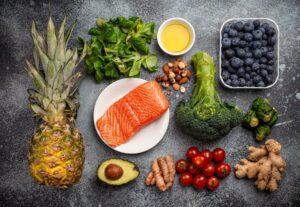
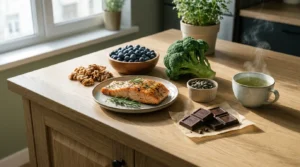
Optimizing your body’s ability to absorb vitamin D protects your bones, supports your immune system, and maintains your independence as you age. Simply taking a supplement or sitting in the sun is rarely enough if you do not pair those habits with the right diet. Because vitamin D is fat-soluble, your body requires specific healthy fats to transport and utilize this vital nutrient effectively. For adults over sixty, declining digestive efficiency makes strategic food pairing even more critical. By adding nutrient-dense healthy fats to your daily meals, you dramatically improve how much vitamin D reaches your bloodstream. Let us explore the science behind absorption and the exact foods that will maximize your overall health and vitality.
Understanding the Basics
To truly grasp how your body processes nutrients, you must recognize the fundamental difference between water-soluble and fat-soluble vitamins. Water-soluble vitamins, such as vitamin C and the B-complex family, dissolve instantly in water. Your body easily absorbs them through the intestinal tract, and your kidneys quickly flush out any excess amounts through your urine. Vitamin D operates under a completely different set of biological rules. As a fat-soluble nutrient, vitamin D absolutely requires dietary fat to navigate your digestive system and enter your bloodstream.
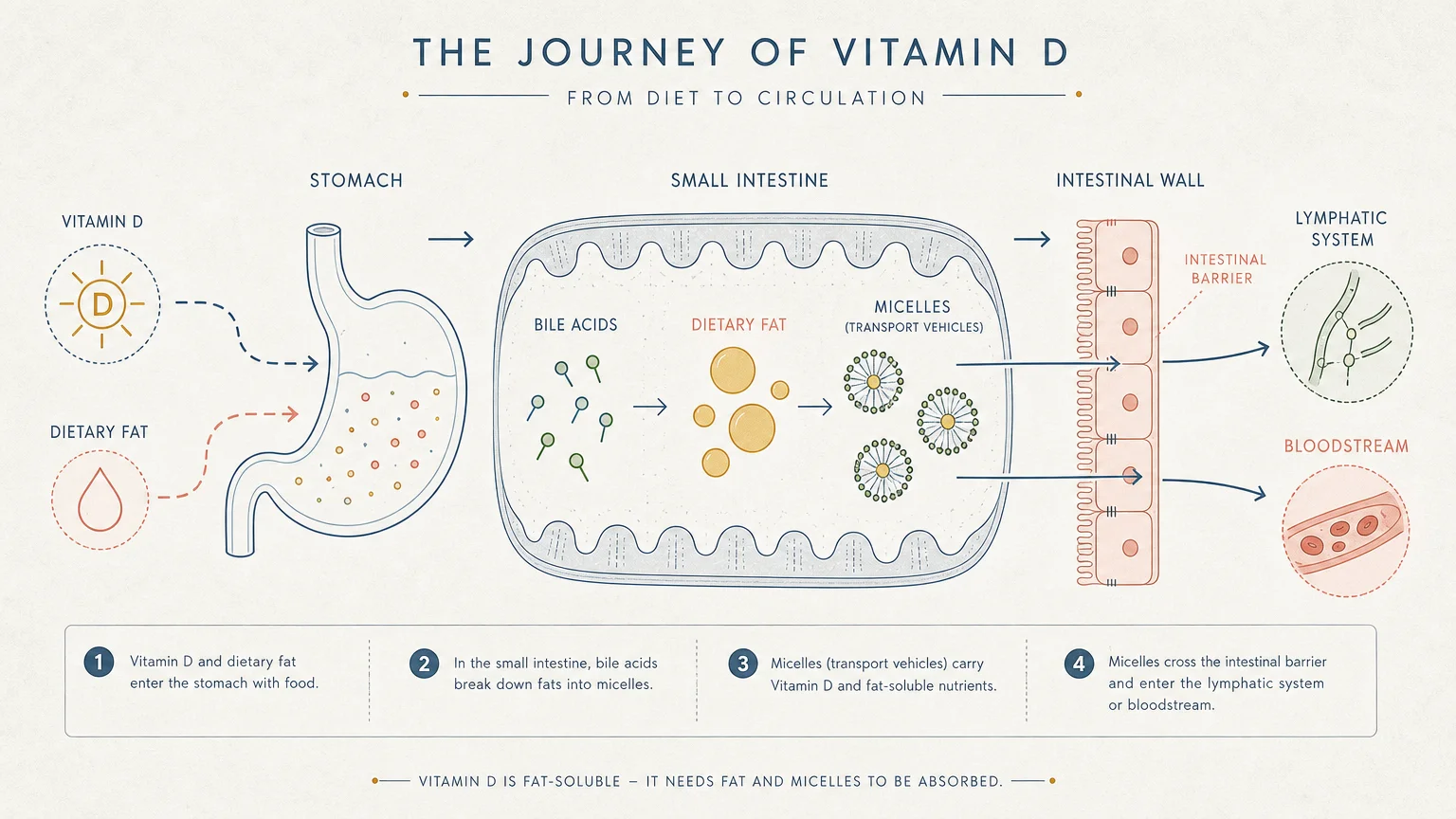
When you consume vitamin D—whether through a morning supplement, fortified milk, or synthesized from sunlight exposure—it travels to your stomach and small intestine. If no dietary fat is present in your stomach, the vitamin largely passes through your digestive tract unabsorbed, providing zero nutritional benefit. However, when you introduce a source of dietary fat, you activate a sophisticated biological process. The presence of fat signals your gallbladder to release bile acids into your small intestine. These bile acids act much like dish soap acts on grease; they emulsify the dietary fats and the vitamin D, breaking them down into microscopic spheres called micelles.
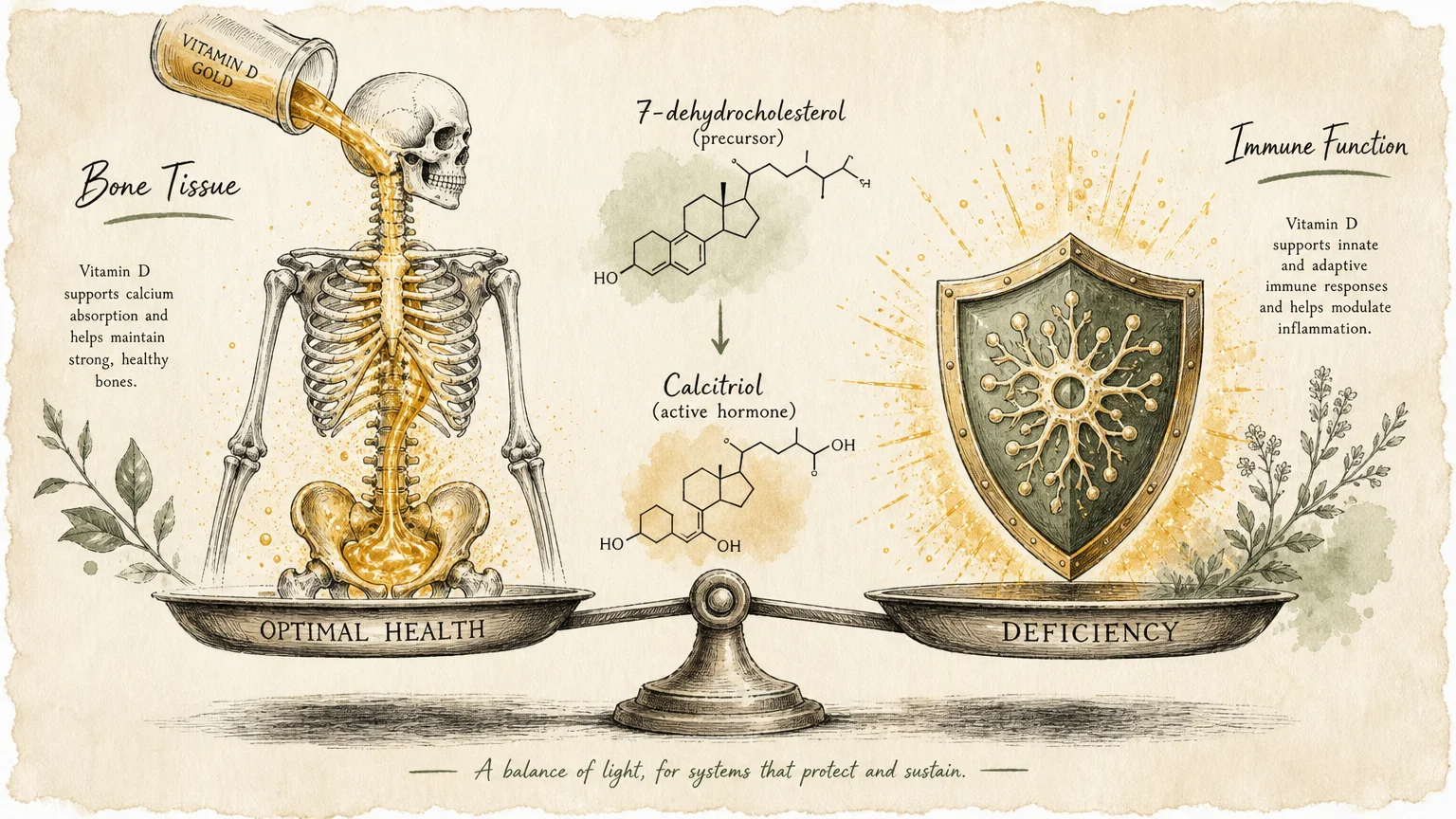
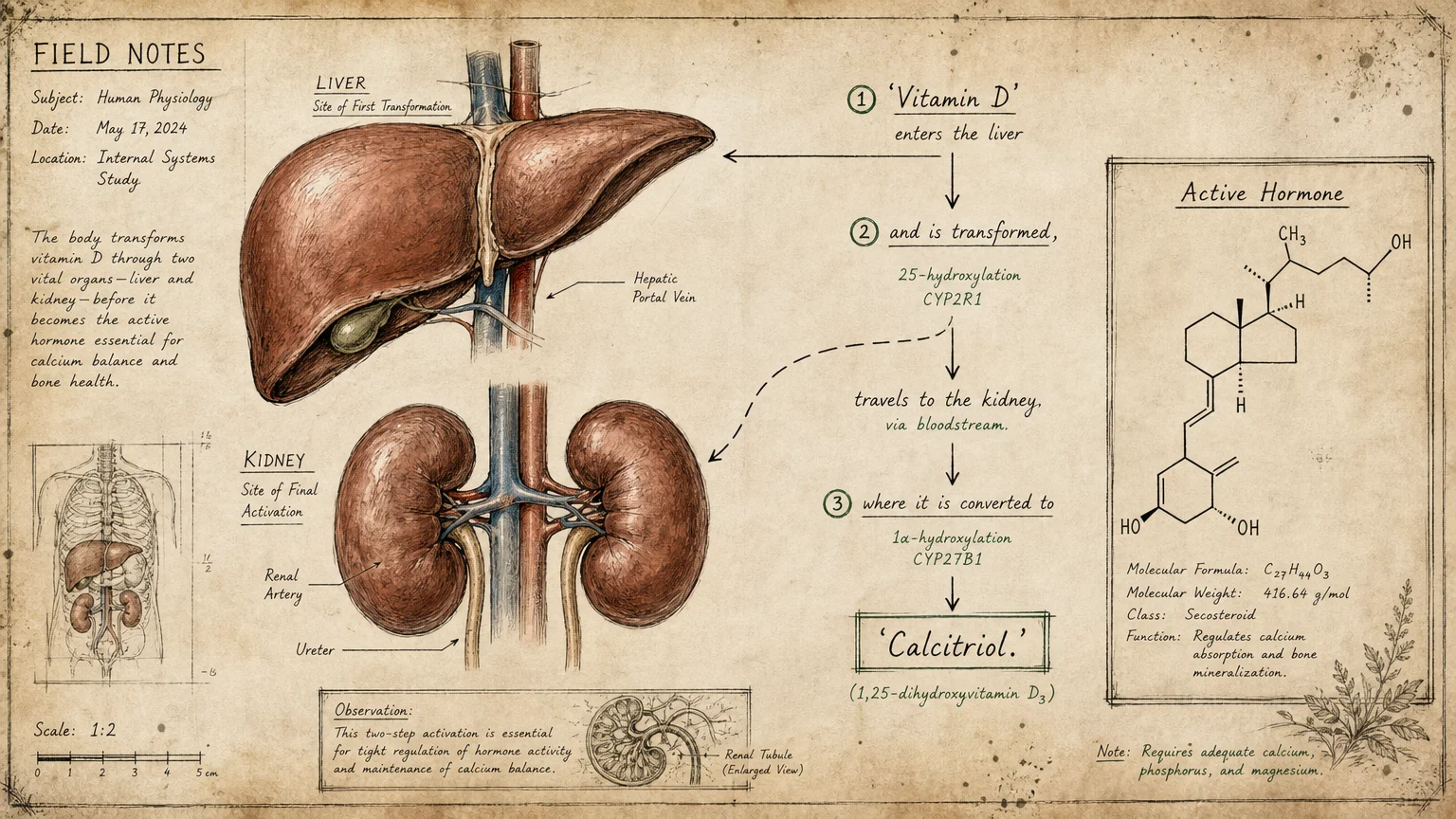
These micelles serve as microscopic transport vehicles. They carry the vitamin D directly to the lining of your intestinal wall, allowing it to pass through the cellular barrier and enter your lymphatic system before finally reaching your bloodstream. From there, your liver and kidneys convert this raw, inactive vitamin D into calcitriol, the active hormone your cells actually use to build bone tissue and regulate immune function. Understanding this mechanism empowers you to stop wasting money on supplements that your body cannot utilize and start designing meals that naturally unlock this essential nutrient.
Key Considerations for Seniors
Aging introduces several physiological shifts that make absorbing nutrients significantly more challenging. When you reach your sixties and beyond, your skin simply does not manufacture vitamin D as efficiently as it did in your twenties. The concentration of a specific precursor chemical in your skin—known as 7-dehydrocholesterol—drops dramatically with age. Consequently, even if you spend ample time outdoors, your natural production of vitamin D remains hindered, forcing you to rely much more heavily on dietary sources and supplements.
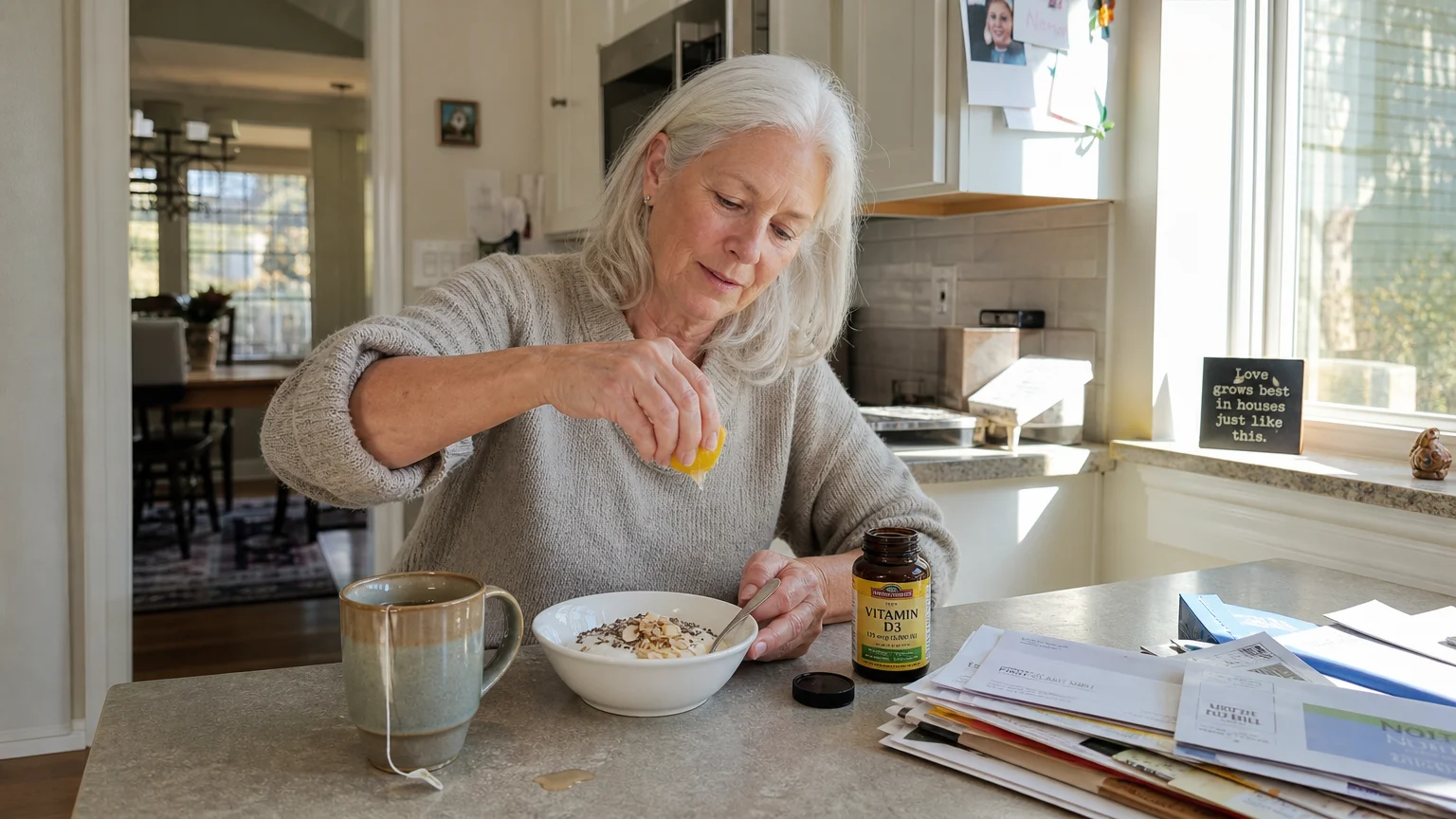
Simultaneously, your digestive tract undergoes structural and functional changes. Older adults frequently experience a reduction in stomach acid production and a slower release of digestive enzymes and bile from the gallbladder. This sluggish digestive response means your body struggles to emulsify fats and extract fat-soluble vitamins efficiently. If you take your daily vitamin D capsule with a dry piece of toast and black coffee, your aging digestive system will simply lack the raw materials needed to pull that nutrient across the intestinal barrier.
Medication interactions represent another major hurdle for older adults. Many seniors take prescription medications that actively block fat absorption. Bile acid sequestrants prescribed for high cholesterol, certain weight-loss medications, and even over-the-counter laxatives can severely disrupt the micelle formation process described earlier. Furthermore, decades of public health messaging have conditioned many older adults to fear dietary fat, leading them to adopt extremely low-fat diets. While reducing saturated fats protects your heart, eliminating healthy fats entirely starves your body of the exact transport mechanism required to keep your bones dense and your immune system vigilant. Striking a balance by embracing heart-healthy, nutrient-dense fats is essential for your longevity.
Benefits and Potential Risks
Successfully maximizing your vitamin D absorption yields transformative benefits for your daily life. The most critical advantage is robust skeletal health. Vitamin D acts as the key that unlocks calcium absorption in your gut. Without adequate vitamin D, your body extracts only ten to fifteen percent of the calcium present in your food. When your vitamin D levels are optimal, that absorption rate jumps to thirty or forty percent. This increased calcium uptake directly combats osteoporosis, strengthens brittle bones, and significantly lowers your risk of suffering debilitating fractures from minor falls. Beyond your bones, activated vitamin D binds to receptors in your muscle tissue, improving muscle strength and balance, which further reduces your fall risk. It also modulates your immune system, helping your white blood cells identify and destroy invading pathogens while preventing harmful systemic inflammation.
Despite these profound benefits, you must approach fat and vitamin D consumption with awareness and caution. Because vitamin D is stored in your body’s fat tissues rather than excreted in your urine, taking excessive megadoses of supplements can lead to a dangerous condition called hypervitaminosis D. This toxicity causes calcium to build up in your bloodstream—a state known as hypercalcemia—which can lead to kidney stones, vascular calcification, and severe heart arrhythmias. Similarly, when increasing your dietary fat intake to boost absorption, you must monitor your overall caloric load. Fats are calorie-dense, providing nine calories per gram compared to the four calories per gram found in proteins and carbohydrates. Consuming excessive fats can inadvertently lead to weight gain, which places additional stress on aging joints. The goal is strategic moderation; you only need small portions of healthy fats to trigger optimal vitamin D absorption.
What the Experts Say
Leading global health organizations uniformly emphasize the critical relationship between dietary fat and fat-soluble vitamin absorption. The National Institutes of Health clearly states that adults over seventy require higher baseline amounts of vitamin D—typically 800 International Units daily—specifically to offset age-related declines in bone density and skin synthesis. However, endocrinologists frequently note that the timing and pairing of these supplements dictate their ultimate efficacy.
A landmark clinical trial published by the Academy of Nutrition and Dietetics demonstrated the profound impact of meal composition on nutrient uptake. Researchers discovered that patients who consumed their vitamin D supplements alongside their largest, most fat-dense meal of the day increased their blood serum levels of vitamin D by an average of fifty percent after just two to three months. In contrast, those who took their supplements on an empty stomach showed minimal improvement, despite taking the exact same dosage.
Physicians at the Mayo Clinic also stress the importance of dietary context. They advise against simply swallowing a pill with water and hoping for the best. Instead, they recommend integrating your supplement routine into meals that contain monounsaturated and polyunsaturated fats. These heart-healthy fats, prominent in the Mediterranean diet, provide the necessary vehicle for vitamin D transport without increasing your risk of cardiovascular disease. The prevailing scientific consensus is clear: treating vitamin D as an isolated chemical rather than a component of a holistic diet severely limits its potential to heal and protect your body.
Practical Steps and Actionable Advice
To put this science into practice, you need to seamlessly integrate the right foods into your daily routine. You do not need to consume massive quantities of heavy, greasy foods. Just ten to fifteen grams of healthy fat per meal provides more than enough lipid content to trigger bile release and maximize your vitamin D uptake. Here are ten excellent, nutrient-dense foods that provide the perfect healthy fats to transport vitamin D directly into your bloodstream.
1. Avocados
Avocados offer a tremendous array of cardiovascular benefits, but their rich concentration of monounsaturated fats makes them a perfect vehicle for vitamin D transport. When you eat an avocado alongside your daily supplement, the oleic acid within the fruit stimulates your gallbladder to release the bile necessary for micelle formation. Beyond their fat content, avocados provide excellent dietary fiber, which supports a healthy gut microbiome. A thriving digestive tract further enhances your body’s ability to extract and utilize nutrients. Try slicing half an avocado onto your morning eggs or mashing it over whole-grain toast when taking your morning vitamins.
2. Extra Virgin Olive Oil
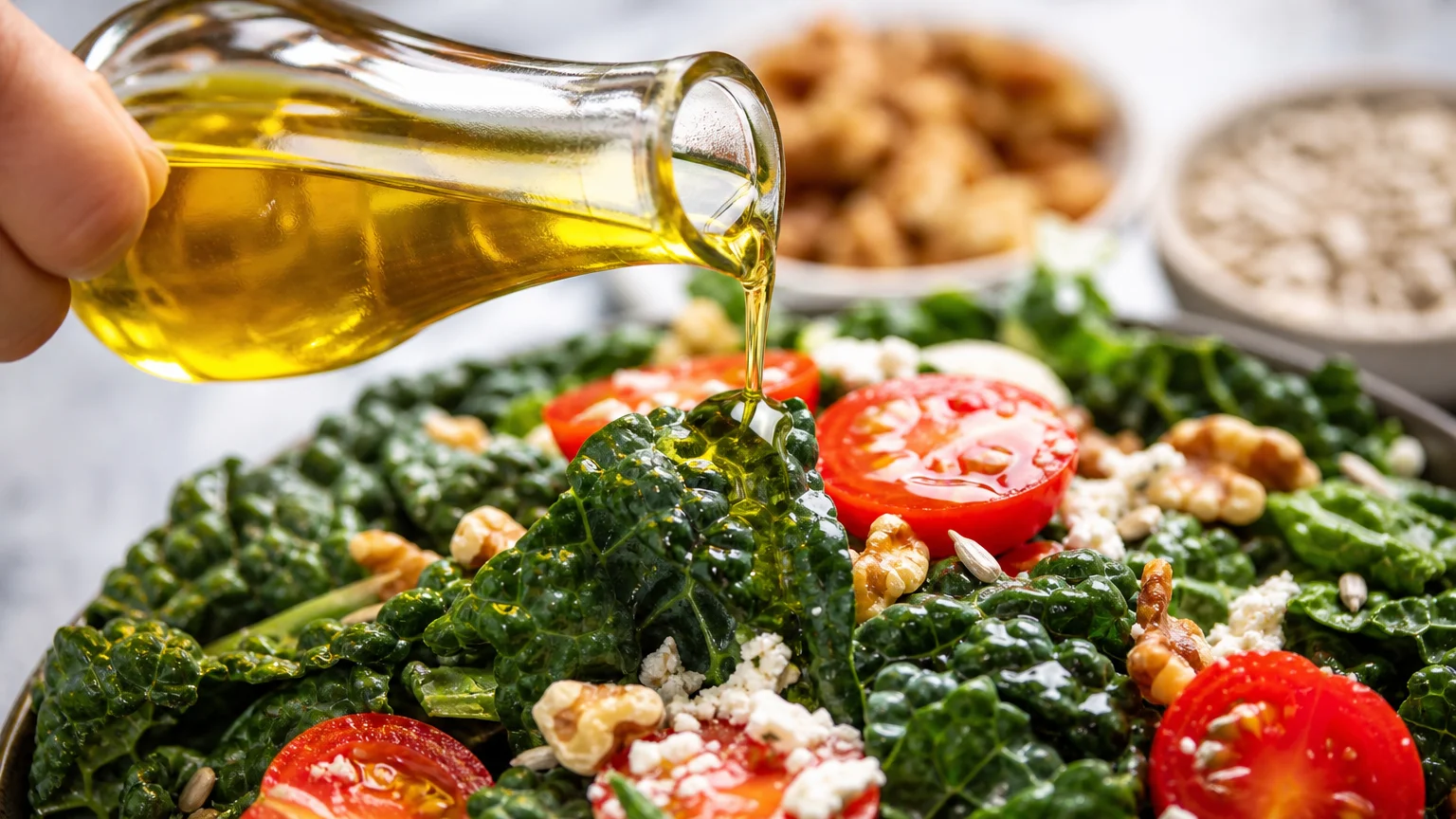
As the cornerstone of the Mediterranean diet, extra virgin olive oil delivers a powerful dose of heart-healthy fats and potent antioxidants called polyphenols. Pouring a small amount of olive oil over your meals creates an ideal environment in your digestive tract for fat-soluble vitamins to thrive. Because olive oil is a liquid at room temperature, it coats the stomach lining and mixes rapidly with the contents of your meal. You can easily drizzle a tablespoon of high-quality extra virgin olive oil over a leafy green salad, roasted vegetables, or a piece of baked fish right before you take your daily vitamin D capsule.
3. Wild-Caught Salmon
Salmon stands out as a unique nutritional powerhouse because it performs double duty: it naturally contains high levels of vitamin D and provides the precise fats needed to absorb it. The fat in salmon consists largely of omega-3 fatty acids, specifically EPA and DHA. These exceptional fats heavily reduce systemic inflammation, protect your brain health, and lubricate your joints. When you eat a fillet of wild-caught salmon, your body naturally creates the perfect chemical emulsion to draw the naturally occurring vitamin D through your intestinal walls. Aim to include fatty fish in your dinner rotation at least twice a week.
4. Walnuts
If you prefer plant-based fats, walnuts serve as an outstanding option for boosting nutrient absorption. Walnuts contain high amounts of alpha-linolenic acid (ALA), a specific type of omega-3 fatty acid derived from plants. The rich oil content in walnuts prompts an immediate digestive response, ensuring any fat-soluble vitamins present in your stomach are quickly bound and transported. Walnuts also provide a satisfying crunch that elevates the texture of your meals. Try sprinkling a handful of crushed walnuts over your morning oatmeal or blending them into a nutrient-dense smoothie along with your liquid vitamin D drops.
5. Egg Yolks
For decades, many older adults avoided egg yolks due to fears surrounding dietary cholesterol. Fortunately, modern nutritional science confirms that the cholesterol found in whole eggs minimally impacts blood cholesterol levels for the vast majority of people. More importantly, the egg yolk contains all the fat and naturally occurring vitamin D found in the egg. The fats within the yolk are highly bioavailable, meaning your digestive enzymes can break them down with extraordinary ease. Eating two whole, pasture-raised eggs for breakfast creates the perfect lipid environment to absorb any supplementary vitamin D you take with your morning meal.
6. Chia Seeds
Despite their tiny size, chia seeds pack an enormous volume of healthy fats and structural fiber. When exposed to liquid in your stomach, chia seeds expand and form a gel-like substance that aids in slow, steady digestion. This prolonged digestive phase gives your body more time to extract and absorb vitamin D through the intestinal lining. Chia seeds hold a remarkably high concentration of polyunsaturated fats, making them an excellent choice for seniors seeking to protect their cardiovascular health while boosting their nutrient uptake. Stir two tablespoons of chia seeds into a bowl of yogurt or a glass of water.
7. Ground Flaxseeds
Flaxseeds deliver a dense package of healthy fats, but they require specific preparation to unlock their benefits. If you eat flaxseeds whole, their tough outer hulls often survive the digestive process entirely intact, meaning you absorb none of the fat inside. By grinding your flaxseeds into a fine powder, you expose the rich oils and lignans contained within the seed. These oils act as a fantastic transport medium for vitamin D. You can easily store a bag of ground flaxseed meal in your refrigerator and add a spoonful to your soups, stews, or baked goods.
8. Almonds and Almond Butter
Almonds offer a superb combination of healthy monounsaturated fats and vitamin E. Because vitamin E is also a fat-soluble vitamin, it utilizes the exact same absorption pathways as vitamin D. Eating almonds conditions your digestive tract to efficiently process fat-soluble compounds. Almond butter, simply made by grinding roasted almonds until they release their natural oils, provides an incredibly easy way to consume these fats if you have difficulty chewing hard nuts. Spread two tablespoons of natural, unsweetened almond butter on apple slices or whole-wheat crackers when it is time to take your daily supplements.
9. Full-Fat Dairy Products
Dairy manufacturers frequently fortify milk and yogurt with synthetic vitamin D to combat widespread population deficiencies. However, if you purchase skim milk or non-fat yogurt, you strip away the natural fat required to absorb the added vitamin. This renders the fortification nearly useless. Choosing full-fat or whole milk products ensures that the necessary fat is present to carry the fortified vitamin D into your bloodstream. Additionally, fermented full-fat dairy, such as Greek yogurt or kefir, introduces beneficial probiotics into your system, further optimizing your intestinal health and overall digestive efficiency.
10. Coconut Oil
Coconut oil contains a unique form of fat known as medium-chain triglycerides (MCTs). Unlike the long-chain fatty acids found in most other foods, MCTs process very differently in your digestive tract. They do not require complex bile salts to break down; instead, they move rapidly from your stomach directly into your liver. For seniors who have had their gallbladders removed or suffer from sluggish bile production, MCTs offer a reliable, easily digestible fat source that still facilitates the absorption of fat-soluble vitamins. Use a small spoonful of coconut oil to sauté your vegetables or blend it directly into your morning coffee.
Frequently Asked Questions
Do I need to eat a heavy, high-calorie meal to absorb my vitamin D supplement?
You absolutely do not need to consume a heavy or greasy meal. Clinical studies indicate that as little as ten to fifteen grams of fat is perfectly sufficient to trigger maximum absorption. This amount equates to roughly half an avocado, a single tablespoon of olive oil, or a small handful of walnuts. Overeating fat will not proportionally increase your vitamin D absorption; it will merely contribute to excess caloric intake and potential weight gain.
Can I just take my vitamin D pill first thing in the morning with my coffee?
Taking your supplement with plain black coffee on an empty stomach is highly inefficient. Black coffee contains zero grams of fat, meaning your gallbladder will not release the bile necessary to absorb the vitamin D. As a result, you will likely pass a large percentage of the supplement directly through your digestive tract unabsorbed. If you prefer taking your vitamins in the morning, make sure you eat breakfast containing eggs, full-fat yogurt, or nut butter alongside your coffee.
Does it matter if I take vitamin D2 or vitamin D3?
Yes, the form of the vitamin significantly impacts how well your body utilizes it. Vitamin D3 (cholecalciferol), primarily derived from animal sources like fish and sheep’s wool lanolin, mirrors the exact chemical structure your body produces when exposed to sunlight. Scientific evidence consistently shows that vitamin D3 elevates and maintains blood serum levels far more effectively than vitamin D2 (ergocalciferol), which comes from plants and fungi. Always check your supplement label and choose D3 when possible, pairing it with the healthy fats listed above.
What should I do if my gallbladder has been removed?
If you have had a cholecystectomy, your liver still produces bile, but it drips continuously into your intestines rather than being stored and released in large amounts during meals. This makes digesting large amounts of fat difficult. To ensure you still absorb your vitamin D, take your supplement with smaller, more frequent portions of fat throughout the day rather than one large, fat-heavy meal. Incorporating coconut oil or pure MCT oil is incredibly helpful, as these specific fats absorb easily without requiring high concentrations of bile.
Are there any other nutrients that help vitamin D work better?
Magnesium is absolutely essential for vitamin D function. While dietary fat helps transport vitamin D from your digestive tract into your bloodstream, magnesium is required by your cellular enzymes to convert that circulating vitamin D into its active, usable hormone form. If you are deficient in magnesium, your vitamin D levels may remain low regardless of how much you supplement or how perfectly you pair it with healthy fats. Ensure you consume plenty of magnesium-rich foods like dark leafy greens, pumpkin seeds, and beans.
Nourishing Your Body for the Years Ahead
Protecting your skeletal health, maintaining your muscle strength, and supporting your immune system requires a holistic approach to nutrition. Supplements possess remarkable potential, but they cannot act in isolation. The biological reality is that the food you put on your plate dictates whether the vitamins you swallow ever actually reach your cells. By understanding the fat-soluble nature of vitamin D and deliberately pairing your sun exposure or supplements with avocados, olive oil, salmon, and nuts, you empower your aging digestive system to work efficiently. Small, intentional changes to your daily eating habits create a profound ripple effect on your overall longevity and independence. Take control of your health today by treating your meals not just as a source of calories, but as the necessary catalyst that unlocks your body’s full healing potential.
This article is intended for informational and educational purposes only and is not a substitute for professional medical advice, diagnosis, or treatment. Always consult with a qualified healthcare provider regarding any health concerns or before making any decisions related to your health or treatment.