
Recognizing the early warning signs of dementia empowers you to seek timely medical intervention and secure treatments that may significantly slow cognitive decline. Catching these subtle changes early gives you and your family crucial time to plan for the future, explore support networks, and implement lifestyle adjustments that protect your brain health after 60. While misplacing your keys occasionally remains a normal part of aging, persistent memory loss that disrupts daily life signals a deeper neurological shift. You need to distinguish benign forgetfulness from genuine cognitive impairment. Paying close attention to how you manage familiar tasks, process conversations, and navigate your immediate environment provides the clarity required to protect your independence and overall well-being as you age.
Understanding the Basics: The Reality of Cognitive Decline
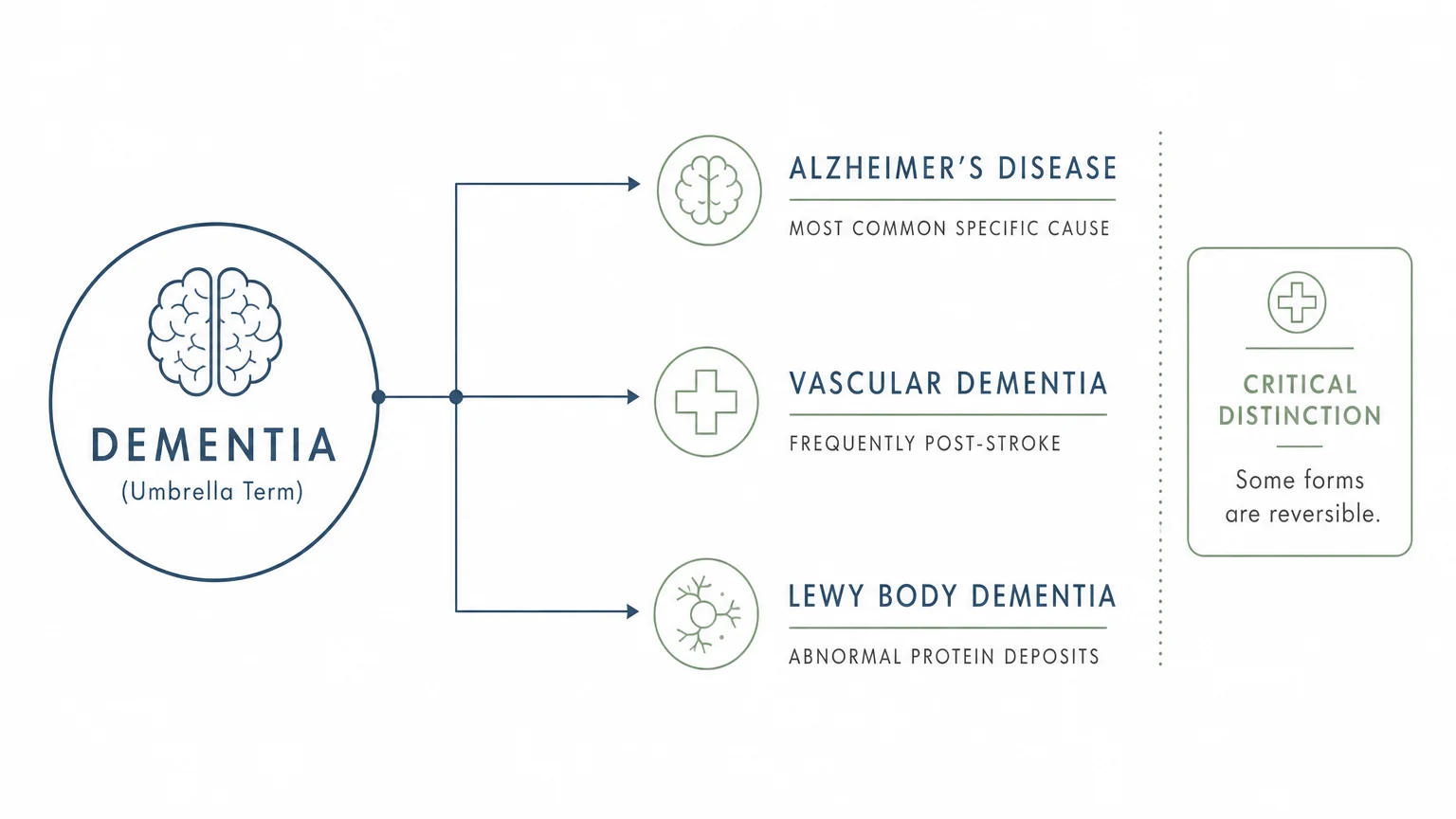
When medical professionals discuss dementia, they are not referring to a single, isolated disease. Instead, they use this term to categorize a broad spectrum of neurological symptoms that severely impact your memory, critical thinking skills, and social abilities. These symptoms must be severe enough to disrupt your daily independent living to qualify as clinical dementia. Alzheimer’s disease represents the most common specific cause of progressive dementia, accounting for a significant majority of all diagnoses in older adults.
However, you must also consider other prevalent forms; vascular dementia frequently occurs after a stroke, while Lewy body dementia involves abnormal protein deposits in the brain. Understanding this fundamental distinction matters deeply. Recognizing that dementia describes a state of cognitive decline rather than a single root cause opens the door to targeted, specific medical investigations. Some forms of cognitive impairment stem from entirely reversible conditions, making immediate medical investigation absolutely critical for your long-term health and peace of mind.
Sign One: Disruptive Memory Loss
Forgetting recently learned information stands as one of the most prominent early indicators of cognitive decline. You might notice yourself repeatedly asking your family the exact same questions about an upcoming event, entirely unable to retain their previous answers. Many older adults experiencing this symptom begin relying heavily on physical memory aids—such as sticky notes covering the refrigerator or constant smartphone reminders—to manage basic tasks. While occasionally forgetting a former colleague’s name remains a completely normal part of the standard aging process, consistently forgetting significant life events demands your immediate attention. When recent conversations vanish entirely from your mind without a trace, you must view this persistent memory loss as a definitive neurological warning sign rather than benign forgetfulness.
Sign Two: Difficulty Planning and Solving Problems
Some older adults experience sudden, profound changes in their ability to develop and follow a step-by-step plan. You may find yourself struggling to follow a familiar family recipe that you have confidently cooked for decades. Alternatively, keeping track of your monthly utility bills might suddenly feel overwhelming and impossible to organize. This symptom often involves a severe, noticeable decrease in your daily concentration; familiar administrative tasks take you significantly longer to complete than they did before. Your brain simply struggles to process sequential logic, turning once-simple chores into frustrating mental roadblocks.
Sign Three: Struggling with Familiar Tasks
Dementia frequently impairs your ability to complete daily, habitual routines. You might find it intensely difficult to safely drive your car to a familiar neighborhood grocery store. Sometimes, individuals lose the ability to manage the remote control settings on their living room television or forget the fundamental rules of a favorite board game. When routine activities suddenly require immense mental effort or result in complete confusion, you must take these changes seriously. These are not instances of merely losing your train of thought; they represent a breakdown in how your brain accesses deep-rooted procedural memory.
Sign Four: Confusion with Time or Place
Losing track of dates, seasons, and the general passage of time serves as a robust neurological warning sign. People experiencing early dementia often struggle to understand an event if it is not happening immediately in front of them. You might even momentarily forget exactly where you are or completely lose the memory of how you arrived at your current location. This profound disorientation extends far beyond momentarily forgetting what day of the week it happens to be; it indicates that your brain can no longer anchor you accurately within your physical reality.
Sign Five: Visual and Spatial Difficulties
For a notable percentage of individuals, vision and spatial problems signal the very first stages of neurological decline. You may experience sudden difficulty reading printed words on a page, judging spatial distances while walking down a hallway, or determining color contrast in your home. In practical terms, these spatial issues often manifest as dangerous driving difficulties; you might struggle to park your vehicle safely or completely misjudge the distance to an approaching intersection. These sensory processing failures directly threaten your physical safety and require immediate, comprehensive medical intervention.
Sign Six: New Problems with Words in Speaking or Writing
Participating in a fast-paced, dynamic conversation becomes increasingly arduous when your brain struggles to process language correctly. You might stop abruptly in the middle of a sentence, possessing absolutely no idea how to continue your specific thought. Vocabulary problems also emerge frequently; you may struggle to find the correct word for a highly common object, perhaps calling a wristwatch a “hand-clock” or a bed a “sleep-table.” Repeating stories within the exact same conversation also occurs with noticeable regularity, revealing that your brain’s short-term auditory processing is actively failing.
Sign Seven: Misplacing Things and Losing the Ability to Retrace Steps
While anyone can temporarily misplace a pair of reading glasses, individuals developing dementia often place essential items in bizarre, illogical locations. You might find your car keys resting in the refrigerator or your leather wallet hidden inside the dishwasher. More importantly, your natural ability to mentally retrace your steps to locate the missing item vanishes entirely. As the underlying condition progresses, you might falsely accuse your family members or hired caregivers of stealing your personal belongings, firmly believing that someone else must have moved your possessions.
Sign Eight: Decreased or Poor Judgment
Changes in your basic decision-making abilities and overall judgment frequently indicate an underlying cognitive impairment. You might start making highly unusual financial choices—such as willingly giving large sums of money to aggressive telemarketers or falling victim to obvious internet scams. Furthermore, you may begin paying significantly less attention to your daily grooming habits and personal hygiene. A sudden, uncharacteristic decline in keeping yourself and your living space clean requires professional medical evaluation, as it signals a shift in your brain’s executive functioning center.
Sign Nine: Withdrawal from Work or Social Activities
When managing conversations and organizing hobbies becomes mentally exhausting, many seniors begin to isolate themselves entirely. You might intentionally scale back on weekend social engagements, abandon lifelong creative hobbies, or stop following your favorite sports teams. This social withdrawal rarely stems from a simple desire for quiet; rather, it acts as a psychological defense mechanism. You withdraw to hide your cognitive struggles from your close friends and loved ones, preferring isolation over the intense embarrassment of forgetting familiar names or social norms.
Sign Ten: Noticeable Changes in Mood and Personality
The physical neurological damage caused by dementia can radically alter your established disposition. You might become easily confused, intensely suspicious of friendly neighbors, deeply depressed, or disproportionately anxious about the future. Individuals experiencing these brain changes often become incredibly upset when they step outside their established comfort zones or strictly enforced daily routines. If your family notices a drastic, uncharacteristic shift in your fundamental personality, you need to schedule a comprehensive doctor’s appointment immediately to determine the precise root cause.

Key Considerations for Seniors
Evaluating cognitive health requires you to view these symptoms strictly through the lens of aging. Your body undergoes numerous physical changes after 60 that can complicate a straightforward dementia diagnosis. For instance, age-related hearing loss and vision impairment can easily masquerade as cognitive decline; if you cannot clearly hear a conversation at a crowded dinner table, you certainly cannot remember it later. You must ensure your sensory organs function properly before assuming your brain is failing.
Furthermore, how your aging body processes and metabolizes common medications changes dramatically as the years pass. A standard prescription drug that you tolerated perfectly at age 50 might cause profound confusion, lethargy, or memory lapses at age 70. You must also consider the direct impact of chronic comorbidities. Unmanaged diabetes and high blood pressure significantly damage the delicate blood vessels in your brain, directly accelerating cognitive decline. Taking a holistic, comprehensive view of your aging body ensures you address the physical root causes of your symptoms rather than immediately fearing the absolute worst possible outcome.

Benefits and Potential Risks of Early Diagnosis
Pursuing an early medical diagnosis provides you with distinct, undeniable advantages. Securing a definitive answer allows you to access newly approved medications that specifically target amyloid plaques in the brain; these advanced treatments work most effectively during the earliest stages of the disease. Furthermore, knowing your precise diagnosis gives you and your family the necessary time to organize vital legal directives, establish ironclad financial plans, and explore safe living arrangements while you remain fully, legally competent to make your own decisions.
However, you must also carefully weigh the potential emotional risks associated with this heavy knowledge. Receiving a formal dementia diagnosis frequently triggers profound anxiety, deep psychological grief, and potential clinical depression. You might face the unfortunate social stigma that still surrounds cognitive decline, which can unfortunately alter how your lifelong friends and peers interact with you. Despite these heavy emotional burdens, medical professionals overwhelmingly agree that the empowerment, legal protection, and clinical control gained through early detection heavily outweigh the temporary comfort of living in denial.
What the Experts Say
Leading global health organizations consistently emphasize the importance of proactive brain health management. The World Health Organization maintains that up to forty percent of all dementia cases could potentially be delayed or prevented by modifying specific lifestyle factors, such as significantly increasing daily physical activity and completely avoiding tobacco products. They view cognitive decline as a highly manageable public health challenge rather than an entirely unavoidable consequence of aging.
Similarly, the Centers for Disease Control and Prevention aggressively campaigns to educate seniors that severe memory loss does not represent a normal, expected part of the aging process. They urge you to immediately discuss any noticeable cognitive changes with a healthcare provider to establish a reliable baseline for your brain health. Adding to this clinical perspective, experts at the Mayo Clinic stress the vital importance of accurately differentiating between standard mild cognitive impairment and progressive dementia, noting that not all early memory issues lead to a catastrophic neurological decline.
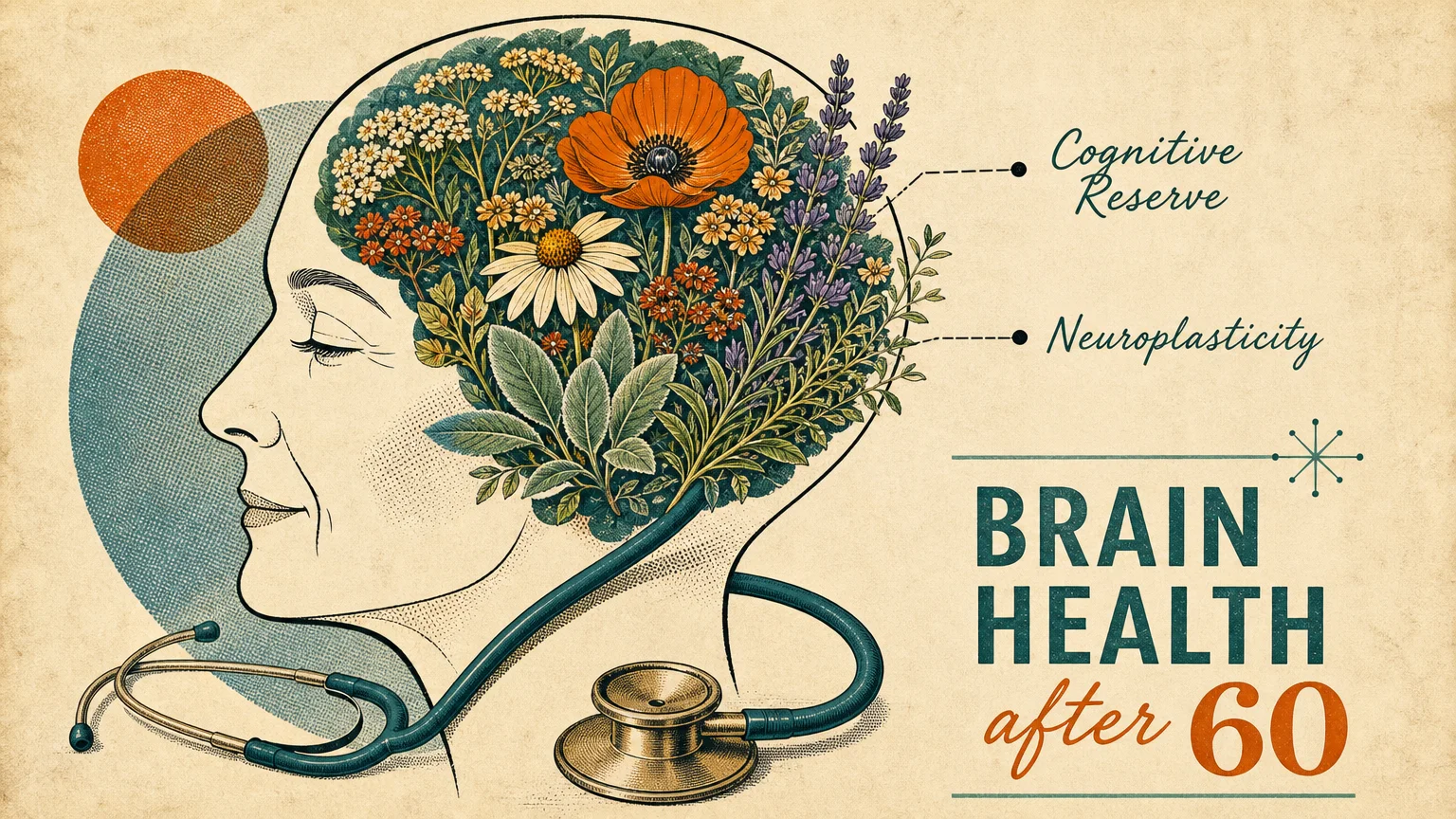
Finally, researchers funded by the National Institutes of Health continue to discover how maintaining strong social connections builds crucial cognitive reserve. Their ongoing research demonstrates that actively learning new skills and socializing literally protects your brain’s physical structure and promotes vital neuroplasticity as you grow older.

Practical Steps and Actionable Advice
When you or a loved one recognize the early warning signs of cognitive decline, you must take immediate, decisive action. First, schedule a comprehensive, extended wellness evaluation with your primary care physician. During this appointment, explicitly request standard cognitive screening tests to establish a clear medical baseline. You need concrete, numerical data to track any future neurological changes accurately.
Second, begin meticulously documenting specific examples of memory lapses, poor judgment, or spatial confusion in a dedicated physical notebook. Bringing this written evidence directly to your medical appointments prevents you from forgetting vital details when speaking with your busy doctor. Third, gather all your current prescription medications, over-the-counter supplements, and daily vitamins into a bag and ask your local pharmacist to review them for potentially dangerous interactions that might trigger artificial confusion.
Fourth, aggressively prioritize your fundamental cardiovascular health. What actively benefits your heart directly benefits your brain. Engage in moderate aerobic exercise—such as brisk walking, cycling, or swimming—for at least thirty minutes a day to force oxygen-rich blood into your vulnerable brain tissue. Finally, adopt a nutrient-dense eating pattern rich in dark leafy greens, healthy fats, and lean proteins to effectively reduce systemic inflammation and actively protect your remaining neural pathways.
Frequently Asked Questions
Can early signs of dementia be completely reversed?
In certain highly specific scenarios, you can completely reverse dementia-like symptoms. Medical conditions such as severe vitamin B12 deficiencies, untreated thyroid gland disorders, chronic dehydration, and undiagnosed urinary tract infections perfectly mimic advanced cognitive decline. Once your doctor accurately identifies and successfully treats these underlying physical ailments, your memory and critical thinking skills typically return to their normal, healthy baseline.
Is dementia guaranteed to happen if my parents had the disease?
While family genetics undoubtedly influence your overall risk profile, inheriting certain genes does not mathematically guarantee that you will develop cognitive impairment. Researchers have identified specific genetic markers—such as the APOE-e4 gene—that significantly elevate your risk for Alzheimer’s disease. However, many individuals who carry this exact gene never develop the disease, while others without any known family history frequently do.
How rapidly does cognitive decline progress after the first symptoms appear?
The precise speed of neurological decline varies wildly depending on the specific type of dementia and your unique biological makeup. Some individuals experience an aggressive, rapid deterioration over just a few short years; others experience a highly gradual, slow-moving decline that allows them to live independently, actively, and joyfully for well over a decade after their initial diagnosis.
What should you do if a family member stubbornly refuses to visit a doctor?
Navigating medical resistance requires immense patience and strategic empathy. Rather than aggressively confronting your loved one about their failing memory—which frequently triggers immediate anger and defensiveness—frame the necessary doctor’s visit as a standard, routine wellness checkup required by their health insurance. You can also privately contact their primary care physician beforehand to share your specific observations, allowing the doctor to gently guide the examination.
Does a diagnosis of mild cognitive impairment always lead to full dementia?
Receiving a diagnosis of mild cognitive impairment simply means you experience more memory issues than average for your specific age group. It absolutely does not guarantee a future dementia diagnosis. Many older adults with this exact condition remain completely neurologically stable for the rest of their lives, and a small percentage even experience noticeable improvements in their daily cognitive function after making aggressive lifestyle changes.
Moving Forward with Confidence and Clarity
Taking absolute control of your cognitive health requires remarkable courage, unyielding vigilance, and a willingness to confront uncomfortable truths head-on. By actively monitoring your daily habits and remaining deeply attuned to the ten specific warning signs outlined above, you position yourself to catch neurological changes when they remain most treatable. You possess the definitive power to advocate for your own medical care, demand comprehensive testing, and implement daily lifestyle modifications that fiercely protect your remaining brain function. Let this knowledge serve as your powerful foundation for healthy, proactive aging. Do not let fear paralyze your decision-making process; instead, use this critical information to partner effectively with your healthcare team, protect your hard-earned independence, and confidently secure your long-term physical and mental well-being.
This article is intended for informational and educational purposes only and is not a substitute for professional medical advice, diagnosis, or treatment. Always consult with a qualified healthcare provider regarding any health concerns or before making any decisions related to your health or treatment.