Paying attention to subtle changes in your body can mean the difference between a quick medical fix and a prolonged health crisis, especially as you enter your sixties and beyond. Identifying and discussing key health warning signs with your physician early directly improves your longevity and preserves your independence. While occasional aches or mild fatigue often accompany normal aging, certain symptoms demand immediate professional evaluation. This guide breaks down the critical physical changes you should never ignore. You will learn how to distinguish harmless quirks of getting older from serious medical red flags, equipping you to make confident, proactive decisions about your health.
Understanding the Basics of Health Warning Signs
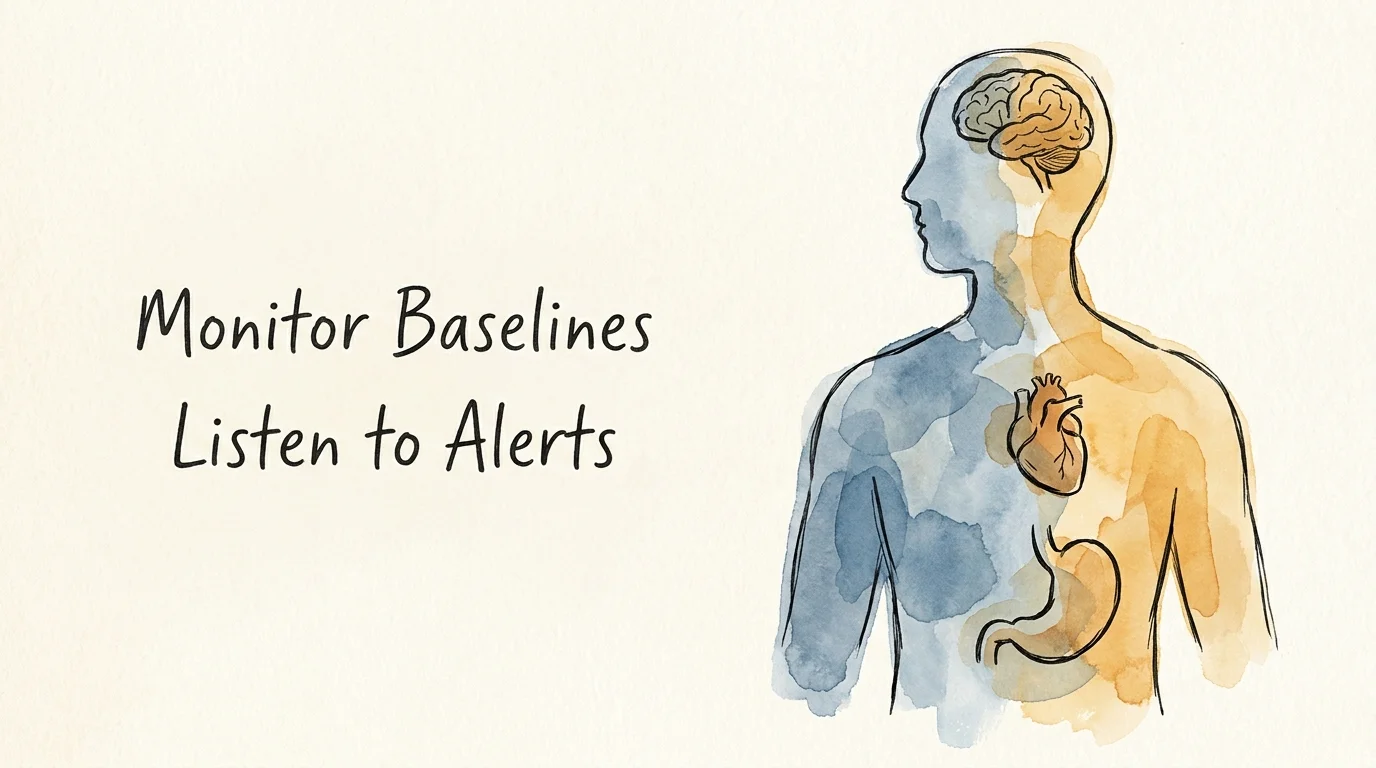
Your biological systems naturally undergo cellular changes as the decades pass. Arteries become stiffer, lung capacity decreases slightly, and your metabolism naturally slows down. Medical professionals expect these standard milestones of aging. However, abrupt shifts in your daily physical comfort indicate that something unusual is bypassing your body’s standard defenses. A symptom represents your central nervous system recognizing physiological damage and sending a direct alert to your brain. You must actively listen to these alerts rather than silencing them with over-the-counter painkillers or sheer willpower.
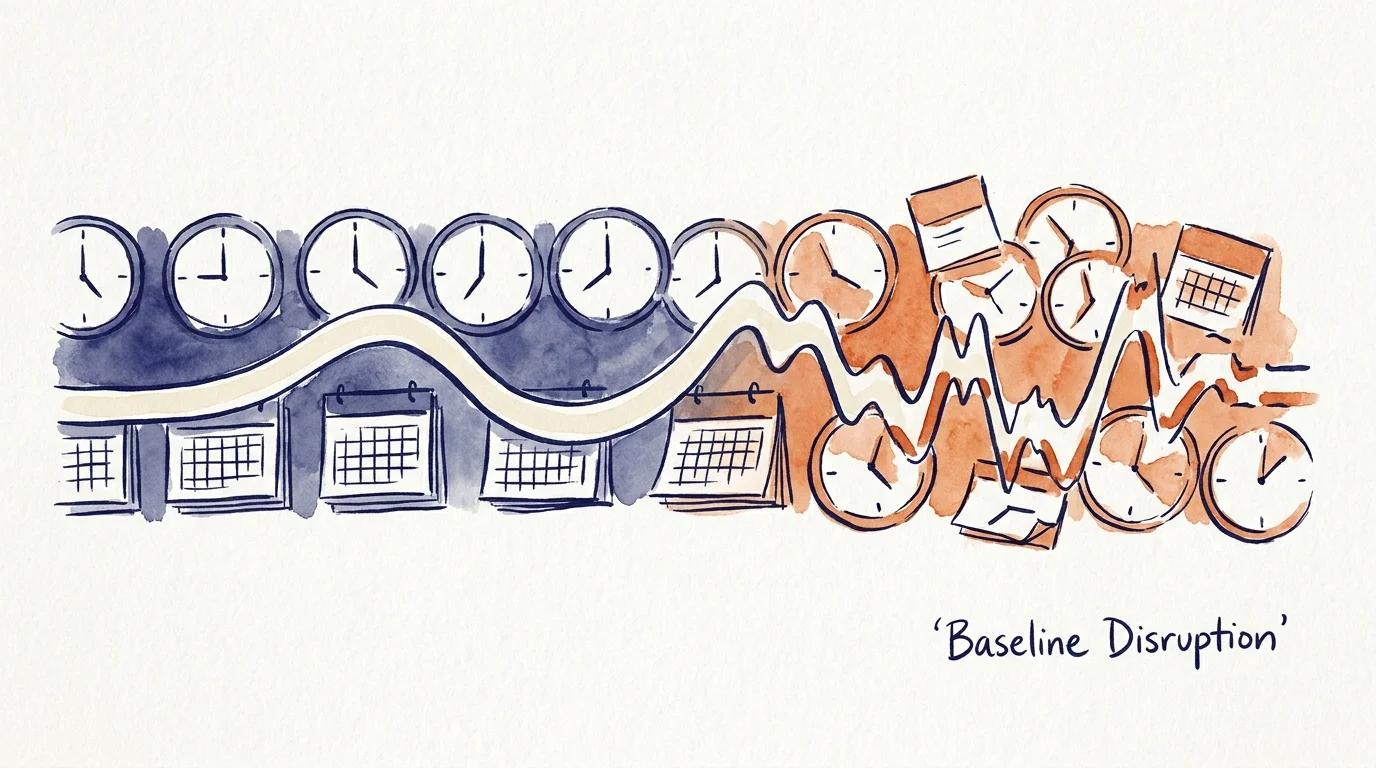
Understanding your personal health baseline serves as your greatest defensive weapon against chronic disease. Your baseline comprises your average energy levels, your standard digestion speed, your typical sleep quality, and your usual cognitive sharpness. When an acute disease process begins, it disrupts this baseline first. Older adults frequently fall into the trap of symptom normalization—assuming extreme joint pain, sudden exhaustion, or digestive distress simply comes with the territory of getting older. This dangerous mindset allows highly treatable conditions to fester into chronic, debilitating diseases.
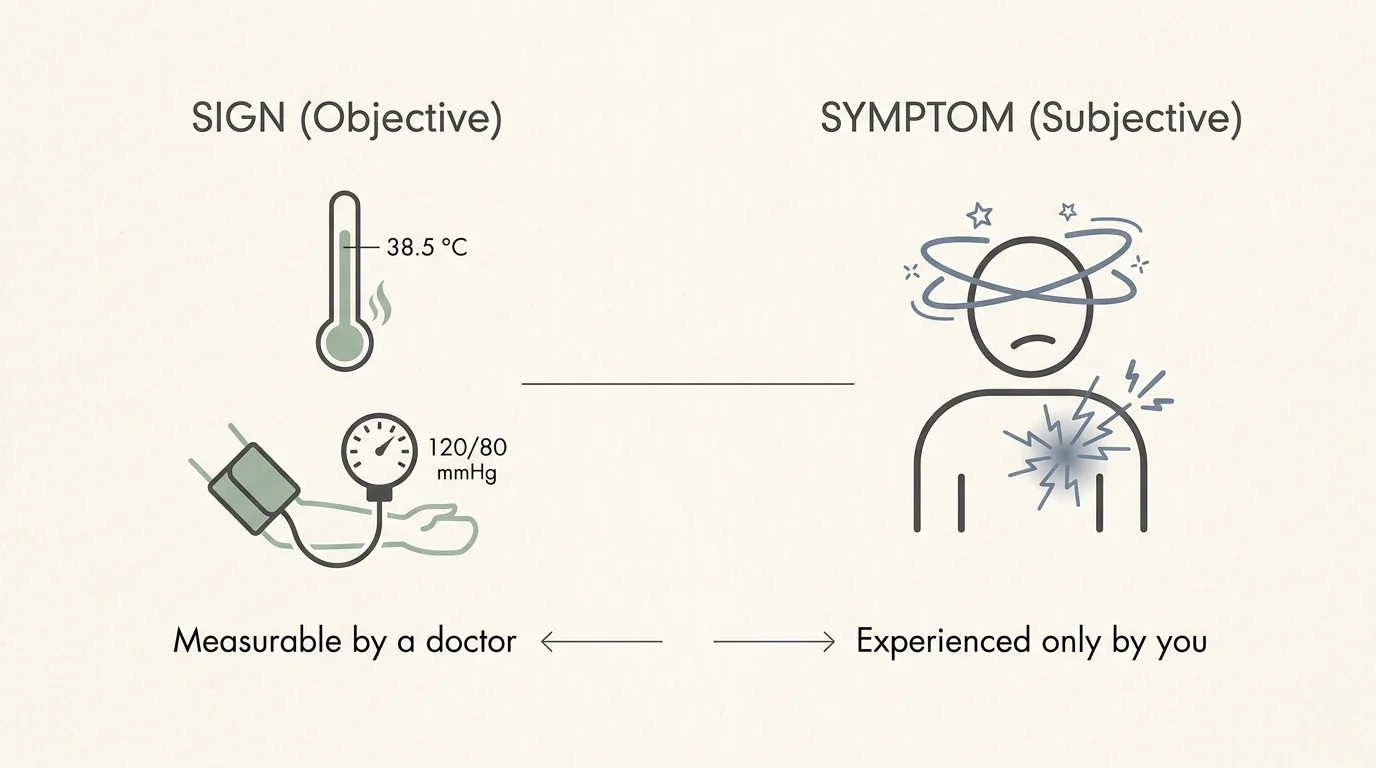
The distinction between a medical “sign” and a “symptom” is crucial for effective communication. A sign is an objective measurement a doctor can observe, such as high blood pressure or a fever. A symptom is a subjective experience only you can feel, such as nausea, dizziness, or localized pain. Because doctors cannot test for your subjective experience without your input, your willingness to speak up remains the single most important factor in the diagnostic process. Modern medical science possesses advanced diagnostic tools to pinpoint the root cause of these deviations, provided you initiate the conversation.
Key Considerations for Seniors: 11 Symptoms Not to Ignore
Aging inherently changes how your body presents illness. Pain receptors sometimes blunt with age, meaning a severe internal issue might manifest as a dull ache rather than a sharp pain. Furthermore, the presence of multiple chronic conditions—known as comorbidities—can mask the arrival of a new disease. You must remain vigilant and monitor the following eleven symptoms closely.

1. Unexplained Weight Loss
Dropping pounds without deliberately changing your diet or exercise routine warrants immediate medical attention. Losing five percent or more of your overall body weight over six to twelve months often indicates an underlying systemic issue. Conditions ranging from hyperthyroidism and poorly managed diabetes to various forms of cancer or severe gastrointestinal disorders can aggressively drive unexplained weight loss. Furthermore, undiagnosed dental issues, chewing difficulties, or hidden depressive episodes can subtly suppress your appetite without you realizing it. You must report this specific weight change to your doctor so they can order a comprehensive blood panel and evaluate your baseline nutritional status before muscle wasting compromises your mobility.
2. Sudden Changes in Bowel or Bladder Habits
Your digestive and excretory systems offer a highly accurate daily snapshot of your internal health. If you suddenly experience persistent diarrhea, severe constipation lasting more than a few days, or notice black, tarry blood in your stool, you need an urgent medical evaluation. Similarly, new-onset urinary incontinence, sudden frequent urges to urinate, or burning pain during urination indicate potential acute problems. In older adults, these symptoms routinely point to urinary tract infections, severe prostate enlargement in men, pelvic floor muscle dysfunction, or early-stage colorectal cancer. Addressing these plumbing issues early prevents severe secondary complications, such as kidney infections, and significantly improves your daily comfort and confidence.

3. Persistent Fatigue That Rest Does Not Cure
Feeling exceptionally tired after a busy day gardening or playing with grandchildren is completely normal; waking up profoundly exhausted after eight solid hours of sleep and struggling to function is not. Profound, unyielding fatigue often serves as the primary warning symptom for several serious physiological conditions. These include advanced anemia, congestive heart failure, undiagnosed sleep apnea, or underlying chronic infections. When your heart pumps less efficiently, it redirects oxygenated blood away from your skeletal muscles to protect your vital organs, leaving your limbs feeling incredibly heavy. Keep a close eye on when the fatigue hits and how it affects your routine so your physician can perform targeted diagnostic tests.
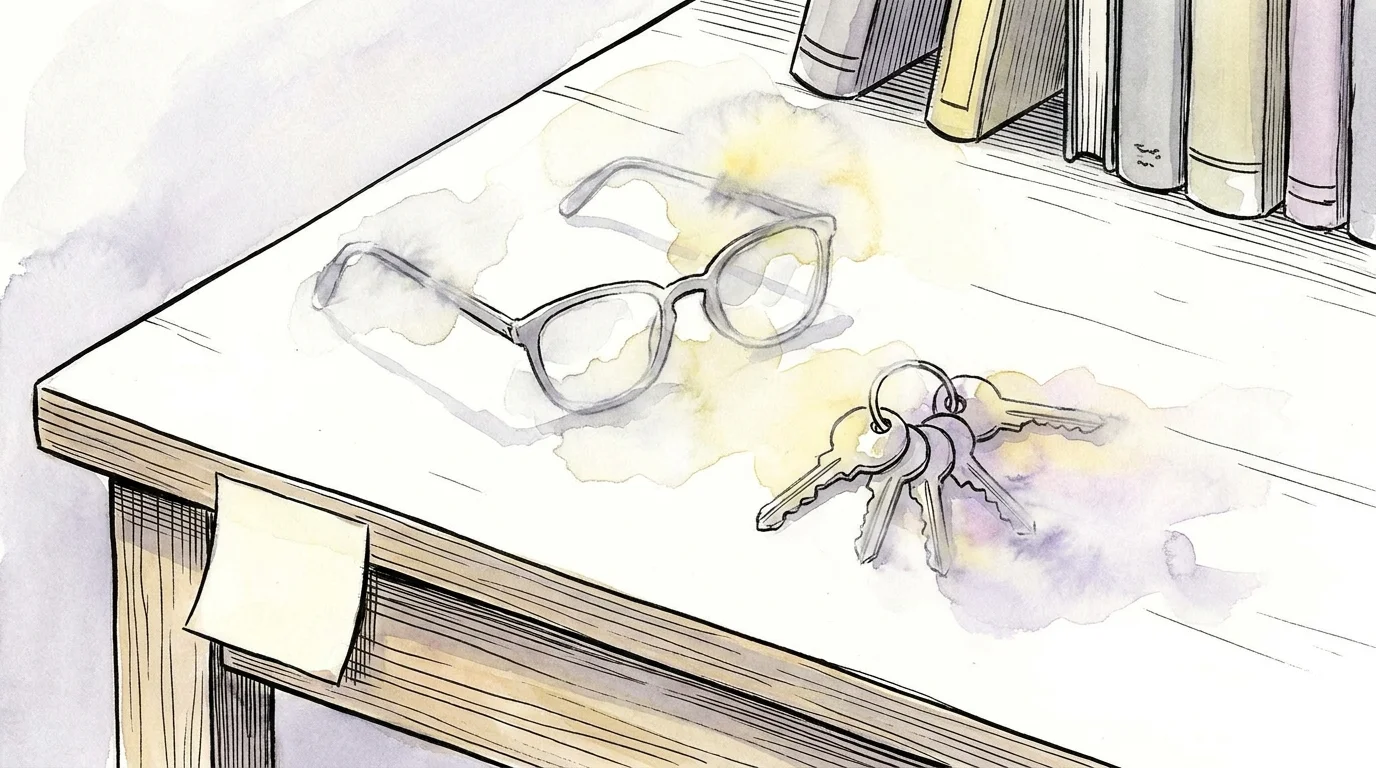
4. Uncharacteristic Memory Loss or Sudden Confusion
Occasional forgetfulness—like misplacing your reading glasses or forgetting a distant acquaintance’s name—rarely causes medical alarm. However, suddenly forgetting how to navigate highly familiar driving routes, struggling to complete routine household tasks, or experiencing sudden bouts of spatial disorientation requires emergency care. In older adults, rapid-onset confusion often indicates a condition called delirium, which frequently stems from an acute urinary tract infection, severe dehydration, or a dangerous interaction between multiple prescription medications. Gradual, progressive memory decline might point toward Alzheimer’s disease or other forms of dementia. A prompt evaluation allows your healthcare team to reverse temporary confusion immediately or initiate therapies that effectively slow the progression of chronic cognitive decline.

5. Shortness of Breath During Routine Activities
If walking to the mailbox, making the bed, or climbing a short flight of stairs suddenly leaves you gasping for air, you must consult your doctor immediately. Shortness of breath—medically known as dyspnea—frequently signals severe cardiovascular or respiratory distress. It serves as a classic, undeniable warning sign for chronic obstructive pulmonary disease, late-onset asthma, pulmonary embolism, or congestive heart failure. Another major red flag involves waking up in the middle of the night gasping for breath, a condition known as paroxysmal nocturnal dyspnea. Do not write this off as a mere decline in your physical fitness; cardiopulmonary issues require immediate management to prevent irreversible tissue damage.

6. New, Severe, or Unusual Headaches
While many people experience standard tension headaches throughout their lives, a sudden, exceptionally severe headache—often described by patients as a “thunderclap”—demands immediate emergency intervention. Additionally, new types of headaches that begin after age fifty raise serious medical red flags, especially those accompanied by a fever, sudden vision changes, or profound tenderness at your temples. These highly specific symptoms can indicate a transient ischemic attack, a ruptured brain aneurysm, or temporal arteritis. Temporal arteritis involves severe inflammation of the blood vessels in your scalp and can cause permanent, irreversible blindness within days if left untreated by a medical professional.

7. Sudden Vision Changes or Eye Pain
Your vision plays a highly critical role in preventing dangerous falls and maintaining your daily independence. You should never ignore a sudden influx of floating spots, bright flashes of light, a dark curtain falling over a portion of your field of vision, or acute, throbbing eye pain. These specific visual disturbances directly point toward a retinal tear, retinal detachment, acute angle-closure glaucoma, or rapidly advancing macular degeneration. Because the delicate neural tissues in your eyes deteriorate incredibly rapidly when their blood supply is compromised, immediate surgical or pharmacological intervention from an ophthalmologist often proves essential to preserve your long-term sight.
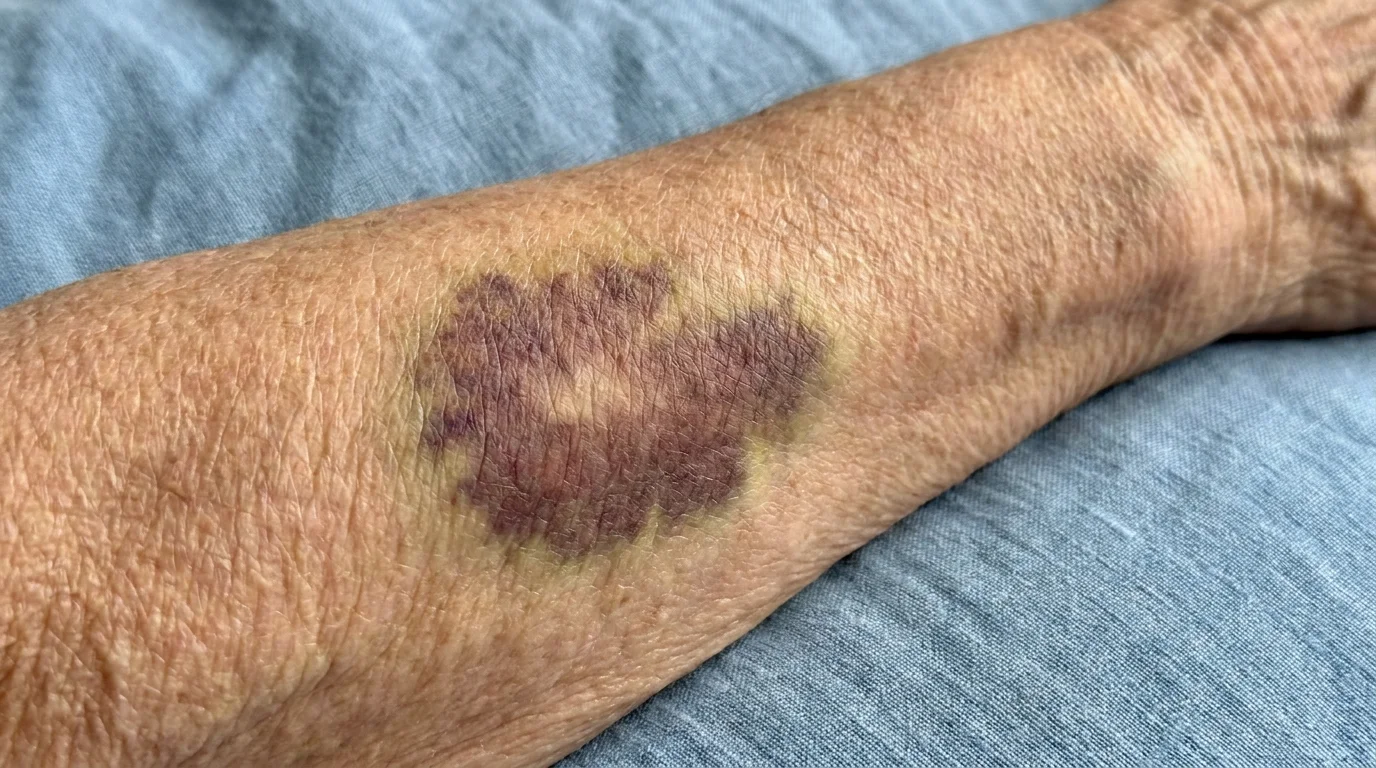
8. Unexplained Bleeding or Extensive Bruising
Finding massive, unexplained bruises on your torso or experiencing prolonged, heavy bleeding from minor kitchen cuts suggests a dangerous disruption in your blood’s ability to clot properly. This symptom becomes particularly relevant and urgent if you take anticoagulant medications—commonly known as blood thinners—to manage atrial fibrillation or prevent strokes. Beyond accidental medication overdoses, spontaneous bleeding can signal undiagnosed liver disease, severe vitamin K deficiencies, or blood-borne malignancies like leukemia. Provide your doctor with a complete, updated list of your medications and over-the-counter herbal supplements, as certain combinations dramatically increase your systemic bleeding risks.
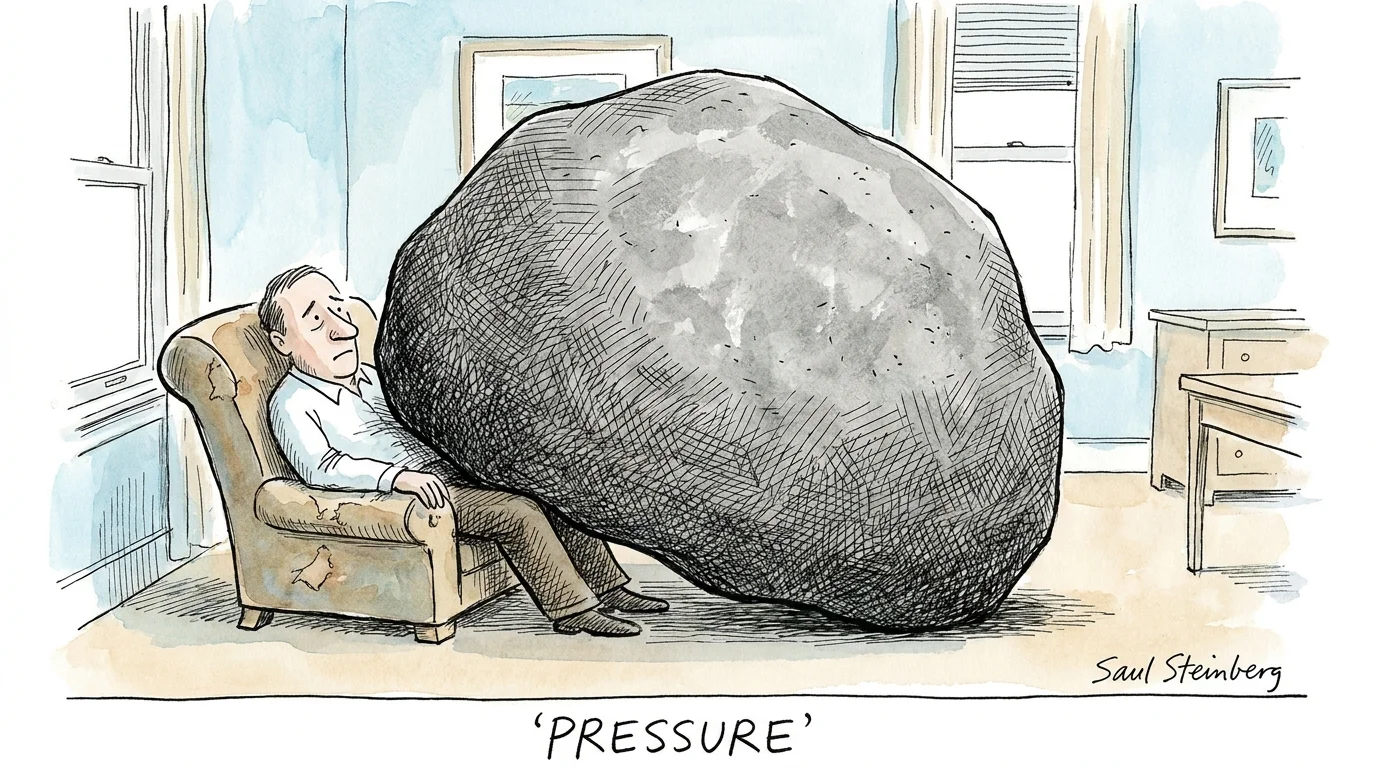
9. Persistent Chest Discomfort, Pressure, or Tightness
Chest pain remains the most widely recognized symptom of a severe heart attack, but dangerous cardiovascular events often present entirely differently in older seniors and women. You might experience a vague sensation of squeezing, profound fullness, or heavy pressure in the center of your chest rather than a sharp, localized pain. This discomfort frequently radiates to your lower jaw, neck, shoulders, or back, and might be accompanied by cold, clammy sweats or sudden nausea. Even if you suspect you are merely experiencing severe heartburn or gastric indigestion, always err on the side of caution. Let an emergency room electrocardiogram definitively rule out a life-threatening cardiac event.
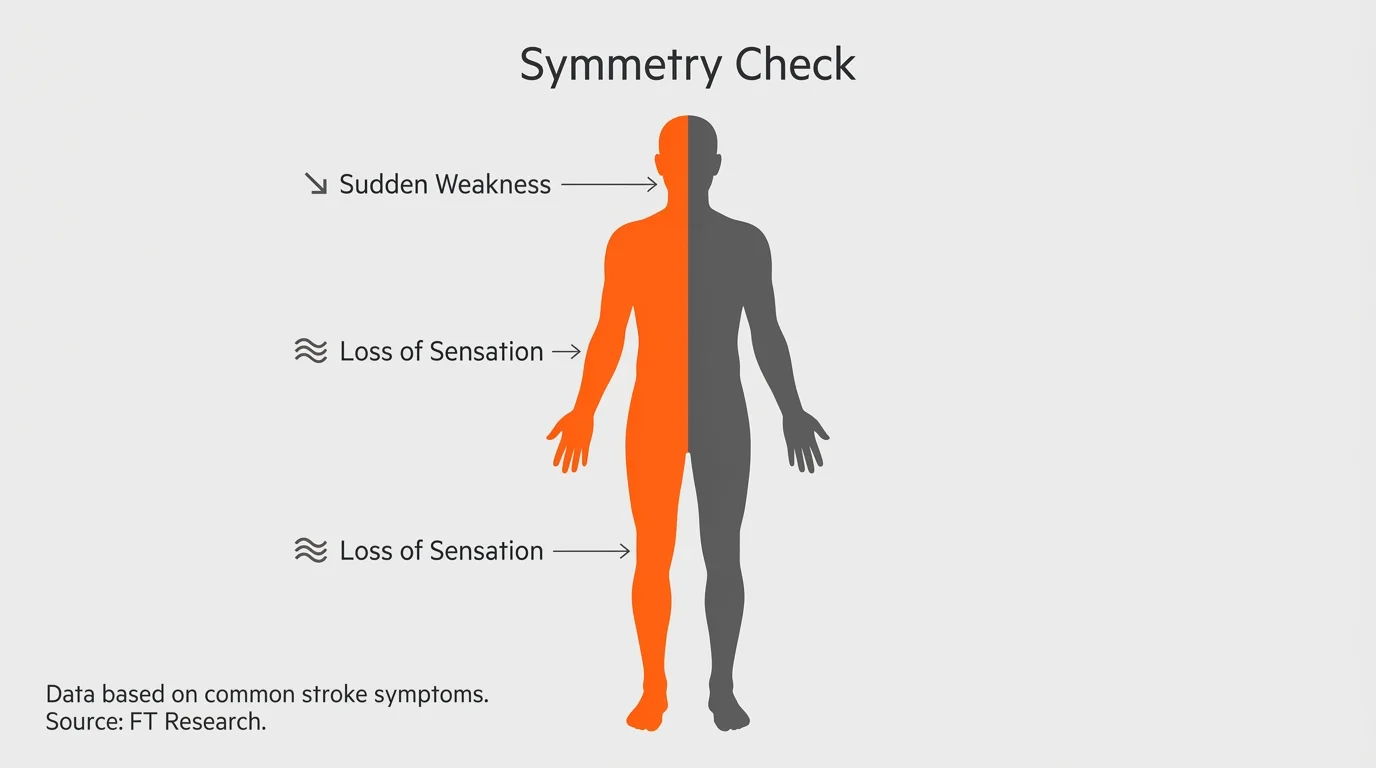
10. Sudden Numbness or Weakness on One Side
Experiencing a sudden loss of physical sensation or motor strength in your face, arm, or leg—especially if the weakness is completely isolated to one side of your body—stands as the hallmark medical indicator of an ischemic stroke or a transient ischemic attack. You might also notice slurred, garbled speech or a sudden, catastrophic loss of physical balance. During an active stroke, millions of vital brain cells die every single minute their oxygen supply is cut off. Immediate emergency medical care allows emergency physicians to administer powerful clot-busting drugs that can rapidly reverse the neurological damage and completely preserve your cognitive function.

11. Difficulty Swallowing or Feeling Full Quickly
If you regularly choke on your solid food, feel like heavy meals get permanently stuck in your lower chest, or experience sharp pain during the physical act of swallowing, you face a serious medical condition called dysphagia. Additionally, feeling completely, uncomfortably full after eating only a few small bites of food—clinically known as early satiety—warrants an immediate internal investigation. These specific gastrointestinal symptoms can stem from severe acid reflux damage, restrictive esophageal strictures, or various advanced malignancies, including stomach, esophageal, and ovarian cancer. Proper diagnostic imaging allows your doctor to visualize your digestive tract directly and implement a swift treatment plan.
Benefits of Early Action and Potential Risks of Delay
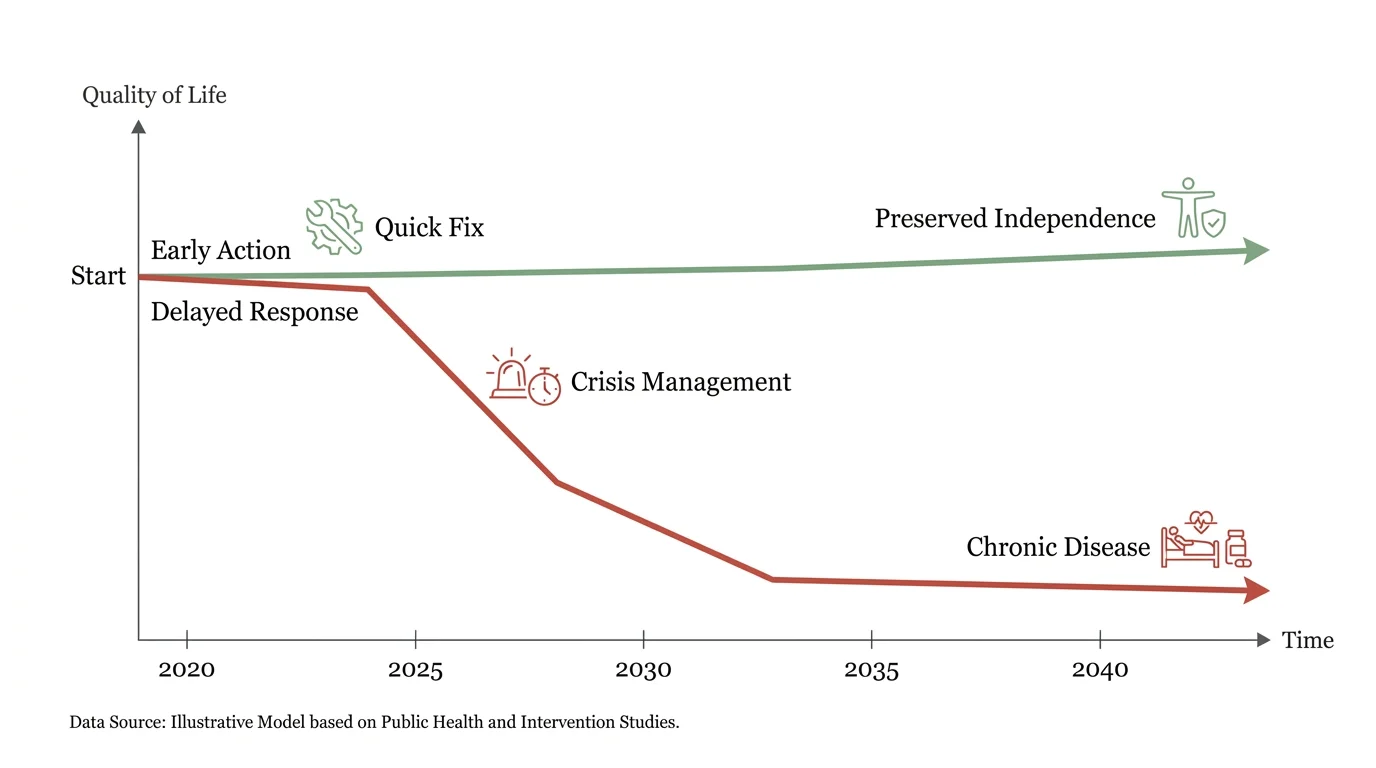
The psychological and physical benefits of reporting your symptoms early extend far beyond mere survival rates; early action directly dictates the quality of your remaining years. Catching a localized, early-stage cancer often requires only minor, outpatient surgery, whereas discovering that same cancer years later mandates grueling rounds of systemic chemotherapy and extensive radiation. By speaking up the moment you notice a bodily change, you aggressively preserve your personal autonomy, protect your physical mobility, and massively reduce the financial burden of extended inpatient hospital stays.
Conversely, the risks of delaying care can prove catastrophic. Some seniors actively choose to ignore their symptoms due to a deep-seated fear that reporting an issue will inevitably lead to a terrifying cascade of invasive medical tests, harsh medication side effects, or a total loss of independent living. While the medical field acknowledges the existence of iatrogenic risks—which are complications directly stemming from medical investigations or treatments themselves—avoiding your doctor almost always carries a significantly higher statistical risk of irreversible harm. You and your primary care physician must collaborate closely, weighing the temporary discomfort of a diagnostic procedure against the immense, life-altering danger of allowing a hidden, destructive condition to escalate unnoticed.

What the Leading Health Experts Say
Major international health organizations constantly reiterate the value of early symptom detection and proactive patient communication. According to research published by the National Institutes of Health, older adults frequently and dangerously underestimate the severity of their daily symptoms, stubbornly attributing serious physiological changes to the natural, unavoidable aging process. This widespread, cultural misconception directly contributes to massively delayed diagnoses and drastically poorer clinical outcomes.
The Centers for Disease Control and Prevention strongly emphasizes the absolute importance of routine health screenings and the immediate reporting of acute bodily changes. Their data conclusively shows that chronic diseases—which currently account for the vast majority of adult healthcare costs and overall mortality—are highly manageable, and often reversible, when physicians catch them in their initial stages.
Furthermore, clinical experts at the Mayo Clinic vigorously advocate for continuous, highly transparent dialogues between aging patients and their primary care providers. They recommend viewing your doctor as a dedicated, long-term partner in your ongoing health journey rather than a mechanic you only visit in a state of absolute emergency. Scientific consensus confirms that individuals who proactively document and communicate even minor physical changes to their healthcare team experience longer, vibrant lives with significantly fewer emergency room visits.
Practical Steps and Actionable Advice
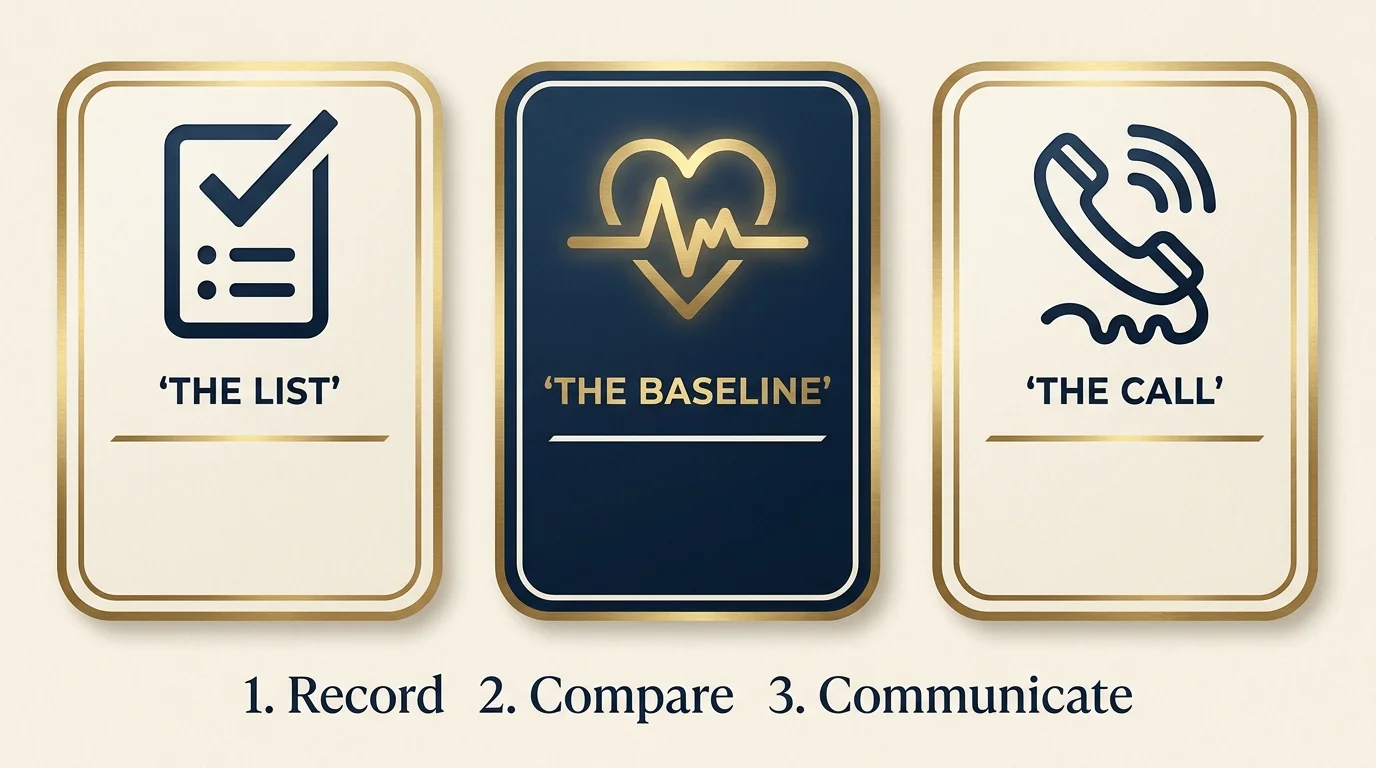
Now that you know exactly which physical symptoms demand professional attention, you must actively prepare to communicate those symptoms effectively to your medical team. First, start keeping a highly detailed symptom journal today. Write down exactly what date and time the symptom occurs, exactly how long the episode lasts, its objective severity on a scale of one to ten, and what specific physical activities or meals seem to trigger it. Presenting this concrete, organized data immediately gives your physician a clear, unmistakable diagnostic roadmap.
Second, always prepare a prioritized, written list of your primary health concerns before you step foot into the medical clinic. Standard medical appointments often move incredibly quickly; having your notes clearly written out ensures you definitively cover your most critical physical issues without getting accidentally sidetracked by secondary or minor topics.
Third, gather and bring all your physical pill bottles to your next appointment, including every single daily vitamin, over-the-counter painkiller, and herbal supplement you consume. Many alarming physical symptoms—including profound dizziness, spontaneous bleeding, and sudden confusion—stem directly from entirely preventable drug interactions. Your doctor needs to physically see your dosages to protect you.
Finally, strongly consider bringing a trusted friend, spouse, or adult child to your medical appointment. A second set of attentive ears can help you accurately remember complex medical instructions, take detailed notes on your behalf, and provide immense moral support, ensuring you ask all your prepared questions and advocate fiercely for your own physical wellbeing.
Frequently Asked Questions
How long should I wait before calling my doctor about a new symptom?
If a brand-new symptom involves severe, crushing pain, sudden muscle weakness, immediate breathing difficulties, or heavy, uncontrolled bleeding, you must seek emergency medical care immediately without waiting. For much milder, non-emergency symptoms, a safe general rule is to monitor them closely for one to two weeks. If the specific issue persists beyond that timeframe, steadily worsens in intensity, or begins actively disrupting your daily life, schedule a standard appointment without any further delay.
Should I go to the emergency room or wait to see my primary care physician?
You must strictly utilize the emergency room for sudden, catastrophic, and life-threatening events such as acute chest pain, visible stroke symptoms, severe physical trauma, or a total inability to catch your breath. For gradual, long-term changes, such as mild but persistent weight loss, a slow increase in daily fatigue, or shifting bowel habits, your primary care physician provides a much better, calmer environment for comprehensive diagnostic testing and long-term treatment planning.
What if I feel too embarrassed to discuss a certain physical symptom?
Medical professionals evaluate countless patients facing every conceivable bodily function issue every single day. Whether you personally struggle with sudden urinary incontinence, severe sexual dysfunction, or unusual bowel movements, your doctor has seen and treated it hundreds of times before. You must consciously push past your temporary embarrassment; withholding critical physiological information directly compromises your overall care and completely prevents you from receiving highly effective, life-improving treatments.
Can daily medication side effects mimic serious health warning signs?
Absolutely. Prescription drugs frequently cause intense side effects that perfectly mirror the symptoms of serious organic diseases. Routine blood pressure medications can cause profound, terrifying dizziness, while certain heavy antidepressants or cholesterol-lowering statins might induce severe muscle fatigue or deep mental confusion. You should never stop taking a prescribed medication entirely on your own, but you must contact your doctor immediately to aggressively discuss a dosage adjustment or a much safer alternative prescription.
How can I accurately track my daily symptoms for my doctor?
Use a dedicated small notebook or a specialized smartphone application exclusively reserved for tracking your daily health. Rigorously record the exact date, the specific time of day, the total duration of the event, and the perceived physical intensity of the symptom. Carefully note any corresponding external events, such as exactly what you ate for lunch, your physical activity level at the time, or your current emotional stress levels. This highly specific, actionable data directly helps your doctor identify hidden patterns and reach an incredibly accurate diagnosis much faster.
Moving Forward with Confidence
Your physical body continuously provides you with vital, real-time information about its internal state. Recognizing and deeply respecting these eleven medical warning signs instantly empowers you to take decisive, life-saving action. You simply do not have to accept severe daily pain, profound physical fatigue, or sudden bodily limitations as inevitable, unchangeable consequences of growing older. By tracking your unique symptoms meticulously and communicating them clearly and unapologetically to your trusted healthcare team, you actively protect your personal autonomy and maximize your overall longevity. Approach your ongoing health with vibrant curiosity and steadfast vigilance, and never hesitate to demand comprehensive medical answers when your body clearly signals that something internal has gone wrong.
This article is intended for informational and educational purposes only and is not a substitute for professional medical advice, diagnosis, or treatment. Always consult with a qualified healthcare provider regarding any health concerns or before making any decisions related to your health or treatment.