What are you looking for?

Search through our content to find what you need

7 Early Signs Your Body Needs More Magnesium

Discover seven early warning signs of magnesium deficiency in adults over 60. Learn to identify symptoms, understand risks, and safely improve your health.

Recognizing a magnesium deficiency early can protect your heart, preserve your bone density, and drastically improve your daily energy levels. As you age, your body naturally becomes less efficient at absorbing essential nutrients from food, making adults over sixty particularly vulnerable to hidden mineral shortfalls. Magnesium drives over three hundred biochemical reactions in your system, from regulating nerve function to supporting a steady heartbeat. Ignoring early warning signs like unexplained fatigue or sudden muscle cramps can lead to severe health complications. By understanding exactly what your body is trying to tell you, you can take immediate action to restore your nutrient balance and safeguard your long-term independence.
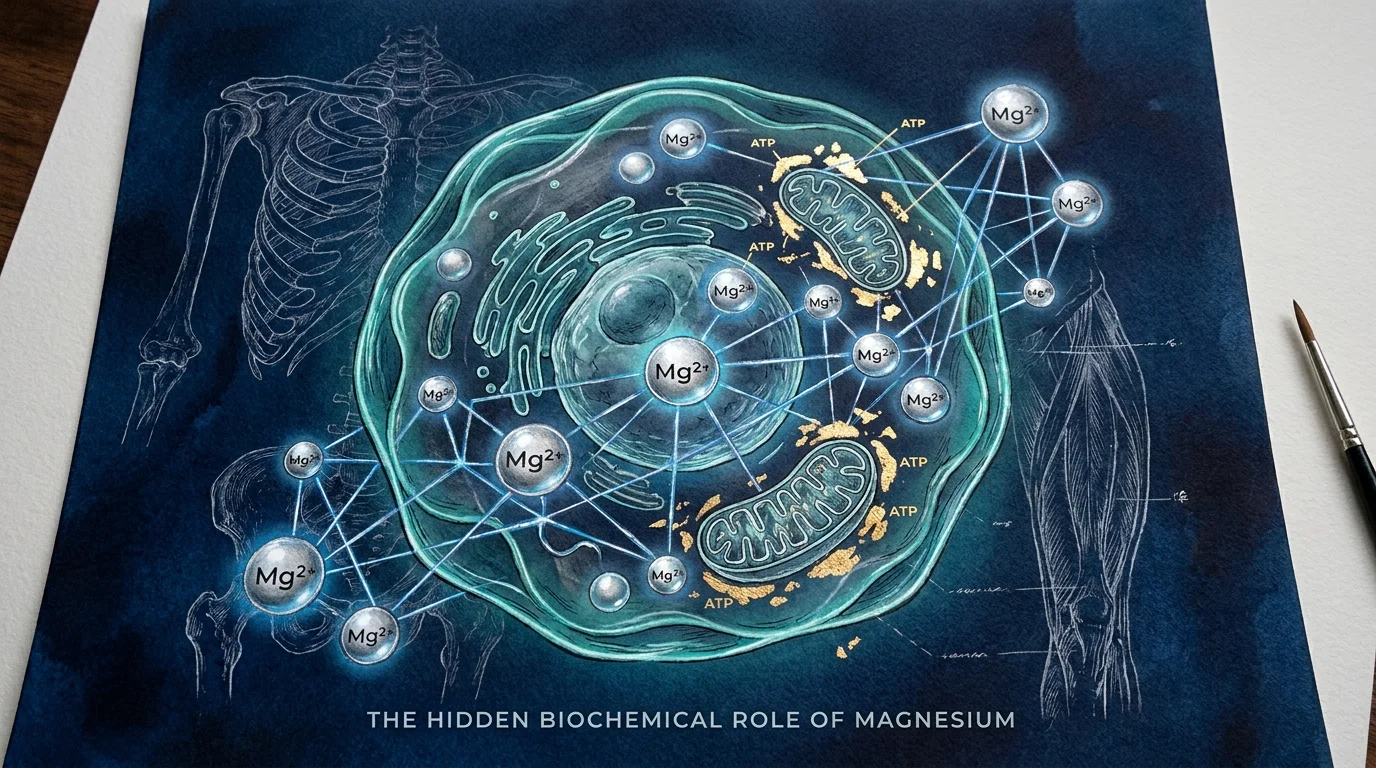
A conceptual mixed-media illustration of a human cell with magnesium ions acting as catalysts for energy and bone structure.
nesium ions power cellular energy and support the skeletal and muscular systems in this detailed illustration.”

Let’s try:
“This detailed illustration shows magnesium ions powering cellular e

Understanding the Basics: The Hidden Role of Magnesium

Magnesium operates as an essential macromineral, which means your body requires it in relatively large amounts to sustain fundamental life functions. Unlike trace minerals that you only need in microscopic doses, magnesium acts as a major structural component of your bones and a vital catalyst for cellular energy production. Every single cell in your body contains this mineral and relies on it to function properly. When you fail to consume enough through your diet, your body actively pulls magnesium from your bones to maintain critical levels in your bloodstream, silently compromising your skeletal integrity over time.


The First Sign: Muscle Twitches, Spasms, and Cramps. Experiencing a sudden, sharp pain in your calf or foot—commonly known as a charley horse—often points directly to a magnesium shortfall. In healthy muscle tissue, calcium triggers muscle fibers to contract, while magnesium steps in to help those fibers relax. When you lack adequate magnesium, calcium floods your muscle cells unchecked, keeping the fibers in a state of hyper-contraction. For older adults, these painful spasms frequently strike during the night, severely disrupting sleep patterns and leaving muscles feeling bruised or exhausted the following day.

The Second Sign: Unexplained Fatigue and Generalized Weakness. Feeling tired after a long, active day is completely normal; however, persistent, heavy exhaustion that sleep cannot cure often signals a cellular energy crisis. Magnesium binds with adenosine triphosphate (ATP), the primary energy currency of your cells, to create the biologically active form of energy your body uses. Without sufficient magnesium, your cells quite literally cannot produce enough power to keep you moving comfortably. Furthermore, this deficiency forces potassium out of your muscle cells, resulting in myasthenia—a condition characterized by profound physical weakness that makes climbing stairs or carrying groceries feel monumental.

The Third Sign: Noticeable Changes in Mental Health and Mood. Magnesium exerts a profound influence on your neurological system by regulating neurotransmitters, the chemical messengers that transmit signals throughout your brain. A severe deficiency directly impairs the function of the hypothalamic-pituitary-adrenal (HPA) axis, which controls how your body responds to stress. As a result, early shortfalls often manifest as emotional apathy, heightened anxiety, or an uncharacteristic lack of interest in daily activities. When your nervous system lacks this natural relaxant, you may also find yourself feeling unusually irritable, overwhelmed, or trapped in a state of brain fog.

The Fourth Sign: Rising Blood Pressure Levels. Managing hypertension becomes increasingly crucial as you navigate your senior years, and magnesium plays a direct role in keeping your blood vessels flexible. This mineral naturally stimulates the production of nitric oxide, a signaling molecule that tells your blood vessels to relax and dilate. When you run low on magnesium, your blood vessels constrict, forcing your heart to pump harder and driving your blood pressure upward. Animal studies and human clinical trials consistently demonstrate that correcting a magnesium deficit can meaningfully lower both systolic and diastolic blood pressure readings.

The Fifth Sign: Irregular Heartbeats and Sudden Palpitations. Few sensations provoke as much immediate anxiety as a fluttering, racing, or skipping heartbeat. Because your heart is essentially a complex, continuously working muscle, it depends heavily on a delicate balance of electrolytes—including potassium, calcium, and magnesium—to maintain a steady electrical rhythm. A magnesium deficiency disrupts this internal pacemaker, causing arrhythmias that can leave you feeling lightheaded, breathless, or dizzy. For older adults, these dizzy spells drastically increase the risk of dangerous falls and require immediate medical evaluation.

The Sixth Sign: Nausea and a Decreased Appetite. Subtle changes in your digestive system often serve as the earliest, most easily dismissed warnings of a mineral deficiency. Because magnesium regulates the smooth muscle contractions in your gastrointestinal tract, a lack of this nutrient can slow down digestion and make you feel uncomfortably full, mildly nauseated, or entirely disinterested in eating. Unfortunately, many seniors mistake this symptom for a minor stomach bug or assume it represents a normal part of the aging process, creating a vicious cycle where a loss of appetite leads to eating even less magnesium-rich food.

The Seventh Sign: Accelerated Bone Density Loss. You probably associate strong bones entirely with calcium intake, but roughly sixty percent of your body’s total magnesium resides in your skeleton. Magnesium actively converts inactive vitamin D into its active form, calcitriol, which your body needs to absorb calcium from your diet. If you aggressively supplement with calcium while remaining deficient in magnesium, that calcium cannot properly integrate into your bones; instead, it may calcify in your arteries or form kidney stones. A silent drop in bone density significantly increases your risk of developing osteoporosis and suffering severe fractures from minor impacts.

A diagram comparing the high magnesium absorption efficiency of a 30-year-old versus the reduced efficiency of a 70-year-old.
This visual comparison illustrates how magnesium absorption efficiency declines significantly between age thirty and age seventy.

Key Considerations for Seniors: How Aging Changes Absorption

As you transition into your sixties, seventies, and beyond, your digestive physiology undergoes several changes that make extracting and retaining magnesium significantly more difficult. One of the most common age-related shifts involves hypochlorhydria, a natural decrease in the production of stomach acid. Strong stomach acid is absolutely necessary to break down tough food matrices and separate magnesium from the proteins and fibers holding it together. When your stomach acid levels drop, whole foods simply pass through your digestive tract without releasing their full nutritional payload, leaving you undernourished even if you consume a textbook-perfect diet.

The medications you take daily can also actively deplete your body’s magnesium reserves. Polypharmacy—the concurrent use of multiple prescription medications—affects millions of older adults and frequently creates hidden nutritional blind spots. Proton pump inhibitors, commonly prescribed to treat acid reflux and chronic heartburn, alter the pH of your digestive tract so severely that they drastically inhibit mineral absorption. The longer you take these medications, the more profound the deficit becomes. If you treat high blood pressure with loop or thiazide diuretics, these “water pills” force your kidneys to aggressively excrete essential electrolytes, literally flushing your magnesium reserves down the drain.

Furthermore, standard dietary habits often shift as you age, compounding the problem. Dental issues, ill-fitting dentures, or simple changes in taste preferences might cause you to avoid crunchy, fibrous foods like raw nuts, seeds, and tough leafy greens—the exact foods that offer the highest natural concentrations of magnesium. When you combine reduced stomach acid, nutrient-depleting prescription medications, and a dietary shift toward softer, more processed foods, the likelihood of developing a clinical magnesium deficiency skyrockets.

A mixed-media illustration of a scale balancing healthy foods against icons of heart and bone health.
A golden scale balances magnesium-rich foods against heart and bone health symbols for total body wellness.

Benefits and Potential Risks: Finding Your Balance

Restoring your magnesium levels offers a remarkable array of therapeutic benefits that can significantly elevate your daily quality of life. Achieving an optimal balance helps regulate your sleep architecture by enhancing the production of melatonin and calming your central nervous system, allowing you to finally experience deep, uninterrupted rest. Additionally, healthy magnesium levels improve insulin sensitivity, meaning your cells can process glucose more effectively, which provides a natural defense against the development of type 2 diabetes. By keeping your blood vessels relaxed and your electrical impulses steady, adequate magnesium also serves as a powerful shield against cardiovascular disease and strokes.

However, you must approach supplementation with a clear understanding of the potential risks and downsides. While it is virtually impossible to overdose on magnesium through dietary sources alone, taking high-dose supplements can push your levels into dangerous territory. Hypermagnesemia—magnesium toxicity—can cause extreme lethargy, severe muscle weakness, dangerous drops in blood pressure, and in extreme cases, cardiac arrest. Your kidneys bear the responsibility of filtering out excess magnesium, meaning any degree of age-related chronic kidney disease dramatically amplifies your risk of accidental toxicity.

Even if you have perfectly healthy kidneys, certain forms of supplemental magnesium carry uncomfortable side effects. Magnesium citrate and magnesium oxide famously draw large amounts of water into the intestines, which can provoke sudden, severe diarrhea and stomach cramping. While doctors occasionally leverage this effect intentionally to treat chronic constipation, experiencing daily digestive distress can lead to dehydration and the loss of other vital electrolytes. Furthermore, magnesium supplements can bind to certain medications, including specific classes of antibiotics and bisphosphonates used for osteoporosis, rendering those expensive prescriptions completely ineffective if taken at the same time.

A scientific flowchart detailing how magnesium regulates the HPA axis, nitric oxide, and ATP energy binding.
This scientific diagram illustrates how magnesium intake fuels neurological regulation, supporting stress stability and neurotransmitter balance.

What the Experts Say: Scientific Consensus

Major global health organizations continually emphasize the critical importance of maintaining adequate magnesium intake, particularly for aging populations. The National Institutes of Health strictly recommends a daily dietary allowance of 320 milligrams for women and 420 milligrams for men over the age of thirty. Despite these clear guidelines, extensive survey data collected by the Centers for Disease Control and Prevention consistently reveals that a staggering percentage of older Americans fail to meet even these basic daily minimums, primarily due to the overconsumption of ultra-processed foods that strip away natural minerals during manufacturing.

Experts at the Mayo Clinic strongly advocate for a “food-first” approach to correcting mineral deficiencies, noting that extracting nutrients from whole foods provides essential co-factors, fibers, and antioxidants that pills simply cannot replicate. They also frequently issue warnings regarding supplement interactions, urging older adults to carefully separate their mineral supplements from their daily heart and bone medications by at least two hours. This cautious, medically supervised approach prevents accidental neutralization of life-saving prescriptions.

On a broader scale, the World Health Organization has highlighted the often-overlooked role of drinking water in achieving daily mineral requirements. Historically, hard tap water provided a steady, highly bioavailable stream of dietary magnesium. However, modern municipal water softening processes and the widespread use of reverse osmosis filtration systems in homes actively strip these beneficial minerals from the water supply. This environmental shift has led researchers to emphasize the need for deliberate, proactive dietary adjustments to replace the minerals we no longer receive from our daily water consumption.

A close-up photo of a person preparing a magnesium-rich breakfast with seeds, nuts, and yogurt in a home kitchen.
Boost your magnesium levels by adding healthy pumpkin seeds and sliced almonds to your morning yogurt bowl.

Practical Steps and Actionable Advice: Reclaiming Your Health

Evaluate Your Current Diet for Nutritional Gaps. Your first course of action should always involve integrating more magnesium-rich whole foods into your daily meals. Focus on dark, leafy greens like spinach and Swiss chard, which offer dense concentrations of the mineral. If chewing tough greens poses a challenge, try blending a handful of fresh spinach into a morning fruit smoothie; the blending process breaks down the cellular walls, making the nutrients easier for older digestive tracts to absorb. Incorporate pumpkin seeds, almonds, and black beans into your diet, utilizing smooth nut butters or thoroughly cooked and mashed legumes to protect fragile dental work while maximizing your nutrient intake.

Choose the Correct Supplemental Form. Not all supplements perform equally, and walking down the vitamin aisle can feel overwhelming. If you struggle with insomnia, anxiety, or nighttime muscle cramps, seek out magnesium glycinate; this specific formulation binds the mineral to the calming amino acid glycine, making it highly absorbable and exceptionally gentle on an aging stomach. If you frequently battle constipation, magnesium citrate can serve a dual purpose by modestly boosting your mineral levels while naturally stimulating regular bowel movements. Avoid supplements labeled purely as “magnesium oxide,” as your body only absorbs a fraction of this cheap, poorly bioavailable form.

Coordinate with Your Healthcare Provider. You must approach supplementation strategically by treating over-the-counter minerals with the same respect you give to prescription medications. Schedule a medication review with your primary care physician or pharmacist specifically to discuss your magnesium status. Ask them to verify that a new supplement will not interact with your blood pressure medications, antibiotics, or osteoporosis treatments. Most importantly, insist on a routine blood panel that checks your kidney function before starting any daily mineral regimen, ensuring your body can safely process and excrete any excess nutrients without risking dangerous accumulation.

Frequently Asked Questions About Magnesium

How long does it take to correct a magnesium deficiency?

Restoring depleted cellular magnesium levels requires consistency and patience. If you have been deficient for years, your body must first replenish the deep reserves located within your bones and muscle tissues before you notice systemic improvements. While you might experience relief from acute symptoms like nighttime leg cramps or restless sleep within just a few days of starting a high-quality supplement, fully correcting a severe, long-term intracellular deficiency typically takes between three to six months of daily, sustained nutritional intervention.

Can I absorb magnesium effectively through Epsom salt baths?

Epsom salts consist of magnesium sulfate, and taking a warm bath in these salts serves as a traditional remedy for sore muscles and joint stiffness. While soaking in an Epsom salt bath promotes relaxation and can temporarily soothe aching muscles, clinical studies remain divided on exactly how much magnesium effectively penetrates the skin barrier to enter the bloodstream. Therefore, while these baths represent a wonderful, safe addition to your overall wellness routine, you should not rely on them as your primary method for reversing a clinical, systemic mineral deficiency.

Why do my blood tests show normal magnesium levels even when I feel symptomatic?

Standard serum magnesium tests often paint a highly misleading picture of your actual health status. Less than one percent of your body’s total magnesium circulates freely in your blood plasma; the remaining ninety-nine percent resides deeply sequestered inside your cells and bones. Because your body aggressively prioritizes keeping your blood levels stable to prevent sudden cardiac failure, it will ruthlessly strip magnesium from your tissues to mask a shortfall. Consequently, you can suffer from a severe cellular deficiency for years while maintaining completely normal standard blood test results.

Is there a specific time of day that is best for taking magnesium?

The optimal time to take your supplement depends entirely on the specific formulation you purchase and the primary symptom you want to address. If you take magnesium glycinate to combat insomnia, racing thoughts, or nighttime muscle spasms, consuming it approximately one hour before bedtime maximizes its natural sedative properties. Conversely, if you use magnesium malate to boost cellular energy and combat daytime fatigue, taking it alongside your morning breakfast proves much more effective. Always take your supplements with food to optimize absorption and minimize the risk of mild gastrointestinal upset.

Will magnesium supplements interact with my current medications?

Yes, magnesium actively binds with several common prescription medications inside your digestive tract, drastically reducing their effectiveness. If you take certain classes of antibiotics, such as tetracyclines or fluoroquinolones, or if you take bisphosphonates to manage osteoporosis, taking a magnesium supplement at the exact same time will prevent your body from absorbing the medication. As a general rule, you should space your mineral supplements at least two hours apart from any prescription drugs, but you must consult your pharmacist for personalized timing instructions regarding your specific medication list.

A Proactive Approach to Your Wellness

Recognizing the silent signals your body sends gives you the power to intervene before minor deficits escalate into major health crises. From unexplained fatigue and sudden mood shifts to irregular heartbeats and painful muscle cramps, these early warnings offer a vital window of opportunity. By prioritizing nutrient-dense whole foods, choosing the correct supplemental forms when necessary, and partnering actively with your medical team to navigate age-related digestive changes and medication interactions, you can successfully reclaim your energy and protect your long-term vitality.

This article is intended for informational and educational purposes only and is not a substitute for professional medical advice, diagnosis, or treatment. Always consult with a qualified healthcare provider regarding any health concerns or before making any decisions related to your health or treatment.

Leave a Reply

Your email address will not be published. Required fields are marked *