Recognizing that your arthritis is attacking more than just your cartilage is the key to preventing severe complications like heart disease, lung scarring, and vision loss. While you might associate your condition strictly with morning stiffness or aching knees, inflammatory forms of the disease routinely target your entire body. Adults over sixty face an especially high risk of these hidden systemic complications because the immune system naturally changes as we age. When rogue inflammation travels through your bloodstream, it damages delicate tissues far beyond your joints. Catching these subtle physical changes early allows your healthcare team to adjust your treatment plan before permanent damage occurs.
Understanding the Basics: The Systemic Nature of Inflammatory Disease
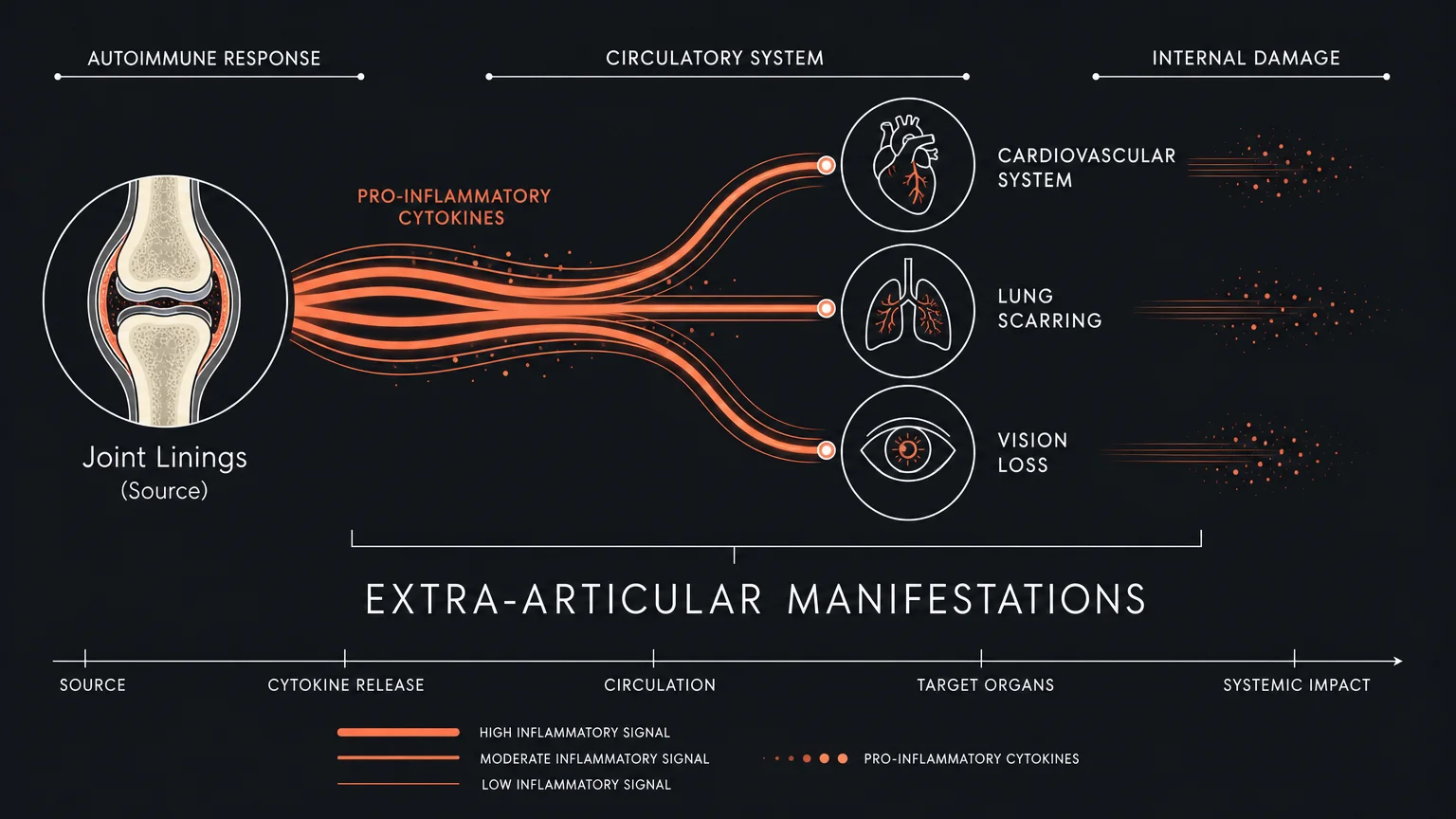
Arthritis is not a single disease; it is an umbrella term for more than a hundred different joint-related conditions. While osteoarthritis stems primarily from mechanical wear and tear on your cartilage over decades of use, autoimmune forms of the disease operate entirely differently. Conditions like rheumatoid arthritis, psoriatic arthritis, and ankylosing spondylitis occur when your immune system mistakenly identifies your own healthy tissues as foreign invaders. This misguided immune response creates a chronic state of inflammation that originates in your joint linings but rarely stays contained there. Instead, pro-inflammatory proteins called cytokines flood your bloodstream and travel throughout your entire circulatory system.
When these inflammatory markers circulate without restriction, they can infiltrate your organs, your skin, and your cardiovascular system. Doctors refer to these widespread symptoms as extra-articular manifestations—literally meaning “outside the joint.” Understanding how these symptoms manifest is crucial for protecting your long-term health. If you rely solely on how much your knees or hands hurt to gauge the severity of your arthritis, you might miss dangerous internal damage happening quietly behind the scenes. Below are the first three major signs that your arthritis has become a systemic issue requiring immediate medical attention.
1. Unexplained, Crushing Fatigue
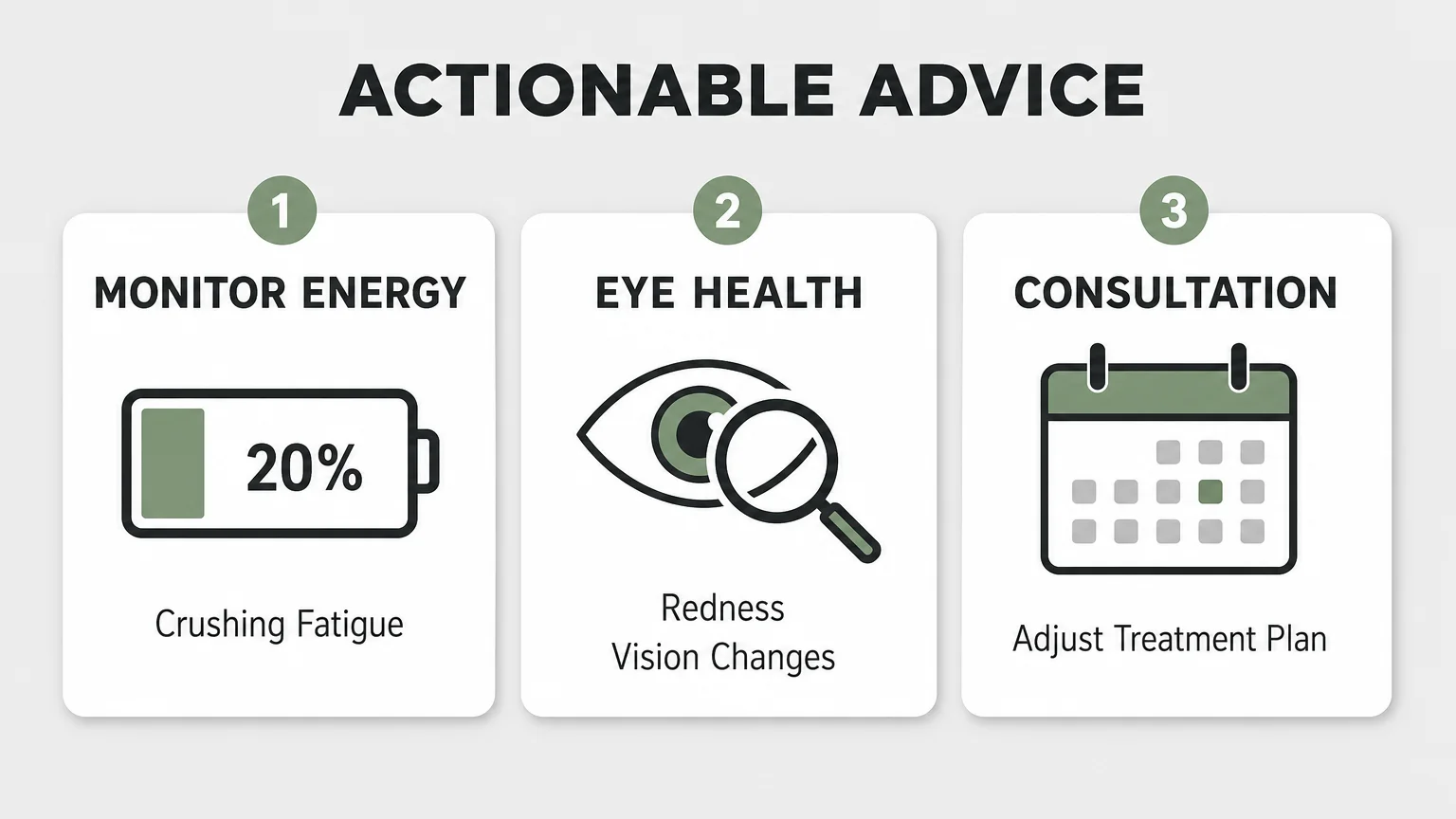
Feeling tired after a long day of gardening or walking is perfectly normal; experiencing profound, unyielding exhaustion that does not improve with sleep is a glaring warning sign. Inflammatory arthritis consumes a massive amount of your body’s energy reserves. When your immune system constantly fights a perceived infection, your body diverts vital resources away from normal daily functions. High levels of inflammatory cytokines directly impact your central nervous system, altering how your brain regulates energy and mood. This biological process creates a heavy, crushing fatigue that makes even basic tasks—like getting out of bed or preparing a meal—feel like climbing a mountain. If you find yourself needing daily naps or feeling completely drained despite getting eight hours of sleep, your arthritis medications may need an adjustment to better control your systemic inflammation.
2. Eye Pain, Redness, and Vision Changes
Your eyes contain abundant amounts of collagen and connective tissue, making them prime targets for autoimmune inflammation. Many people with systemic arthritis develop secondary conditions like uveitis or scleritis, which involve severe inflammation of the middle layer or the white part of the eye. You might notice sudden redness, intense sensitivity to light, blurred vision, or a deep, aching pain in your eyeball. Additionally, inflammatory arthritis often triggers Sjogren’s syndrome, a condition that attacks your moisture-producing glands. This leaves your eyes feeling chronically dry, gritty, and irritated, as if you have sand trapped under your eyelids. Ignoring these ocular symptoms can lead to permanent vision loss, glaucoma, or cataracts, making immediate evaluation by an ophthalmologist essential.
3. Skin Rashes and Unusual Nodules
Because your skin is your body’s largest organ, it frequently reflects the internal chaos caused by an overactive immune system. Up to a quarter of individuals living with rheumatoid arthritis develop rheumatoid nodules—firm, fleshy lumps that form under the skin, typically around pressure points like the elbows, knuckles, and heels. While these nodules are usually painless, they indicate a high level of circulating rheumatoid factor in your blood. Furthermore, conditions like psoriatic arthritis announce their presence through thick, red, scaly plaques on the skin and scalp. Even in other forms of inflammatory arthritis, you might experience unusual rashes, easy bruising, or painful ulcers on your lower legs caused by inflamed blood vessels. Monitoring your skin for unexpected changes provides a visible window into your current state of systemic inflammation.

Key Considerations for Seniors: How Aging Amplifies the Risks
As you enter your sixties and beyond, your immune system undergoes a natural transformation known as immunosenescence. This biological aging process reduces your body’s ability to fight off actual infections while sometimes increasing low-grade, chronic inflammation. When you combine this natural aging process with a systemic autoimmune disease, your vital organs endure a compounded level of stress. Older adults frequently dismiss the systemic signs of arthritis, mistakenly attributing new symptoms to the unavoidable decline of old age. This dismissal is dangerous; it allows systemic inflammation to silently ravage critical organs at a time when your body is already less resilient. Recognizing the next three signs is particularly vital for seniors who want to preserve their independence and organ function.
4. Shortness of Breath and Persistent Coughing
Your lungs are highly vulnerable to runaway inflammation. Rheumatoid arthritis can cause interstitial lung disease, a severe complication where the delicate air sacs in your lungs become inflamed and eventually scarred. This scarring—known as pulmonary fibrosis—stiffens your lung tissue and prevents oxygen from effectively entering your bloodstream. You might initially notice a dry, persistent cough that lingers for months, or you may feel unusually breathless after walking up a single flight of stairs. Many seniors write off this shortness of breath as a loss of cardiovascular fitness, but it often serves as a critical red flag for rheumatoid lung disease. If you find yourself struggling to catch your breath during routine activities, you must request a comprehensive pulmonary evaluation from your physician.
5. Chest Pain and Irregular Heartbeats
Cardiovascular disease represents the leading cause of mortality among individuals living with systemic arthritis. The same inflammation that causes your joints to swell also damages the endothelial lining of your blood vessels. This continuous damage accelerates the buildup of arterial plaque, significantly increasing your risk of experiencing a heart attack or stroke. Moreover, systemic inflammation can attack the sac surrounding your heart, causing a painful condition called pericarditis. You might experience sharp chest pain that worsens when you lie down or take a deep breath. Additionally, the chronic stress placed on your heart can trigger arrhythmias, leading to fluttering sensations in your chest. You must never ignore chest pain or heart palpitations; they demand immediate emergency medical assessment.
6. Unexplained Weight Loss and Digestive Distress
While society often praises weight loss, dropping pounds without changing your diet or exercise routine is a major cause for concern. Severe, uncontrolled systemic inflammation alters your metabolism and suppresses your appetite. In advanced cases, this leads to rheumatoid cachexia, a dangerous condition characterized by the rapid loss of lean muscle mass. You might step on the scale and notice you have lost ten pounds, but that weight loss represents deteriorating muscle tissue rather than fat. Furthermore, the digestive tract frequently suffers from systemic arthritis. Beyond the direct inflammatory damage to your gut lining, the aggressive medications used to treat arthritis—particularly nonsteroidal anti-inflammatory drugs—can cause severe gastrointestinal bleeding, ulcers, and chronic stomach pain. Unexplained weight loss combined with digestive distress requires a thorough gastroenterological investigation.
Benefits of Early Detection and Potential Risks of Ignoring Symptoms
Taking a proactive approach to your systemic arthritis symptoms offers profound benefits for your longevity and daily comfort. When you identify extra-articular manifestations early, your rheumatologist can swiftly modify your treatment protocol. Upgrading your medication regimen to include targeted biologic therapies or specific disease-modifying antirheumatic drugs can halt the progression of organ damage in its tracks. By controlling the systemic inflammation, you not only preserve your internal organs but also significantly improve your joint mobility and energy levels. Patients who actively monitor their systemic health report fewer hospitalizations, better mental health, and a much higher likelihood of maintaining their independence well into their later years.
Conversely, the risks associated with ignoring these systemic warning signs are devastating. Systemic inflammation is relentless; it does not resolve on its own. If you overlook chronic eye redness, you risk irreversible damage to your optic nerve. If you push through shortness of breath, lung scarring can progress to the point where you require supplemental oxygen around the clock. The most severe risk, however, involves your cardiovascular system. Failing to address systemic inflammation effectively doubles your risk of experiencing a catastrophic cardiovascular event. The damage inflicted upon your arteries happens silently, meaning a heart attack or stroke may be the first undeniable proof that your arthritis has spread beyond your joints.
You must also carefully weigh the potential risks of the medications used to control systemic arthritis. While biologic therapies successfully suppress rogue inflammation, they also dampen your overall immune response, leaving you more susceptible to routine bacterial and viral infections. This creates a delicate balancing act. You need enough medication to protect your heart, lungs, and joints, but not so much that you fall victim to severe respiratory infections. Open, honest communication with your healthcare team is the only way to successfully navigate this complex risk-to-benefit ratio.

What the Experts Say About Systemic Arthritis Management
Leading medical institutions and rheumatology experts universally agree that treating arthritis must involve a whole-body approach. Specialists emphasize that treating joint pain while ignoring cardiovascular and pulmonary health constitutes medical negligence in the modern era of rheumatology. According to experts at the Mayo Clinic, systemic inflammation acts as a silent accelerator for biological aging. Their research indicates that aggressively treating rheumatoid arthritis early in the disease process dramatically reduces the likelihood of developing severe extra-articular complications. They advocate for tight disease control, measuring success not just by the absence of joint swelling, but by normalized inflammatory markers in the blood.
The National Institutes of Health reinforces this holistic perspective, heavily funding research into the cardiovascular consequences of autoimmune disease. Their extensive clinical trials prove that chronic inflammation directly contributes to premature atherosclerosis. NIH researchers stress that patients with systemic arthritis must view themselves as high-risk candidates for heart disease, requiring the same preventative cardiovascular care as someone living with type 2 diabetes. This means rigorous management of blood pressure, cholesterol, and blood sugar alongside standard arthritis treatments.
Public health data from the Centers for Disease Control and Prevention highlights the massive burden arthritis places on the senior population. Their statistics reveal that adults over sixty-five who suffer from inflammatory arthritis experience a significantly higher rate of co-occurring conditions, including clinical depression and severe mobility limitations. The CDC strongly recommends that arthritis management programs integrate physical therapy, mental health support, and cardiovascular screening to comprehensively address the widespread impact of the disease. Furthermore, global health directives from the World Health Organization advocate for multidisciplinary care teams, ensuring that patients receive coordinated treatment from rheumatologists, cardiologists, and pulmonologists simultaneously.
Practical Steps and Actionable Advice for Protecting Your Health
Taking control of your systemic arthritis requires organization, advocacy, and a commitment to daily lifestyle modifications. Your first practical step is to assemble a comprehensive medical team. You cannot rely on a primary care physician alone to manage systemic autoimmune disease. You must establish long-term relationships with a board-certified rheumatologist, a cardiologist, an ophthalmologist, and potentially a pulmonologist. Request that these specialists share their clinical notes with one another. When your doctors communicate effectively, they can spot subtle systemic trends—like a minor change in your heart rhythm coinciding with an uptick in your joint pain—that a single specialist might easily overlook.
Next, you must start keeping a detailed daily symptom journal. Memory is notoriously unreliable during brief medical appointments. Purchase a dedicated notebook and track your daily fatigue levels, any shortness of breath, unusual skin changes, and the exact location of your joint pain. Rate your symptoms on a scale of one to ten. When you present this tangible data to your healthcare provider, you transform vague complaints into a precise medical history. This empowers your doctor to make rapid, evidence-based decisions regarding your medication dosages. Bring this journal to every single medical appointment.
You also wield immense power over your systemic inflammation through your daily lifestyle choices. Adopt a strictly anti-inflammatory diet focused on whole foods. Eliminate highly processed foods, refined sugars, and trans fats, which actively promote inflammatory cytokine production in your body. Instead, fill your plate with omega-3 fatty acids found in wild-caught salmon, walnuts, and flaxseeds. Incorporate abundant leafy greens, deeply colored berries, and extra virgin olive oil. Hydration is equally critical; drink plenty of water to help your kidneys flush out metabolic waste and cellular debris generated by the inflammatory process.
Finally, you must keep your body moving, even when fatigue tempts you to stay on the couch. Sedentary behavior promotes joint stiffness and accelerates cardiovascular decline. Engage in low-impact, joint-friendly exercises like swimming, water aerobics, recumbent cycling, or restorative yoga. Aim for at least thirty minutes of gentle movement each day. If you struggle to design an exercise program that accommodates your joint limitations, ask your doctor for a referral to a physical therapist who specializes in arthritis care. They can teach you safe body mechanics and provide a customized exercise routine that strengthens your muscles without triggering an inflammatory flare.
Frequently Asked Questions
Does severe osteoarthritis cause systemic organ damage?
No; osteoarthritis is fundamentally different from autoimmune arthritis. Osteoarthritis primarily involves the mechanical breakdown of cartilage and localized bone changes. While the chronic pain of osteoarthritis can certainly disrupt your sleep, elevate your blood pressure due to stress, and limit your cardiovascular exercise, it does not send tissue-destroying inflammatory cells circulating through your bloodstream to attack your heart, lungs, or eyes. If you have osteoarthritis and develop unexplained shortness of breath or eye pain, you must seek medical attention to uncover the true underlying cause.
How often should I see an eye doctor if I have rheumatoid arthritis?
If you live with any form of systemic inflammatory arthritis, you should undergo a comprehensive, dilated eye examination by an ophthalmologist at least once a year. Optometrists are wonderful for prescribing glasses, but you need an ophthalmologist—a medical doctor specializing in eye diseases—to properly screen for deep tissue inflammation like uveitis and scleritis. If you experience sudden eye pain, profound redness, or sudden vision changes, do not wait for your annual exam; treat it as a medical emergency and seek immediate evaluation.
Are the extra-articular manifestations of arthritis reversible?
The reversibility depends entirely on how quickly you seek treatment. Inflammatory symptoms like fatigue, skin rashes, and dry eyes often reverse completely once your rheumatologist optimizes your medication and suppresses your systemic inflammation. However, structural damage—such as pulmonary fibrosis in the lungs or advanced atherosclerotic plaque in the arteries—is generally permanent. This stark reality underscores exactly why early detection and aggressive treatment are absolutely non-negotiable for preserving your long-term health.
Can changing my diet truly impact systemic symptoms like fatigue?
Yes; your diet plays a massive, scientifically proven role in modulating your immune system. While a healthy diet cannot replace disease-modifying medications, it dramatically enhances their effectiveness. By removing processed, inflammatory foods and loading up on antioxidants and omega-3 fatty acids, you reduce the overall burden on your immune system. Many patients report that adopting a strict Mediterranean-style diet significantly reduces their daily systemic fatigue and helps clear the mental fog often associated with chronic inflammation.
How do I know if my chest pain is from arthritis or a heart attack?
You cannot definitively distinguish between the two at home, and you should never try. While pericarditis caused by arthritis inflammation generates sharp chest pain that often worsens upon taking a deep breath, a heart attack can present with very similar symptoms, including pressure, radiating pain, and shortness of breath. Because systemic arthritis drastically increases your risk of a heart attack, you must treat any new, severe, or persistent chest pain as a cardiac event. Call emergency services immediately and let medical professionals determine the cause.
Moving Forward with Confidence and Clarity
Understanding that your arthritis affects much more than your joints is the first critical step toward reclaiming your health and longevity. By remaining vigilant about unexplained fatigue, visual changes, respiratory issues, and cardiovascular symptoms, you transform yourself from a passive patient into an empowered advocate for your own well-being. Do not allow society or medical professionals to write off your systemic symptoms as the inevitable cost of growing older. You deserve comprehensive, aggressive care that protects your entire body, not just your knees and hands. Partner with a dedicated team of specialists, track your daily physical changes meticulously, and commit to an anti-inflammatory lifestyle. Your proactive efforts today will secure your independence and vitality for the decades to come.
This article is intended for informational and educational purposes only and is not a substitute for professional medical advice, diagnosis, or treatment. Always consult with a qualified healthcare provider regarding any health concerns or before making any decisions related to your health or treatment.