Recognizing the difference between normal age-related forgetfulness and early signs of cognitive decline empowers you to protect your brain health and maintain independence as you age. While occasionally misplacing your keys is a common frustration, other memory shifts require professional evaluation to rule out treatable conditions or begin early interventions for dementia. Adults over sixty face unique neurological changes, making it critical to understand which cognitive symptoms warrant a conversation with your healthcare provider. Monitoring your mental acuity allows you to catch potential issues early, implement lifestyle adjustments that support cognitive function, and secure peace of mind for yourself and your loved ones.
Understanding the Basics
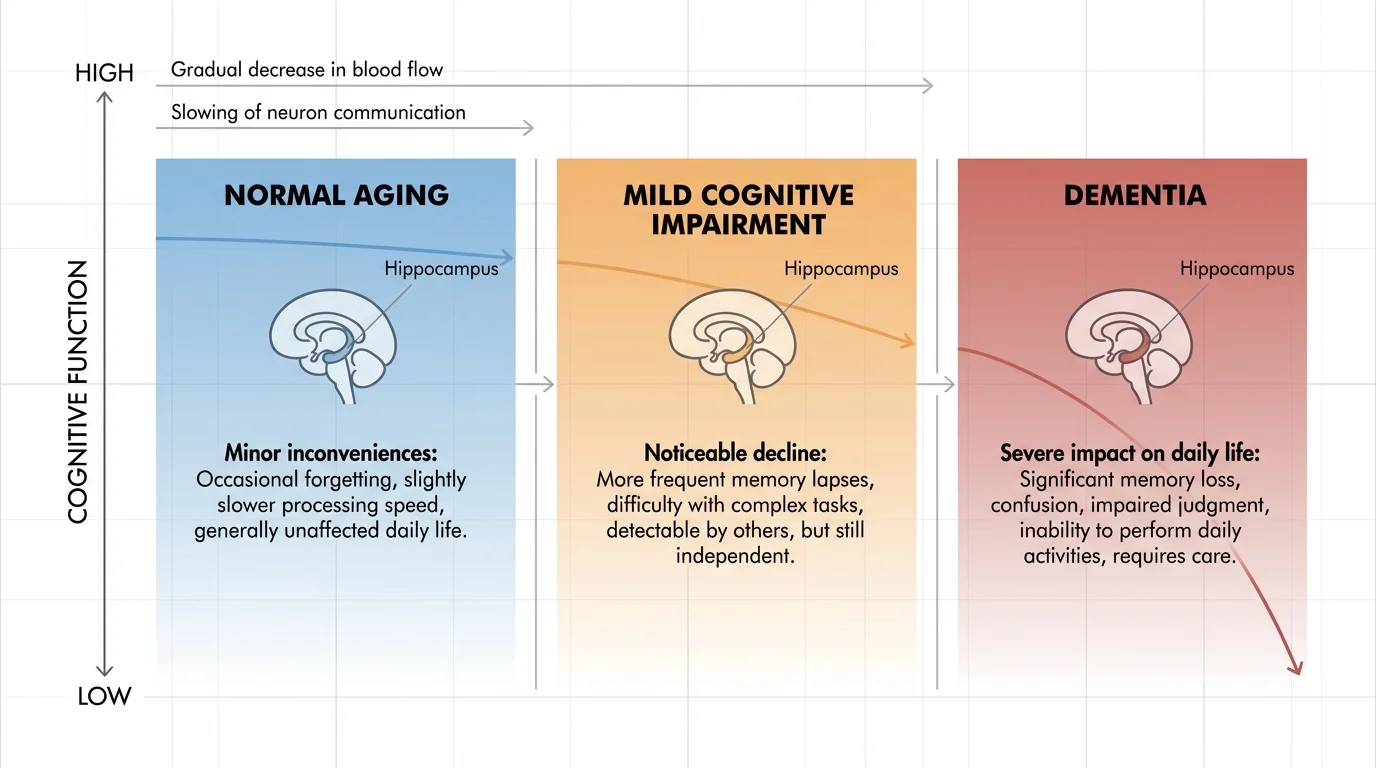
Memory is not a single filing cabinet in your brain; it is a complex, brain-wide process involving the encoding, storing, and retrieving of information. As you enter your sixties, seventies, and beyond, your brain undergoes physical changes. The hippocampus, a region located deep in the brain that is vital for learning and memory, naturally shrinks a small amount. You also experience a gradual decrease in blood flow to the brain and a slowing of communication between neurons. These physiological shifts explain why it might take you a little longer to learn a new skill or recall a specific word during a conversation.
However, noticeable memory loss that disrupts your daily routine is not a standard part of the aging process. Health professionals categorize cognitive changes into three broad areas: normal aging, mild cognitive impairment, and dementia. Normal aging involves minor inconveniences that do not stop you from living independently. Mild cognitive impairment represents a noticeable decline in cognitive abilities that exceeds normal aging but still allows you to perform daily tasks. Dementia, on the other hand, involves a severe decline in memory, problem-solving, and other thinking skills that drastically impacts your ability to navigate everyday life.
Understanding these distinctions helps you take a proactive stance on your health. Pinpointing the root cause of memory problems is crucial because not all memory loss stems from irreversible neurological diseases like Alzheimer’s. Vitamin B12 deficiencies, thyroid issues, medication side effects, urinary tract infections, and chronic dehydration can all mimic the symptoms of severe cognitive decline. When you understand how your memory works and what normal aging looks like, you position yourself to recognize warning signs early and seek prompt, appropriate medical care.
Key Considerations for Seniors
Evaluating cognitive health requires you to look through the lens of daily functionality. For older adults, the transition from independent living to requiring assistance often hinges on cognitive stability rather than physical mobility alone. You must observe how memory changes interact with your environment, your routines, and your relationships. The following ten memory changes represent significant deviations from normal aging and demand your attention.

1. Forgetting Recently Learned Information
One of the most common early signs of cognitive decline involves short-term memory failure. While anyone can occasionally forget an appointment and remember it later, consistently forgetting recently learned information is a red flag. You might find yourself asking the same questions repeatedly or relying heavily on memory aids like sticky notes or family members for things you previously handled on your own. This happens because diseases like Alzheimer’s typically damage the brain’s ability to encode new memories long before they erase older, deeply ingrained memories.
2. Challenges in Planning or Solving Problems
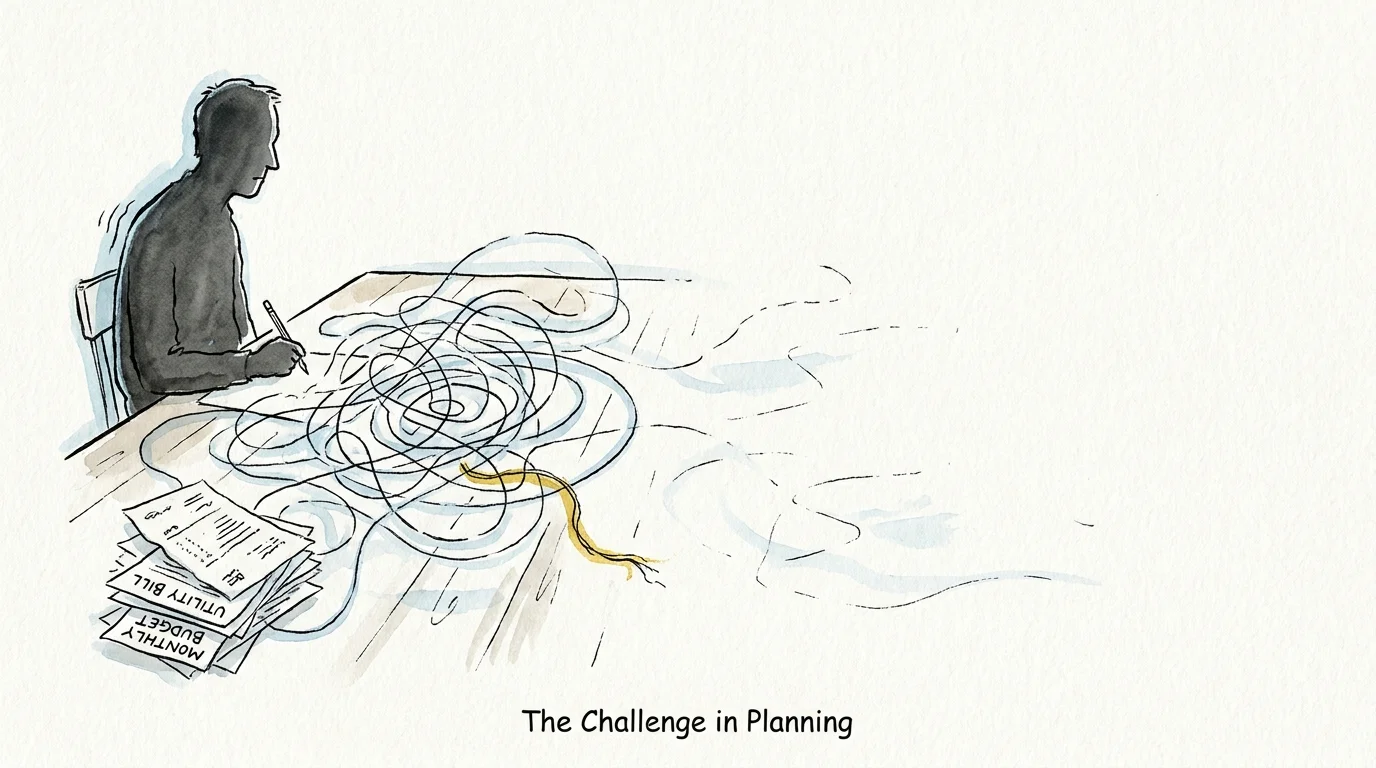
Executive function allows you to plan, focus attention, remember instructions, and juggle multiple tasks successfully. As cognitive decline begins, you may experience profound difficulty developing and following a plan. This often manifests in concrete, daily scenarios, such as struggling to keep track of monthly bills or finding it impossible to follow a familiar recipe. You might notice that tasks requiring sequential steps suddenly feel overwhelming, or you may require far more time to complete tasks that used to take only minutes.

3. Difficulty Completing Familiar Tasks
Normal aging might cause you to occasionally struggle with new technology, like setting up a recently purchased smart television. Pathological memory changes, however, interfere with the tasks you have performed effortlessly for years. You might forget how to drive to your favorite grocery store, struggle to manage the settings on your microwave, or forget the rules of a card game you have played weekly for decades. When routine activities suddenly become confusing hurdles, your brain is signaling a disruption in procedural memory pathways.
4. Confusion with Time or Place
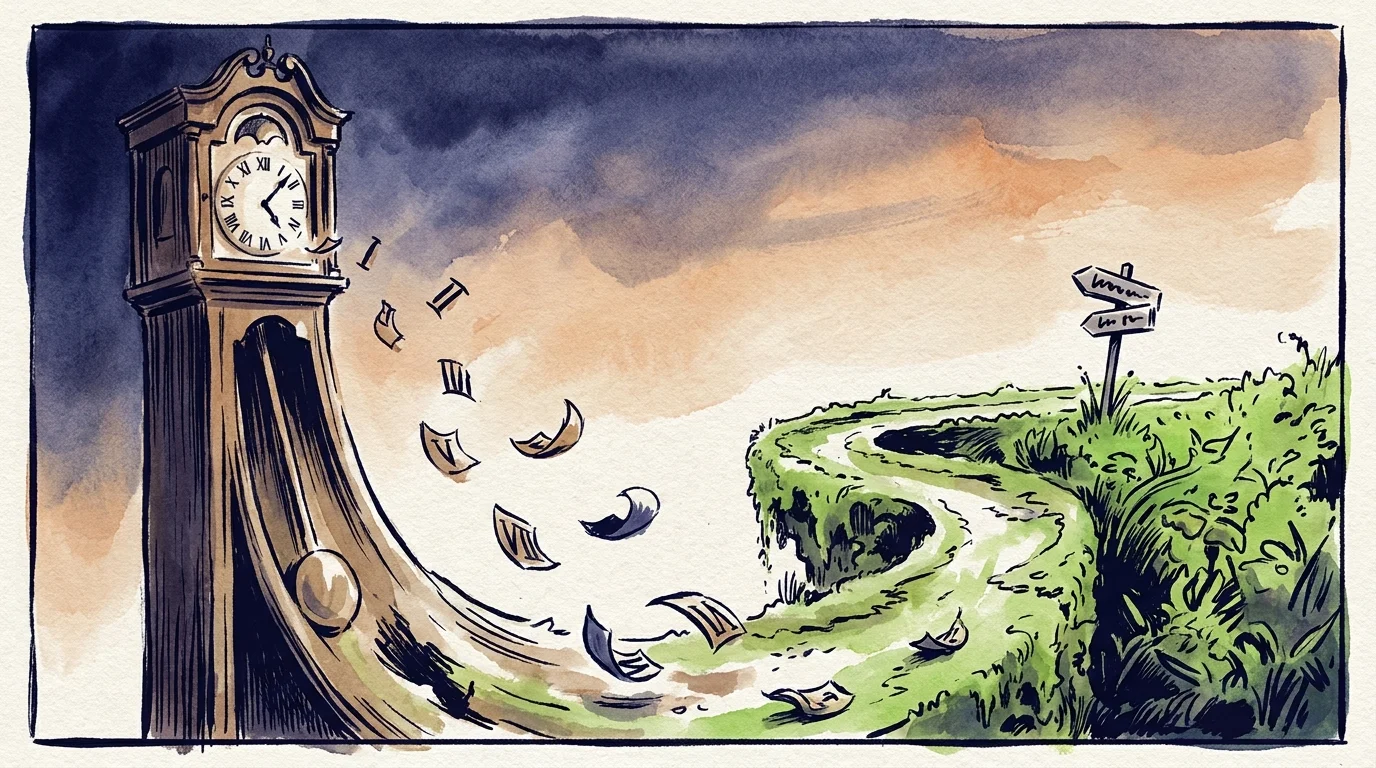
Losing track of the exact date but figuring it out later in the day is a normal part of aging, especially when you are retired and no longer tied to a strict weekday schedule. However, individuals experiencing cognitive decline can lose track of dates, seasons, and the general passage of time entirely. You might find yourself unable to understand something if it is not happening immediately in front of you. In more severe instances, you may forget where you are or how you got there, leading to dangerous wandering scenarios.
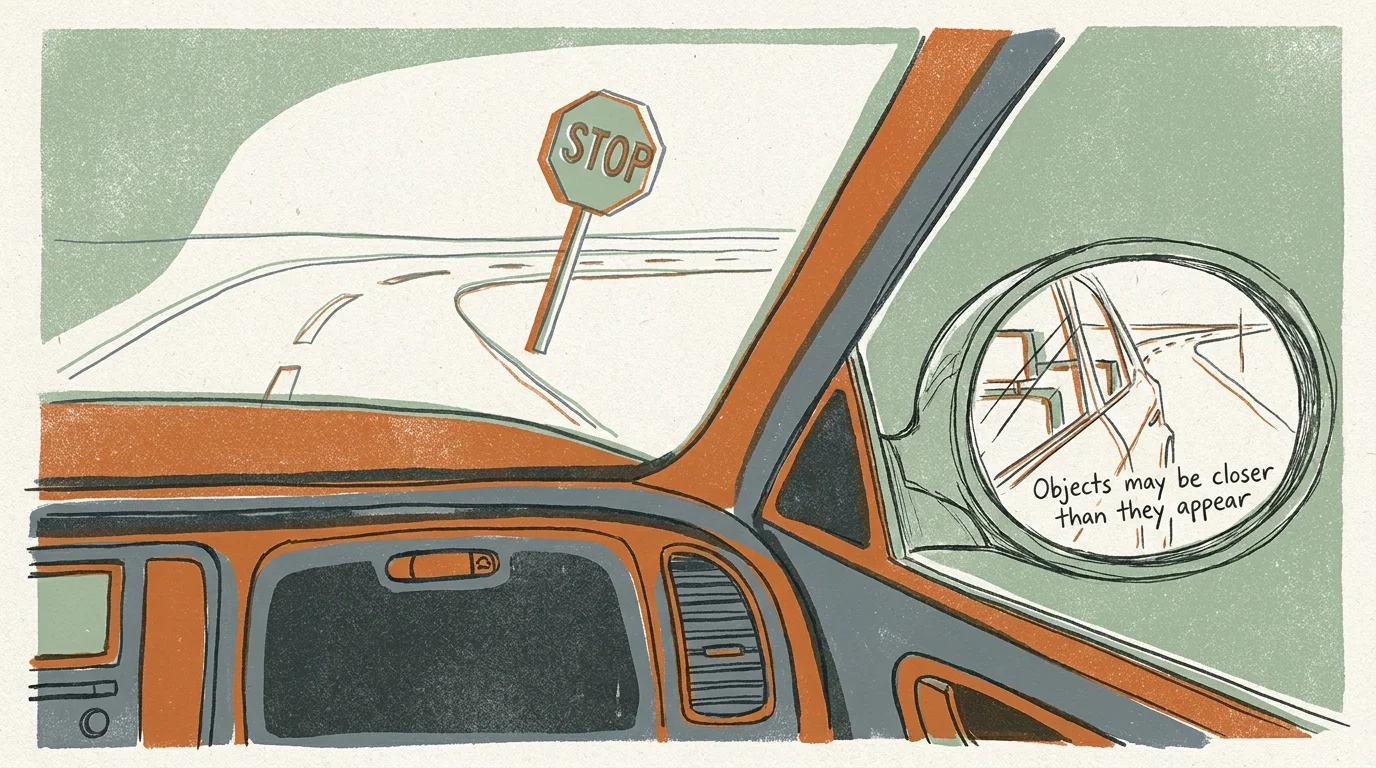
5. Trouble Understanding Visual Images and Spatial Relationships
For some older adults, memory changes are accompanied by alterations in visual processing that have nothing to do with cataracts or normal eye aging. Neurological changes can make it difficult for you to read, judge distances, or determine color and contrast. In daily life, this might cause you to walk into furniture, spill drinks because you misjudged the distance to the table, or struggle significantly with driving. Your brain simply stops interpreting the visual signals sent by your eyes correctly.

6. New Problems with Words in Speaking or Writing
Conversations require rapid processing speeds and instant vocabulary retrieval. While everyone occasionally experiences a “tip of the tongue” moment, severe cognitive changes make following or joining a conversation incredibly difficult. You might stop in the middle of a sentence with no idea how to continue, or you might frequently repeat yourself. You may also struggle with vocabulary, calling familiar objects by the wrong name—for example, referring to a watch as a “hand clock” or a bed as a “sleep table.”
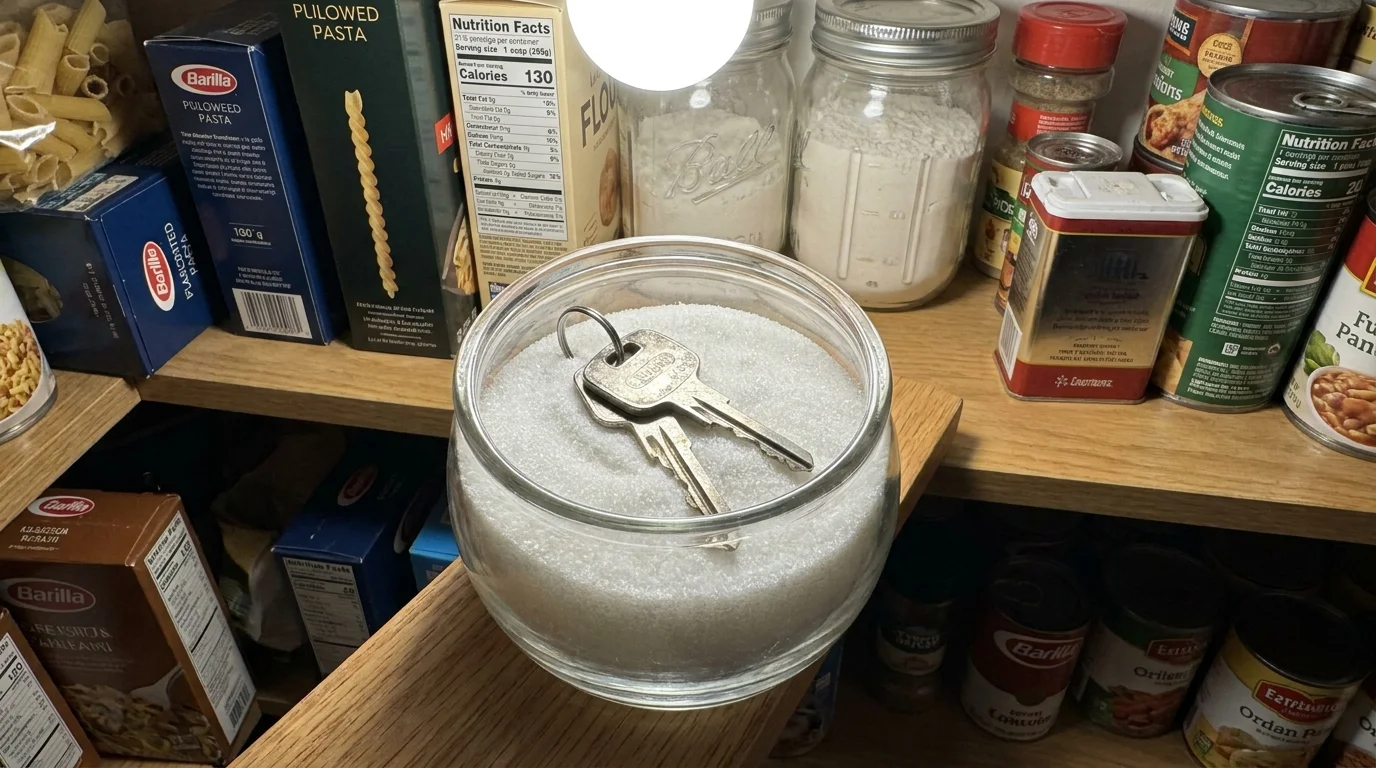
7. Misplacing Things and Losing the Ability to Retrace Steps
Everyone misplaces their keys or glasses from time to time. A healthy brain allows you to employ logical deduction to retrace your steps and locate the missing item. When cognitive decline occurs, this logical pathway breaks down. You might place items in highly unusual places, such as putting your car keys in the refrigerator or your wallet in the sugar bowl. Furthermore, you lose the ability to mentally walk backward through your day, which often leads to frustration and, sometimes, accusations that others are stealing from you.

8. Decreased or Poor Judgment
Changes in the brain’s frontal lobe severely impact your decision-making abilities and impulse control. You may begin to exhibit notably poor judgment in situations dealing with money, perhaps giving large amounts to telemarketers or falling victim to obvious scams that you would have easily avoided in the past. This decline in judgment also extends to personal hygiene and grooming. You might pay less attention to keeping yourself clean or wear heavy winter clothing during the peak of summer.

9. Withdrawal from Work or Social Activities
When you start struggling with conversations, remembering names, or keeping up with the rules of your favorite hobbies, you may naturally begin to withdraw from social engagements. This is often a defense mechanism; avoiding social situations prevents the embarrassment of exposing cognitive deficits to friends and family. You might scale back on volunteer work, skip family gatherings, or spend excessive amounts of time sitting passively in front of the television.

10. Noticeable Changes in Mood or Personality
The physical deterioration of brain tissue inevitably alters how you process emotions. You might experience profound mood swings, transitioning from calm to furious or tearful without a clear trigger. Individuals facing early-stage dementia often become confused, suspicious, depressed, fearful, or highly anxious. You may feel easily upset when you are out of your comfort zone or when your routine suffers even a minor disruption. These personality shifts are often most glaringly apparent to close family members and spouses.
Benefits and Potential Risks
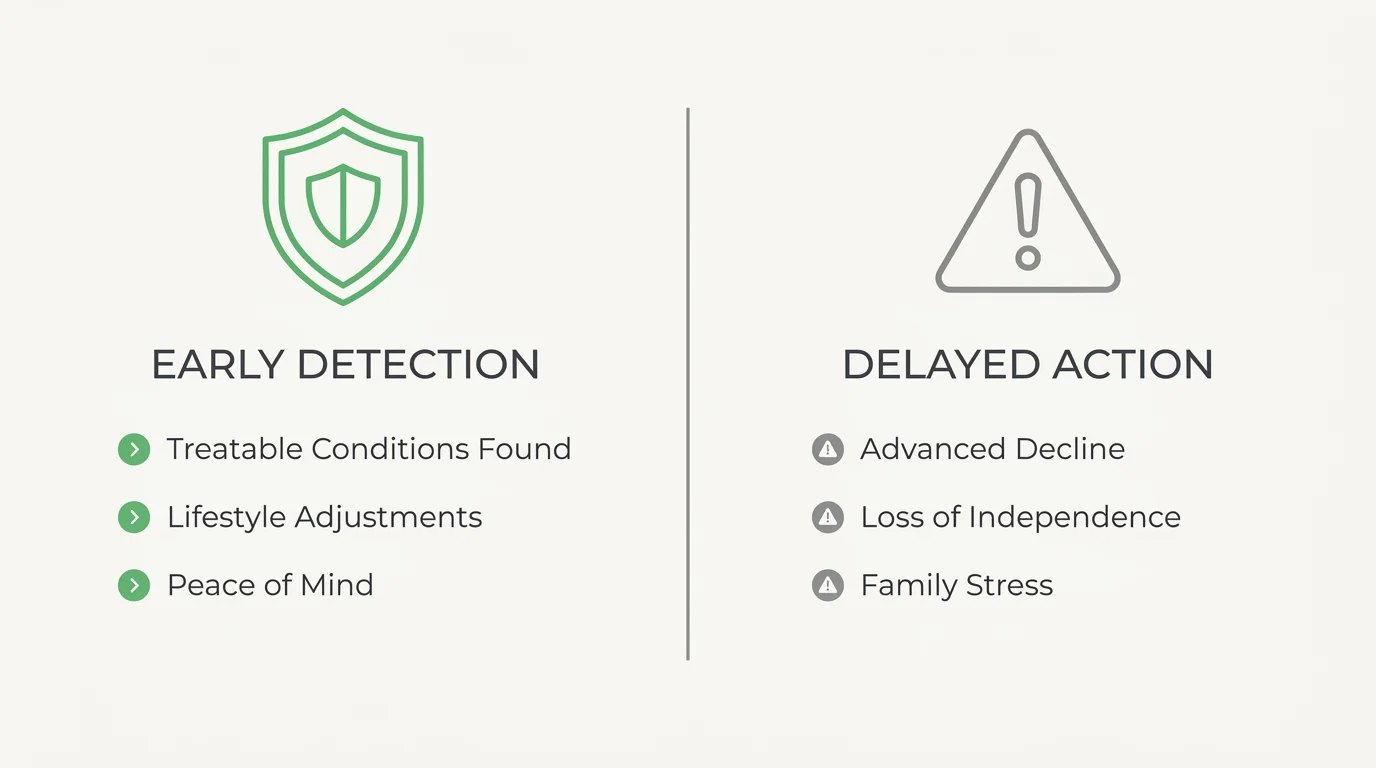
Addressing memory changes proactively offers substantial benefits that significantly improve your long-term quality of life. The most critical advantage of early evaluation is the identification of reversible conditions. If your memory loss stems from a vitamin deficiency, sleep apnea, or an infection, prompt medical treatment completely restores your cognitive function. Even when the diagnosis points to an irreversible condition like Alzheimer’s disease, early detection provides a window of opportunity. Early intervention allows you to begin medications that can temporarily alleviate symptoms or slow their progression. It also gives you and your family the time required to make crucial legal, financial, and caregiving plans while you are still fully capable of making your own decisions.
Conversely, ignoring these warning signs carries immense physical and emotional risks. Denial allows treatable conditions to fester, potentially causing permanent neurological damage over time. For progressive diseases, delaying a diagnosis prevents you from accessing clinical trials or newer therapies that are most effective during the early stages of cognitive decline. Furthermore, unmonitored memory changes create immediate safety hazards. Forgetting to turn off the stove, wandering away from home, or failing to manage complex medication schedules can result in severe injury or hospitalization. Acknowledging your symptoms requires courage, but it shields you from the devastating consequences of inaction.

What the Experts Say
Major health organizations unanimously emphasize the importance of early detection and proactive brain health management. The National Institutes of Health stresses that while some cognitive decline is standard, sharp drops in memory function always require medical investigation. Their research underscores the link between cardiovascular health and brain health, noting that what is good for your heart is fundamentally good for your brain.
Similarly, experts at the World Health Organization advocate for aggressive management of lifestyle factors to delay the onset of cognitive decline. They point to overwhelming evidence showing that regular physical activity, managing high blood pressure, and preventing type 2 diabetes significantly reduce the risk of developing dementia. The WHO also highlights the critical nature of social engagement, demonstrating that isolated seniors suffer cognitive decline at much faster rates than those who maintain active social lives.
Researchers at the Mayo Clinic frequently reinforce the necessity of comprehensive neurological screenings. They urge seniors not to dismiss memory issues as just “getting older.” Medical consensus dictates that memory loss interfering with your daily functionality requires a thorough clinical assessment, which often includes cognitive testing, neurological exams, and brain imaging to formulate an accurate diagnosis.
Finally, data from the Centers for Disease Control and Prevention indicates that early diagnosis provides seniors with access to supportive services that dramatically reduce the burden on family caregivers. Their public health initiatives continually push the message that early cognitive screening should be a routine part of senior healthcare, just like screening for high blood pressure or cholesterol.

Practical Steps and Actionable Advice
Schedule a Baseline Assessment: Do not wait for a crisis to speak with your doctor. Schedule a comprehensive wellness visit to establish a baseline for your cognitive health. Inform your healthcare provider about any specific memory changes you have experienced, providing concrete examples of how these changes impact your daily routine. Bringing a trusted family member to this appointment often provides your doctor with a more objective perspective on your symptoms.
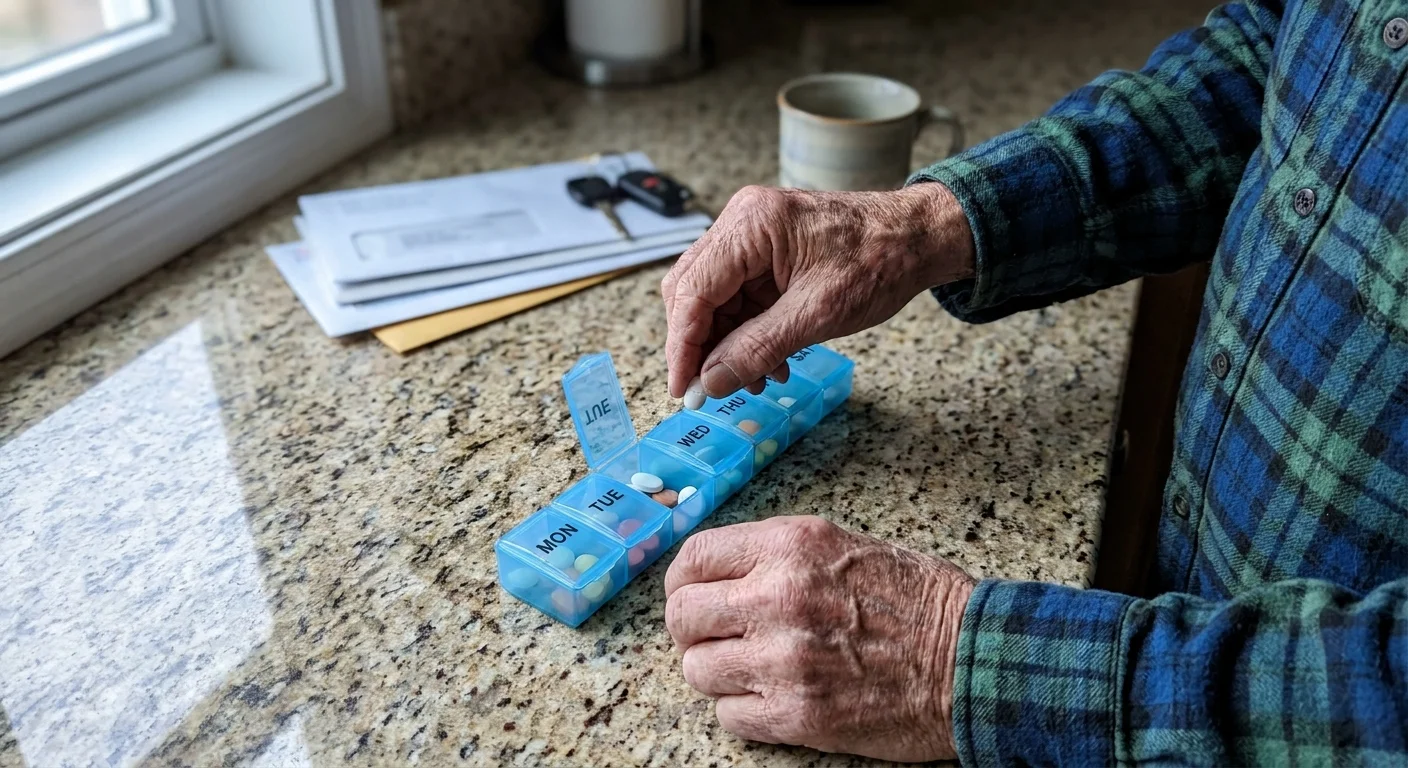
Review Your Medications: Bring all your prescription drugs, over-the-counter medications, and supplements to your doctor or pharmacist for a thorough review. Many common medications, especially sleep aids, anti-anxiety drugs, and certain antihistamines, cause cognitive clouding and memory loss in older adults. Your doctor can often switch you to alternative treatments that do not carry these cognitive side effects.
Adopt a Brain-Healthy Diet: Fuel your brain with the nutrients it needs to repair cellular damage and reduce inflammation. Transition toward a Mediterranean-style diet rich in leafy green vegetables, berries, whole grains, beans, nuts, and healthy fats like olive oil. Prioritize fatty fish, such as salmon and sardines, which provide high concentrations of omega-3 fatty acids vital for maintaining structural integrity in brain cell membranes.
Prioritize Aerobic Exercise: Physical activity represents one of the most powerful tools you have to protect your memory. Engage in at least one hundred and fifty minutes of moderate aerobic exercise, such as brisk walking, swimming, or cycling, every week. Aerobic exercise increases blood flow to the brain and stimulates the release of growth factors that promote the survival of existing brain cells and the growth of new blood vessels.
Challenge Your Brain Meaningfully: Passive activities like watching television do very little to stimulate neural pathways. Engage in activities that require you to learn new information and process complex thoughts. Learn to play a musical instrument, take up a new language, join a discussion-heavy book club, or tackle complex strategy games. Forcing your brain to build new connections creates a cognitive reserve that helps delay the onset of dementia symptoms.
Improve Your Sleep Hygiene: Your brain uses deep sleep phases to clear out toxic proteins, including the amyloid plaques associated with Alzheimer’s disease. Aim for seven to eight hours of uninterrupted sleep per night. Establish a consistent bedtime routine, keep your bedroom cool and dark, and avoid looking at electronic screens for at least an hour before you go to sleep. If you snore heavily or gasp for air during the night, ask your doctor for a sleep apnea evaluation.
Frequently Asked Questions
Is occasional forgetfulness a sure sign of dementia?
No, occasional forgetfulness is completely normal and happens to people of all ages. Misplacing your glasses, forgetting a word momentarily, or missing an appointment on rare occasions does not mean you have dementia. The defining characteristic of pathological memory loss is that it consistently disrupts your ability to function independently in your daily life. If your forgetfulness prevents you from paying bills, cooking safely, or maintaining personal hygiene, that crosses the line from normal aging into a medical concern.
Can memory loss be reversed?
Whether memory loss can be reversed depends entirely on the underlying cause. If your cognitive decline is caused by a urinary tract infection, severe dehydration, vitamin B12 deficiency, thyroid dysfunction, or adverse medication interactions, treating the root cause will often completely restore your memory. However, if the memory loss is caused by a progressive neurodegenerative disease like Alzheimer’s or Lewy body dementia, the damage cannot be reversed. In these cases, treatments focus on slowing the progression and managing the symptoms.
At what age should I start getting memory screenings?
Most healthcare professionals recommend establishing a cognitive baseline around age sixty-five, often in conjunction with your annual Medicare wellness visit. However, you should request a screening earlier if you have a strong family history of early-onset Alzheimer’s disease or if you or your loved ones notice significant changes in your memory, judgment, or personality. Proactive baseline testing makes it much easier for your doctor to identify subtle declines during subsequent annual exams.
How does diet impact memory?
Diet directly impacts the health of your brain’s blood vessels and the level of systemic inflammation in your body. Diets high in refined sugars, saturated fats, and processed foods contribute to arterial plaque buildup, restricting oxygen-rich blood flow to the brain. Conversely, diets rich in antioxidants and healthy fats protect brain cells from oxidative stress. Specifically, the nutrients found in leafy greens and fatty fish provide the raw materials your brain requires to synthesize neurotransmitters and maintain healthy cell membranes.
Does doing crosswords actually prevent memory loss?
While crossword puzzles and Sudoku are excellent for practicing word retrieval and maintaining focus, they are not a magical shield against dementia. Relying solely on the same type of puzzle over time simply makes you better at that specific puzzle; it does not build broad cognitive resilience. To effectively protect your memory, you must consistently step out of your comfort zone. True cognitive protection comes from novel challenges that force your brain to forge entirely new neural pathways, such as navigating a new city, learning digital photography, or mastering a new language.
Moving Forward with Confidence
Navigating memory changes as you age can undoubtedly feel intimidating, but knowledge remains your most effective defense. By understanding the distinct line between normal aging and pathological cognitive decline, you equip yourself to take decisive action. Paying close attention to how memory impacts your daily functionality—whether you are struggling with familiar tasks, losing track of time, or experiencing shifts in your personality—ensures that you do not miss critical warning signs. Catching these changes early opens the door to treating reversible conditions, exploring new therapeutic interventions, and actively participating in your long-term health planning.
Take command of your brain health today by implementing robust lifestyle changes. Nourish your body with an anti-inflammatory diet, prioritize daily aerobic exercise, demand high-quality sleep, and continuously seek out challenging new learning opportunities. Above all, maintain open and honest communication with your healthcare provider. Your brain has supported you through decades of rich experiences; protecting its health ensures you can continue to build and cherish memories for years to come.
This article is intended for informational and educational purposes only and is not a substitute for professional medical advice, diagnosis, or treatment. Always consult with a qualified healthcare provider regarding any health concerns or before making any decisions related to your health or treatment.