
Recognizing the subtle signs of low blood sugar can save your life or the life of a loved one, especially since symptoms in older adults often masquerade as normal aging. When glucose levels drop dangerously low, you might experience profound exhaustion or sudden memory lapses rather than the classic shakiness seen in younger people. This metabolic disruption deprives your brain of its primary fuel source, creating severe cognitive and physical impairments. Understanding these hidden indicators allows you to intervene before a minor dip becomes a medical emergency. By learning to distinguish between routine tiredness and a hypoglycemic event, you can protect your independence and ensure your health remains stable throughout your senior years.

Understanding the Basics
Your body runs on glucose. This simple sugar serves as the primary energy source for every cell, tissue, and organ in your system. When you digest carbohydrates from your meals, your digestive tract breaks them down into glucose, which then enters your bloodstream.
Your pancreas responds by releasing insulin, a hormone that acts as a key to unlock your cells and allow the glucose inside. This process keeps your engine running smoothly. However, when the balance between insulin, medication, and food intake falters, your blood glucose levels can plummet. Medical professionals refer to this condition as hypoglycemia, defined generally as a blood sugar reading below 70 milligrams per deciliter.
Hypoglycemia triggers a systemic alarm. Because your brain cannot store its own glucose, it relies entirely on a continuous supply from your bloodstream. When that supply drops, your brain function slows down almost immediately.
In younger adults, the body typically releases adrenaline to counter the falling sugar, causing noticeable symptoms like a racing heart, trembling hands, and intense hunger. You might recognize these as the classic signs of needing a snack. But as you age, this adrenaline response often diminishes or disappears entirely.
This dampening of the body’s natural warning system makes low blood sugar remarkably dangerous. Without the physical shaking or pounding heart to alert you, you might not realize your levels are dropping until your brain begins to struggle.
This phenomenon, known as hypoglycemia unawareness, affects millions of older adults managing diabetes or other metabolic conditions. It transforms a simple need for carbohydrates into a hidden threat that can cause falls, accidents, and severe medical complications. Understanding the mechanics of how your body processes energy forms the foundation of recognizing when that system fails.
Key Considerations for Seniors
Aging changes how your body metabolizes food and clears medications from your bloodstream. Your kidneys and liver naturally slow down over the decades, meaning drugs like insulin or sulfonylureas stay active in your system for longer periods.
This delayed clearance dramatically increases your risk of experiencing a hypoglycemic episode, even if you follow your medication schedule perfectly. A dose that worked beautifully at age fifty might cause profound blood sugar crashes at age seventy-five.
Furthermore, the natural aging process alters how you perceive physical sensations. You might attribute a sudden bout of exhaustion to a poor night of sleep, or brush off a moment of confusion as a simple senior moment. These overlapping symptoms create a dangerous camouflage.
Caregivers and family members also fall into this trap, frequently mistaking a critical drop in blood glucose for the progression of dementia or general age-related decline.
Your lifestyle choices and daily routines play a massive role in this delicate metabolic balance. Older adults often experience changes in appetite, leading to skipped meals or smaller portions. If you take medication designed to process a full meal but only eat a piece of toast, your blood sugar will inevitably crash.
Additionally, unexpected physical exertion—like carrying heavy groceries or spending an afternoon gardening—can burn through your glucose reserves faster than you anticipate. Protecting your health requires you to view every symptom through a metabolic lens, questioning whether a sudden behavioral change stems from a systemic energy crisis rather than simple old age.
8 Warning Signs That Look Like Confusion or Fatigue
Sign 1: Sudden Confusion and Disorientation
When your brain starves for glucose, cognitive processing stalls. You might suddenly forget where you are, lose track of a conversation, or seem entirely disoriented in a familiar environment.
This sudden onset of confusion often mimics the symptoms of a transient ischemic attack or the cognitive fluctuations seen in Alzheimer’s disease. However, unlike the gradual cognitive decline associated with dementia, hypoglycemic confusion strikes rapidly.
You might be perfectly lucid at breakfast but completely bewildered by mid-morning. If you or a loved one experiences a sudden mental fog, checking your blood sugar should be the immediate first step before assuming a permanent neurological decline.
Sign 2: Unexplained Fatigue and Lethargy
Feeling tired after a busy day is a normal part of life, but hypoglycemic fatigue presents as an overwhelming, heavy exhaustion that hits without warning. Your limbs might feel like they are made of lead, and you may find it nearly impossible to keep your eyes open.
This profound lethargy occurs because your muscle cells simply do not have the fuel required to function. Many older adults mistake this symptom for poor sleep quality, depression, or general frailty.
If you find yourself unable to muster the energy to perform basic tasks or if you experience sudden bouts of extreme sleepiness during the day, your blood sugar levels might be hovering in a dangerous zone.
Sign 3: Dizziness and Balance Issues
A steady gait relies on constant feedback between your brain, inner ear, and muscles. Low blood sugar disrupts this complex neural communication network, leading to severe dizziness, lightheadedness, and an unsteady walk.
You might feel as though the room is spinning or find yourself grasping for furniture to stay upright. In older populations, doctors frequently misdiagnose these balance issues as inner ear infections, blood pressure fluctuations, or side effects from cardiovascular medications.
Unfortunately, this dizziness significantly elevates your risk of falling, which can result in catastrophic fractures. Sudden unsteadiness requires an immediate glucose check to rule out a metabolic crash.
Sign 4: Visual Disturbances
Your eyes require a massive amount of energy to focus and process visual information. When glucose drops, you might experience blurry vision, double vision, or floating black spots.
Some people describe the sensation as looking through a hazy film or struggling to focus on words in a book. Because vision changes happen naturally with age due to cataracts or macular degeneration, you might dismiss these hypoglycemic warnings as just another sign of getting older.
However, if your vision abruptly changes and fails to clear with blinking or rubbing, it is a potent neurological warning that your brain and optic nerves are running out of fuel.
Sign 5: Unusual Irritability and Mood Swings
Metabolic stress dramatically alters your brain chemistry, frequently resulting in sudden, uncharacteristic outbursts of anger, frustration, or weepiness. You might snap at a loved one over a minor issue or feel a sudden wave of deep sadness for no apparent reason.
This emotional volatility closely mirrors the behavioral changes seen in cognitive decline or mood disorders. Family members often bear the brunt of these mood swings, assuming their loved one is just having a bad day or becoming difficult with age.
Recognizing that sudden irritability might stem from a biological need for sugar rather than an emotional failing can drastically change how you and your caregivers manage these episodes.
Sign 6: Difficulty Speaking or Slurred Words
The fine motor control required to form clear words demands precise neurological coordination. Hypoglycemia impairs the brain areas responsible for speech, causing your words to slur, trail off, or become entirely jumbled.
You might know exactly what you want to say, but the words refuse to come out correctly. Because slurred speech is a hallmark symptom of a stroke, this warning sign is incredibly terrifying for both the person experiencing it and their observers.
While you must treat any speech impairment as a medical emergency, a rapid blood glucose test can quickly determine if a glass of juice will resolve the issue or if you need an ambulance.
Sign 7: Night Sweats and Vivid Nightmares
Blood sugar levels frequently drop during the long fasting period overnight, leading to nocturnal hypoglycemia. Even though you are asleep, your body attempts to fight the low glucose by releasing stress hormones like cortisol and epinephrine.
These hormones trigger heavy sweating, causing you to wake up with damp pajamas and clammy skin. Additionally, the brain’s struggle for fuel often manifests as intensely vivid, disturbing nightmares or night terrors. You might wake up feeling exhausted, confused, and anxious.
Many seniors attribute these disrupted nights to menopause remnants, room temperature, or sleep apnea, completely missing the critical metabolic crisis happening while they sleep.
Sign 8: Clumsiness and Loss of Coordination
Dropping things, knocking over glasses, or fumbling with buttons are frequent signs of severe blood sugar drops. Your brain loses its ability to coordinate spatial awareness and fine motor skills when deprived of energy.
This clumsiness can look identical to the physical decline associated with Parkinson’s disease, arthritis, or general age-related weakness. You might find your hands simply refusing to grip a coffee mug properly, or you might repeatedly bump into doorframes.
When these coordination failures happen suddenly rather than gradually, they are loud alarms signaling a severe energy deficit in your nervous system.
Benefits and Potential Risks
Maintaining strict control over your blood sugar provides immense benefits for your long-term health. Keeping your glucose levels within a healthy range protects your blood vessels, preserves your kidney function, and prevents the severe nerve damage associated with chronic diabetes.
When your metabolism functions smoothly, you maintain higher energy levels, enjoy better cognitive clarity, and significantly reduce your risk of cardiovascular events. Good blood sugar management allows you to stay active, independent, and engaged in your daily life.
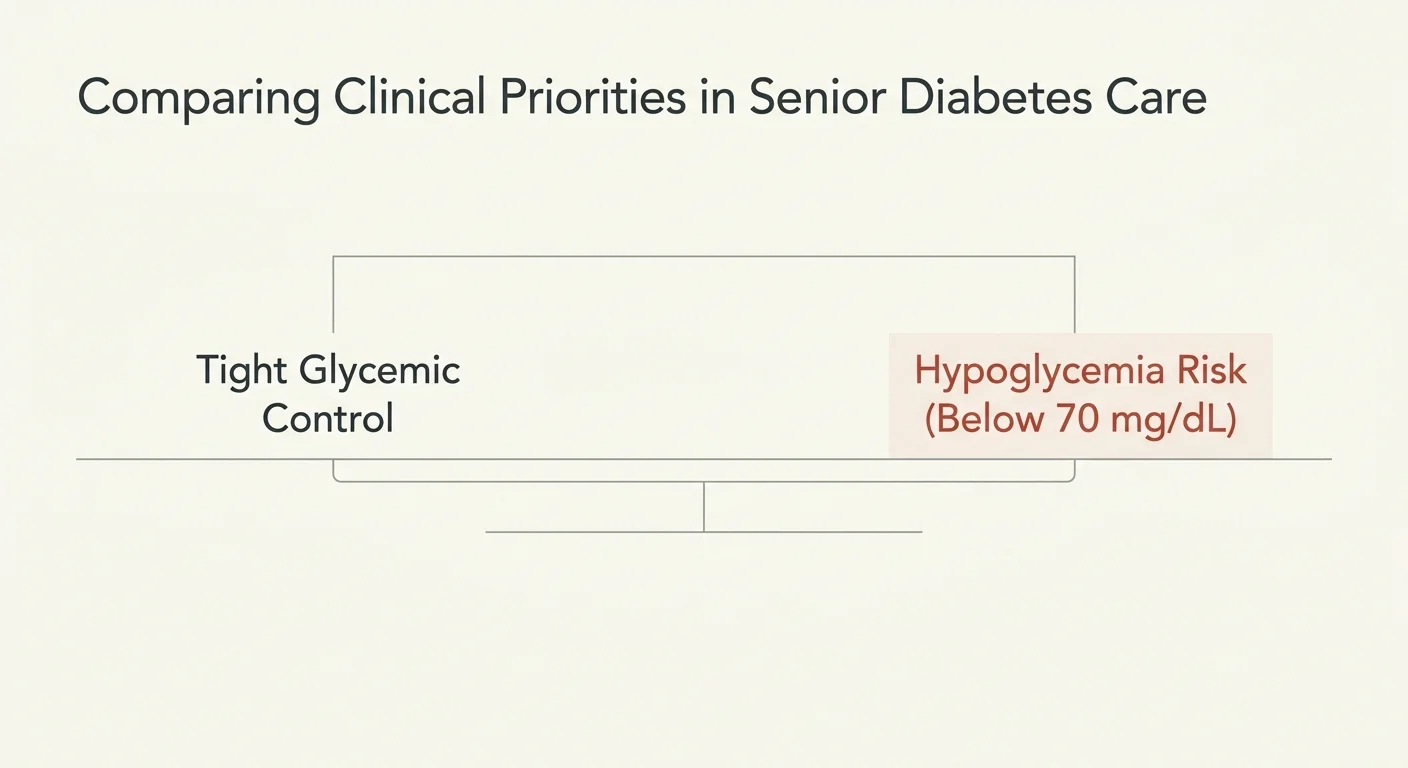
However, the pursuit of perfect blood sugar control carries substantial risks, particularly for older adults. The primary danger of aggressive treatment is the increased frequency of severe hypoglycemic episodes. When doctors push for ultra-low target numbers, the margin for error shrinks drastically.
A skipped meal, a slight medication miscalculation, or an unexpected bout of exercise can plunge your glucose into the danger zone. Frequent low blood sugar events cause cumulative damage to your brain, accelerating cognitive decline and dramatically increasing your risk of life-threatening falls and cardiac arrhythmias.
You and your healthcare team must navigate a delicate balance. The benefits of avoiding long-term diabetic complications must be weighed against the immediate, acute dangers of sudden hypoglycemia.
For many seniors, accepting a slightly higher daily blood sugar average proves far safer than risking the devastating consequences of repeated hypoglycemic crashes. Tailoring your treatment plan to your specific age, lifestyle, and overall health profile is essential for maximizing benefits while minimizing life-altering risks.

What the Experts Say
Leading health organizations have drastically shifted their recommendations for senior blood sugar management over the past decade. The World Health Organization and other global authorities increasingly recognize that a one-size-fits-all approach endangers older populations.
Historically, doctors aimed for an A1C level—a measure of average blood sugar over three months—below seven percent for nearly everyone. Today, experts agree that pushing older adults to hit this aggressive target causes more harm than good.
The Mayo Clinic emphasizes that treatment goals must be individualized based on your life expectancy, the presence of other chronic illnesses, and your risk of experiencing unrecognized low blood sugar. For seniors who are otherwise healthy and have few overlapping medical conditions, a slightly tighter control might still be appropriate.
However, if you manage multiple health issues, have a history of severe hypoglycemia, or rely heavily on caregivers, experts recommend relaxing the A1C targets to between eight and eight and a half percent. This relaxed target provides a crucial safety buffer against dangerous glucose drops.
Similarly, researchers funded by the National Institutes of Health have published extensive data showing that frequent hypoglycemic events in seniors double the risk of developing dementia. The constant starving of brain tissue causes irreversible neurological damage over time.
Furthermore, the Centers for Disease Control and Prevention note that hypoglycemia ranks as one of the leading causes of emergency room visits for adverse drug events among older adults. The overwhelming consensus from the medical community is clear: preventing low blood sugar is just as critical—if not more so—than preventing high blood sugar in the senior population.

Practical Steps and Actionable Advice
Protecting yourself from the hidden dangers of low blood sugar requires a proactive, daily strategy. You cannot wait for symptoms to appear; you must build habits that keep your glucose levels stable and predictable.
Your first step is to establish a rigorous monitoring routine. If you use insulin or medications that stimulate insulin production, you need to check your blood sugar frequently. Consider talking to your doctor about continuous glucose monitors, which are wearable devices that track your levels 24 hours a day and send alarms to your phone when your sugar trends downward.
Consistency in your eating habits is your strongest defense against metabolic crashes. You should eat meals and snacks at the same times every day to match the peak action times of your medications. Never skip a meal, especially if you have already taken your daily dose of diabetes medication.
Focus on incorporating complex carbohydrates paired with protein and healthy fats into your diet. A snack of an apple with peanut butter will provide a slow, steady release of energy, preventing the sharp spikes and dramatic falls caused by sugary foods.
You must also prepare for the worst-case scenario by keeping fast-acting carbohydrates within arm’s reach at all times. Stash glucose tablets, small juice boxes, or hard candies in your purse, on your nightstand, and in your car.
If you feel any of the subtle warning signs—confusion, fatigue, or dizziness—immediately consume fifteen grams of fast-acting carbohydrates. Wait fifteen minutes, and check your blood sugar again. If it remains below 70 milligrams per deciliter, consume another fifteen grams.
Medical professionals call this the Rule of 15, and it is a lifesaving protocol you must memorize. Finally, schedule a comprehensive medication review with your primary care doctor or pharmacist to ensure your current prescriptions match your aging metabolism.
Frequently Asked Questions
Can I experience low blood sugar if I do not have diabetes?
Yes, non-diabetic hypoglycemia is absolutely possible, though less common. It can occur due to certain medications, excessive alcohol consumption, severe liver or kidney disease, or underlying hormonal deficiencies. Some people also experience reactive hypoglycemia, where the body produces too much insulin after a heavy carbohydrate meal, causing a rapid blood sugar crash a few hours later. If you experience symptoms of low blood sugar but do not have diabetes, you must undergo a thorough medical evaluation to uncover the root cause.
How quickly can a hypoglycemic episode become an emergency?
A hypoglycemic episode can escalate from mild symptoms to a severe medical emergency in a matter of minutes. Because the brain relies on a constant stream of glucose, a sudden drop can quickly lead to seizures, loss of consciousness, or even a coma. This rapid decline is why you must never ignore the early warning signs, even if they seem mild. Immediate intervention with fast-acting carbohydrates is required the moment you suspect your levels are dropping.
Does drinking alcohol affect my blood sugar levels?
Alcohol significantly disrupts your liver’s ability to release stored glucose into your bloodstream. Normally, when your blood sugar drops, your liver pumps out backup fuel to stabilize your levels. However, when you drink, your liver prioritizes clearing the alcohol toxins over maintaining your blood sugar. This disruption can cause severe, prolonged hypoglycemia, especially if you drink on an empty stomach or take diabetes medications. You should always consume alcohol in moderation and pair it with a carbohydrate-rich meal.
Should I adjust my medication if I plan to exercise?
Physical activity burns through your circulating glucose rapidly and increases your muscles’ sensitivity to insulin. If you exercise without adjusting your food intake or medication, you face a high risk of going low. You should always check your blood sugar before starting any physical activity. If your reading is low or borderline, eat a small carbohydrate snack before you begin. You must discuss your exercise routines with your healthcare provider so they can help you safely adjust your medication dosages to accommodate your activity levels.
How can family members tell the difference between low blood sugar and dementia?
The most defining difference is the speed of onset. Dementia causes a slow, gradual decline in cognitive function over months and years. Hypoglycemic confusion strikes rapidly, changing a person’s mental state in minutes or hours. If an older adult is perfectly clear-headed in the morning but profoundly disoriented by lunch, you should suspect a metabolic issue. The fastest way to differentiate the two is to administer a blood glucose test; if the blood sugar is low and the confusion resolves after consuming juice, the issue is metabolic, not a symptom of dementia.
Conclusion
Navigating the complexities of blood sugar management requires vigilance, education, and a willingness to listen to your body’s subtle signals. As you age, the classic symptoms of hypoglycemia fade, leaving behind a deceptive trail of confusion, profound fatigue, and unexpected mood swings.
By recognizing these hidden warning signs, you empower yourself to act swiftly, preventing a simple drop in glucose from escalating into a catastrophic fall or medical emergency.
Remember that your health goals must evolve alongside your aging body; advocating for relaxed A1C targets and prioritizing daily stability over perfect numbers can preserve your independence and neurological health. Stay prepared, monitor your levels consistently, and lean on your healthcare team to design a metabolic strategy that keeps you safe, energized, and thriving throughout your senior years.
Disclaimer
This article is intended for informational and educational purposes only and is not a substitute for professional medical advice, diagnosis, or treatment. Always consult with a qualified healthcare provider regarding any health concerns or before making any decisions related to your health or treatment.