Recognizing the early warning signs of spinal stenosis allows you to preserve your mobility and independence well into your golden years. When the spaces within your spine narrow, pressure builds on the nerves traveling through your lower back and neck, causing symptoms you might wrongly attribute to standard joint wear and tear. You do not have to accept severe leg cramps, persistent numbness, or a hunched posture as inevitable consequences of growing older. By identifying these overlooked red flags, you can pursue targeted treatments that alleviate nerve compression and restore your daily comfort. Ignoring these structural changes only accelerates nerve damage, making early intervention critical for your long-term physical activity and overall quality of life.
Understanding the Basics
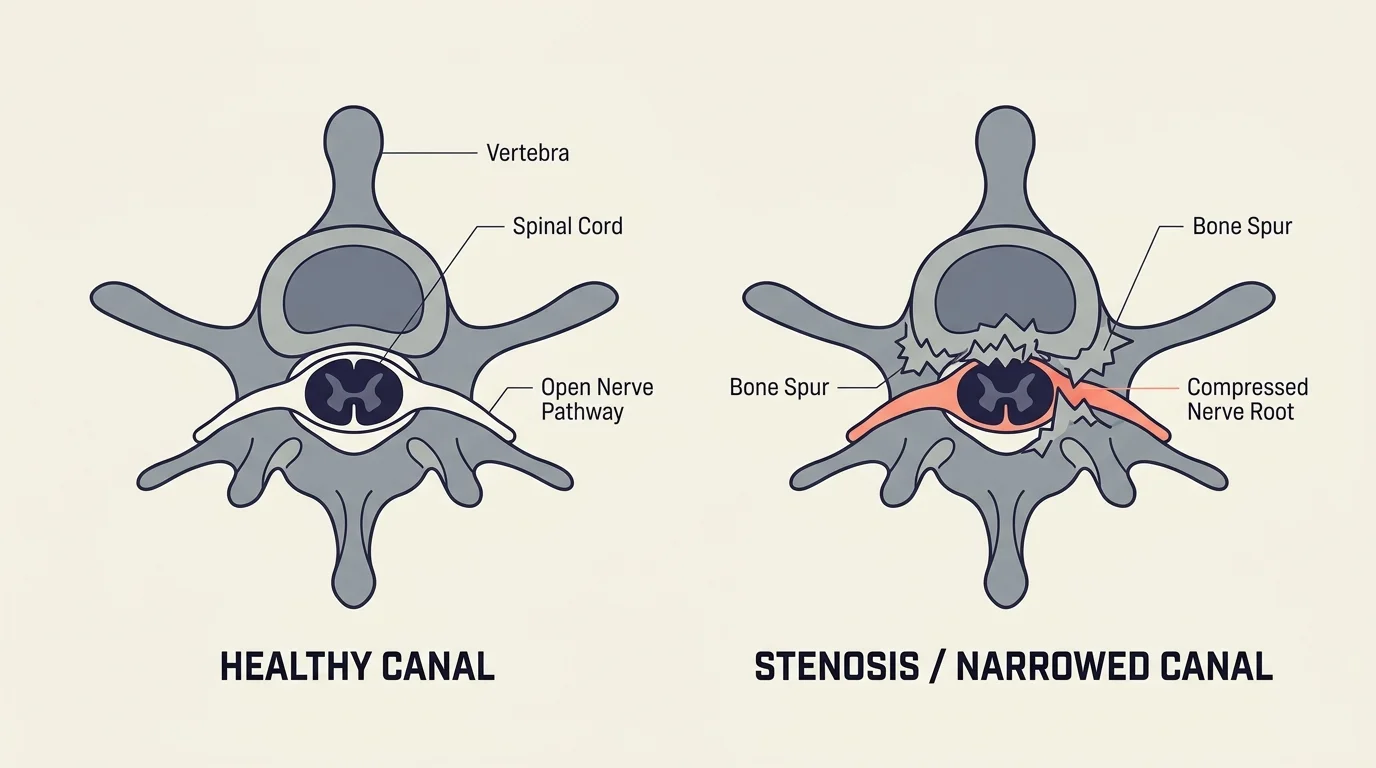
To grasp what spinal stenosis means for your body, you must first picture the intricate architecture of your spine. Your backbone is not a solid column of bone; rather, it is a stacked series of vertebrae forming a protective, hollow canal. This central tunnel houses your spinal cord, which acts as the main communication superhighway between your brain and the rest of your body. Smaller openings called foramina branch off from this main canal, allowing individual nerve roots to exit and travel down your arms and legs. When you have spinal stenosis, these vital spaces begin to shrink.
This narrowing does not happen overnight. Years of mechanical stress, degenerative disc disease, and osteoarthritis cause the cartilage between your spinal joints to wear away. In response, your body attempts to stabilize the spine by growing extra bone, known as bone spurs. These bony overgrowths intrude into the spinal canal or the foraminal openings, crowding the delicate nerves. Ligaments can also thicken and bulge into these spaces, further compounding the crowding effect inside your back.
The consequences of this structural bottleneck matter profoundly for your daily function. Nerves require ample space to transmit electrical signals and receive adequate blood flow. When bone or connective tissue compresses them, they become inflamed and dysfunctional, misfiring pain signals or failing to transmit sensory information correctly. This neurological traffic jam compromises your mobility, ruins your sleep quality, and depletes your overall vitality. Understanding the mechanics of this condition empowers you to advocate for better diagnostic testing and targeted therapies, rather than simply accepting discomfort as a mandatory phase of your senior years.

Key Considerations for Seniors: The 9 Overlooked Signs
Aging naturally alters your body, making it exceedingly difficult to distinguish between typical morning stiffness and the onset of a progressive neurological condition. You might brush off a subtle ache or a clumsy step, assuming your joints are simply showing their mileage. However, spinal stenosis presents itself through specific neurological and physical clues that demand your immediate attention. Since this condition advances gradually, paying close attention to these nine easily dismissed signs can dramatically change the trajectory of your health and mobility.
Sign 1: The Shopping Cart Sign
You may notice that your lower back pain mysteriously vanishes when you lean forward over a grocery cart or a walker. This phenomenon, known clinically as the shopping cart sign, serves as a hallmark indicator of lumbar spinal stenosis. Bending forward naturally flexes your spine, which temporarily opens the narrowed spinal canal and relieves the pressure on your compressed nerves. Seniors frequently view their sudden need to stoop as a harmless posture change, unaware that their body is subconsciously seeking mechanical relief from internal nerve crowding.
Sign 2: Leg Pain Brought on by Walking
Neurogenic claudication describes a specific type of cramping, aching, or heaviness in your calves and thighs that strictly occurs when you walk or stand for extended periods. Unlike vascular claudication caused by poor blood circulation, this pain stems entirely from pinched nerves in your lower back. You might dismiss this leg fatigue as a sign that you are simply out of shape or suffering from mild arthritis. However, if sitting down quickly resolves your leg pain, you are likely experiencing a primary symptom of spinal canal narrowing.
Sign 3: Lingering Numbness in the Extremities
A temporary foot falling asleep after you cross your legs happens to everyone. Conversely, persistent or recurrent numbness in your buttocks, legs, or feet indicates a much deeper neurological issue. When spinal stenosis chokes the sensory nerves in your lumbar region, they lose their ability to transmit tactile feedback to your brain. Seniors often mistake this creeping numbness for diabetic neuropathy or general circulation problems, severely delaying the accurate diagnosis of their degenerating spine condition.
Sign 4: Subtle Balance and Coordination Issues
Tripping over flat rugs or feeling unsteady on your feet does not always stem from inner ear problems or failing eyesight. Cervical spinal stenosis, which occurs in the neck, can violently disrupt the proprioceptive signals traveling from your legs up to your brain. This sensory disconnect leaves you feeling uncoordinated or clumsy, significantly increasing your risk of a devastating fall. Do not write off your declining balance as a natural part of growing older when it might point directly to a compressed spinal cord.
Sign 5: Radiating Pain Resembling Sciatica
Sciatica produces a sharp, electrical pain that shoots from your lower back, through your buttocks, and down the back of your leg. While a herniated disc commonly triggers this pain in younger adults, spinal stenosis remains the leading culprit for seniors. As the foraminal openings in your lower spine narrow, they pinch the sciatic nerve root. Many older adults endure this searing pain under the mistaken assumption that they simply pulled a hamstring muscle, completely missing the underlying structural degradation of their spine.
Sign 6: Foot Drop and Muscle Weakness
If you find yourself dragging your toes when you walk or struggling to lift the front part of your foot, you are experiencing a condition called foot drop. This alarming symptom occurs when prolonged nerve compression physically weakens the muscles responsible for ankle flexion. You might also notice generalized weakness in your thighs or calves, making it exceptionally difficult to rise from a low chair or climb a flight of stairs. Muscle weakness signifies advanced nerve distress and requires an immediate medical evaluation.
Sign 7: Loss of Fine Motor Skills
Stenosis in your cervical spine frequently manifests in your hands long before it affects your lower body. You might struggle to button your dress shirts, turn a key in a stiff lock, or maintain a firm grip on your morning coffee mug. Older adults routinely blame these fine motor difficulties on osteoarthritis in their fingers and wrists. However, if joint pain is absent and the clumsiness persists, the root of your hand dysfunction likely lies in the pinched nerves of your neck.
Sign 8: Changes in Bowel or Bladder Habits
While urinary incontinence and bowel issues affect many seniors due to pelvic floor weakness or prostate enlargement, sudden changes in your bathroom habits can signal a medical emergency. Severe spinal stenosis can compress the cauda equina, a bundle of nerves at the very end of your spinal cord that controls your pelvic organs. If you develop new-onset incontinence alongside lower back pain or saddle numbness, you must bypass the excuses of aging and seek immediate emergency care to prevent permanent paralysis.
Sign 9: Pain That Disrupts Your Sleep
Tossing and turning throughout the night may seem like a standard grievance for seniors. However, when you cannot find a comfortable sleeping position because your legs ache or your back throbs, spinal stenosis might be the underlying cause. Lying flat on your back extends your spine, which tightens the spinal canal and exacerbates nerve compression. If you find yourself curling into a fetal position to sleep, your body is once again attempting to manually open those narrowed spinal spaces to achieve nocturnal relief.
Benefits and Potential Risks
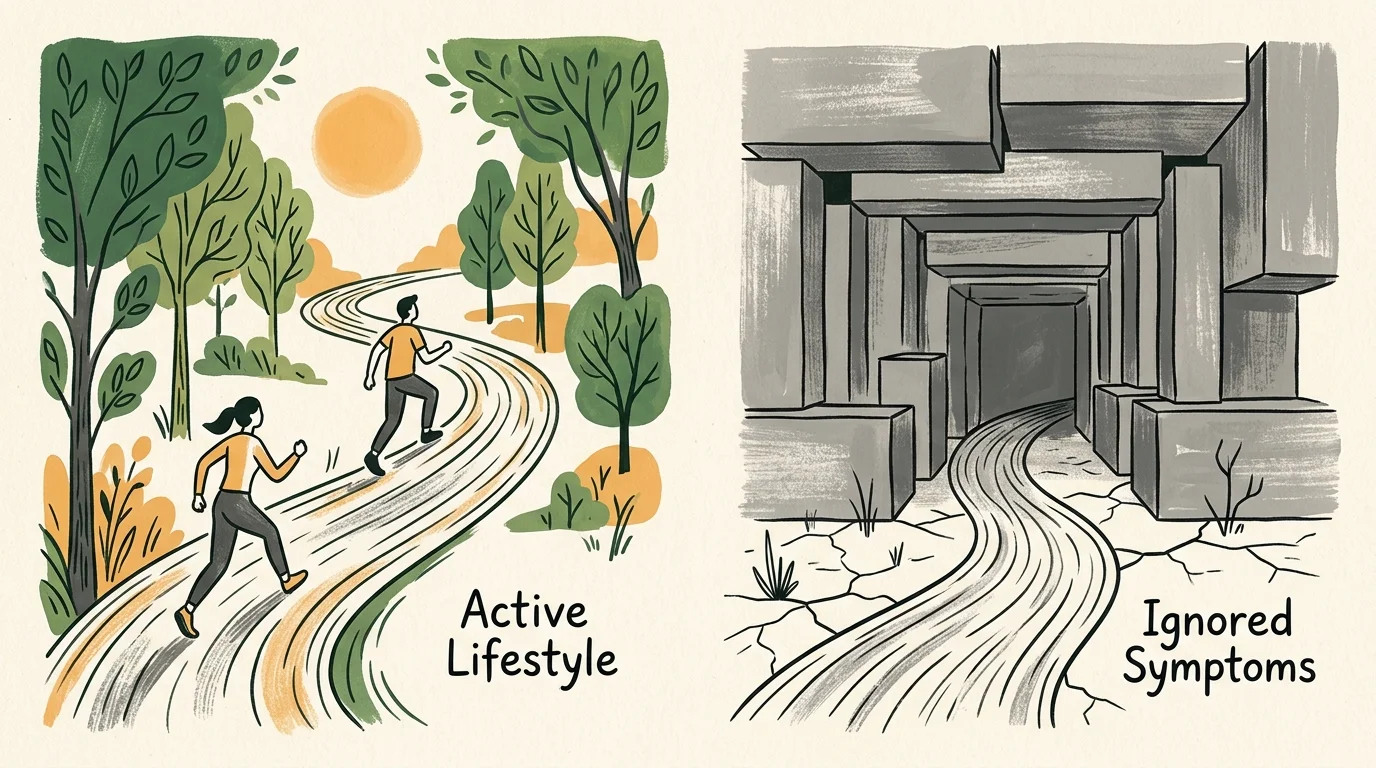
Acknowledging the early signs of spinal stenosis offers profound advantages for your long-term independence, but navigating the treatment landscape requires a careful evaluation of potential risks. The most significant benefit of an early diagnosis lies in your ability to pursue conservative, non-invasive therapies before your nerve damage becomes irreversible. By identifying the root cause of your pain, you can implement targeted physical therapy routines that strengthen your core, stabilize your lumbar region, and improve your overall flexibility. These proactive measures not only alleviate your immediate discomfort but also halt the progression of mobility loss, keeping you active and engaged in your local community.
Furthermore, proper medical management prevents the cascade of secondary health issues that stem from chronic inactivity. When you treat your spinal stenosis, you regain the ability to walk and exercise. This activity subsequently protects your cardiovascular health, helps manage your blood sugar levels, and wards off the depression frequently associated with chronic pain. You reclaim your agency over your aging process, transitioning from a passive sufferer to an active participant in your wellness journey.
Despite these clear benefits, you must remain vigilant about the potential risks associated with various treatment modalities. Relying heavily on over-the-counter nonsteroidal anti-inflammatory drugs to mask your spinal pain can compromise your kidney function; doing so may also elevate your blood pressure and cause severe gastrointestinal bleeding over time. Likewise, prescription pain medications carry significant risks of dependency and cognitive impairment, particularly for older adults whose metabolism processes drugs much more slowly.
If your physician recommends epidural steroid injections, you must weigh the temporary pain relief against the potential downsides. Repeated injections can weaken your spinal ligaments, elevate your blood sugar levels, and temporarily suppress your immune system. Finally, while decompressive spine surgery can provide miraculous relief for severe cases, it carries inherent surgical risks, including infection, blood clots, and adverse reactions to general anesthesia. You and your healthcare provider must engage in a thorough risk-benefit analysis, ensuring that your chosen intervention aligns perfectly with your overall health status and personal goals.
What the Experts Say
Leading medical authorities universally emphasize the importance of differentiating spinal stenosis from routine age-related decline. Researchers from top-tier institutions continually highlight that degenerative changes in the spine are incredibly common, but they do not automatically condemn you to a life of pain. According to extensive imaging data, many older adults possess narrowed spinal canals on MRI scans but experience absolutely no symptoms. Therefore, experts stress that doctors must treat the patient, not just the scan. You can access broad educational resources on age-related joint and bone health directly at the National Institutes of Health homepage.
Similarly, orthopedic specialists and neurologists point out that early intervention fundamentally changes patient outcomes. Global health organizations advocate for maintaining mobility as the ultimate cornerstone of healthy aging, noting that unaddressed spinal conditions rapidly accelerate physical deconditioning. You can explore their global initiatives on healthy aging by visiting the World Health Organization.
Experts from leading research hospitals routinely warn against the dangers of ignoring progressive neurological deficits. While they strongly advocate for conservative treatments like targeted physical therapy and weight management as the first line of defense, they universally agree that signs of muscle weakness or bowel dysfunction require swift surgical evaluation. The consensus remains perfectly clear: your spine will naturally change as you age, but persistent pain, numbness, and mobility loss are abnormal signals requiring professional medical intervention. For further insights into chronic disease management and aging, you can review the public resources available at the Centers for Disease Control and Prevention and the Mayo Clinic.

Practical Steps and Actionable Advice
Taking control of your spinal health requires a proactive approach that extends far beyond popping a painkiller and hoping for the best. The first actionable step you must take involves keeping a highly detailed symptom journal. Document exactly when your pain occurs, what physical activities trigger it, and what positional changes bring you temporary relief. Note whether leaning over your grocery cart helps, or if walking down a steep hill makes your leg cramping worse. This specific information provides your doctor with critical diagnostic clues that simply cannot be captured in a brief office visit.
Once you have tracked your symptoms for a few weeks, schedule a comprehensive evaluation with a spine specialist or a board-certified neurologist. Do not settle for a vague diagnosis of general arthritis. Ask direct questions about the diameter of your spinal canal and request specific imaging, such as an MRI or a CT scan, if your symptoms include nerve-related numbness or muscle weakness. You must advocate fiercely for your own diagnostic clarity to ensure you receive the correct treatment protocol.
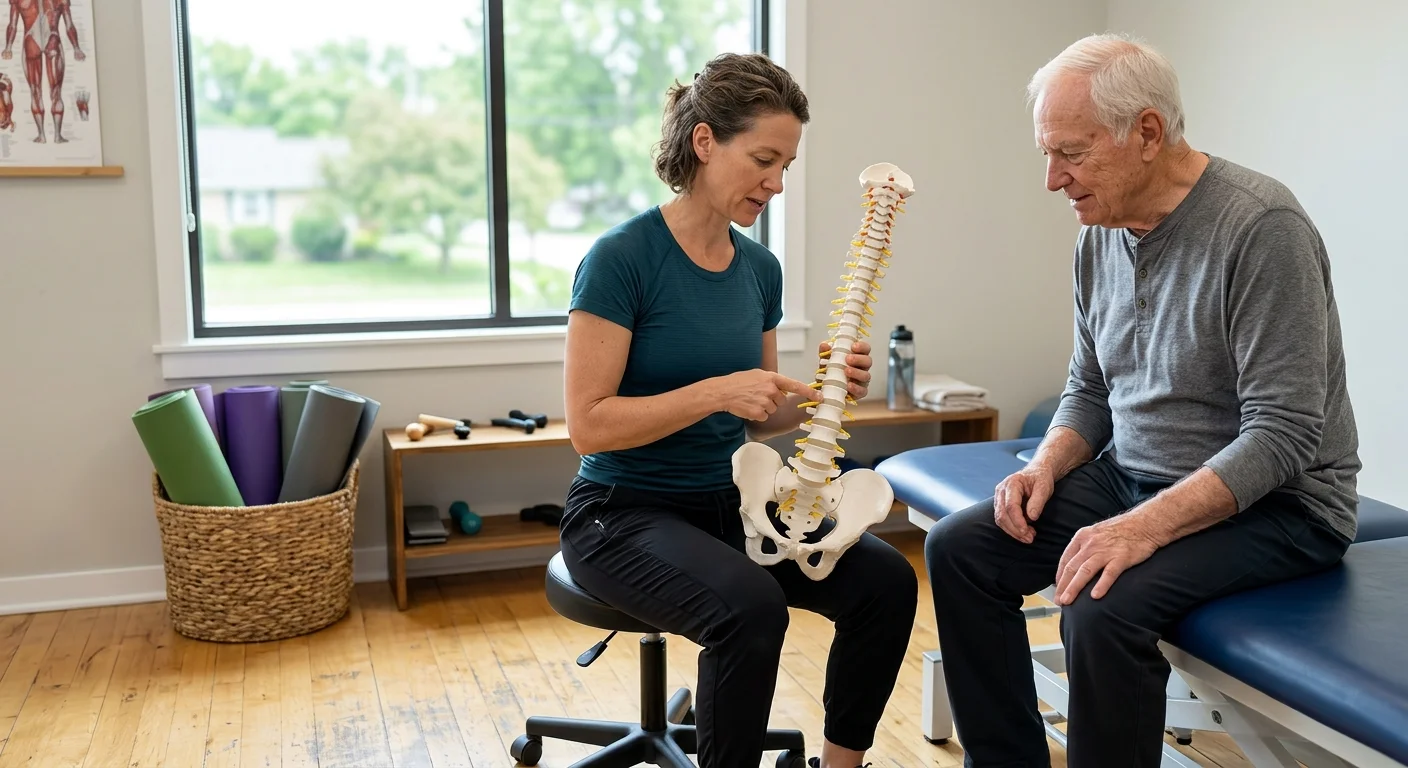
In the realm of lifestyle modifications, prioritize low-impact aerobic exercises that do not place excessive compressive loads on your aging spine. Stationary cycling and water aerobics offer excellent cardiovascular workouts while keeping your spine in a comfortable, slightly flexed position. Furthermore, consult with a licensed physical therapist who can design a customized regimen to strengthen your abdominal and lower back muscles. A strong muscular corset acts as a natural biological brace, supporting your vertebrae and heavily reducing the mechanical burden on your narrowed spinal canal.
Finally, evaluate your daily ergonomics to protect your spine. Invest in supportive footwear with proper shock absorption to reduce the impact traveling up your legs and into your lower back. Adjust your favorite sitting chairs to ensure your knees rest slightly higher than your hips, which naturally flattens your lower spine and relieves nerve pressure. By making these calculated physical adjustments, you create an environment that supports your spinal longevity and daily comfort.
FAQ
Can spinal stenosis be cured without surgery?
While you cannot permanently reverse the physical structural narrowing of your spinal canal without surgery, you can absolutely manage and minimize your symptoms through robust conservative care. Physical therapy, anti-inflammatory medications, weight management, and targeted spinal injections frequently provide enough relief to restore your daily function. Many seniors live comfortably for decades without ever requiring surgical intervention by strictly adhering to their non-invasive management plans.
Is walking good for spinal stenosis?
Walking remains a phenomenal exercise for your overall health, but it can aggressively trigger neurogenic claudication in people with severe lumbar spinal stenosis. If upright walking causes your legs to ache and cramp, you should not force yourself to push through the pain. Instead, switch to alternative exercises that incorporate slight forward flexion, such as riding a stationary recumbent bike or walking in a swimming pool, where the natural buoyancy reduces spinal compression.
Does spinal stenosis always get worse over time?
Spinal stenosis stems from degenerative changes, meaning the physical narrowing of the bone often progresses slowly as you age. However, the severity of your symptoms does not necessarily follow a linear, downward trajectory. Many patients experience distinct flare-ups followed by long periods of stabilization where their pain remains entirely manageable. Proactive physical therapy and healthy lifestyle modifications play a massive role in halting the progression of your day-to-day symptoms.
What is the difference between spinal stenosis and a herniated disc?
Both conditions cause pinched nerves, but they originate from entirely different structural failures within your back. A herniated disc occurs when the soft, jelly-like center of a spinal disc ruptures through its tough outer exterior, chemically irritating and pressing against a nearby nerve. Spinal stenosis, on the other hand, involves a gradual, widespread narrowing of the bony spinal canal itself, typically caused by bone spurs and thickened ligaments related to long-term osteoarthritis.
Conclusion
Dismissing the vital warning signs of spinal stenosis as mere byproducts of aging prevents you from accessing the critical care you desperately need. Your golden years should not be defined by a shrinking perimeter of mobility, progressive leg numbness, or an inability to enjoy your favorite physical activities. By recognizing the subtle neurological clues your body sends you—whether it is the undeniable need to lean over a shopping cart, the cramping in your calves, or the sudden clumsiness in your hands—you take the crucial first step toward reclaiming your independence. Armed with this knowledge, you can forge a collaborative relationship with your healthcare providers, implement highly effective lifestyle modifications, and pursue targeted treatments that protect your nerves. You possess the power to rewrite your aging narrative, ensuring your spine remains a pillar of strength rather than a source of limitation.
Disclaimer
This article is intended for informational and educational purposes only and is not a substitute for professional medical advice, diagnosis, or treatment. Always consult with a qualified healthcare provider regarding any health concerns or before making any decisions related to your health or treatment.