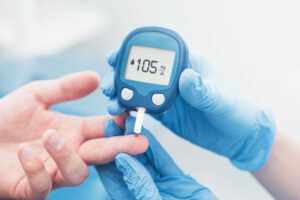
Summer brings abundant opportunities for outdoor recreation, but warmer temperatures also create the perfect breeding ground for seasonal illnesses that can severely impact older adults. As you age, your immune system naturally weakens, making you more susceptible to summer-specific health threats like tick-borne infections, waterborne bacteria, and food poisoning. Protecting yourself requires proactive awareness rather than simply hoping for the best. By understanding the specific pathogens that thrive in heat and humidity, you can safely enjoy gardening, traveling, and family barbecues without compromising your well-being. This guide breaks down the nine most prevalent summer diseases and offers targeted strategies to fortify your defenses so you can experience the season with confidence and optimal health.
Understanding the Basics
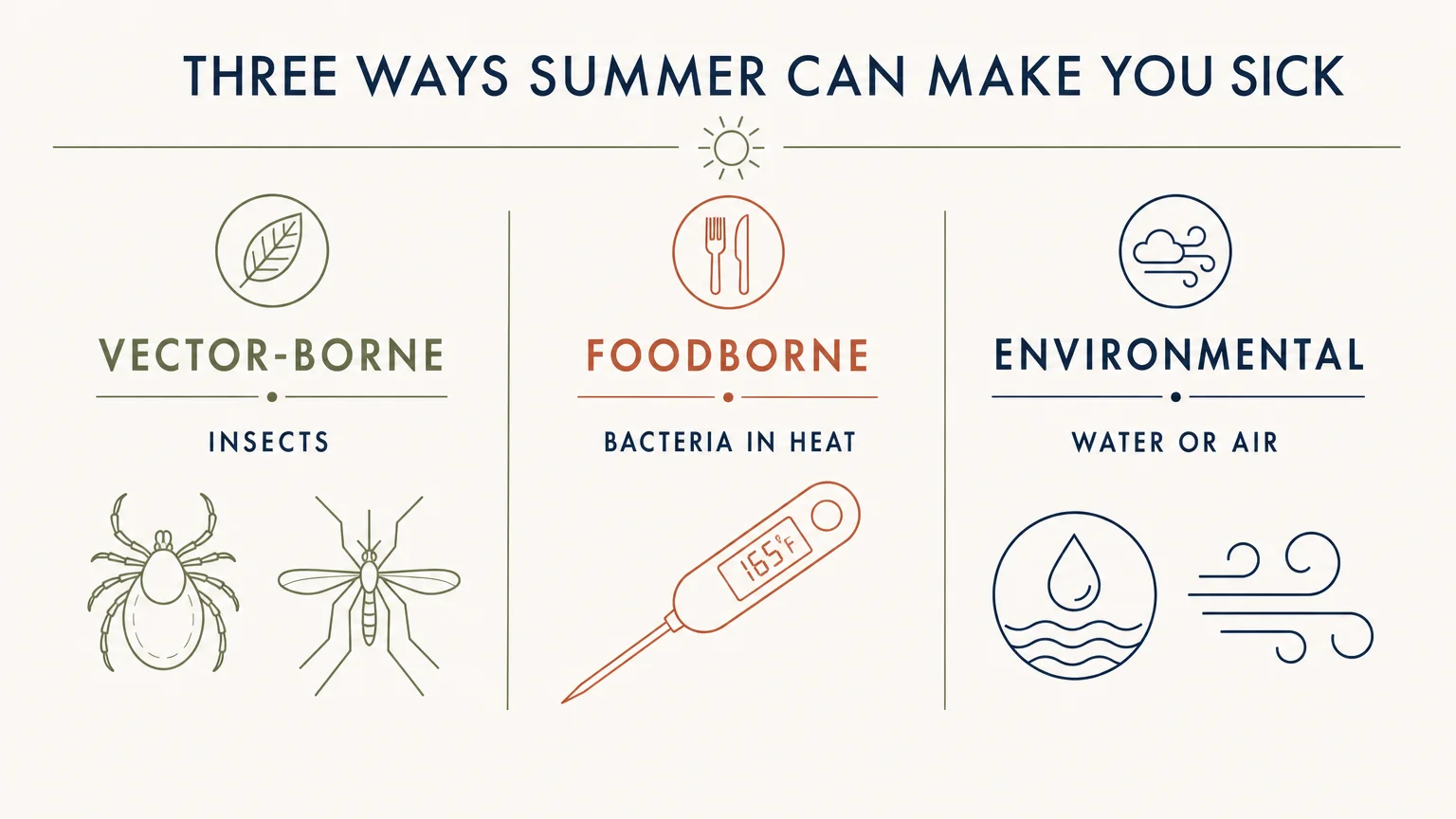
Summer illnesses generally fall into three categories: vector-borne diseases transmitted by insects, foodborne illnesses triggered by rapid bacterial growth in warm temperatures, and environmental infections contracted through water or air. Familiarizing yourself with these specific diseases helps you identify early warning signs and seek prompt medical intervention.
1. Lyme Disease
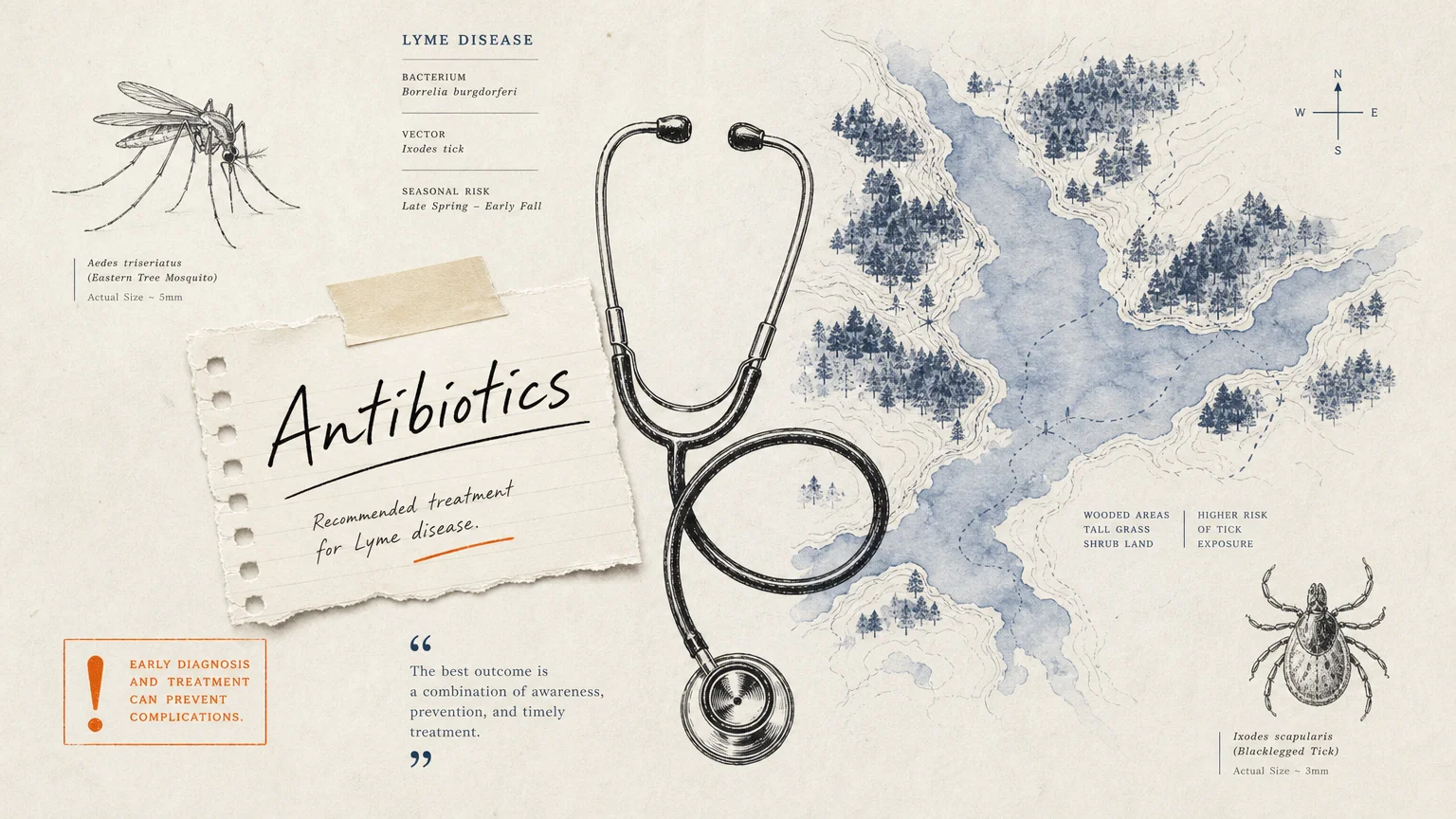
Ticks lurk in tall grasses and shaded, wooded areas, waiting for an unsuspecting host to brush past. When an infected black-legged tick attaches to your skin, it can transmit the bacterium Borrelia burgdorferi, causing Lyme disease. You might notice the classic bullseye rash, but many people never develop this specific symptom. Instead, you could experience severe fatigue, intermittent fever, and debilitating joint pain. For older adults, these symptoms closely mimic arthritis or age-related fatigue, which frequently delays a crucial diagnosis. You must perform thorough daily tick checks after gardening, hiking, or spending time in brushy areas. Catching the disease early allows your doctor to prescribe a simple, highly effective course of antibiotics, whereas delayed treatment invites chronic neurological and cardiovascular complications that can permanently alter your quality of life.
2. West Nile Virus
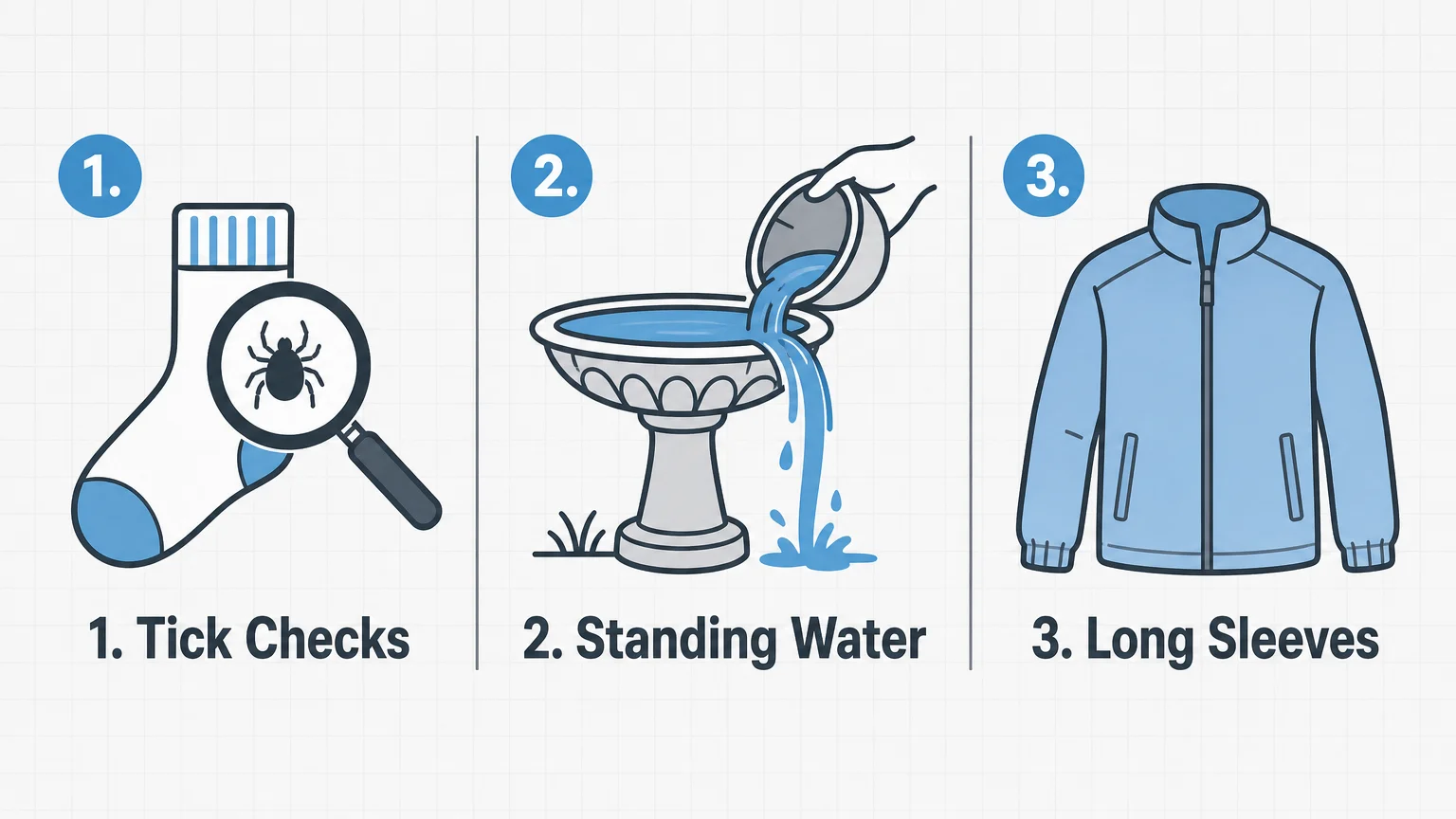
Mosquitoes breed rapidly in warm, stagnant water, turning a peaceful summer evening on the patio into a potential health hazard. These insects transmit West Nile Virus, a pathogen that typically causes mild, flu-like symptoms in younger individuals. However, as an older adult, you face a significantly higher risk of developing severe neuroinvasive diseases, such as encephalitis or meningitis. The virus attacks the central nervous system, leading to soaring fevers, neck stiffness, severe disorientation, and even paralysis. Because no vaccine or specific antiviral treatment currently exists for humans, your primary defense relies entirely on aggressive prevention. You should wear long sleeves during dawn and dusk—the peak biting hours—and eliminate any standing water in your yard, from neglected birdbaths to clogged rain gutters.
3. Salmonellosis
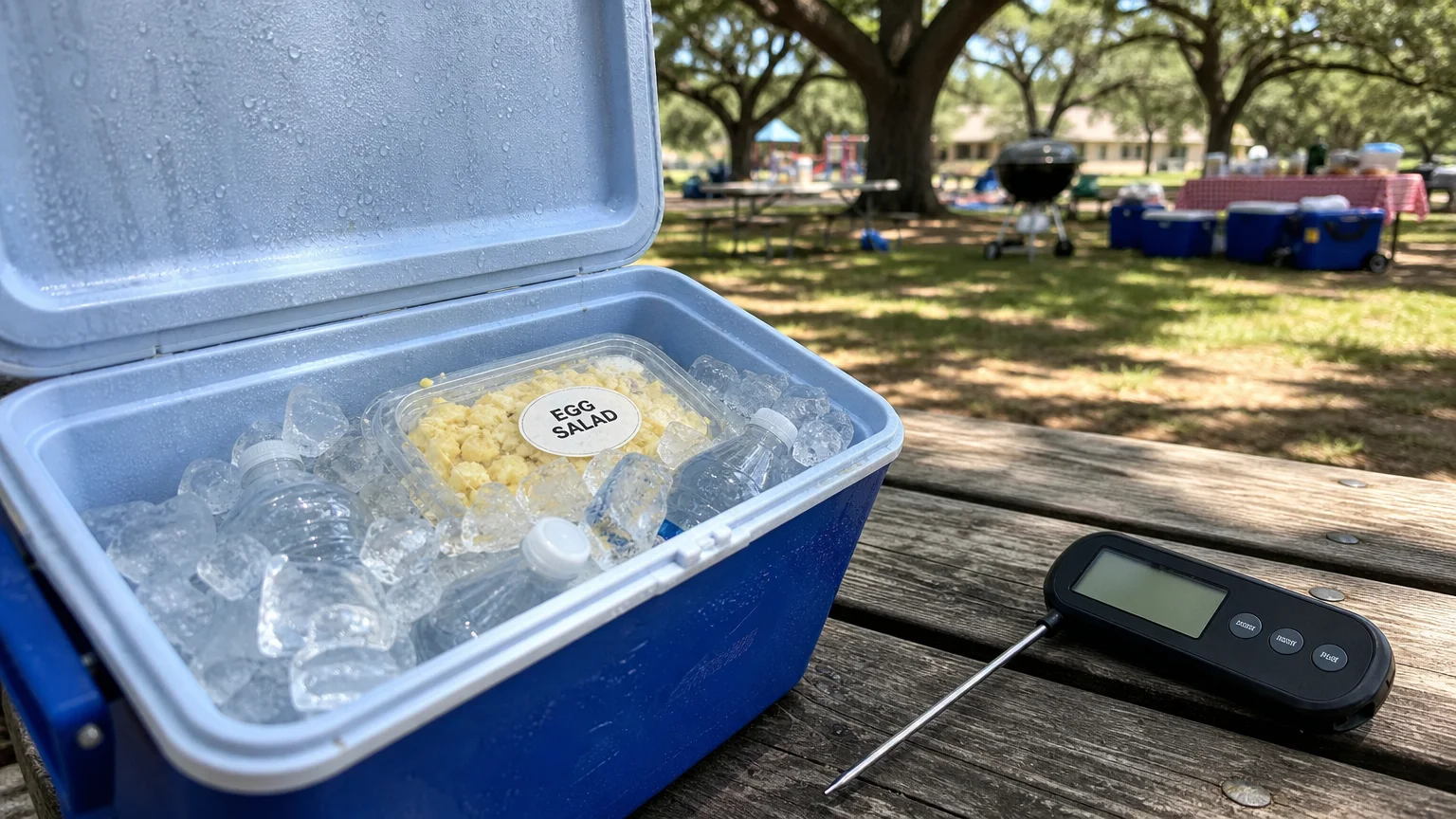
Summer barbecues and picnics provide the ideal environment for Salmonella bacteria to multiply at alarming rates. When you leave perishable foods like grilled chicken, egg salads, or unpasteurized dairy products out in the summer heat, the bacterial count doubles every twenty minutes. Consuming this contaminated food leads to salmonellosis, causing severe stomach cramps, rapid-onset diarrhea, and fever. While a younger person might recover after a few uncomfortable days, you face a profound risk of rapid dehydration and systemic infection. Decreased stomach acid, a natural byproduct of aging, allows more bacteria to survive the digestive tract and reach your intestines. You must use a reliable digital meat thermometer to ensure proper cooking temperatures and consistently store perishables in a well-iced cooler.
4. Legionnaires’ Disease
You likely associate severe pneumonia with cold winter months, but Legionnaires’ disease presents a formidable summer respiratory threat. The Legionella bacterium thrives in warm freshwater environments and multiplies quickly in complex, human-made water systems like air conditioning cooling towers, hotel hot tubs, and decorative public fountains. You contract the disease by inhaling microscopic water droplets containing the bacteria. Older adults, particularly those with a history of smoking or chronic lung conditions like chronic obstructive pulmonary disease, bear the highest risk of life-threatening complications. Symptoms include a dangerously high fever, a severe and productive cough, and sudden shortness of breath. You should ensure the proper maintenance and chemical treatment of any hot tubs or humidifiers you use regularly.
5. Norovirus
Many people mistakenly label norovirus as the “winter vomiting bug,” yet it aggressively ruins summer vacations, large family reunions, and crowded cruise trips. This highly contagious virus spreads rapidly through contaminated food, shared water sources, or direct contact with an infected person or surface. The virus induces sudden, projectile vomiting and severe diarrhea. For older adults, this intense and rapid fluid loss creates a critical medical emergency, potentially leading to acute kidney injury or severe electrolyte imbalances. Alcohol-based hand sanitizers offer very little protection against norovirus due to the virus’s resilient outer protein shell. You must practice rigorous handwashing with soap and warm water for at least twenty seconds to physically strip the viral particles from your hands and wash them down the drain.
6. Swimmer’s Ear
Taking a refreshing dip in a local pool or a natural lake offers excellent, low-impact cardiovascular exercise, but trapped moisture in your ear canal creates a paradise for opportunistic bacteria. Pseudomonas aeruginosa, a remarkably common waterborne bacterium, easily invades the delicate lining of your ear canal, causing an infection known clinically as otitis externa—or swimmer’s ear. You will feel intense, sharp pain when gently pulling on your earlobe, accompanied by persistent itching and muffled hearing. Older adults with naturally thinning skin in the ear canal face a higher susceptibility to microscopic tears, which grant bacteria easy entry. You can prevent this painful condition by wearing specialized earplugs while swimming and thoroughly drying your ears with a clean towel.
7. Babesiosis
While Lyme disease rightfully dominates summer health headlines, ticks also carry other dangerous, lesser-known pathogens like Babesia microti. This microscopic parasite infects and systematically destroys your red blood cells, causing a severe disease called babesiosis. The infection brings heavy, drenching sweats, intense chills, a high fever, and profound physical fatigue, closely resembling the symptoms of malaria. If you are over the age of sixty or have had your spleen removed, you sit in the highest risk category for severe, life-threatening complications, including hemolytic anemia and multi-organ failure. Because ticks frequently transmit multiple diseases simultaneously, a single bite could infect you with both Lyme disease and babesiosis. You must treat your outdoor clothing with permethrin spray to repel and kill these dangerous vectors on contact.
8. Valley Fever
If you live in or travel to the southwestern United States during the dry summer months, you must remain deeply vigilant about Valley Fever. The Coccidioides fungus resides naturally in the dry soil and releases microscopic, invisible spores into the air when disturbed by construction, farming equipment, or strong summer winds. Inhaling these airborne spores causes a persistent fungal respiratory infection. You might develop a nagging cough, deep chest pain, and a bumpy red rash on your lower legs. Older adults with waning immune systems can experience disseminated Valley Fever, a dangerous progression where the fungus spreads from the lungs to the brain, bones, and skin. You should proactively avoid spending time outdoors during visible dust storms and keep your windows tightly closed during high wind advisories.
9. Enterovirus
Summer colds strike with surprising ferocity, driven primarily by non-polio enteroviruses rather than the standard rhinoviruses you encounter in the winter. These resilient pathogens peak between June and October, spreading easily through close personal contact, invisible respiratory droplets, or touching contaminated surfaces at public gatherings. Unlike a mild winter sniffle, an enterovirus infection often triggers a sudden high fever, severe body aches, a painful sore throat, and highly unpleasant gastrointestinal symptoms. Because your aging immune system mounts a slower, less robust defense, these specific viruses can drain your energy for several weeks and significantly exacerbate underlying conditions like asthma or congestive heart failure. You must maintain strict personal hygiene and aggressively disinfect high-touch surfaces in your home after hosting guests.
Key Considerations for Seniors
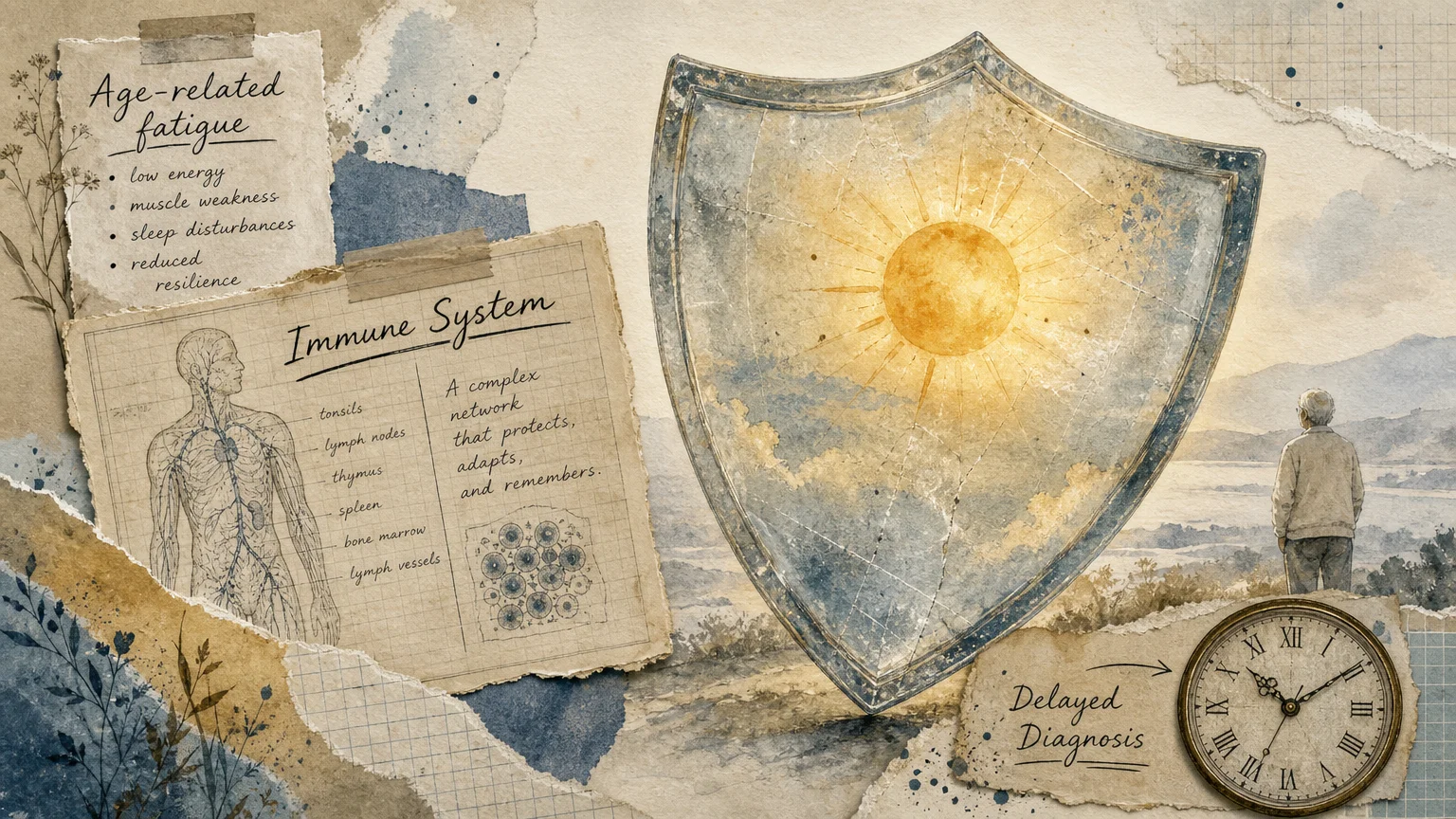
Aging naturally alters how your body detects, fights, and recovers from infectious diseases. This biological process, known as immunosenescence, means your bone marrow and thymus gland produce fewer immune cells to combat invading bacteria and viruses. When you encounter a summer pathogen, your immune system mounts a slower and less aggressive defense, allowing the disease to gain a stronger foothold before you even notice the first symptom. This delayed response turns mild infections into severe, prolonged illnesses that demand intensive medical care.
Your skin also undergoes significant structural changes as the years pass. The epidermis thins and loses its protective elasticity, making it far easier for ticks to burrow unnoticed and for mosquitoes to pierce the surface. Furthermore, insect bites on older skin heal much slower, increasing your risk of developing secondary bacterial skin infections like cellulitis. You must pay closer attention to any breaks in your skin during the summer months, applying antiseptic creams immediately to minor scratches and bug bites.
Digestive changes further amplify your vulnerability to summer food poisoning. As you grow older, your stomach gradually produces less gastric acid. This highly acidic fluid normally acts as a primary barrier, killing off harmful bacteria like Salmonella and E. coli before they reach your delicate intestinal tract. With lowered stomach acid, you ingest more viable bacteria from an undercooked burger or a warm potato salad, resulting in a much more violent and rapid onset of gastrointestinal distress. Combined with a naturally diminished thirst mechanism, this rapid fluid loss puts you on a fast track to severe, life-threatening dehydration.
Benefits and Potential Risks
Navigating summer health requires balancing the undeniable benefits of outdoor activity with the hidden risks of seasonal diseases. Spending time in the summer sun triggers your skin to synthesize vital Vitamin D, which you urgently need to maintain bone density, support immune function, and prevent osteoporosis. Engaging in outdoor activities like tending to a garden, walking through a local park, or swimming provides essential cardiovascular exercise and staves off the profound mental health risks associated with indoor isolation and loneliness.
However, the risk lies in unprotected, uneducated exposure. Spending hours in wooded areas without appropriate clothing vastly increases your odds of contracting a tick-borne illness. Enjoying community picnics without verifying food temperatures exposes you directly to severe foodborne pathogens. The goal is never to lock yourself indoors out of fear—which carries its own severe health detriments—but rather to implement simple, non-intrusive safety protocols that mitigate the environmental risks while allowing you to fully reap the physical and psychological rewards of the season.
What the Experts Say
Leading global and national health authorities universally emphasize proactive prevention over reactive treatment when it comes to summer diseases. The Centers for Disease Control and Prevention strongly advocates for the diligent use of Environmental Protection Agency-registered insect repellents containing active ingredients like DEET, picaridin, or oil of lemon eucalyptus. They stress that older adults must make vector defense a daily habit, heavily treating boots, socks, and pants with permethrin before heading into nature.
Regarding food safety, the Mayo Clinic underscores the absolute importance of temperature control during summer months. They warn that bacteria thrive in the “danger zone” between 40 and 140 degrees Fahrenheit. Experts recommend discarding any perishable food left unchilled for more than two hours—or just one hour if the ambient outdoor temperature climbs above 90 degrees Fahrenheit.
Immunology experts at the National Institutes of Health remind older adults that maintaining baseline health acts as a critical shield against summer infections. Because older bodies hold less water overall and the sensation of thirst dulls with age, they advise drinking fluids continuously throughout the day, long before you actually feel thirsty. Finally, the World Health Organization highlights that changing global climates and longer, hotter summers allow disease-carrying mosquitoes and ticks to expand their geographical ranges, meaning you must stay vigilant even if these diseases were historically uncommon in your specific region.
Practical Steps and Actionable Advice
Defending your skin and your yard requires a strategic approach to outdoor routines. Before you step outside for a walk or gardening session, apply an EPA-registered insect repellent to all exposed skin. Choose light-colored, long-sleeved shirts and long pants; the lighter colors make it remarkably easier to spot dark ticks crawling on your clothes before they reach your skin. When you return indoors, place your clothes directly into the dryer on high heat for ten minutes to kill any hiding ticks, and take a warm shower to wash away unattached ticks while performing a full-body mirror check.
Securing your summer menu demands strict temperature vigilance. When you host or attend a barbecue, keep raw meats entirely separate from fresh produce to prevent dangerous cross-contamination. Invest in a high-quality, instant-read food thermometer and verify that poultry reaches an internal temperature of 165 degrees Fahrenheit, while ground meats hit at least 160 degrees. Pack your outdoor coolers with plenty of ice or frozen gel packs, keeping beverages in a separate cooler so the food cooler remains tightly closed and consistently cold despite frequent beverage runs.
Managing the water and air systems in your environment heavily reduces your risk of environmental infections. Walk around your property weekly and aggressively empty any source of stagnant water—including plant saucers, discarded tires, children’s toys, and unfiltered birdbaths—to disrupt the mosquito breeding cycle. If you rely on a window air conditioning unit, clean the filter monthly to prevent mold and bacterial buildup. If you use a hot tub, regularly test the water with chemical strips to ensure the chlorine or bromine levels remain high enough to eradicate Legionella bacteria.
Frequently Asked Questions
Why do mosquitoes seem to target older adults more frequently?
Mosquitoes hunt their targets by tracking carbon dioxide emissions and body heat. While they do not specifically prefer older blood, seniors who spend more time sitting stationary in shaded, humid gardens often become easy targets. Furthermore, because aging skin is thinner, the localized allergic reaction to mosquito saliva can appear much larger and significantly more inflamed, making the bites far more noticeable and bothersome than they were in your youth.
How quickly must you remove a tick to prevent Lyme disease?
To transmit the Lyme disease bacterium, a tick generally needs to remain firmly attached to your skin for 36 to 48 hours. However, other dangerous tick-borne diseases, such as anaplasmosis or babesiosis, can be transmitted much faster. You must remove the tick as soon as you spot it using fine-tipped tweezers, grasping the tick as close to the skin’s surface as possible and pulling straight up with steady, even pressure.
Can you contract Legionnaires’ disease from a standard window air conditioner?
You face an incredibly low risk of contracting Legionnaires’ disease from a standard home window air conditioning unit. These simple units do not use complex water reservoirs to cool the air; instead, they produce condensation that harmlessly drips outside. The real danger comes from large, aerosolizing water systems like building-wide cooling towers, poorly maintained hot tubs, and decorative fountains that spray contaminated microscopic mist into the air you breathe.
What is the most reliable way to wash away norovirus?
The only highly reliable method to eliminate norovirus from your hands is rigorous, physical friction using warm water and standard soap for a minimum of twenty seconds. The mechanical action of scrubbing physically tears the virus off your skin. Hand sanitizers lack the necessary chemical power to penetrate the thick, protective protein capsule surrounding the norovirus, leaving the virus highly active and dangerous on your hands.
Are summer colds truly different from winter colds?
Yes, different viral families drive summer and winter colds. Winter colds usually stem from rhinoviruses, which thrive in cooler, less humid environments and primarily cause localized nasal congestion. Summer colds stem from enteroviruses, which flourish in warm weather and frequently provoke a much wider, more systemic range of symptoms, including sudden high fevers, painful body aches, and debilitating gastrointestinal distress alongside standard respiratory issues.
Conclusion
Summer offers a wonderful opportunity to reconnect with nature, engage in physical activity, and spend valuable time with loved ones. By understanding the unique mechanics of summer diseases—from tick-borne pathogens and mosquito-borne viruses to rapid-growth food bacteria—you can take simple, decisive actions to protect your aging immune system. Implementing daily tick checks, utilizing digital meat thermometers, and washing your hands with soap and water will drastically reduce your risk of seasonal illness. Enjoy the warmth and sunshine fully, knowing you possess the knowledge and tools to keep yourself healthy, active, and safe throughout the entire season.
This article is intended for informational and educational purposes only and is not a substitute for professional medical advice, diagnosis, or treatment. Always consult with a qualified healthcare provider regarding any health concerns or before making any decisions related to your health or treatment.