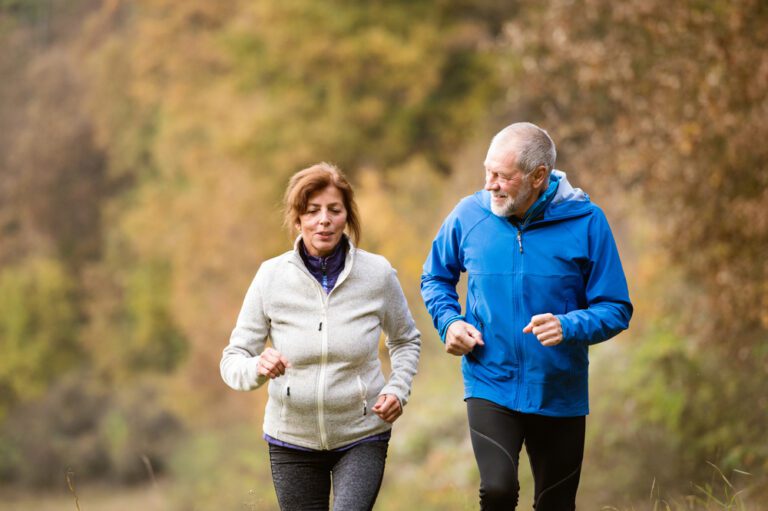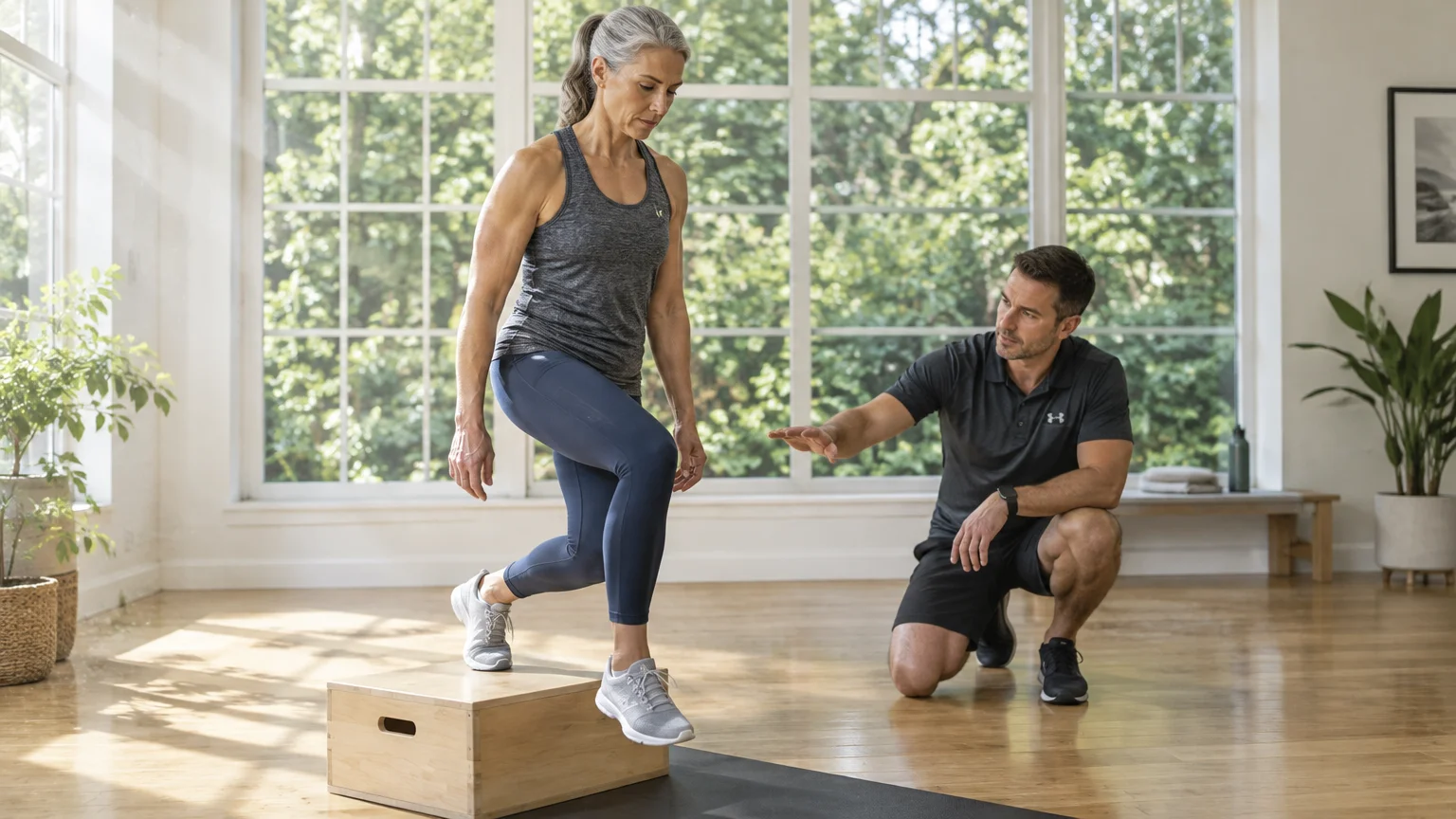
Strong knees protect your independence and keep you walking without nagging joint discomfort. Strengthening the muscles around your knees stabilizes the entire leg and restores everyday mobility.
Targeted training shields your cartilage from excessive wear while improving your balance on uneven surfaces. You can rebuild functional strength safely at any age with the right foundational movements.
These eight coach-approved exercises build resilient joints without requiring heavy gym equipment or painful strain. You will move with greater confidence, climb stairs easily, and protect your joints for years to come.
Understanding Knee Stability and Joint Health
Your knee functions primarily as a hinge joint, bending and straightening to support your body weight during motion. Because it connects your hip and ankle, it absorbs substantial force with every step you take.
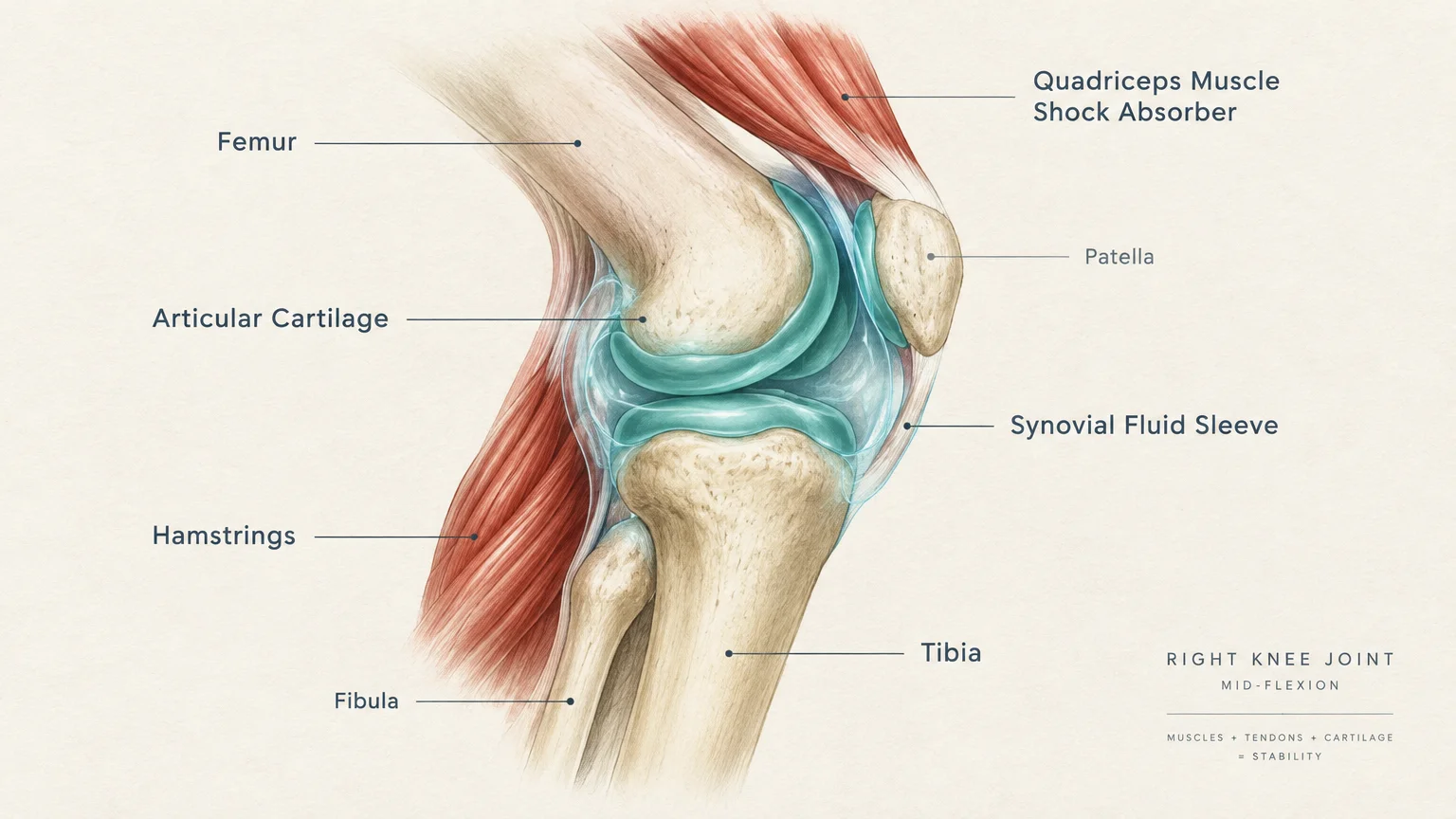
The skeletal joint consists of three bones: the femur, the tibia, and the patella. Resilient articular cartilage covers these bone ends, allowing them to glide smoothly without painful friction.
However, bones and cartilage cannot stabilize themselves under the dynamic forces of daily living. Dynamic knee stability relies entirely on the coordinated strength of the surrounding musculature.
Your quadriceps on the front of your thigh absorb ground impact whenever your heel makes contact. When your quadriceps contract forcefully, they prevent your knee from buckling underneath your body.
Your hamstrings along the back of your leg govern deceleration and knee flexion. Strong hamstrings protect your anterior cruciate ligament by preventing the shinbone from sliding too far forward.
Your hip abductors and glutes also dictate how your knee travels through space. Weak hip muscles allow your knee to cave inward, creating abnormal stress on inner cartilage surfaces.
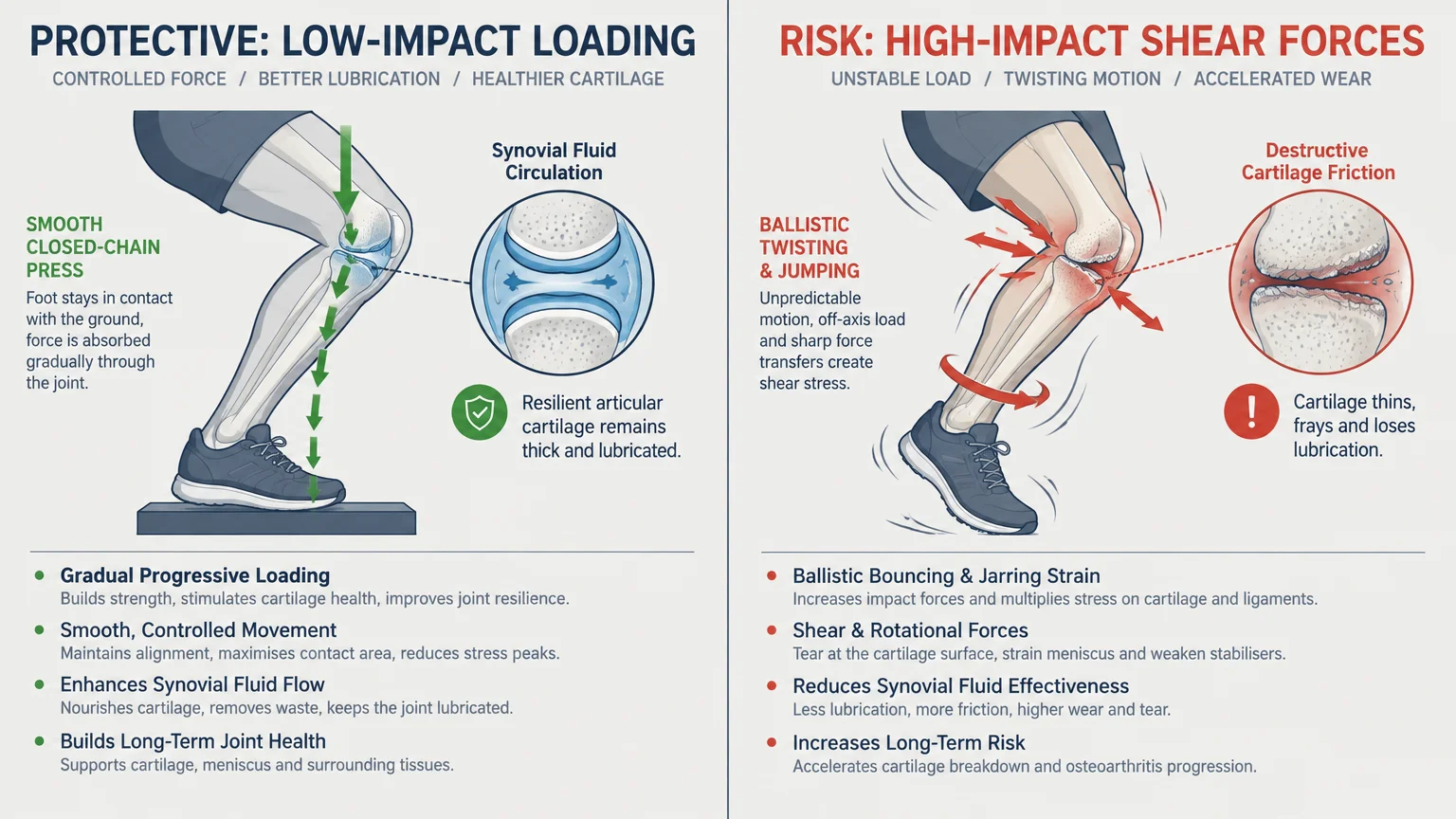
Movement actively circulates synovial fluid throughout the joint cavity. This clear, viscous fluid delivers vital nutrients to cartilage tissues that lack their own direct blood supply.
Strengthening the muscles surrounding the joint creates a natural, biological shock-absorbing sleeve. This muscular protection reduces bone-on-bone compression, preserving joint space and easing everyday movement.
Key Considerations for Adults Over 60
Aging introduces distinct physiological changes in your muscular, skeletal, and neurological systems. Understanding these natural shifts allows you to exercise safely and achieve meaningful physical gains.
Most adults experience sarcopenia, the gradual age-related loss of muscle mass and physical strength. When leg muscles atrophy, everyday tasks like rising from chairs place disproportionate strain onto connective tissues.
Joint cartilage naturally loses water content and cellular elasticity over decades of use. This thinning process can lead to osteoarthritis, causing morning stiffness, minor swelling, and reduced range of motion.
Proprioception, your body’s neurological sense of limb positioning, also declines gradually with age. Diminished joint sensation impairs your reactive balance, raising the risk of unexpected slips and falls.
Targeted resistance training recalibrates these sensory receptors while reinforcing joint stability. By training the leg muscles through controlled pathways, you sharpen coordination and secure your daily footing.
Tendon and ligament recovery takes longer for adults over 60 than for younger exercisers. Connective tissues have limited vascular flow, which means progressive loading must remain gradual and well-paced.
High-impact jumping or ballistic bouncing can aggravate sensitive joint surfaces. In contrast, low-impact resistance exercises deliver optimal muscular stimulus without producing destructive shear forces.
Consistency matters far more than intense exertion when building joint resilience. Controlled, frequent practice transforms movement mechanics and protects your physical independence.
Benefits and Potential Risks of Knee Training
Regular knee-strengthening exercise produces profound functional improvements for aging bodies. Building muscular strength significantly reduces joint pain by offloading mechanical stress from sensitive cartilage.
Strengthened legs dramatically improve your ability to climb stairs, walk briskly, and rise from low furniture. This physical autonomy empowers you to enjoy travel, recreation, and family activities without hesitation.
Resistance training also stimulates local bone mineral density around your knee joint. Stronger bones resist fracture risk and support firmer anchor points for your tendons and ligaments.
Furthermore, active muscle contraction pumps lymphatic fluid, reducing chronic inflammation and joint stiffness. Regular movement keeps your legs limber and responsive throughout your daily routine.
Despite these clear benefits, exercising without proper guidance can introduce avoidable risks. Poor biomechanical alignment during squats or lunges can pinch soft tissues or strain ligaments.
Overtraining represents another common hazard when enthusiastic beginners skip essential rest intervals. Tendons become irritated when subjected to repetitive loads without sufficient time to repair.
You must learn to distinguish beneficial muscular effort from harmful joint distress. Muscle fatigue creates a mild, spreading warmth, whereas joint damage produces sharp, pinpointed pain.
Always modify your range of motion if you experience joint pinching or grating sensations. Exercising within a comfortable, pain-free envelope maximizes your gains while minimizing orthopedic risk.

What the Experts Say About Joint Strengthening
Leading health authorities worldwide agree that resistance exercise is essential for healthy joint aging. The Centers for Disease Control and Prevention recommends that adults perform muscle-strengthening workouts at least two times each week.
Health agencies highlight that inactivity accelerates joint degeneration rather than protecting painful cartilage. When you stop moving, supporting muscles weaken, which increases direct joint compression during daily tasks.
Clinical experts at the Mayo Clinic emphasize that strong quadriceps act as natural shock absorbers for arthritic knees. Their orthopedic specialists advise older adults to emphasize low-impact exercises that protect articular surfaces.
Research published through the National Institutes of Health confirms that therapeutic exercise significantly delays the need for surgical knee replacement. Supervised strengthening programs routinely reduce pain scores while markedly improving physical walking endurance.
Contemporary sports science also stresses the importance of training the entire kinetic chain. Strengthening your glutes and calves is just as vital for knee health as training your thighs.
Physical therapists recommend closed-kinetic-chain exercises, where your foot remains planted against a solid surface. These movements distribute compressive loads naturally across multiple joints, reducing isolated patellar stress.
Medical consensus overwhelmingly supports progressive resistance training as the safest, most effective conservative treatment for knee osteoarthritis. Starting a structured routine provides immediate and lasting therapeutic benefits.
8 Knee-Strengthening Exercises a Coach Swears By
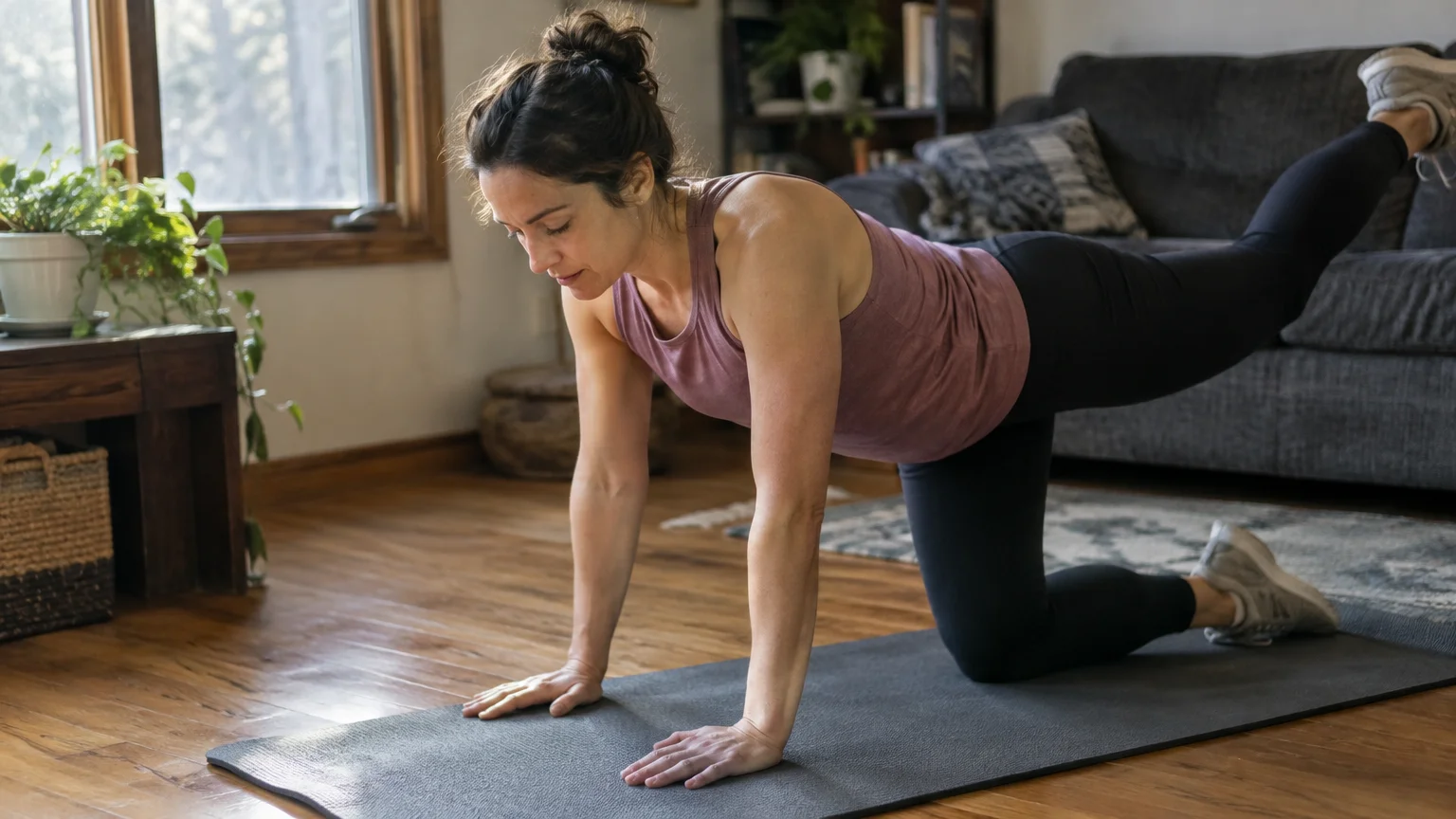
These eight coach-approved exercises strengthen the critical muscles that protect and stabilize your knees. Practice each movement with deliberate control, focusing on form rather than speed.
You can perform this entire routine in your living room using standard household furniture. Keep a glass of water nearby and wear supportive athletic shoes for optimal traction.
1. Straight Leg Raises
The straight leg raise strengthens your quadriceps without forcing your knee joint to bend under load. This non-weight-bearing movement is ideal for building baseline strength during periods of joint irritation.
Lie flat on your back on a supportive mattress or a comfortable floor mat. Bend your left knee to place your left foot flat on the surface for lower-back stability.
Straighten your right leg completely, pulling your toes upward toward your shin to engage your calf. Contract the muscles on the front of your right thigh until your leg feels rigid.
Lift your straight right leg smoothly until your thigh matches the height of your bent left knee. Pause at the top for two seconds while maintaining steady breathing.
Lower your right leg slowly back to the mat over three controlled seconds. Complete ten to twelve repetitions on your right side before switching legs.
Keep your lower back pressed gently into the mat throughout the entire movement. Do not swing your leg or arch your lumbar spine to generate upward momentum.
2. Sit-to-Stand Box Squats
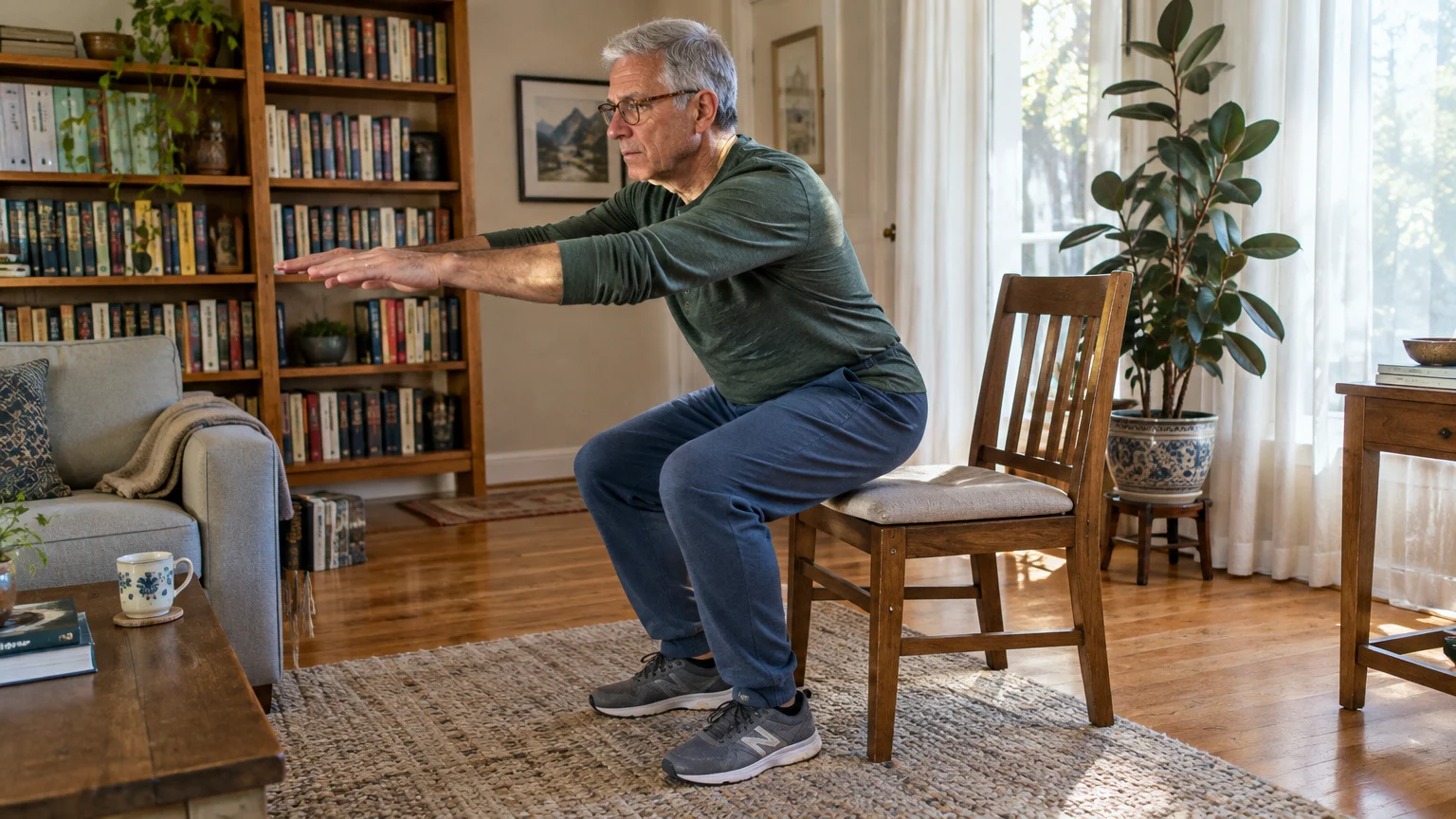
The sit-to-stand box squat builds powerful quadriceps and glutes while reinforcing essential daily mechanics. This exercise strengthens the specific movement pattern needed to stand up from chairs, toilets, and vehicles.
Position a sturdy, armless dining chair on a non-slip floor surface. Sit on the front half of the chair seat with your feet flat and hip-width apart.
Cross your arms across your chest, or extend your hands forward to maintain balance. Lean your torso slightly forward from your hips so your weight shifts over your feet.
Drive through your heels and midfoot to stand completely upright in a smooth, continuous motion. Squeeze your glutes firmly at the top of the movement to achieve full extension.
Push your hips backward and bend your knees to lower yourself back toward the chair. Touch your buttocks lightly to the seat without collapsing your weight abruptly onto the chair.
Complete eight to ten controlled repetitions for two sets. If standing feels difficult, place your hands on the chair seat to assist your upward push.
3. Standing Hamstring Curls
Strong hamstrings balance the forward pulling force of your quadriceps, protecting your knee ligaments from strain. Standing hamstring curls isolate the back of your thigh while challenging your single-leg stability.
Stand tall facing a sturdy kitchen counter or the back of a heavy chair. Rest your fingertips lightly on the counter surface to steady your upper body.
Shift your body weight onto your left foot, keeping a subtle, soft bend in your left knee. Slowly bend your right knee, lifting your right heel toward your buttock.
Hold your heel at the top of the curl for two seconds, contracting your hamstring muscle. Lower your right foot back to the floor in a smooth, controlled descent.
Perform ten to twelve repetitions on your right leg before repeating the exercise with your left. Keep your knees aligned side-by-side rather than letting your working knee drift forward.
Maintain an upright posture throughout the movement, avoiding any forward leaning at the waist. You can attach a light ankle weight once bodyweight curls feel comfortable and easy.
4. Step-Ups onto a Low Platform
Step-ups train each leg independently, correcting muscular imbalances between your left and right sides. This functional exercise directly builds the strength and balance required to navigate staircases confidently.
Stand facing a low, stable step or the bottom step of a staircase with a handrail. Ensure your entire foot fits comfortably on the step surface without your heel hanging off.
Place your right foot squarely on the step, pointing your toes straight ahead. Press firmly through your right heel to lift your entire body onto the step platform.
Tap your left foot gently on the step surface without placing your full body weight on it. Slowly lower your left foot back to the floor, controlling your descent with your right thigh.
Perform eight to ten repetitions leading with your right leg before switching to your left. Keep your chest elevated and your eyes focused forward rather than staring straight down.
Ensure your working knee tracks directly over your second toe as you step up. Never let your knee buckle inward toward your midline as you lift your body weight.
5. Supine Glute Bridges
Your gluteus maximus is the primary engine for hip extension and pelvic stability during locomotion. Strong glutes absorb heavy mechanical loads that would otherwise transfer directly into your knees.
Lie on your back on a comfortable exercise mat with your knees bent at ninety degrees. Place your feet flat on the floor, about hip-width apart and parallel to each other.
Rest your arms flat along your sides with your palms facing downward for subtle support. Tighten your abdominal muscles gently to keep your lower back in a neutral, supported posture.
Press through both heels to lift your hips toward the ceiling in a steady arc. Lift until your body forms a straight line from your knees to your shoulders.
Squeeze your glutes tightly at the top for three full seconds without overarching your back. Lower your hips back to the mat with deliberate control over two to three seconds.
Perform ten to twelve smooth repetitions for two sets. If your hamstrings begin to cramp, reposition your feet slightly closer toward your hips.
6. Calf Raises with Wall Support
Your calf muscles attach above the knee joint, contributing significantly to knee stabilization during walking. Strong calves absorb ground impacts, shielding your knees from harsh repetitive concussions.
Stand facing a wall with your feet hip-width apart and your toes pointing straight ahead. Place your hands flat against the wall at shoulder height for balance assistance.
Keep your knees straight but unlocked as you press down through the balls of both feet. Lift your heels off the floor as high as you comfortably can.
Pause at the peak of the calf raise for two seconds, squeezing your lower leg muscles. Lower your heels slowly back to the ground over three seconds to build eccentric strength.
Perform twelve to fifteen controlled repetitions for two complete sets. Distribute your weight evenly across your toes rather than rolling your ankles outward toward the edges.
As your strength increases, try performing calf raises on a single leg while balancing. Single-leg training builds exceptional ankle stability and reinforces knee tracking under load.
7. Side-Lying Clamshells
Side-lying clamshells target your gluteus medius, the primary hip muscle responsible for lateral knee alignment. Strengthening this muscle prevents your knees from collapsing inward when walking or squatting.
Lie on your right side on a padded exercise mat with your legs stacked together. Bend your knees to roughly ninety degrees, keeping your feet aligned with your hips and spine.
Rest your head comfortably on your outstretched right arm or a supportive pillow. Keep your feet touching as you slowly open your left knee toward the ceiling.
Lift your knee without rotating your pelvis or lower back backward toward the floor. Hold the open position for two seconds, feeling the contraction in your outer hip.
Lower your knee slowly back to the starting position over two to three seconds. Complete ten to twelve repetitions on your right side before rolling onto your left.
Place your top hand on your hip bone to verify that your hips stay stacked vertically. Adding a light resistance band above your knees provides a wonderful progression over time.
8. Terminal Knee Extensions
Terminal knee extensions specifically strengthen the vastus medialis oblique, the teardrop muscle on your inner thigh. This muscle locks your kneecap into its proper groove during the final degrees of leg straightening.
Anchor a loop resistance band securely around a heavy table leg or sturdy bedpost at knee height. Step your right leg inside the loop, placing the band behind your right knee crease.
Step backward until you feel firm forward tension pulling against the back of your knee. Keep your left foot slightly behind your right foot for stable, upright body support.
Allow the resistance band to pull your right knee into a soft, comfortable bend. Contract your right quadriceps to straighten your leg backward against the elastic band tension.
Hold the straightened position for two seconds, squeezing your inner thigh muscle firmly. Slowly allow your knee to bend forward again, controlling the band’s pull with steady resistance.
Perform twelve to fifteen repetitions on your right leg before switching to your left leg. Never snap or hyper-extend your knee backward into an aggressive, locked position.
Practical Steps for Building Your Weekly Routine
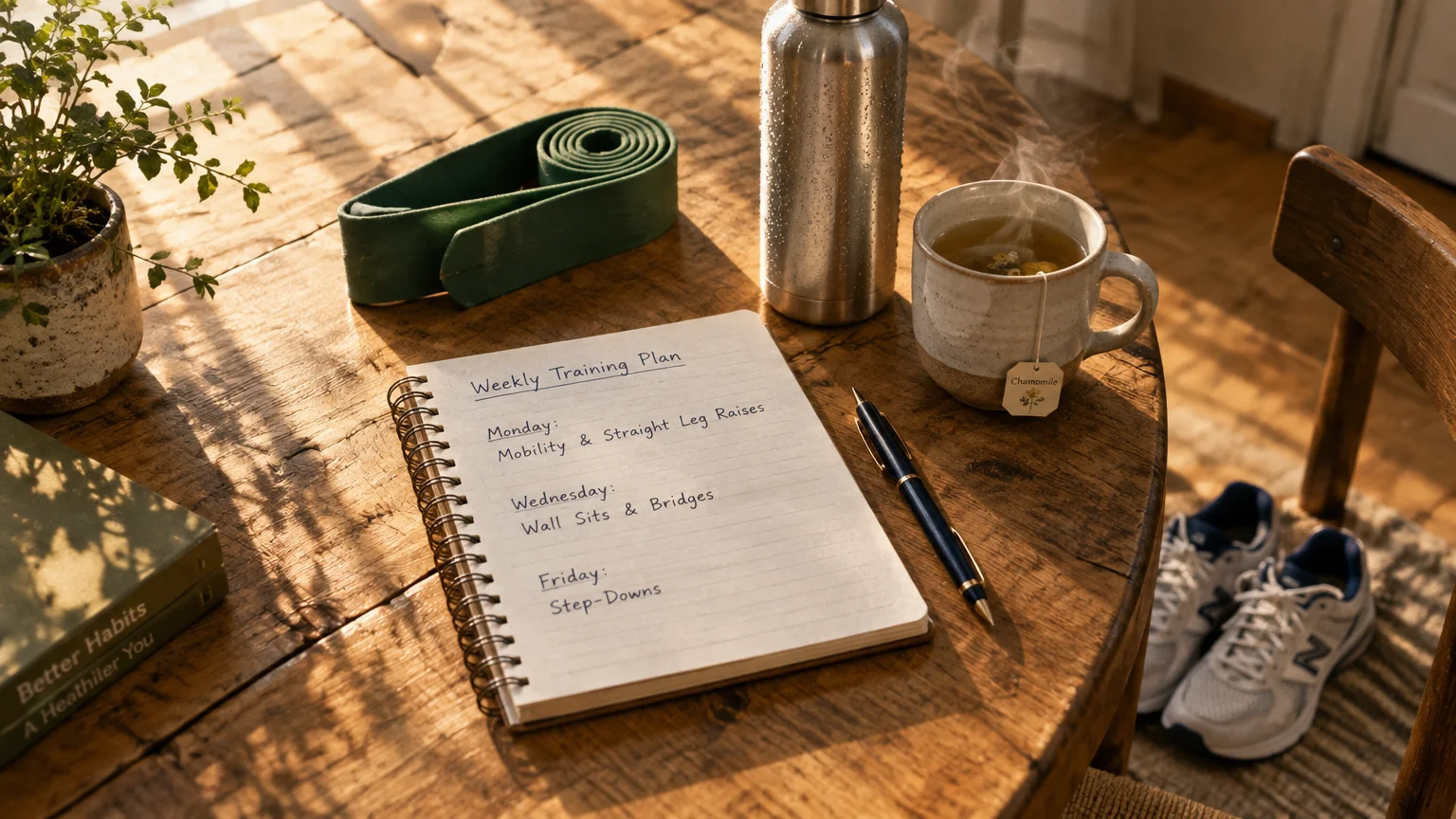
Creating a sustainable exercise routine requires consistency, progressive structure, and adequate recovery time. Schedule your knee-strengthening workouts two to three non-consecutive days each week.
Begin every session with five minutes of gentle dynamic movement to elevate muscle temperature. Light marching in place or walking gently around your home circulates fresh joint fluid.
Never perform loaded resistance exercises when your muscles and joints feel cold and stiff. Warm tissues demonstrate greater elasticity, which significantly reduces the risk of tendon irritation.
Prioritize flawless form over high repetition counts or heavy resistance bands. Moving with deliberate control generates optimal muscle stimulation while protecting delicate articular cartilage surfaces.
Record your workout sessions in a dedicated fitness notebook or on a wall calendar. Tracking your completed repetitions and how your knees feel helps you monitor gradual functional improvements.
Wear supportive athletic footwear with non-slip rubber soles during every workout session. Proper shoes absorb impact forces and provide stable traction on hardwood, laminate, or tile floors.
Complement your strength routine with regular low-impact aerobic exercise like swimming, water aerobics, or stationary cycling. These fluid activities build cardiovascular fitness without subjecting your lower body to repetitive pounding.
Stay properly hydrated throughout the day to support cellular hydration within your joint cartilage. Cartilage consists largely of water, making consistent fluid intake essential for optimal joint cushioning.
Consult your healthcare provider or a licensed physical therapist before beginning any new program. Ask your doctor if specific joint conditions require custom modifications to your exercise angles.
Frequently Asked Questions
Should I exercise if my knees are hurting right now?
You should never exercise through sharp, stabbing, or hot burning sensations inside your joint. However, mild morning stiffness often improves with gentle movement that circulates lubricating synovial fluid.
If pain increases during an exercise, stop immediately and allow your joints to rest. Persistent or worsening pain warrants a formal medical evaluation from a qualified physician.
How often should seniors perform these knee exercises?
Performing these exercises two to three days per week provides optimal stimulus for joint health. Your muscular and connective tissues need at least forty-eight hours between sessions to recover and strengthen.
On your non-lifting days, enjoy gentle walking, light stretching, or relaxing water activities. This active recovery maintains joint mobility without overworking your recovering lower-body muscles.
Can knee exercises rebuild worn cartilage?
Exercise cannot regrow cartilage that has been completely worn away by advanced joint disease. However, strengthening your leg muscles offloads physical pressure from remaining cartilage surfaces.
Stronger muscles compensate remarkably well for structural joint wear, allowing you to move comfortably. Regular movement also circulates nutrients that preserve your remaining joint structures for years to come.
Is daily walking enough to keep my knees strong?
Walking provides wonderful cardiovascular benefits, but it does not generate enough resistance to build muscle. Walking primarily tests endurance rather than creating the muscular tension required for joint stability.
Targeted strengthening exercises challenge your quadriceps, hamstrings, and glutes in ways walking cannot replicate. Combining daily walking with biweekly resistance training offers the ultimate formula for lifelong mobility.
What should I do if an exercise causes sharp pain?
Stop the exercise immediately whenever you encounter sudden, pinching, or localized pain inside your knee. Sharp pain serves as your body’s clear warning signal that a tissue is under distress.
Try reducing your range of motion or eliminating external resistance to see if movement feels comfortable. If sharp discomfort persists even with gentle adjustments, consult a licensed physical therapist.
How quickly can I expect to notice improvements in knee stability?
Most older adults notice meaningful improvements in joint stability and confidence within four to six weeks. Initial progress stems from neurological adaptations, as your brain learns to fire muscle fibers more efficiently.
Noticeable muscle growth and lasting connective tissue strength develop steadily over two to three months of practice. Consistency remains the true key to experiencing lasting functional gains in your daily mobility.
Empowering Your Movement and Longevity
Rebuilding joint strength is one of the most rewarding investments you can make in your independence. Strong, stable knees empower you to navigate stairs, explore nature, and enjoy daily activities with confidence.
Your musculoskeletal system retains an impressive capacity to adapt and grow stronger at any age. By practicing these eight coach-approved exercises, you actively protect your joints against future wear.
Approach your workouts with patience and celebrate every small improvement in your balance and stamina. Your commitment to consistent movement secures a vibrant, active, and mobile future for years to come.
This article is intended for informational and educational purposes only and is not a substitute for professional medical advice, diagnosis, or treatment. Always consult with a qualified healthcare provider regarding any health concerns or before making any decisions related to your health or treatment.