Reaching your sixties marks a physiological turning point where specific bodily changes accelerate significantly, demanding a proactive approach to your daily habits. Understanding how your metabolism slows, bone density decreases, and muscle mass diminishes allows you to adapt your lifestyle and protect your independence. While aging remains a natural progression, the speed at which your body transforms after sixty requires targeted nutritional strategies, adjusted physical activity, and refined medical monitoring. Recognizing these eight rapid physiological shifts gives you the power to mitigate their impact. By taking charge of these biological transitions, you preserve your physical vitality, mental sharpness, and overall quality of life for the decades ahead.
Understanding the Basics
Aging represents a complex biological process driven by the gradual accumulation of cellular damage over time. Throughout your younger years, your body easily repairs this damage; however, as you enter your sixties, your cellular repair mechanisms become less efficient. This shift fundamentally alters how your body functions on a microscopic level, leading to systemic changes that you eventually notice in the mirror, the gym, and your doctor’s office.
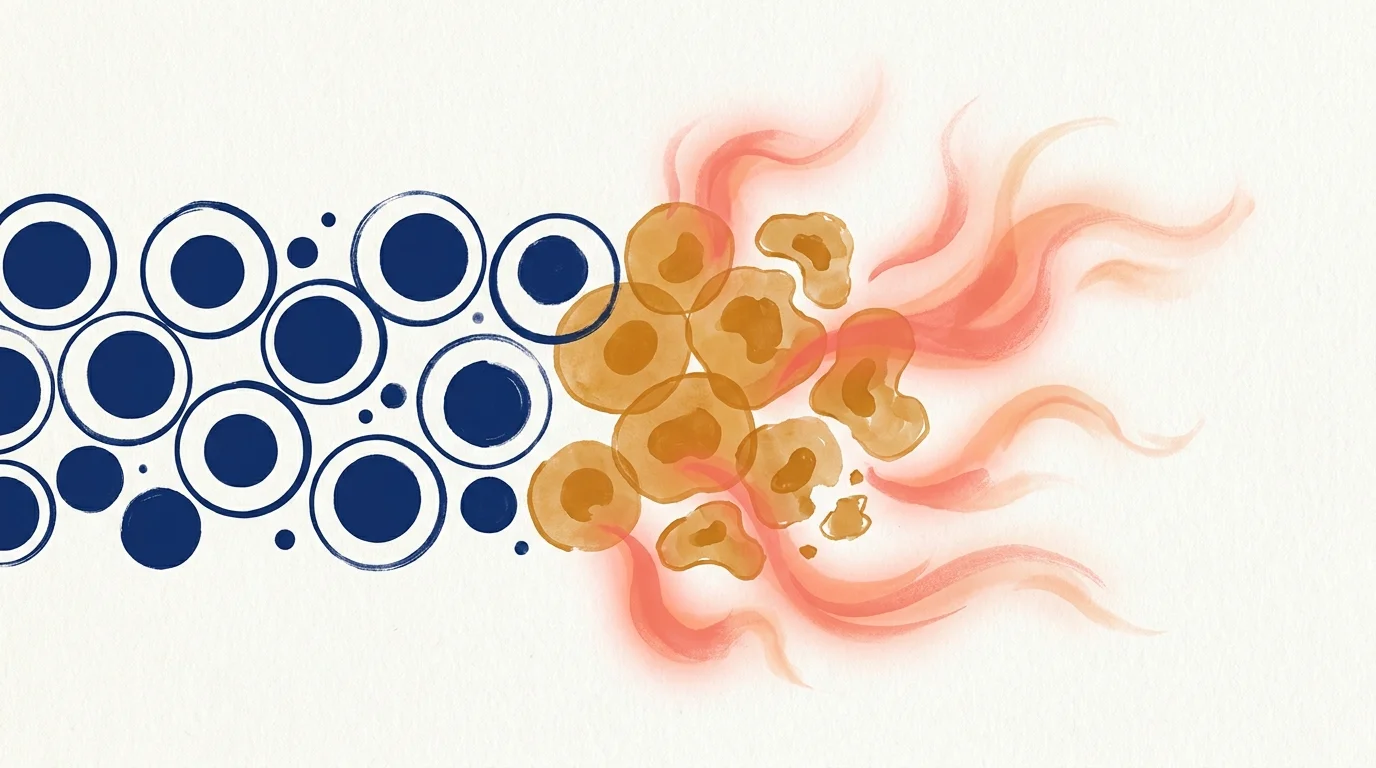
At the core of this transformation is cellular senescence. When cells age, they stop dividing and renewing themselves. Instead of dying off and making room for fresh, healthy cells, these senescent cells linger in your tissues and release inflammatory compounds. This low-grade, chronic inflammation—often referred to by researchers as “inflammaging”—accelerates wear and tear on your organs, joints, and cardiovascular system.
Additionally, your endocrine system undergoes a significant transition. The production of essential hormones like estrogen, testosterone, and human growth hormone declines steeply. These hormones previously acted as chemical messengers that commanded your body to build muscle, maintain bone density, and burn fat. Without their robust signals, your physiological baseline shifts. Understanding these underlying mechanisms removes the mystery from aging; it proves that the changes you experience result from predictable biological processes rather than personal failings. Recognizing this science empowers you to focus on the factors you can control.

Key Considerations for Seniors: The 8 Rapid Biological Shifts
1. Accelerated Muscle Mass Decline
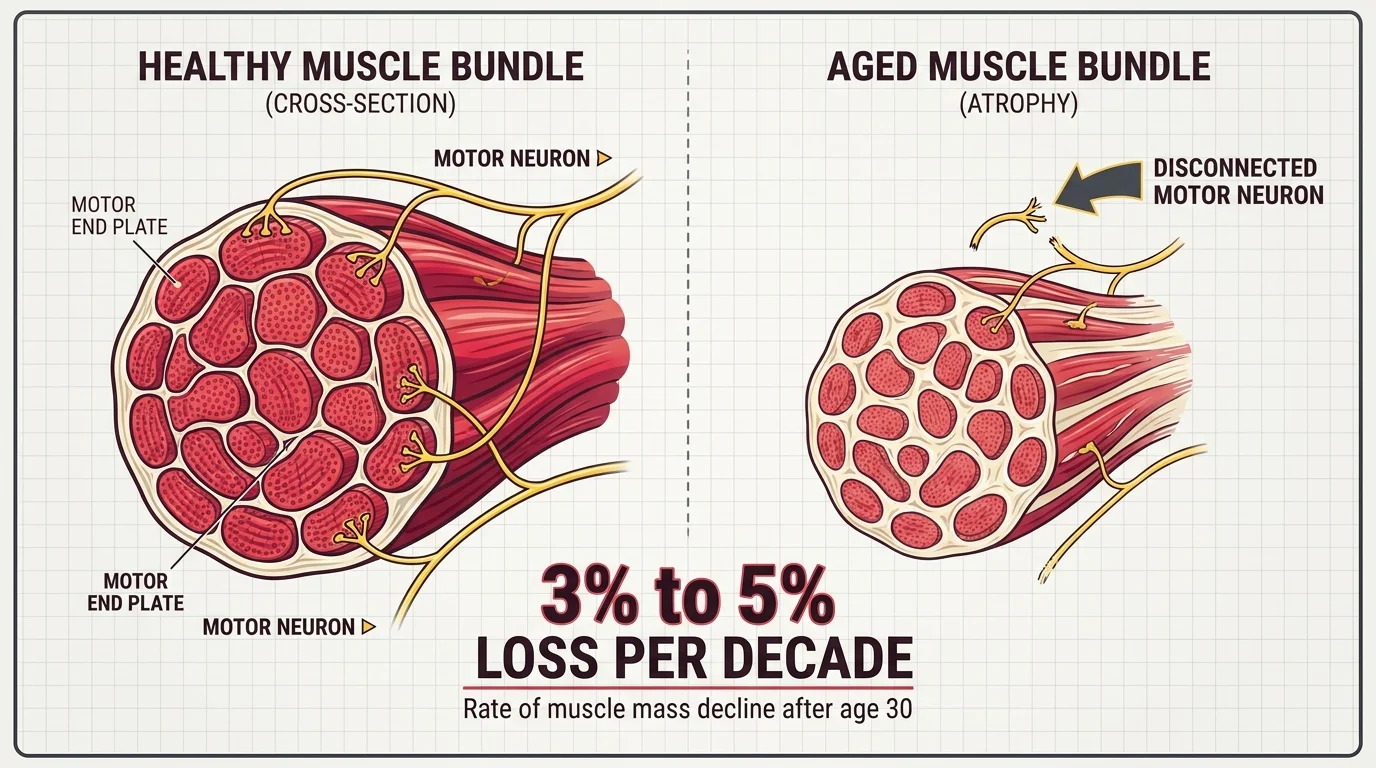
Muscle loss, medically known as sarcopenia, begins subtly in your thirties but shifts into high gear after age sixty. You naturally lose roughly three to five percent of your muscle mass each decade, and this rate compounds as you get older. The decline happens because the motor neurons that send signals from your brain to your muscle fibers begin to disconnect. When muscle fibers lose this connection, they shrink and eventually die. Furthermore, your body becomes highly resistant to synthesizing new protein. You require significantly more dietary protein and mechanical stimulation to maintain the same amount of muscle you effortlessly carried in your forties. This accelerated loss affects your metabolic rate, your balance, and your overall physical strength.
2. Rapid Reduction in Bone Density
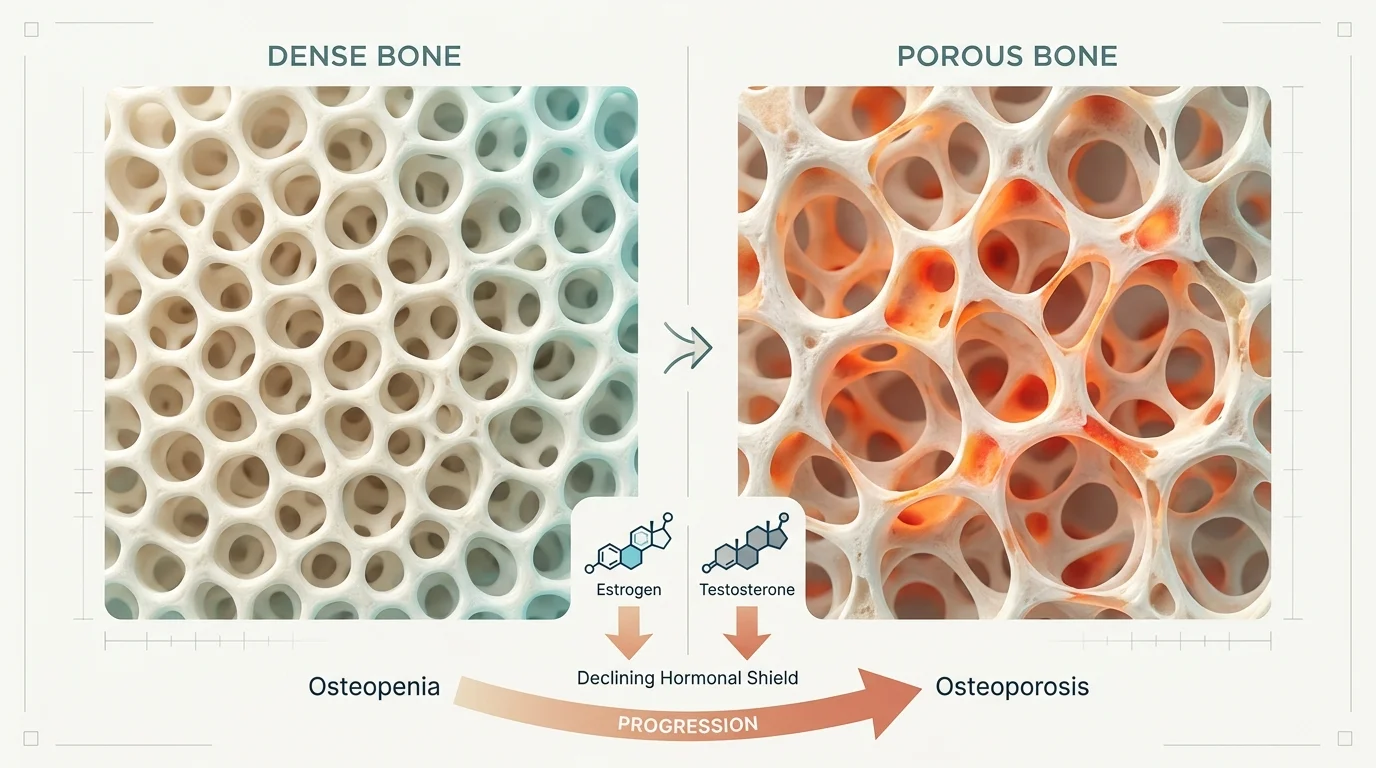
Your skeletal system consists of living tissue that constantly breaks down and rebuilds itself. Before age sixty, your body maintains a perfect equilibrium between the cells that break down old bone and the cells that build new bone. After sixty, the dismantling cells outpace the building cells. The dramatic drop in estrogen for women post-menopause and the gradual decline of testosterone in men rob the bones of their protective hormonal shields. Your bones become more porous, leading to osteopenia and eventually osteoporosis. The structural integrity of your hips, wrists, and spine weakens at a faster rate, making you more vulnerable to fractures from minor falls or everyday impacts.

3. Dramatic Metabolic Deceleration
You may notice that eating the exact same diet you consumed a decade ago suddenly leads to unexplained weight gain. This happens because your basal metabolic rate—the number of calories your body burns just to stay alive—drops significantly after sixty. This deceleration stems directly from the loss of metabolically active muscle tissue; less muscle means your body requires less fuel. Simultaneously, your thyroid gland often produces fewer regulating hormones, and your cellular powerhouses, the mitochondria, become less efficient at converting food into usable energy. As a result, your body stores excess energy as visceral fat around your midsection, which further increases systemic inflammation.

4. Stiffening of the Cardiovascular System
Your blood vessels rely on a protein called elastin to remain flexible, expanding and contracting with every heartbeat. As you cross the sixty-year threshold, this elastin steadily degrades and is replaced by rigid collagen fibers. This process, known as arteriosclerosis, forces your heart to pump harder to push blood through stiffened arteries. Consequently, your resting blood pressure often creeps upward, placing extra strain on your left ventricle. The electrical pathways that control your heart rate also experience cellular loss, meaning your maximum heart rate during exercise drops, and your heart takes longer to return to its resting pace after physical exertion.

5. Sensory Alterations in Vision and Hearing
Your eyes and ears endure decades of environmental exposure, and the cumulative effects manifest rapidly after sixty. Inside your eyes, the crystalline lenses lose their elasticity, making it difficult to focus on close objects—a condition called presbyopia. Additionally, the fluid inside your eyes becomes cloudy, reducing your contrast sensitivity and making night driving challenging. In your ears, the microscopic hair cells deep within the cochlea that translate sound waves into nerve impulses begin to degrade. Because these cells never regenerate, you lose the ability to hear high-frequency sounds clearly. This makes following conversations in noisy environments increasingly frustrating and mentally exhausting.

6. Shifts in Skin Elasticity and Hydration
The skin serves as your body’s protective envelope, but its composition changes drastically after sixty. The dermis, the skin’s thick middle layer, thins out by roughly twenty percent. The production of collagen and elastin—the structural proteins that keep skin firm—plummets. Concurrently, the sebaceous glands produce less oil, leaving your skin chronically dry and prone to microscopic tears. The layer of subcutaneous fat sitting just beneath the skin also melts away from your face, arms, and legs, reducing your natural insulation and making you more susceptible to feeling cold. Because the capillary walls in your skin weaken, you will likely notice that you bruise much more easily from minor bumps.
7. Sluggish Digestive Motility
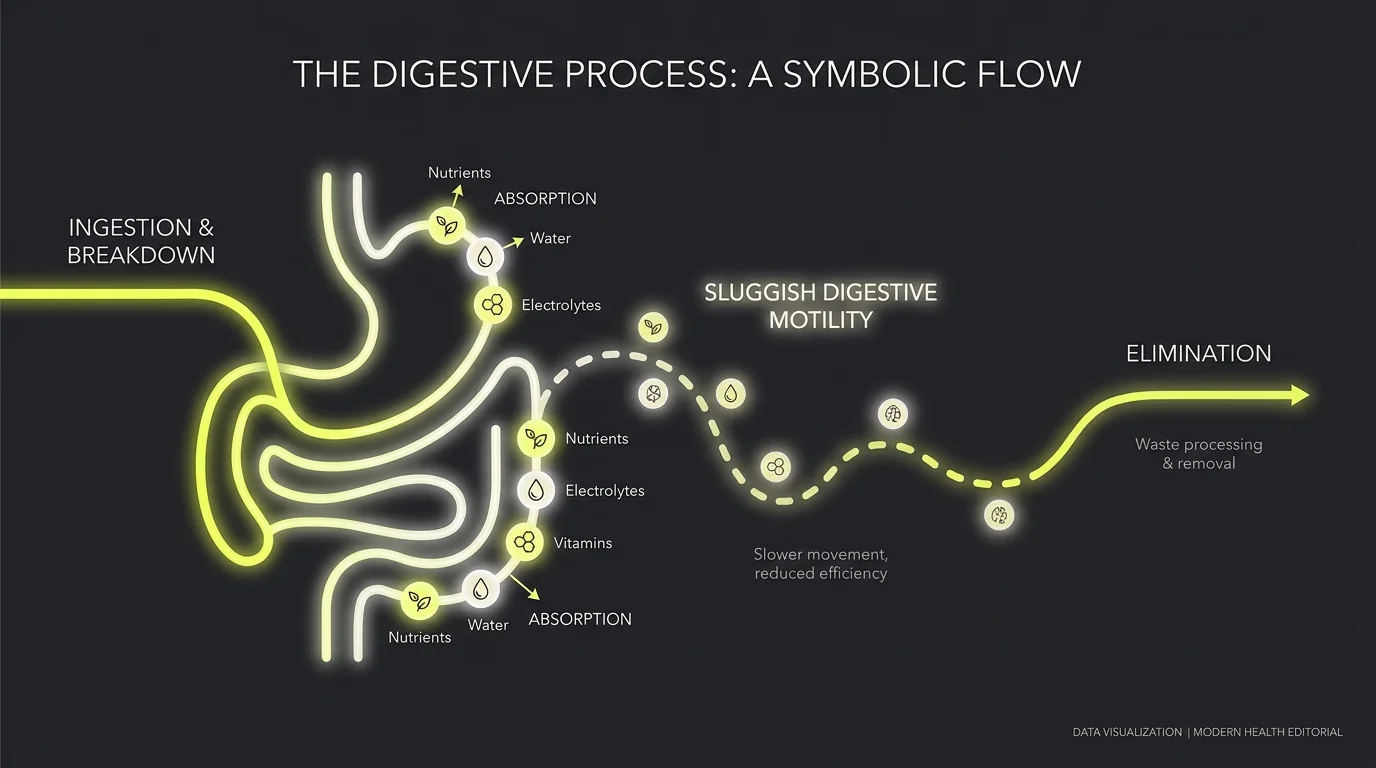
Your gastrointestinal tract operates through a coordinated series of muscle contractions called peristalsis. As you age past sixty, these contractions slow down. Food moves through your digestive system at a leisurely pace, which drastically increases the likelihood of chronic constipation. Furthermore, your stomach lining produces less hydrochloric acid and intrinsic factor. This reduction impairs your ability to break down tough proteins and drastically limits your absorption of vital nutrients, particularly Vitamin B12, calcium, and iron. The diversity of your gut microbiome also narrows, which can increase gas, bloating, and food sensitivities to items you previously digested without issue.

8. Cognitive Processing Speed Adjustments
Your brain undergoes structural changes as you age, particularly in the prefrontal cortex and hippocampus—the areas responsible for learning, memory, and complex planning. The protective myelin sheath that coats your nerve fibers thins out, which slows down the speed at which electrical impulses travel across your brain. While your accumulated knowledge and vocabulary remain robust, your fluid intelligence—the ability to process new information quickly and multitask—naturally declines. You may find that it takes a fraction of a second longer to recall a specific name or process a complex set of instructions. This shift represents a change in processing speed rather than a loss of intellectual capacity.
Benefits and Potential Risks of These Biological Shifts
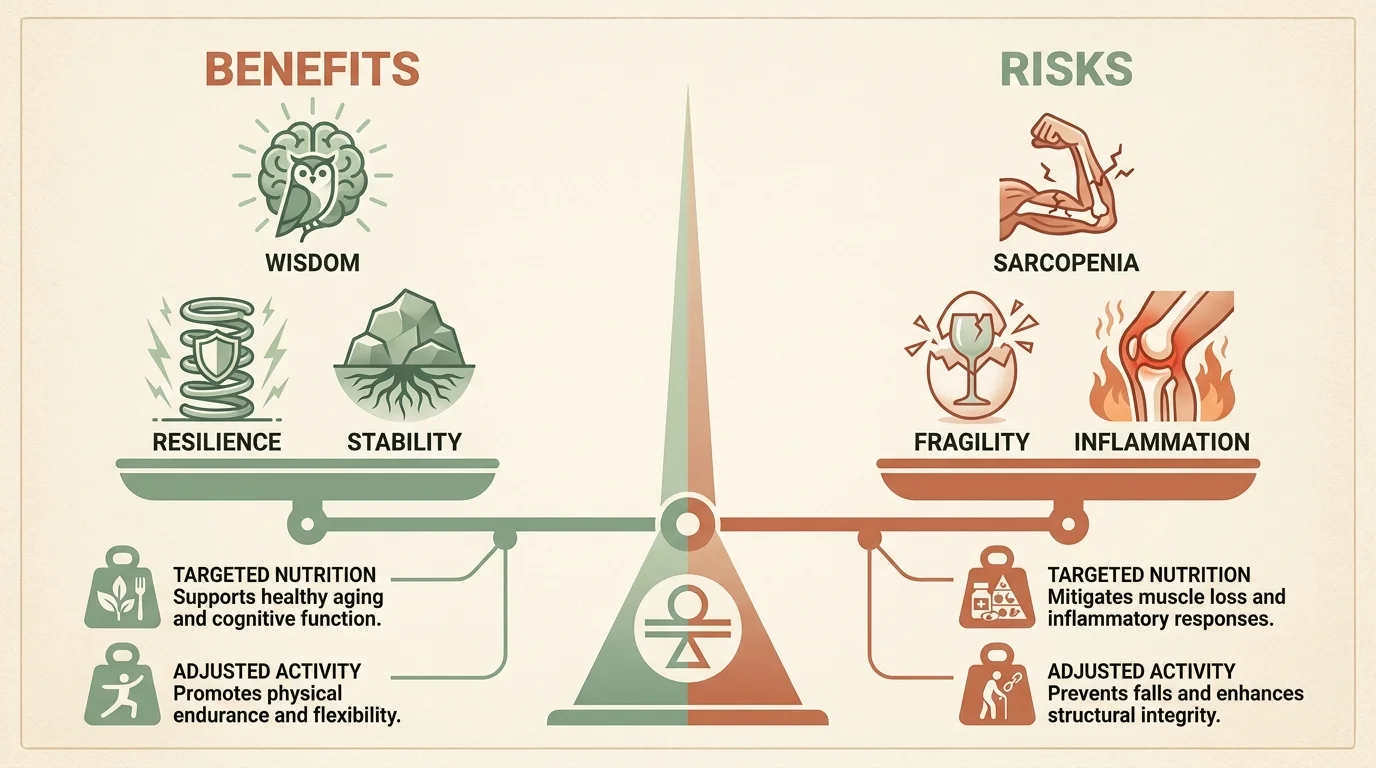
Viewing these bodily changes strictly as a decline misses the broader picture of senior health. Acknowledging the risks is crucial, but recognizing the biological benefits of aging provides a balanced perspective.
The risks associated with accelerated body changes primarily center around physical frailty and metabolic disease. When muscle loss and bone density reduction combine, your risk of catastrophic falls multiplies. A simple stumble can lead to a hip fracture, which severely threatens a senior’s independence. Additionally, the combination of a slowing metabolism and cardiovascular stiffening creates a perfect storm for metabolic syndrome, type 2 diabetes, and hypertension. On a psychosocial level, untreated hearing and vision loss often lead seniors to withdraw from social situations, sparking isolation and accelerating cognitive decline through a lack of mental stimulation.
Conversely, these shifts force you to adopt highly intentional, health-promoting behaviors. Because your body no longer tolerates poor diet and sleep deprivation, you inherently build better routines. Biologically, your immune system’s allergic reactivity often decreases after sixty; many people find their seasonal allergies or autoimmune flare-ups diminish in severity. Furthermore, your brain’s amygdala—the center for processing fear and strong emotions—becomes less reactive. Neurological studies show that older adults process emotional information more efficiently, experiencing fewer negative emotions and recovering from stress faster than younger adults. This emotional resilience serves as a powerful buffer against life’s challenges.

What the Experts Say About Aging Health
Leading global health organizations uniformly emphasize that the acceleration of bodily changes after sixty does not signal the end of your functional life. Instead, they frame this decade as a critical window for preventative intervention and active management.
The World Health Organization focuses heavily on the concept of “functional ability.” Their consensus reveals that healthy aging is less about avoiding disease completely and more about maintaining the physical and mental capacity to navigate your daily life. They stress that environmental adaptations, such as building stronger social networks and living in accessible spaces, significantly offset the natural biological declines.
Researchers at the National Institutes of Health strongly advocate for aggressive interventions against sarcopenia and bone loss. Their data indicates that resistance training remains the single most effective prescription for reversing muscle degeneration. Contrary to outdated beliefs that seniors should stick exclusively to gentle walking, the current medical consensus demands progressive strength training to rebuild the neural pathways between the brain and muscle fibers.
Meanwhile, guidance from the Mayo Clinic underscores the necessity of proactive screening and nutritional overhauls. They highlight that because symptoms of cardiovascular stiffening and nutrient malabsorption are silent, routine blood work and bone density scans are mandatory for staying ahead of the curve. Their experts champion the Mediterranean diet as the gold standard for seniors, specifically because its high antioxidant profile directly combats the cellular inflammation driving these rapid physiological shifts.
Practical Steps and Actionable Advice for Your Wellness
Elevate Your Protein and Nutrient Intake
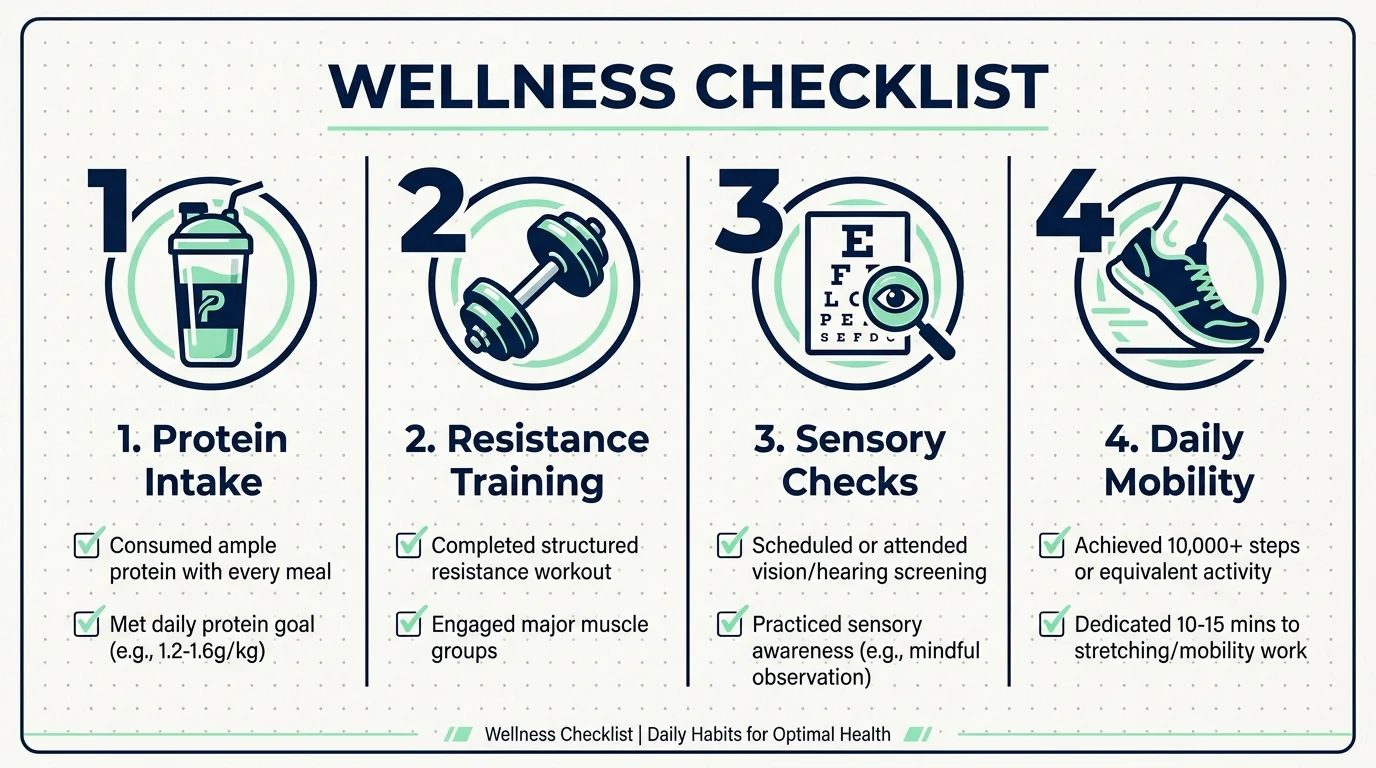
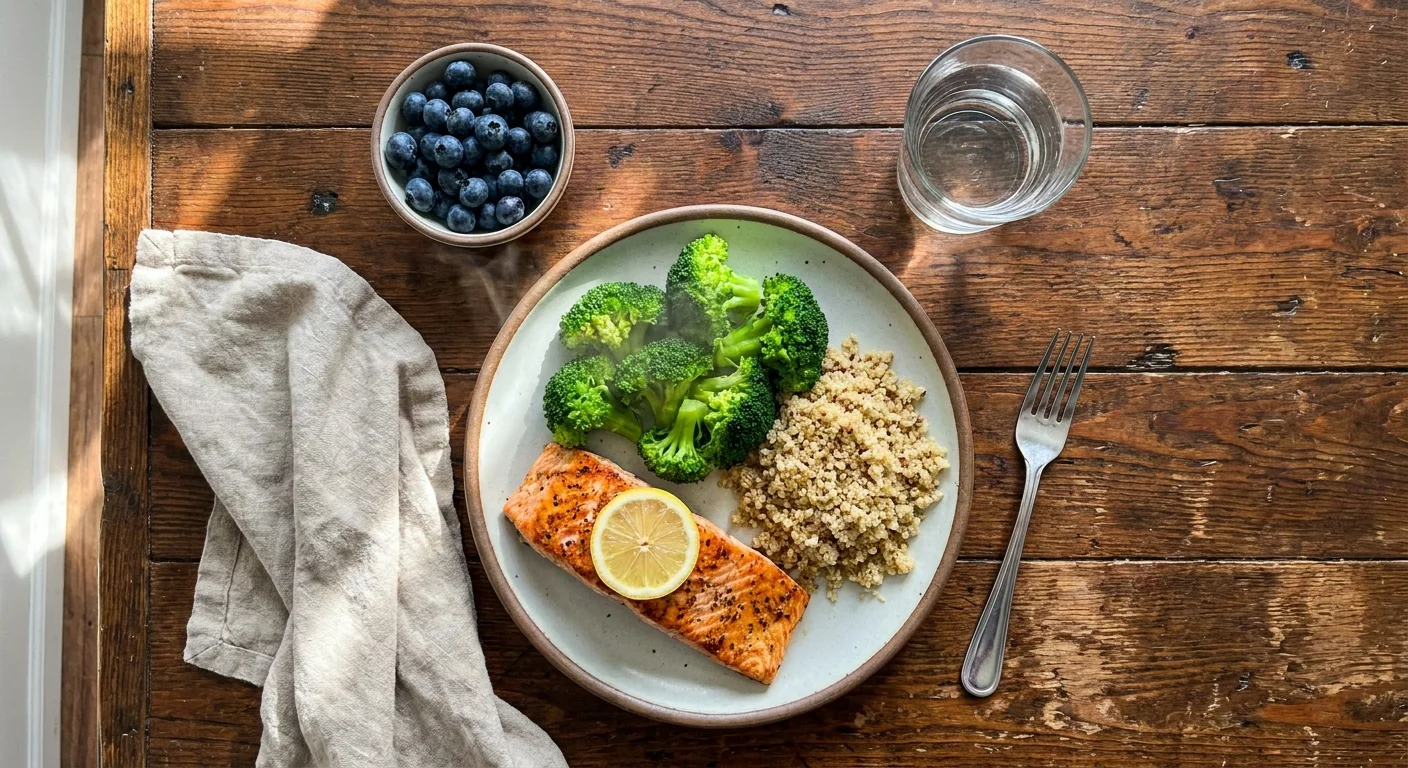
To combat a slowing metabolism and rapid muscle loss, you must restructure your diet. Shift your focus away from empty carbohydrates and prioritize high-quality protein at every meal. Aim for twenty-five to thirty grams of protein per sitting to properly trigger muscle protein synthesis. Because your stomach acid decreases, incorporate easily digestible proteins like fish, eggs, and Greek yogurt. You must also proactively defend your bone health by ensuring adequate intake of calcium and Vitamin D; request a blood test from your physician to determine if you require supplementation.

Commit to Progressive Resistance Training
Cardiovascular exercise is excellent for your heart, but lifting weights is non-negotiable for preserving your independence. Engage in strength training at least two to three times per week. Focus on compound movements that recruit multiple muscle groups, such as squats, lunges, pushing, and pulling exercises. If you have never lifted weights, hire a certified physical therapist or a personal trainer who specializes in senior health to teach you proper mechanics. Building muscle directly increases your resting metabolic rate and provides vital armor for your skeletal system.

Protect Your Sensory and Cognitive Health
Do not dismiss failing vision or hearing as an inevitable part of aging you simply must endure. Schedule comprehensive audiology and optometry exams annually. If you need hearing aids, wear them constantly; restoring your auditory input keeps your brain’s language processing centers active and wards off dementia. Protect your cognitive processing speed by engaging in novel, challenging tasks. Rather than just playing familiar brain games, force your brain to build new neural connections by learning a new language, picking up a musical instrument, or mastering a complex new hobby.

Prioritize Cardiovascular and Joint Mobility
Counteract the stiffening of your arteries and joints by incorporating daily mobility work and moderate aerobic exercise. Dedicate ten to fifteen minutes every morning to dynamic stretching or yoga to maintain the synovial fluid in your joints. To keep your heart pliable, engage in Zone 2 cardio—activities like brisk walking, cycling, or swimming where you can maintain a conversation but feel your heart rate elevate. This specific intensity promotes the creation of new mitochondria, directly combating your metabolic decline.
Frequently Asked Questions
Is it too late to reverse muscle loss after 60?
It is absolutely never too late. While your body’s ability to build muscle slows down, the physiological mechanism remains intact. Studies routinely show that men and women in their sixties, seventies, and even eighties can significantly increase their muscle mass and strength through consistent resistance training and adequate protein consumption. The key lies in progressive overload—consistently challenging your muscles with slightly more weight or resistance over time.
Why do I feel cold more often as I age?
Feeling cold stems from a combination of changes in your skin and cardiovascular system. As you lose the insulating layer of subcutaneous fat right beneath your skin, your body struggles to retain its internal heat. Furthermore, decreased circulation caused by arterial stiffening means warm blood does not reach your extremities as efficiently. A slower metabolism also generates less internal body heat overall.
How does aging affect my sleep patterns?
After sixty, your brain’s suprachiasmatic nucleus—the master clock controlling your circadian rhythm—begins to deteriorate. Concurrently, your pineal gland produces significantly less melatonin. This results in a phenomenon known as advanced sleep phase syndrome, where you feel tired much earlier in the evening and wake up extremely early in the morning. Your sleep architecture also changes; you spend less time in deep, restorative sleep and wake up more frequently throughout the night.
Are memory slips always a sign of cognitive decline?
Occasional memory slips, such as forgetting where you placed your keys or struggling to recall a name temporarily, are entirely normal byproducts of reduced cognitive processing speed. Your brain simply takes longer to retrieve the data. True cognitive decline or dementia presents differently, often manifesting as forgetting familiar routes, struggling to complete routine tasks like paying bills, or losing track of dates and seasons. If memory lapses disrupt your daily functioning, consult a neurologist.
Can dietary changes really slow down these body shifts?
Yes, diet plays a profound role in regulating the speed of these changes. An anti-inflammatory diet rich in omega-3 fatty acids, antioxidants, and fiber actively combats the cellular senescence that drives aging. By reducing your intake of refined sugars and processed foods, you lower systemic inflammation, protect your blood vessels from stiffening, and create a healthier gut microbiome, which improves your overall nutrient absorption and immune response.
Embracing Your Health After Sixty
The acceleration of bodily changes after age sixty serves as a biological call to action rather than a signal to slow down. By understanding exactly how your muscles, bones, metabolism, and senses evolve, you gain the upper hand in managing your wellness. Adapting to these shifts requires a conscious recalibration of your habits; prioritizing resistance training, optimizing your nutrient intake, and staying vigilant with preventative medical care form the cornerstone of healthy aging. Embracing these modifications not only delays the onset of physical frailty but actively enhances your day-to-day vitality. You possess the capability to build a resilient, capable body that supports your passions, relationships, and independence for many years to come.
This article is intended for informational and educational purposes only and is not a substitute for professional medical advice, diagnosis, or treatment. Always consult with a qualified healthcare provider regarding any health concerns or before making any decisions related to your health or treatment.