Keeping your adult immunization schedule current protects you against severe illness, hospitalization, and preventable health complications as your immune system naturally shifts over time. Vaccine guidelines evolve constantly as medical researchers develop more effective formulations and uncover new age-related risks. If you assume the shots you received in childhood or during your working years still provide total protection, you may carry unseen vulnerabilities. Staying up to date with modern vaccine recommendations shields your vitality, preserves your active independence, and safeguards vulnerable loved ones around you. Recognizing the clear signs that your immunization records require a medical review ensures you receive timely protection when you need it most.
Understanding the Basics of Adult Immunization
Many adults view immunizations as a childhood milestone that concludes after school physicals. In reality, staying current on vaccinations requires ongoing attention throughout your adult life. Immunity against various bacterial and viral pathogens gradually fades; your body requires periodic booster doses to maintain protective antibody titers. Furthermore, public health organizations like the CDC and the WHO continually refine adult immunization schedule changes as clinical trials produce safer, more effective vaccines.
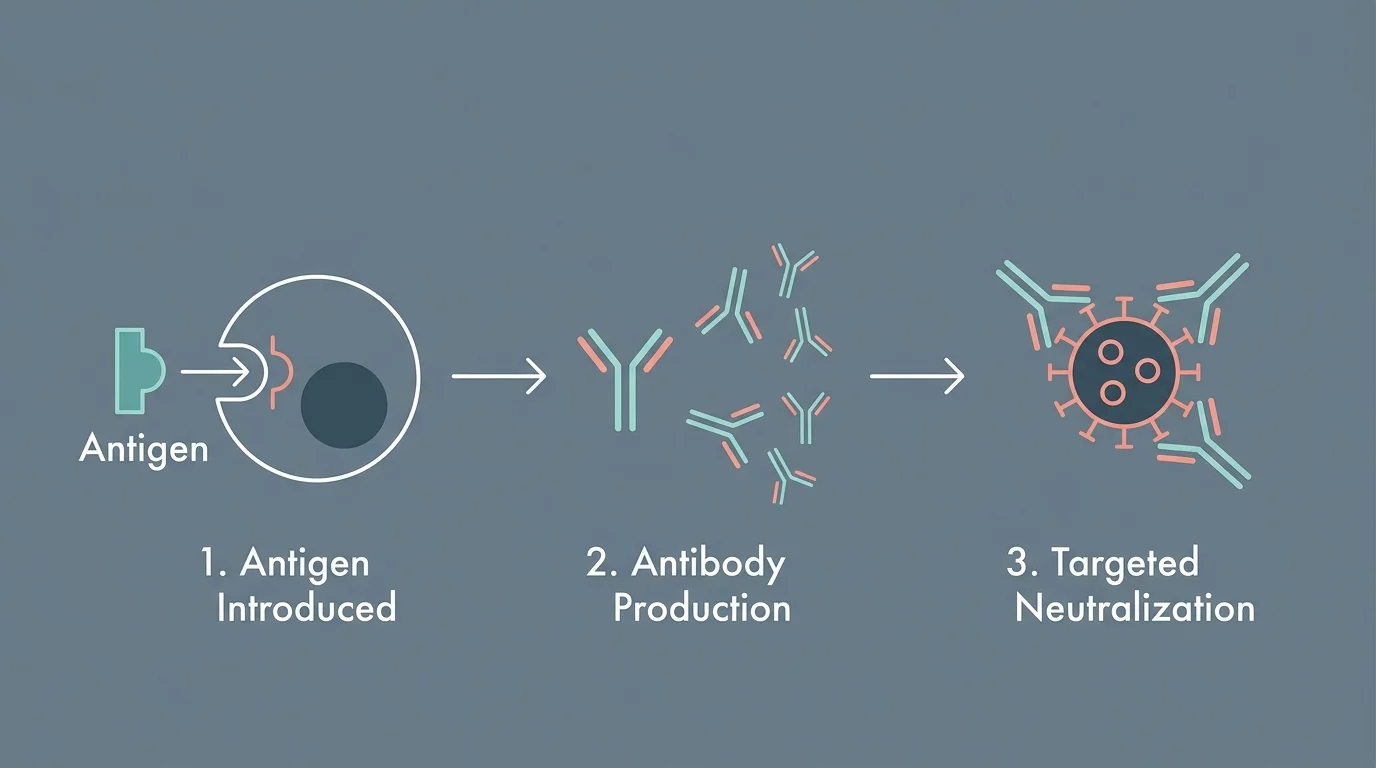
An adult immunization schedule serves as an evidence-based framework tailored to your age, health status, and lifestyle. Vaccines work by introducing an antigen or genetic blueprint to your immune system, prompting the production of protective antibodies and memory cells. When you encounter a circulating virus or bacterium, your primed defenses neutralize the threat before it causes severe illness. Neglecting vaccination schedule updates for adults leaves you susceptible to preventable infections that carry significant risks of prolonged illness and functional decline.

Key Considerations for Seniors and Aging Adults
As you celebrate your sixtieth birthday and move into your senior years, your immune system undergoes a biological transformation known as immunosenescence. This aging process diminishes both the speed and strength of your adaptive immune response. Your bone marrow produces fewer naive T-cells and B-cells, while existing immune memory gradually wanes. Consequently, older adults face elevated risks of severe illness, secondary bacterial complications, and extended hospitalizations from common infections.
Coexisting chronic health conditions further amplify these physiological vulnerabilities. If you manage diabetes, heart failure, chronic obstructive pulmonary disease (COPD), or kidney disease, an acute respiratory infection can destabilize your baseline health. A bout of influenza or pneumococcal pneumonia can trigger cardiovascular strain, acute metabolic decompensation, or respiratory failure. Tracking the specific vaccines to update as you age builds a vital physiological shield against these cascading health events.
Lifestyle factors unique to active older adults also influence your exposure risks. Whether you care for infant grandchildren, visit community centers, or travel, your daily activities expose you to diverse pathogens. Conducting regular adult vaccine schedule reviews ensures you enjoy these fulfilling pursuits with confidence.

7 Signs Your Vaccination Schedule Needs an Update
Recognizing the key life moments and physical indicators that warrant an immunization audit empowers you to maintain robust defense against preventable diseases. The following seven signs indicate that you should schedule a vaccine review with your physician or pharmacist.
Sign 1: You Recently Celebrated a Milestone Birthday
Reaching specific age milestones updates your clinical eligibility for essential adult vaccines. When you turn 50, guidelines recommend the two-dose recombinant shingles vaccine to prevent painful outbreaks and debilitating postherpetic neuralgia. In October 2024, the CDC updated clinical guidance by lowering the threshold for routine pneumococcal conjugate vaccination—using modern PCV20 or PCV21 formulations—from age 65 down to age 50 for all adults without prior conjugate vaccination. Furthermore, once you reach age 75, authorities recommend a single dose of the respiratory syncytial virus (RSV) vaccine. Milestone birthdays signal that your immune defense requires scheduled reinforcement.
Sign 2: More Than Ten Years Have Passed Since Your Last Tetanus Booster
Adults require a booster dose of tetanus and diphtheria toxoid (Td) or tetanus, diphtheria, and acellular pertussis (Tdap) every ten years throughout adulthood. Tetanus spores live in soil and dust, entering your body through minor puncture wounds or scratches. Additionally, the pertussis component protecting against whooping cough wanes significantly within five to ten years. If you cannot remember your last booster date, or if a decade has elapsed, your protective antibody levels have likely fallen below safe thresholds.
Sign 3: You Have Missed the Latest Seasonal Respiratory Formulations
Respiratory viruses mutate continuously, producing novel variants that evade prior immunity. Receiving an annual updated influenza vaccine remains critical for all adults aged 19 and older; adults aged 65 and older should receive high-dose or adjuvanted formulations. Similarly, updated annual COVID-19 formulations match circulating lineages to restore neutralizing antibodies. For adults aged 65 and older or those with moderate to severe immunocompromise, clinical guidelines recommend a second dose of the updated COVID-19 vaccine six months after your initial seasonal shot.
Sign 4: You Received a New Chronic Medical Diagnosis
A new health diagnosis changes your vulnerability to common infectious diseases. Conditions like diabetes, asthma, COPD, heart failure, liver disease, and kidney impairment heighten your risk of severe respiratory complications. Adults aged 50 to 74 living with these chronic conditions qualify for the single-dose RSV vaccine, whereas healthy peers wait until age 75. Additionally, adults aged 60 and older with chronic conditions such as diabetes should confirm Hepatitis B immunity. Any new diagnosis warrants an immediate immunization review.
Sign 5: You Are Planning Domestic or International Travel
Traveling beyond your local area introduces you to unfamiliar pathogens, regional epidemics, and varying sanitation standards. Routine domestic immunizations do not protect against travel-related illnesses like yellow fever, typhoid fever, Japanese encephalitis, or rabies. Moreover, older travelers visiting regions with lower vaccination rates face heightened exposure to measles and Hepatitis A. Even domestic travel involving cruises or crowded resorts increases infection risks. Scheduling a travel immunization consultation at least six weeks before departure ensures adequate antibody protection.
Sign 6: You Regularly Spend Time Around Newborns or Young Infants
Newborn infants cannot receive their first pertussis vaccinations until they reach two months of age, making them vulnerable to severe whooping cough. Older family members frequently transmit Bordetella pertussis bacteria without exhibiting severe cough symptoms. Receiving an updated Tdap booster creates a protective cocoon of immunity around newborn grandchildren. Furthermore, pregnant individuals must receive a dose of Tdap during every pregnancy, ideally between 27 and 36 weeks of gestation. Keeping seasonal flu and COVID-19 shots current provides critical secondary protection for infants.
Sign 7: Your Immunization Records Are Missing, Incomplete, or Fragmented
Fragmented medical records represent a widespread challenge for adults who have changed healthcare providers, relocated, or switched insurance plans. Current guidelines recommend universal Hepatitis B vaccination for all adults aged 19 through 59, while adults aged 27 through 45 can receive the HPV vaccine through shared clinical decision-making. If your medical records lack verifiable proof of modern pneumococcal conjugate shots, Hepatitis B series completion, or childhood measles immunity, you likely have unrecognized gaps. An adult vaccine schedule review allows your clinician to order antibody titers or administer safe catch-up doses.
Benefits and Potential Risks: A Balanced Perspective
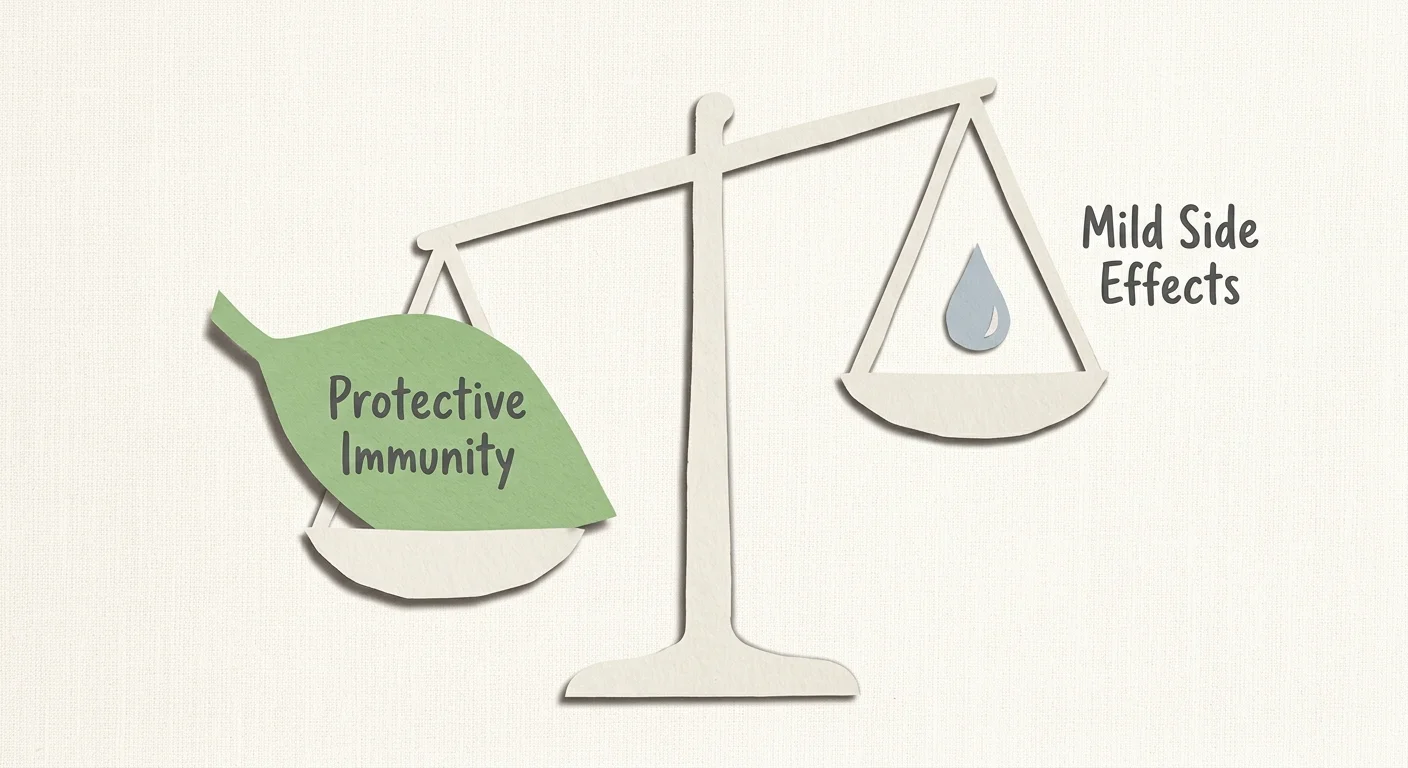
Maintaining an up-to-date adult immunization schedule provides substantial medical benefits that extend far beyond avoiding acute illness. Vaccinated older adults experience lower rates of emergency visits, hospitalizations, and functional decline. Clinical evidence documented by the Mayo Clinic confirms that timely influenza and pneumococcal immunizations significantly reduce secondary complications like bacterial pneumonia, sepsis, and infection-triggered cardiovascular events such as heart attacks and strokes. Staying current preserves your physical resilience and protects your day-to-day autonomy.
A balanced perspective also requires understanding the potential side effects associated with vaccination. Most post-vaccine symptoms represent mild, expected physiological reactions indicating that your immune system is constructing protective antibodies. You may experience temporary injection-site soreness, redness, or swelling, alongside low-grade fever, muscle aches, or mild fatigue lasting 24 to 48 hours. Severe adverse events, such as acute anaphylaxis or rare conditions like Guillain-Barré syndrome, occur at exceptionally low rates—roughly one to two cases per million doses. The measurable clinical risks of debilitating disease, organ damage, and mortality from vaccine-preventable illnesses vastly outweigh the brief discomfort of modern vaccines.

What the Experts and Clinical Studies Say
Leading medical organizations and research agencies, including the NIH, emphasize that adult immunization represents one of the most cost-effective preventive health interventions available. Rigorous clinical trials demonstrate that modernized conjugate pneumococcal vaccines generate broader serotype protection and longer-lasting cellular memory than older polysaccharide formulations. Furthermore, long-term observational studies confirm that the recombinant zoster vaccine maintains greater than 90 percent effectiveness against shingles across all older demographic groups for at least a decade.
Expert consensus panels also support the safety and clinical efficacy of vaccine co-administration. Research confirms that receiving your seasonal influenza shot alongside your updated COVID-19 booster or pneumococcal conjugate vaccine during the same medical visit produces robust antibody titers without compromising safety. Clinical guidelines continually adapt to ensure older adults receive enhanced formulations—such as high-dose or adjuvanted influenza vaccines—specifically designed to overcome immunosenescence and stimulate strong protective immunity.

Practical Steps to Review and Update Your Vaccines
Auditing your immunization history and securing missing boosters requires a proactive, methodical strategy. Follow these actionable steps to ensure comprehensive immunological protection:
Begin by requesting a complete copy of your vaccination history from your state or territorial Immunization Information System (IIS), which logs adult doses administered across health systems, clinics, and retail pharmacies.
Next, schedule a dedicated preventive care consultation with your primary healthcare provider, bringing all paper vaccination cards, travel booklets, and digital patient portal records with you.
Leverage your neighborhood community pharmacy as a convenient access point. Licensed pharmacists can review your prescription profile, identify gaps in your adult vaccine schedule, and administer most routine immunizations without requiring a separate doctor prescription.
Set recurring calendar alerts every autumn to schedule your updated seasonal influenza and COVID-19 formulations before regional viral activity surges.
Finally, notify your physician promptly whenever your personal health profile changes—such as receiving a new chronic diagnosis, starting immunosuppressive medications, or planning international travel—so your provider can update your individualized vaccination strategy.
Frequently Asked Questions
Can I receive multiple vaccines at the same appointment?
Yes, clinical studies confirm that you can safely receive multiple non-live and conjugate vaccines during a single visit. Healthcare providers administer each injection at separate anatomical sites, such as using different arms, to minimize localized soreness. Co-administration saves time and establishes vital protection without reducing immune effectiveness.
If I already had shingles, do I still need the Shingrix vaccine?
Yes, you should complete the two-dose recombinant shingles series even if you experienced shingles in the past or previously received the older Zostavax vaccine. Natural infection does not confer permanent immunity, and painful recurrences remain common in older adults. The recombinant vaccine provides superior, long-lasting cellular defense.
How does Medicare cover routine adult immunizations?
Medicare Part B covers annual flu shots, updated COVID-19 vaccines, pneumococcal shots, and Hepatitis B vaccines for individuals with risk factors at zero out-of-pocket cost. Medicare Part D covers all other commercially available, ACIP-recommended vaccines—including the Shingrix shingles vaccine, Tdap booster, and RSV shot—with zero copays or deductibles.
Why do adults aged 65 and older need specialized flu vaccines?
Because immunosenescence weakens the standard immune response, adults aged 65 and older benefit from enhanced flu vaccines. Guidelines recommend high-dose inactivated, adjuvanted inactivated, or recombinant flu vaccines. These formulations contain higher antigen levels or immune-stimulating adjuvants to generate stronger, more durable antibody responses against seasonal influenza strains.
What should I do if I have no record of my past vaccinations?
If your vaccination records are missing, consult your primary care doctor for a personalized catch-up plan. Your physician can order blood titer tests to check immunity against diseases like measles, mumps, rubella, and Hepatitis B. If titers are unavailable, re-administering essential adult vaccines remains completely safe.
Empowering Your Long-Term Health and Independence
Taking charge of your adult immunization schedule empowers you to protect your vitality, preserve your active lifestyle, and prevent debilitating infectious complications. Vaccine recommendations undergo continuous refinement as clinical science advances and your body navigates the natural biological shifts of aging. Recognizing the seven key signs of an outdated schedule—from milestone birthdays and chronic diagnoses to traveling and spending time with young grandchildren—ensures you address immunological vulnerabilities before exposure occurs. Partner with your physician or pharmacist today to audit your vaccination history, receive any missing boosters, and secure the robust protection you deserve for the years ahead.
This article is intended for informational and educational purposes only and is not a substitute for professional medical advice, diagnosis, or treatment. Always consult with a qualified healthcare provider regarding any health concerns or before making any decisions related to your health or treatment.