Your morning cup of coffee or tea provides a comforting ritual and a gentle mental boost, but daily caffeine consumption can quietly alter how your body absorbs vital vitamins and minerals. As you age, your digestive system naturally becomes less efficient at extracting essential nutrients like calcium, iron, magnesium, and vitamin D from your food. When caffeine enters the equation, polyphenols and diuretic properties can further block these critical micronutrients from entering your bloodstream, leaving you vulnerable to subtle nutritional deficiencies. Recognizing the warning signs that caffeine is interfering with your body’s nutrient absorption allows you to adjust your daily routine without sacrificing your favorite morning brew.
Understanding Caffeine and Nutrient Absorption
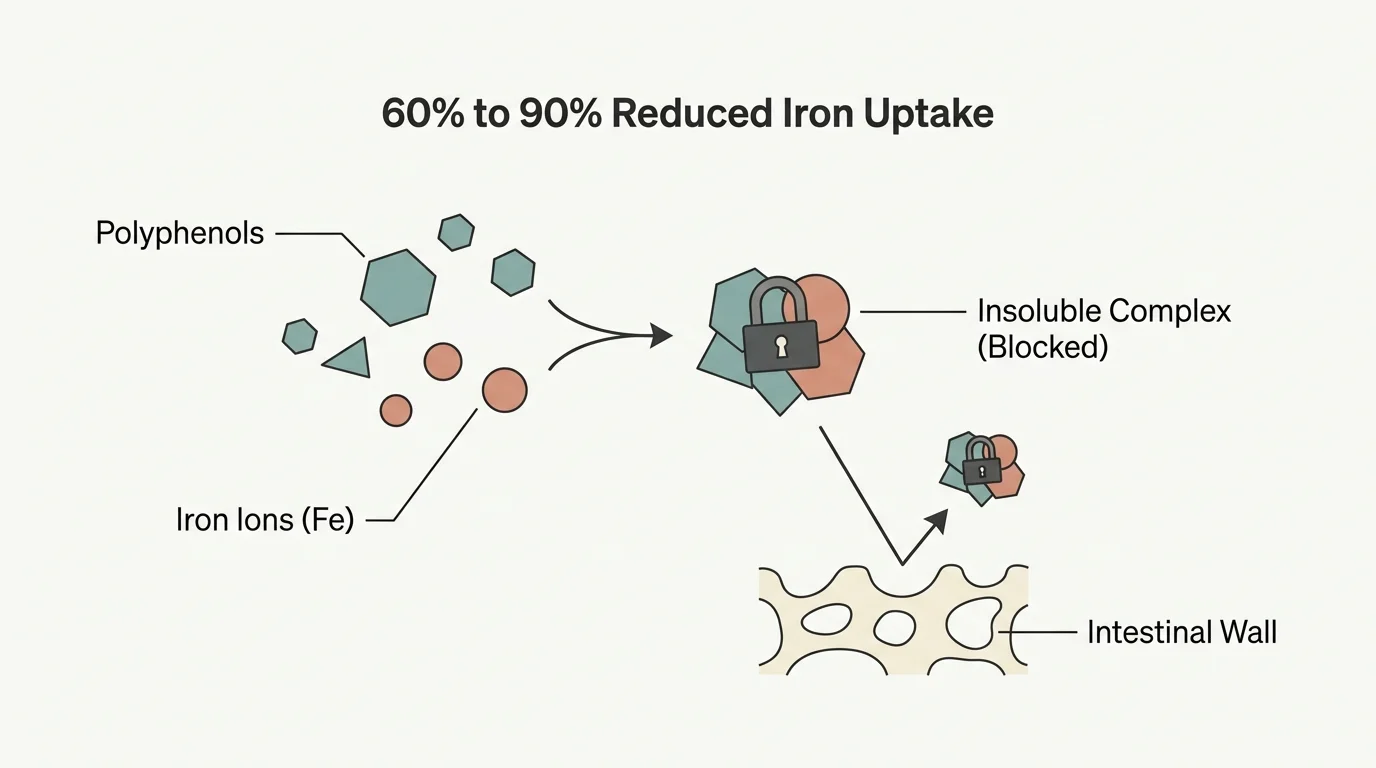
Nutrient absorption occurs primarily inside your small intestine, where specialized cells pull vitamins and minerals from digested food into your bloodstream. Caffeine disrupts this delicate process through chemical binding, accelerated digestive transit, and increased urinary excretion. Caffeinated beverages contain organic compounds known as polyphenols, including tannins and chlorogenic acids. These compounds act as chelators that bind to essential minerals like non-heme iron and zinc in your stomach, forming insoluble complexes that your intestinal wall cannot absorb. Research from the National Institutes of Health shows that drinking coffee alongside an iron-rich meal can reduce iron uptake by sixty to ninety percent.
When caffeinated beverages mix with gastric juices, polyphenols rapidly form chemical bonds with free mineral ions. Because your intestinal transport proteins only recognize uncomplexed, free mineral ions, bound complexes pass straight through your gastrointestinal tract without being absorbed. Over time, this chronic sub-optimal absorption depletes your body’s internal tissue reserves, forcing your metabolic systems to operate at diminished capacity.
Additionally, caffeine speeds up gastrointestinal motility, reducing the time digestive enzymes have to break down food matrices. As a mild diuretic, caffeine prompts your kidneys to filter electrolytes rapidly, causing higher losses of magnesium, potassium, and calcium through your urine before your body can utilize them.
The 8 Signs Caffeine Is Impairing Your Nutrient Absorption
Because warning signs develop gradually, adults over sixty often mistake them for standard age-related changes. Pay close attention to these eight physical indicators that caffeine may be blocking your daily nutrition.
1. Persistent Fatigue and Low Energy
If morning coffee barely shakes off chronic lethargy, caffeine effects on nutrition might be contributing to your exhaustion. Caffeine hinders non-heme iron absorption, which is essential for producing hemoglobin—the protein transporting oxygen through your bloodstream. When iron uptake drops, tissue oxygenation declines, causing deep physical fatigue. Caffeine also interferes with B-vitamin utilization, disrupting cellular energy production and triggering severe post-coffee energy crashes that leave you feeling depleted throughout the afternoon.
2. Unexplained Muscle Cramps and Twitching
Waking up with sudden leg cramps or experiencing persistent eyelid twitching often indicates an electrolyte imbalance caused by caffeine nutrient interference. Caffeine causes your kidneys to excrete magnesium and potassium rapidly through urine. Because magnesium acts as a natural muscle relaxant that counters calcium contraction, its loss leaves muscle fibers hyper-excitable, leading to painful nighttime spasms, painful leg cramps, and ongoing structural muscle stiffness.
3. Brittle Nails, Thinning Hair, and Dry Skin
Your hair, skin, and nails offer clear visual cues regarding your internal nutritional status. Chlorogenic acids in caffeinated drinks bind dietary zinc in your gut, preventing this essential mineral from entering your bloodstream. Zinc and iron drive cellular division in hair follicles and nail beds. Caffeine-induced mineral deficits cause soft, peeling nails, noticeable hair thinning, dry scalp conditions, and a loss of skin elasticity that topical moisturizers fail to resolve.
4. Decreased Bone Density and Frequent Fractures
Maintaining bone density represents a major health priority for older adults. Coffee and mineral absorption concerns stem from how caffeine reduces intestinal calcium absorption while increasing urinary calcium loss by roughly two to three milligrams per cup. Over time, uncorrected mineral loss weakens skeletal architecture and increases fracture risks. Furthermore, caffeine downregulates vitamin D receptors in intestinal cells, preventing your body from utilizing vitamin D to absorb calcium efficiently.
5. Slow Wound Healing and Easy Bruising
When minor cuts take weeks to heal or dark bruises appear after minor bumps, caffeine may be interfering with your vitamin C and zinc levels. Vitamin C is a water-soluble antioxidant essential for collagen synthesis and blood vessel repair. Because caffeine acts as a diuretic, water-soluble vitamins are flushed away rapidly through fluid excretion, leaving capillaries fragile and skin tissue slow to regenerate after minor injuries.
6. Restlessness, Anxiety, and Heart Palpitations
While caffeine directly stimulates your brain, its tendency to flush out magnesium heightens nervous tension and jitteriness. Magnesium calms nerve impulses and regulates stress hormones. When caffeine depletes magnesium, your central nervous system becomes hypersensitive to the stimulant effects of caffeine itself. This creates a compounding cycle triggering heightened anxiety, restlessness, racing thoughts, and uncomfortable heart palpitations during normal daily activities.
7. Recurring Infections and Weakened Immunity
Catching frequent colds or struggling to recover from minor illnesses points toward a suppressed immune system. Vitamin D, vitamin C, and zinc form the chemical core of your immune defenses. Caffeine inhibits zinc uptake and accelerates vitamin C fluid loss. Public health experts at the Centers for Disease Control and Prevention emphasize that maintaining balanced micronutrient levels is essential for senior immune function, which coffee interference can compromise.
8. Pale Skin and Persistent Cold Extremities
Constantly cold hands, icy feet, and a pale complexion often reflect reduced non-heme iron uptake. When caffeine blocks iron absorption in your stomach, your liver cannot maintain adequate ferritin stores, leading to smaller red blood cells that carry less oxygen. To protect vital organs, your body restricts blood flow to peripheral tissues, leaving skin pale and extremities persistently cold even in warm rooms.

Key Considerations for Older Adults
Aging naturally alters human digestive physiology, making caffeine and nutrient absorption uniquely critical for adults over sixty. As you age, your stomach lining produces less hydrochloric acid, a condition known as hypochlorhydria. Hydrochloric acid breaks down food matrices and cleaves minerals like iron, calcium, and magnesium into bioavailable forms. When stomach acid levels decline naturally, drinking caffeinated beverages alongside meals creates a double obstacle to nutrient uptake by binding the limited free minerals your stomach extracts.
Furthermore, older adults experience decreased production of intrinsic factor, a stomach protein necessary for vitamin B12 absorption. Caffeine’s rapid transit effect reduces contact time between intrinsic factor and B12 molecules, raising the risk of B12 deficiency. In seniors, B12 deficiency causes balance issues, peripheral nerve numbness, memory slips, and brain fog, which family members often mistake for normal cognitive aging.
Medication interactions represent another concern. Many seniors take daily prescriptions, such as loop diuretics for hypertension, bisphosphonates for osteoporosis, or levothyroxine for thyroid regulation. Consuming caffeine alongside diuretics accelerates renal mineral loss, while taking caffeine with thyroid or bone medications severely hinders drug absorption. Guidelines from the Mayo Clinic stress separating caffeinated drinks from daily medications and nutrient-dense meals.
Balancing the Benefits and Risks of Daily Caffeine
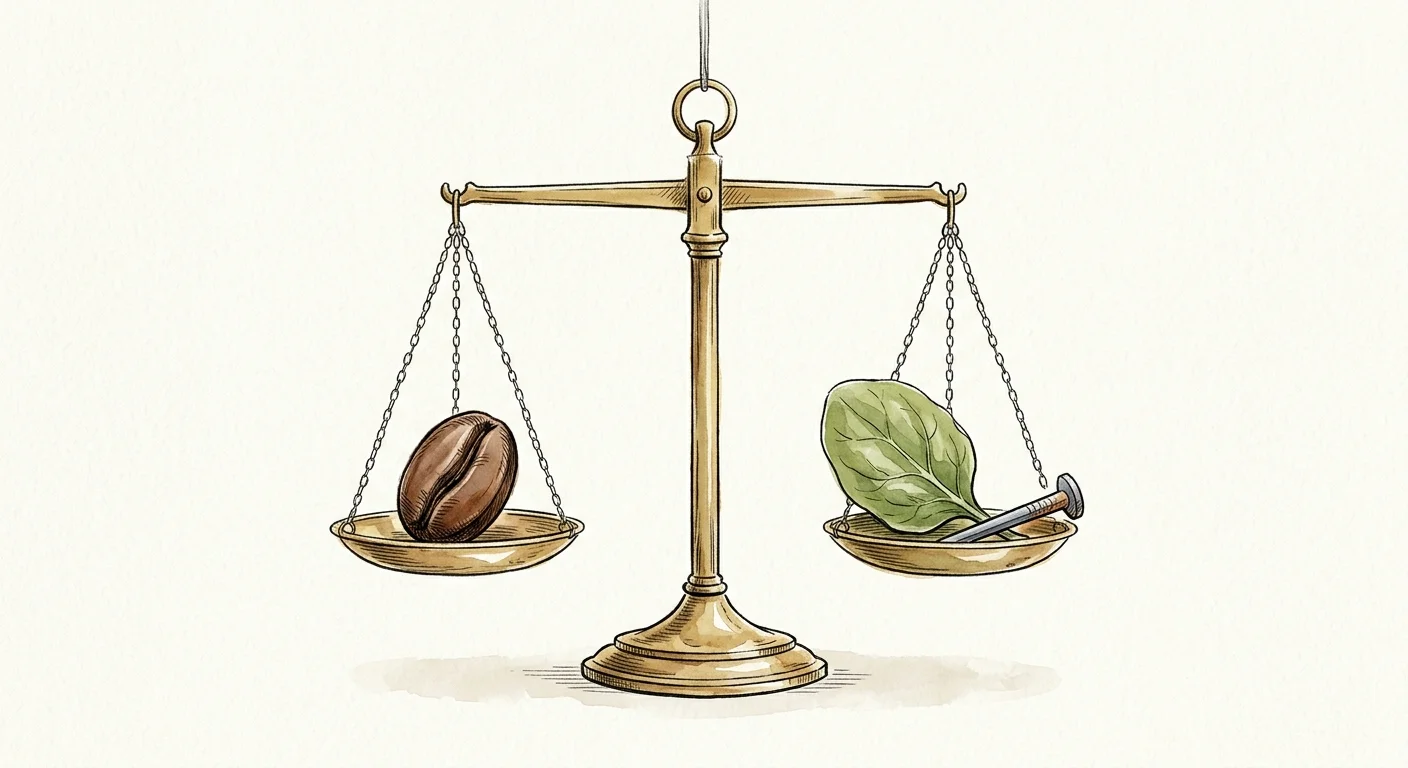
You do not need to give up your favorite coffee or tea to maintain vibrant health and optimal nutrition. Decades of research demonstrate that coffee and tea contain high concentrations of beneficial antioxidants and polyphenols that protect cellular health, promote vascular function, and support sharp cognitive focus. Regular, moderate caffeine consumption is associated with reduced risks of neurodegenerative conditions like Parkinson’s disease and Alzheimer’s disease, alongside improved liver protection and metabolic health.
Furthermore, coffee and tea contain beneficial dietary fiber components and plant compounds that nourish your gut microbiome when consumed in moderation. Maintaining a healthy gut microbiome supports long-term digestive efficiency and overall immune resilience. Therefore, strategic beverage management allows you to harness these metabolic advantages without suffering nutrient deficits.
The central issue is not caffeine itself, but rather the timing and context of your consumption. Does coffee block nutrient absorption permanently? No, the primary nutritional risks arise only when you drink strong caffeinated beverages directly alongside main meals or daily dietary supplements. By separating your caffeinated drinks from meals and vitamins by at least one hour, you preserve all the cognitive, metabolic, and protective benefits of your daily cup while completely preventing its negative impact on nutrient absorption.

What Scientific Research and Health Experts Say
Leading medical organizations maintain a clear consensus regarding caffeine and nutrient interactions: consumption timing is the decisive factor. Clinical studies reviewed by the National Institutes of Health confirm that drinking coffee simultaneously with a meal reduces iron absorption by sixty to ninety percent. However, when researchers tested consuming coffee one hour before or after a meal, iron inhibition dropped to negligible levels, proving that caffeine blocks mineral uptake only while actively present in the stomach mixture.
Regarding bone safety, health recommendations from the World Health Organization indicate that moderate caffeine consumption (up to 300 milligrams daily, or roughly three cups of coffee) poses minimal risk to bone density, provided your diet supplies recommended amounts of calcium and vitamin D. Medical experts emphasize that skeletal risks increase primarily when caffeinated sodas replace nutrient-dense beverages like milk or fortified plant milks in an older adult’s daily routine.

Practical Steps to Protect Your Nutrition
Protecting your vital nutrition does not require drastic lifestyle changes. By integrating a few strategic adjustments into your daily routine, you can safeguard your mineral absorption while continuing to enjoy your coffee or tea. Follow these practical steps to optimize your nutrient uptake.
Implement the one-hour buffer rule every day. Enjoy your morning cup of coffee or tea upon waking, and wait at least 60 to 90 minutes before eating breakfast. Alternatively, eat breakfast first and wait an hour before drinking your coffee. This temporal gap ensures your stomach digests food without chemical interference from polyphenols.
Reorganize your daily supplement schedule completely. Never wash down multivitamins, calcium, iron, or vitamin D supplements with caffeinated beverages. Take your daily supplements with plain water during a non-caffeinated meal like lunch or dinner, or at least two hours away from any tea, coffee, or soda.
Enhance meal composition by pairing non-heme iron foods with vitamin C. Vitamin C counteracts polyphenol inhibition by altering iron into an easily absorbable chemical form. Adding citrus, bell peppers, or berries to spinach, beans, or fortified cereals protects iron uptake effectively.
Maintain proactive hydration by drinking a glass of water alongside every caffeinated beverage. Balanced fluid intake counters caffeine’s mild diuretic action, helping your kidneys retain essential minerals and water-soluble vitamins.
Schedule annual blood tests with your physician. Request comprehensive panels evaluating serum ferritin, vitamin B12, vitamin D, and serum magnesium to catch minor nutrient dips early and keep your vitality strong.
Frequently Asked Questions
Does decaffeinated coffee also block nutrient absorption?
Yes, decaffeinated coffee still impairs mineral absorption. While decaf eliminates caffeine’s diuretic effect, it retains high concentrations of polyphenols and tannins that bind non-heme iron and zinc in your digestive tract. Apply the same one-hour buffer rule to decaffeinated coffee to safeguard your nutritional health.
How long after eating should you wait before drinking tea or coffee?
You should wait at least 60 to 90 minutes after eating before drinking tea or coffee. This window allows your stomach to complete initial gastric digestion and pass nutrients into your small intestine for absorption without polyphenol binding interfering with mineral transport.
Does adding milk or cream to coffee prevent mineral loss?
Adding milk provides extra calcium to help offset caffeine’s minor diuretic calcium loss, and milk proteins slightly bind polyphenols. However, milk does not prevent iron or zinc binding completely, nor does it make taking mineral supplements with coffee safe. Strategic timing remains necessary for complete absorption.
Which specific nutrients are most heavily affected by caffeine?
The nutrients most affected by caffeine are non-heme iron, calcium, magnesium, zinc, vitamin D, vitamin B12, and vitamin C. Polyphenols bind iron and zinc, diuretic action flushes out calcium, magnesium, and water-soluble vitamins, while caffeine alters cellular vitamin D receptor activity.
Can you take a multivitamin with coffee if you drink extra water?
No, extra water does not prevent polyphenols from binding minerals in your stomach on contact, nor does it stop caffeine’s diuretic effect. To ensure complete absorption, swallow multivitamins with plain water at least two hours away from caffeinated drinks.
Empowering Your Daily Health Routine
Understanding how caffeine interacts with your digestive physiology puts you in complete control of your long-term health. You do not need to give up the morning ritual that brings you comfort and mental energy. By mastering simple timing strategies—such as leaving a 60-minute gap between coffee and meals, taking supplements at lunch, and maintaining proper hydration—you protect your bone density, daily energy levels, immune strength, and muscle vitality as you age. Pay attention to your body’s subtle physical signals, consult your doctor for regular blood tests, and enjoy your daily coffee or tea with complete confidence.
This article is intended for informational and educational purposes only and is not a substitute for professional medical advice, diagnosis, or treatment. Always consult with a qualified healthcare provider regarding any health concerns or before making any decisions related to your health or treatment.