Standard basic physicals often miss the subtle shifts in health that happen as you age past 60. While a brief blood pressure check and quick chat fulfill the bare minimum, your evolving physical and cognitive needs demand a far more comprehensive annual checkup. Your annual health evaluation should actively safeguard your independence, preserve your vitality, and catch silent conditions long before they disrupt your life. Recognizing when standard care falls short allows you to advocate for thorough diagnostic tests, tailored risk assessments, and targeted screenings. Knowing the warning signs that demand an expanded medical exam ensures your healthcare provider delivers the precise protection you deserve.
Understanding the Basics
To get the most out of your medical care, you must understand what a standard checkup provides versus what a comprehensive senior health evaluation delivers. Many older adults assume routine doctor visits cover all necessary preventive screenings; however, basic visits often focus only on vital signs and immediate symptoms. Understanding preventive care categories empowers you to request exact services required to maintain your long-term independence.
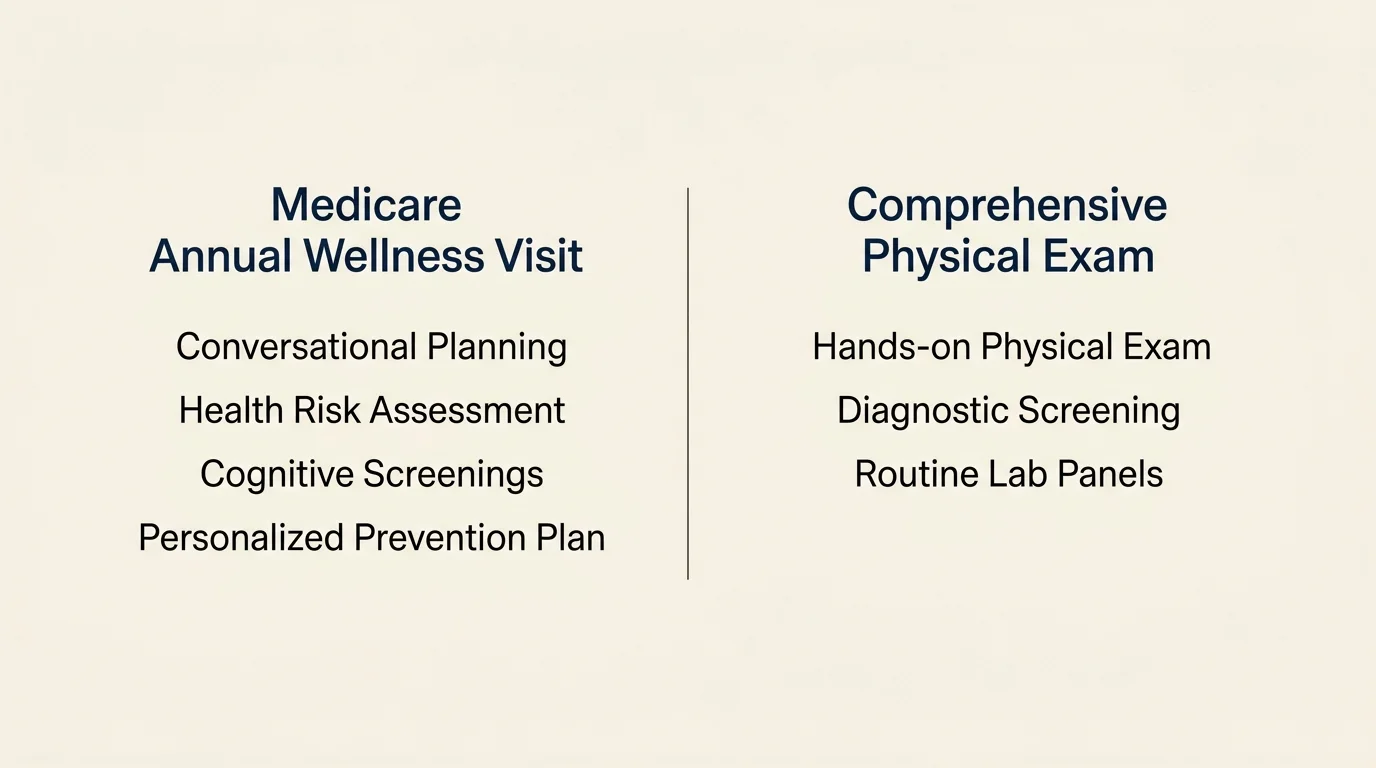
The primary source of confusion involves the distinction between a standard physical exam and the Medicare Annual Wellness Visit. According to guidelines set by the Centers for Medicare & Medicaid Services, Original Medicare Part B fully covers an Annual Wellness Visit with zero deductible or copayment. However, this visit is fundamentally a conversational health planning session rather than a traditional hands-on physical exam. During an Annual Wellness Visit, your provider completes a Health Risk Assessment, updates medical history, performs cognitive screenings, and builds a personalized prevention plan. Original Medicare does not cover routine physical examinations or routine screening lab panels unless your provider determines they are medically necessary due to new or ongoing symptoms.
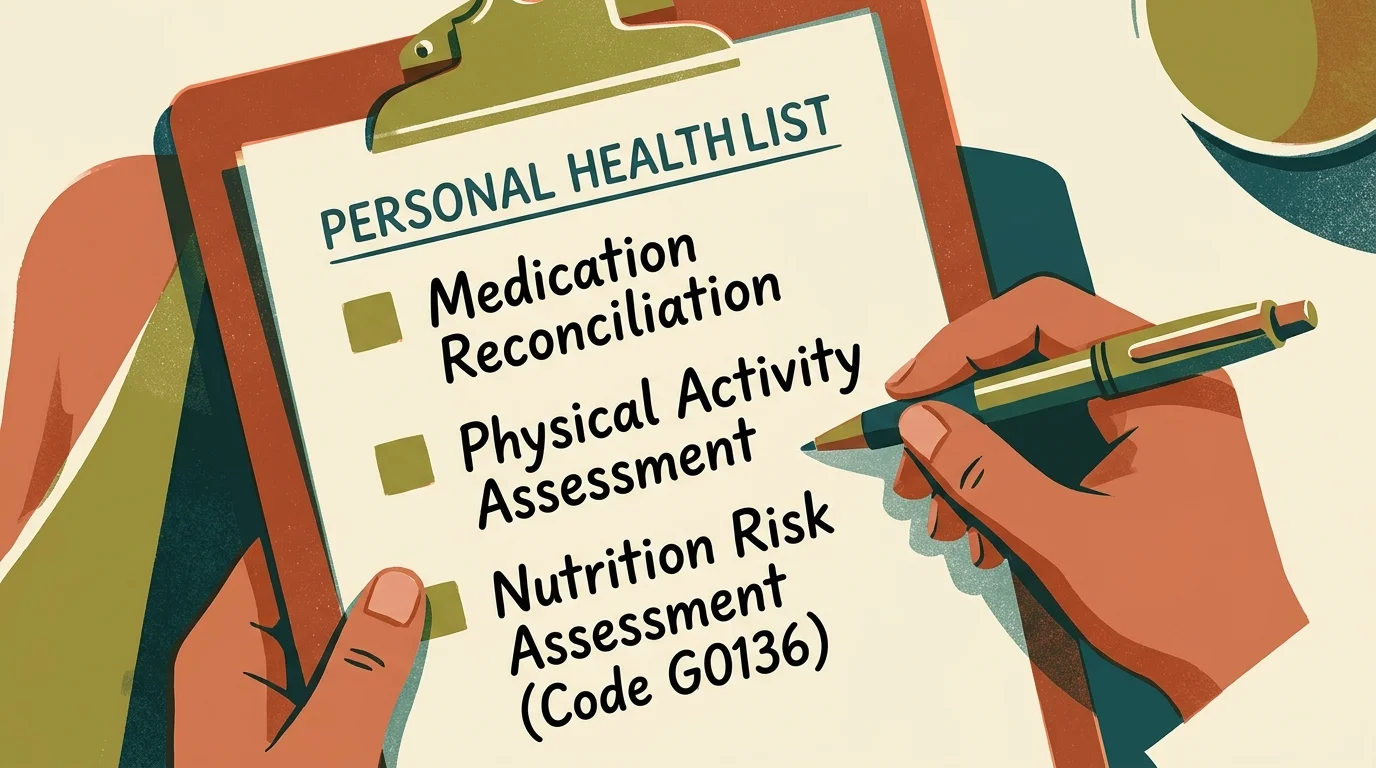
Private insurance plans under the Affordable Care Act operate differently. Non-grandfathered private plans must fully cover preventive health services receiving an A or B recommendation grade from the U.S. Preventive Services Task Force without copays or coinsurance. Furthermore, beginning January 1, 2026, federal policies expand preventive coverage to include a standardized physical activity and nutrition risk assessment, billed under code G0136, which Medicare beneficiaries can receive every six months.
A thorough health checkup for seniors evaluates subtle physiological changes, functional mobility, nutritional status, medication schedules, and cognitive function. High-authority organizations like the National Institutes of Health stress that comprehensive assessments are vital for catching early-stage chronic conditions before severe complications develop.

Seven Signs Your Checkup Requires an Upgrade
Relying solely on basic diagnostic measurements leaves dangerous gaps in your preventive care strategy as your body changes. Recognizing physical, mental, and functional warning signs enables you to request targeted diagnostic tests. Here are seven distinct signs that your annual checkup should expand beyond the basics.
1. You Manage Multiple Medications or Experience New Side Effects
Managing multiple prescription drugs—known as polypharmacy—significantly increases your risk of adverse drug interactions and severe side effects. If you take four or more daily medications, a brief prescription renewal conversation is completely insufficient. You require a comprehensive medication reconciliation during your annual exam. Age-related shifts in liver and kidney function alter how your body metabolizes pharmaceutical compounds, meaning past dosages may cause toxicity today. Ask your doctor to evaluate whether every prescription remains necessary and whether deprescribing non-essential drugs could improve your health.
2. You Suffer From Unexplained Fatigue or Energy Drops
Feeling constantly drained is not an inevitable consequence of aging; it is a biological signal requiring diagnostic investigation. Conditions such as iron-deficiency anemia, thyroid dysfunction, kidney disease, and severe vitamin B12 or D deficiencies frequently manifest as unexplained exhaustion. Your doctor should order expanded blood panels, including a complete blood count, comprehensive metabolic panel, thyroid tests, and vitamin level assessments to uncover the biological root cause of your fatigue.
3. Unsteadiness, Dizziness, or Subtle Walking Gait Changes
Mobility issues and balance shifts demand an expanded functional evaluation during your checkup. Fall-related injuries represent a major threat to senior independence; yet, basic checkups rarely test dynamic balance. The U.S. Preventive Services Task Force issues a Grade B recommendation endorsing exercise interventions and balance therapies for community-dwelling adults aged 65 and older at increased fall risk. If you catch your foot on rugs or feel lightheaded upon standing, request a formal fall risk assessment and gait analysis.
4. Noticeable Memory Lapses or Persistent Brain Fog
Occasional forgetfulness is normal, but persistent brain fog or difficulty managing household finances indicates a need for deeper cognitive testing. Standard physical exams usually omit cognitive testing unless you specifically raise concerns. An expanded checkup includes standardized screening tools like the Mini-Cog or Montreal Cognitive Assessment. Early identification allows your healthcare team to screen for reversible causes—such as thyroid disorders or medication side effects—and implement interventions early enough to protect brain function.
5. Unintended Weight Changes or Digestive Disruptions
Unintended weight loss or rapid weight gain serves as a major red flag requiring diagnostic attention beyond stepping onto the scale. Unintentional weight loss often stems from gastrointestinal disorders, hidden chronic inflammation, or nutrient malabsorption. Rapid weight gain can signal fluid retention from heart or renal decline. Furthermore, updated screening evaluations are essential; guidelines from the U.S. Preventive Services Task Force recommend colorectal cancer screenings for all average-risk adults aged 45 to 75.
6. Joint Stiffness and Loss of Functional Strength
If climbing stairs or standing from a deep chair feels increasingly difficult, your annual visit must address musculoskeletal health. Age-related muscle loss, known as sarcopenia, accelerates without targeted resistance exercise and optimal protein intake. Basic checkups rarely measure physical grip strength or functional muscle mass; yet, these metrics predict long-term vitality better than blood pressure alone. Requesting bone density testing allows your doctor to evaluate osteoporosis risks before fractures occur.
7. Shifts in Hearing, Vision, or Social Engagement
Sensory loss accelerates cognitive decline, increases social isolation, and elevates fall risks; yet, basic checkups frequently skip thorough vision and hearing reviews. If you struggle to hear conversations in public places or withdraw from social gatherings, your checkup needs an immediate upgrade. Your physician should perform visual acuity checks and refer you for formal audiological testing. Research from the World Health Organization highlights that correcting sensory deficits significantly improves quality of life and long-term brain health.
Benefits and Potential Risks
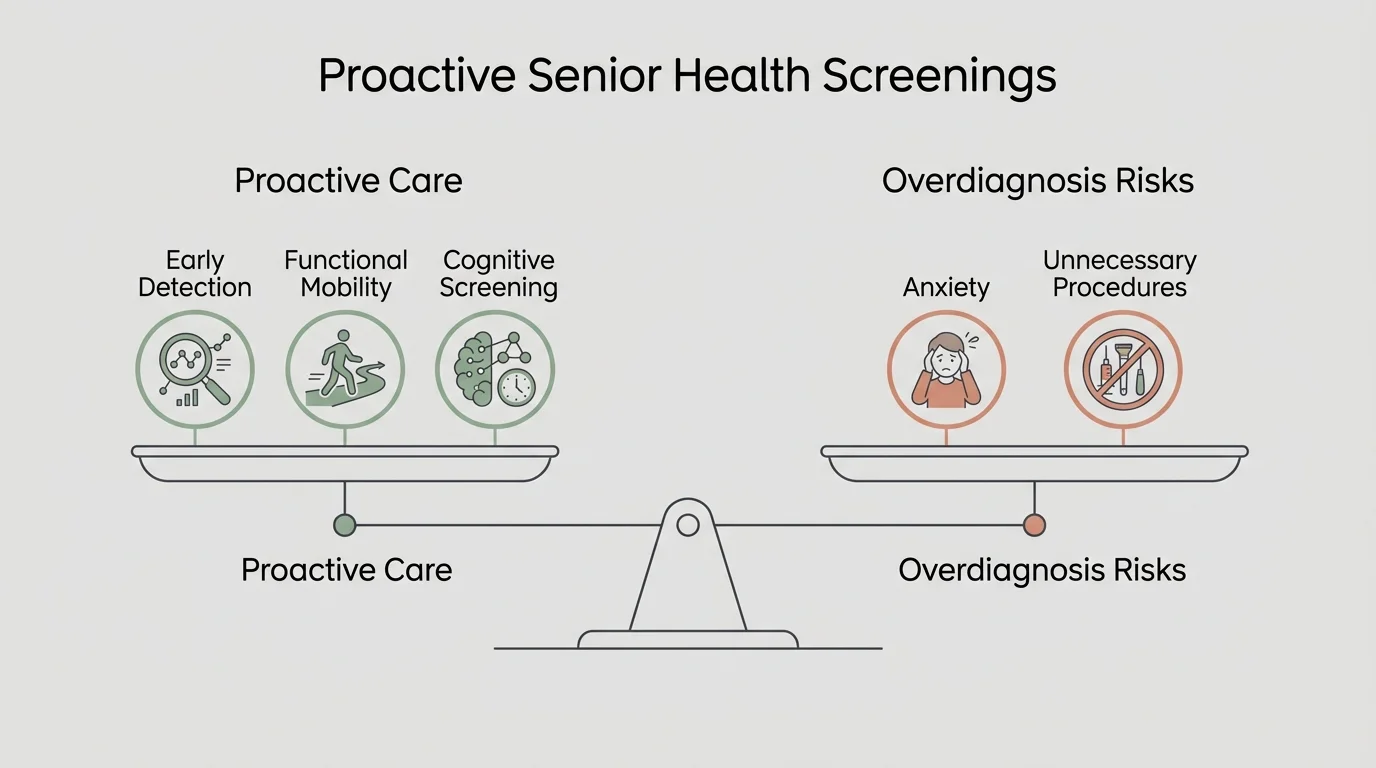
Expanding your annual checkup beyond standard measurements offers profound benefits for long-term health; however, navigating broader diagnostic care also requires a balanced understanding of potential clinical and financial risks.
Proactive health evaluations yield tremendous benefits. According to statistics from the Centers for Disease Control and Prevention, over 90% of U.S. adults aged 65 and older live with at least one chronic condition, and 37.3% of adults aged 85 and older manage four or more chronic conditions. Catching chronic illnesses such as type 2 diabetes, hypertension, and kidney disease early prevents organ damage and reduces hospitalizations. Proactive checkups also allow you to build customized exercise and nutrition plans that preserve physical independence.
Despite these advantages, expanded medical testing carries potential risks. Over-testing can lead to over-diagnosis, where harmless physiological anomalies trigger unnecessary anxiety and invasive follow-up procedures. Additionally, financial risks exist if you assume all blood work is free. Because Original Medicare does not cover routine screening panels without diagnostic codes, non-indicated blood tests generate unexpected out-of-pocket costs. Communicating openly with your doctor ensures every test is medically justified and covered.

What the Experts Say
Leading medical organizations consistently emphasize that preventive care must adapt as individuals age. Evidence-based guidelines published by major institutions stress that targeted screenings save lives when applied appropriately.
The U.S. Preventive Services Task Force regularly updates national screening guidelines. For example, the task force officially lowered the recommended starting age for biennial mammography screening from age 50 down to age 40 for women at average risk, continuing through age 74. Screening for colorectal cancer is also strongly advised for all average-risk adults between ages 45 and 75. Standardized recommendations ensure high-value screenings detect conditions before physical symptoms appear.
In addition, prominent authorities like the Mayo Clinic emphasize the value of Comprehensive Geriatric Assessments for older adults experiencing complex health shifts. Medical experts advocate moving away from rigid physical exams toward personalized prevention frameworks evaluating physical function, cognitive vitality, and environmental safety. Aligning your checkup with expert advice ensures your care reflects scientific consensus.
Practical Steps and Actionable Advice
Transforming a basic doctor appointment into a comprehensive health assessment requires proactive preparation and self-advocacy. You can take clear, practical steps to maximize the value of your annual evaluation.
First, build a personal senior health exam checklist before stepping into the clinic. Write down every prescription drug, over-the-counter pill, and vitamin you take, including exact dosages. Document physical shifts noticed over the past year, such as balance stumbles, sleep disturbances, digestive changes, or fatigue. Bringing a written record prevents forgetting critical details during brief clinical conversations.
Second, prepare high-priority questions for your doctor. Ask your physician: Which screening tests am I due for based on my age and medical history? Can we review my complete medication list to eliminate unnecessary prescriptions? What is my risk level for falls, bone fractures, or heart disease? Which diagnostic blood tests do you recommend for my energy levels and symptoms?
Third, master administrative and financial details. Contact your insurance provider or Medicare representative prior to your appointment to verify coverage rules for recommended laboratory work. Clarify with billing staff whether your visit is scheduled as a Medicare Annual Wellness Visit or an established diagnostic exam to avoid unexpected invoices.
Frequently Asked Questions
What is the difference between an Annual Physical and a Medicare Annual Wellness Visit?
A Medicare Annual Wellness Visit is a fully covered preventive planning session focused on completing a Health Risk Assessment, evaluating cognitive function, updating medical history, and developing a prevention plan. It does not include a hands-on physical exam or routine blood work. Traditional physical exams involve hands-on clinical checks; however, Original Medicare does not cover routine physicals unless specific symptoms justify diagnostic testing.
Does Medicare cover annual blood tests like metabolic panels or lipid profiles?
Original Medicare Part B does not cover routine blood panels when ordered solely for screening without symptoms. However, Medicare fully covers specific preventive tests—such as cardiovascular screening blood tests every five years and diabetes screening tests for high-risk individuals—with zero copayment. Diagnostic blood panels are covered under standard Medicare Part B rules when your doctor suspects an underlying medical condition based on symptoms.
How often should older adults receive cognitive and fall risk screenings?
Healthcare experts recommend that adults aged 65 and older receive formal fall risk and cognitive assessments annually during their Medicare Annual Wellness Visit. If you experience a fall, notice balance changes, or observe memory lapses between visits, request an immediate evaluation rather than waiting for your next scheduled checkup.
What should I do if my doctor hesitates to order expanded diagnostic tests?
If your doctor hesitates to order an expanded test, ask them to explain their clinical reasoning clearly. Inquire whether your health status or guidelines from bodies like the U.S. Preventive Services Task Force support the screening. If concerns persist, you have the right to request a second opinion or consult a geriatrician who specializes in senior care.
Are specialized risk assessments for diet and exercise covered by insurance?
Yes, coverage options are expanding. Under federal policy, Medicare beneficiaries gain access to standardized physical activity and nutrition risk assessments every six months starting January 1, 2026, under billing code G0136. Furthermore, private insurance under the Affordable Care Act covers intensive behavioral counseling for nutrition and cardiovascular health for eligible adults with chronic disease risk factors.
Conclusion
Your annual checkup represents your most powerful tool for protecting vitality, independence, and well-being as you age. Moving beyond basic vital sign measurements allows you and your doctor to catch hidden risks early, optimize medication regimens, and address shifts in balance, memory, and energy. Recognizing the seven warning signs that demand expanded clinical care and preparing for appointments with targeted questions puts you in control of your healthcare journey. Partner closely with your physician, verify your coverage benefits, and advocate for an expanded health evaluation that truly supports your personal health goals.
This article is intended for informational and educational purposes only and is not a substitute for professional medical advice, diagnosis, or treatment. Always consult with a qualified healthcare provider regarding any health concerns or before making any decisions related to your health or treatment.