Taking expired medication by mistake often triggers unnecessary panic, but understanding the real implications helps you make safer health decisions. While most past-due pills simply lose a fraction of their potency rather than becoming instantly toxic, certain prescriptions demand strict adherence to expiration dates. As an older adult managing multiple daily prescriptions, you rely on your treatments to control blood pressure, manage pain, or stabilize heart conditions. When a medication degrades over time, a sudden drop in efficacy could lead to uncontrolled chronic conditions or serious complications. Knowing exactly how drug degradation works allows you to assess the situation calmly, contact your provider if necessary, and reorganize your medicine cabinet to prevent future mix-ups.
Understanding the Basics
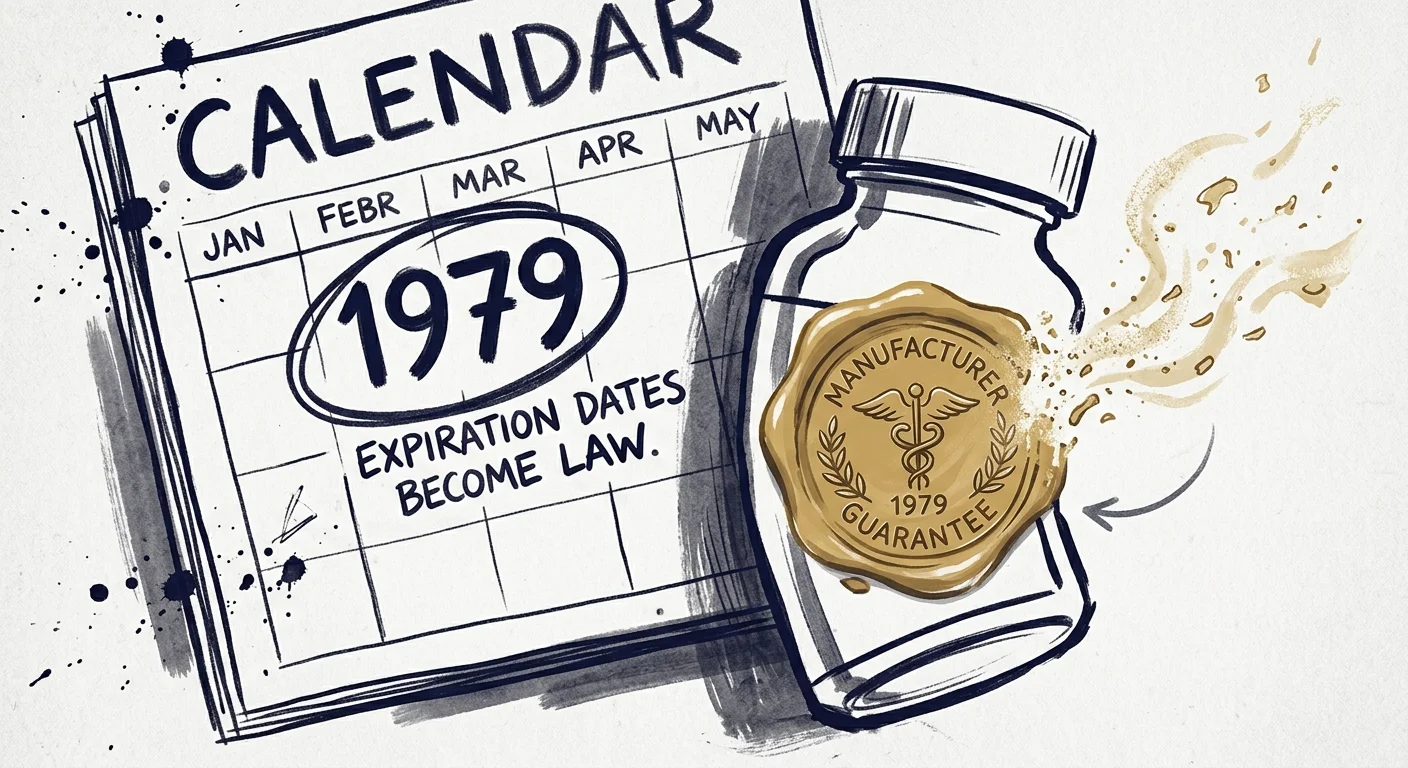
To understand what happens when you take an expired medication, you first need to know what an expiration date actually represents. In 1979, the United States government passed a law requiring pharmaceutical manufacturers to stamp an expiration date on all prescription and over-the-counter products. This date represents the specific point in time up until which the manufacturer guarantees the absolute safety and full potency of the drug. It is a legal and scientific guarantee that the pill you swallow will deliver exactly the amount of active ingredient listed on the label. Once that date passes, the guarantee simply expires; the medication itself does not immediately turn into a dangerous substance at the stroke of midnight.
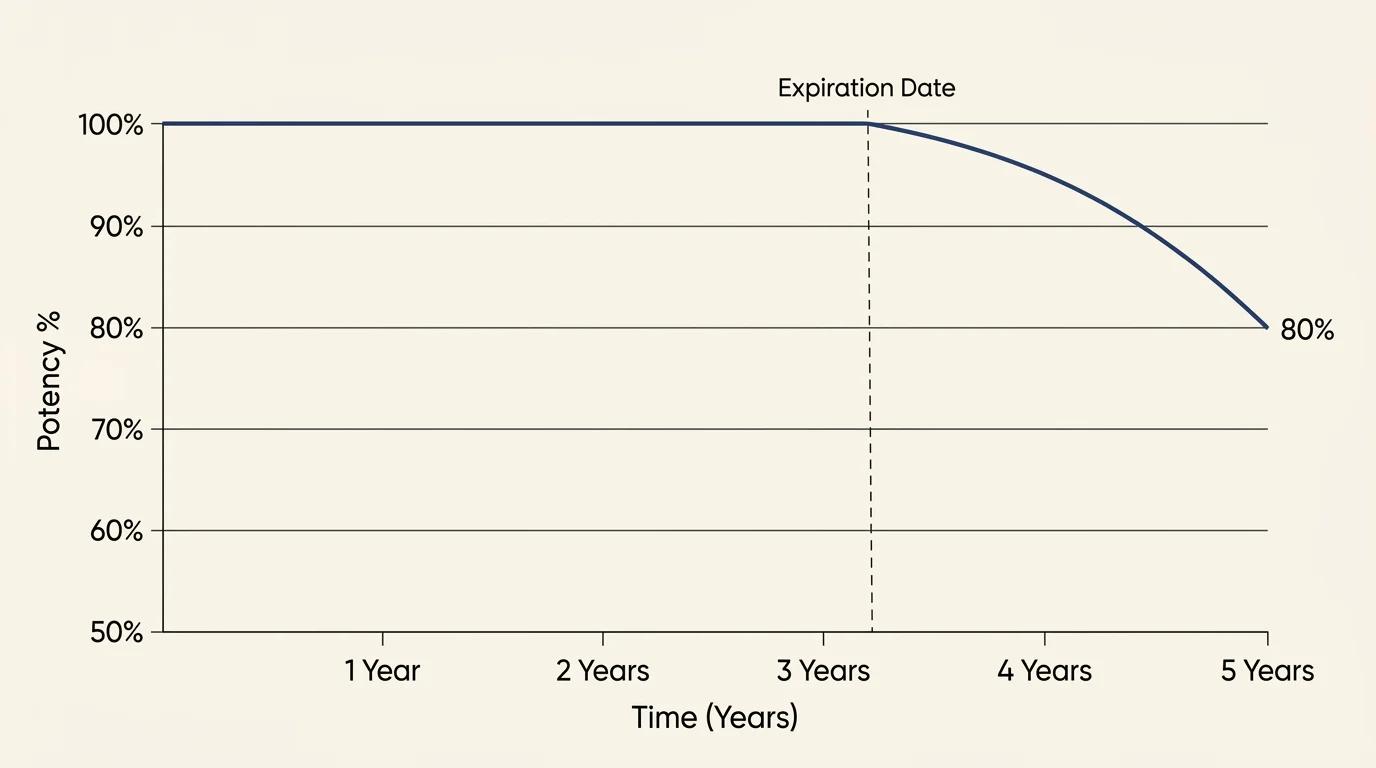
Pharmaceutical companies determine these dates through rigorous stability testing. Scientists place the medications in environmental chambers that simulate various levels of heat, humidity, and light over extended periods. By analyzing how the chemical compounds react to these stressors, researchers can confidently predict how long the drug will remain completely stable under normal storage conditions. For the vast majority of solid medications—such as tablets and capsules—this guaranteed shelf life ranges from one to five years from the date of manufacture. However, manufacturers generally do not test medications beyond this standard window because they have no financial incentive to prove a drug lasts for decades.
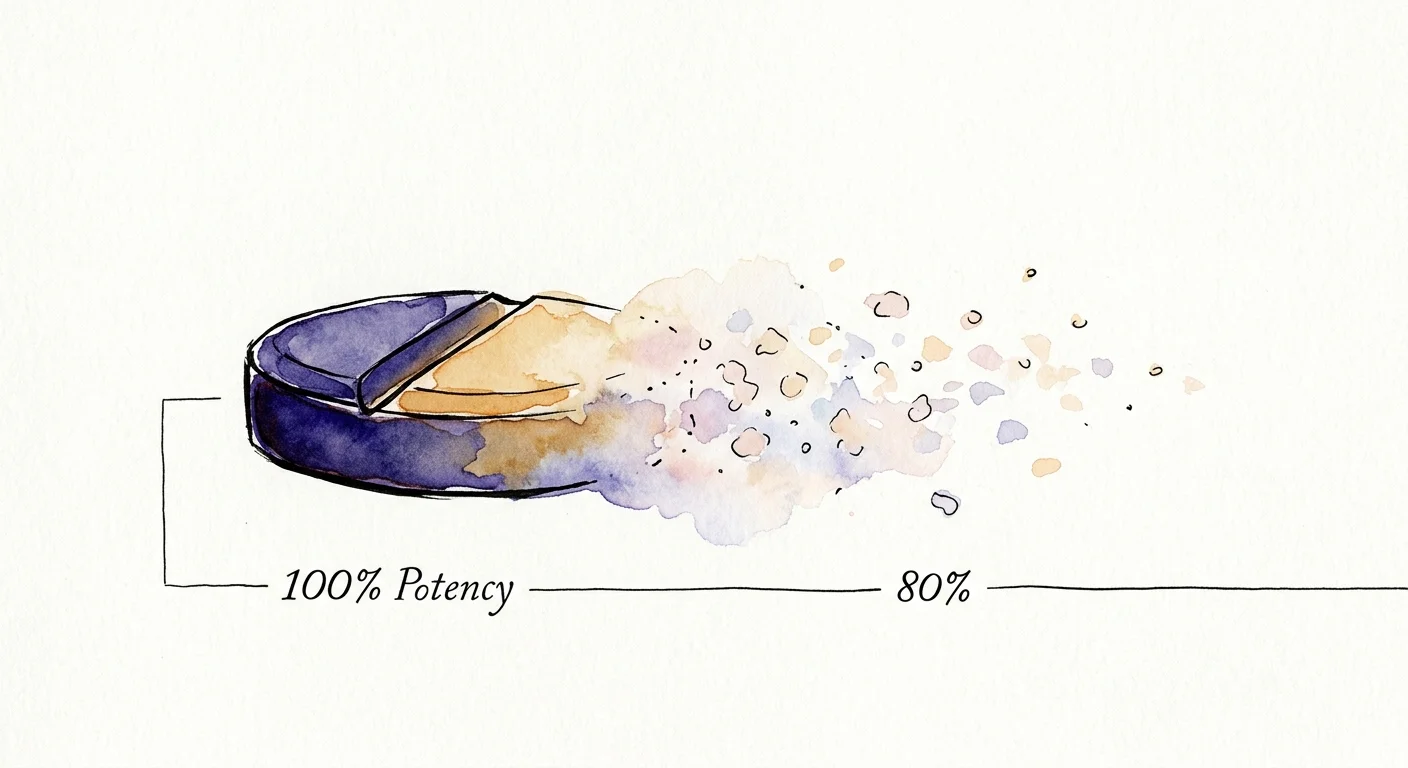
When a medication passes its expiration date, it slowly begins to undergo chemical degradation. Processes like oxidation and hydrolysis cause the active pharmaceutical ingredients to break down on a molecular level. The critical distinction you must understand is the difference between efficacy and toxicity. Efficacy refers to how well the drug works, while toxicity refers to how poisonous it is. When most modern drugs degrade, they simply lose their efficacy; they become less potent. They do not spontaneously transform into toxic poisons. If you take an expired pain reliever, the active ingredient might only operate at eighty percent capacity, meaning your joint pain might persist. While taking a less potent drug is not ideal, it is a vastly different scenario than swallowing a toxic chemical.
This slow degradation process operates on a bell curve, heavily influenced by the drug’s formulation. Solid, compressed tablets made from highly stable chemical salts degrade incredibly slowly. Conversely, medications mixed into liquid solutions, suspensions, or topical creams degrade much faster because water acts as a catalyst for chemical breakdown. Understanding these foundational concepts prevents unnecessary anxiety when you realize you just swallowed a pill that expired three months ago. You are almost certainly not poisoned, but you might not be getting the therapeutic benefit your body requires to function optimally.
Key Considerations for Seniors
As you age, your body undergoes significant physiological changes that alter how you process, absorb, and excrete medications. These changes make the accidental ingestion of expired medications a much more serious issue for older adults than it might be for younger people. Your liver and kidneys serve as the primary organs responsible for metabolizing drugs and filtering them out of your bloodstream. As you enter your sixties, seventies, and beyond, blood flow to your liver decreases, and your kidneys often experience a natural decline in their glomerular filtration rate. Because your body processes drugs more slowly, a medication that lacks its full potency introduces a dangerous variable into an already complex metabolic environment.
Polypharmacy—the practice of taking multiple medications concurrently to manage various chronic health conditions—further complicates this dynamic. Many older adults take an average of five or more prescription drugs daily to regulate blood pressure, manage cholesterol, control blood sugar, and relieve chronic pain. These medications are carefully calibrated by your healthcare provider to work in harmony. If you accidentally take an expired medication that has lost twenty percent of its potency, you disrupt this delicate balance. A less potent blood pressure pill might allow your hypertension to spike, which in turn puts unnecessary strain on your heart and negates the protective effects of your other cardiovascular medications.
Furthermore, older adults frequently rely on medications classified as having a narrow therapeutic index. Drugs like warfarin for blood thinning, digoxin for heart failure, or phenytoin for seizures require precise dosing to be safe and effective. The difference between a therapeutic dose and an ineffective dose is incredibly small. If you take an expired narrow therapeutic index drug, even a slight degradation in potency could leave you vulnerable to a blood clot, an irregular heartbeat, or a seizure. In these specific cases, taking an expired medication by mistake is a critical medical event that requires immediate consultation with your doctor.
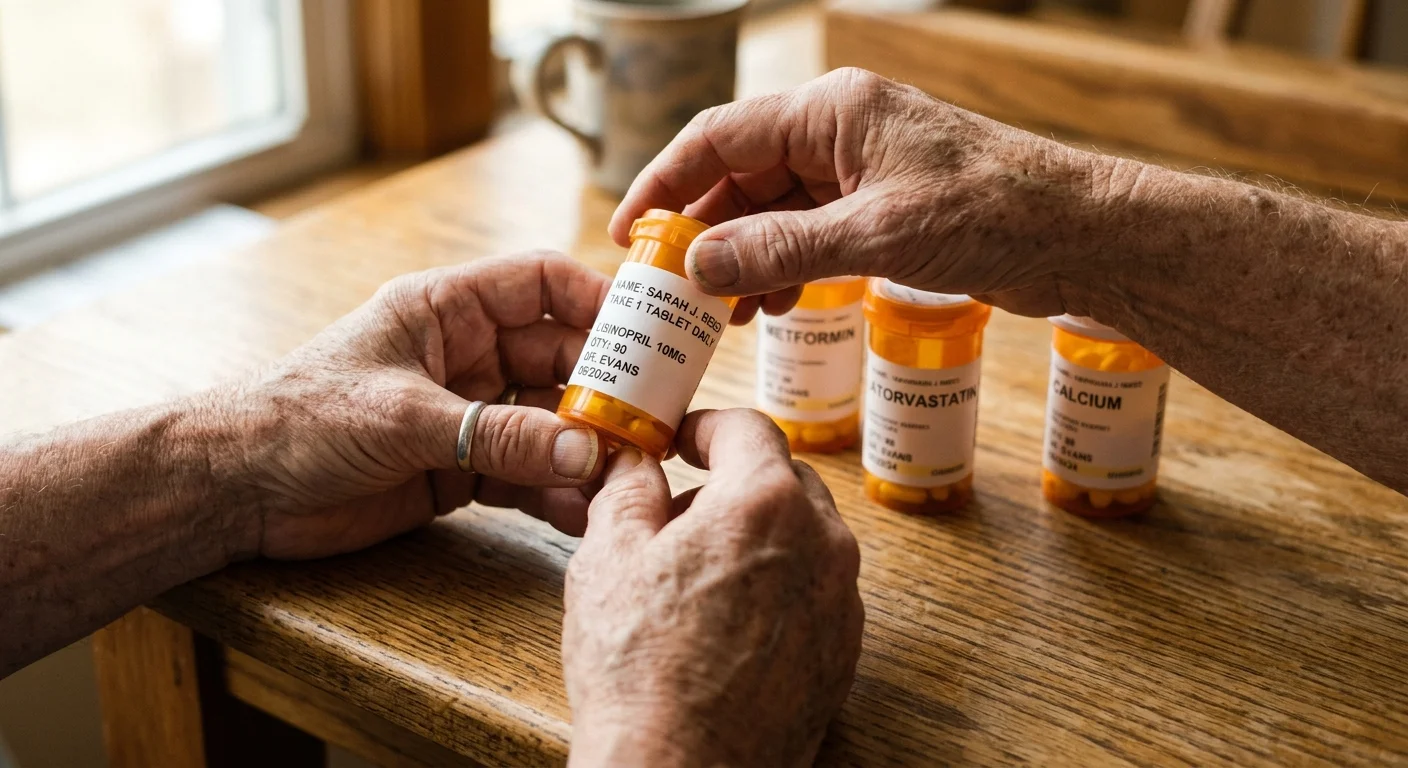
You must also consider the practical, day-to-day challenges that lead to these mistakes in the first place. Age-related vision changes, such as presbyopia or cataracts, make it exceedingly difficult to read the microscopic expiration dates printed on the bottom of amber pharmacy bottles. Cognitive changes or simple forgetfulness can lead you to reach into the back of your medicine cabinet and grab an old prescription instead of your current one. Recognizing these vulnerabilities is the first step in taking control of your medication management. By understanding that your aging body cannot afford the unpredictable nature of degraded drugs, you can proactively build systems to ensure you only consume fresh, fully potent treatments.
Benefits and Potential Risks
When evaluating the consequences of taking expired medications, you must weigh the specific risks against the practical realities of drug stability. The single greatest risk of consuming an expired medication is treatment failure. For life-saving medications, a loss of potency can have catastrophic results. If you rely on an epinephrine auto-injector to stop a severe allergic reaction, an expired and degraded dose might fail to halt the anaphylaxis, leading to a life-threatening emergency. Similarly, expired nitroglycerin used to treat sudden angina can lose its volatile active ingredient quickly; relying on an old bottle during a cardiac event can lead to a heart attack.
Antibiotics present another unique and severe risk when used past their expiration date. If you accidentally take an expired antibiotic to treat an infection, the degraded medication will deliver a sub-therapeutic dose to your body. This weakened dose might be strong enough to kill off the weakest bacteria, but it will leave the strongest, most resilient bacteria alive. These surviving bacteria then mutate and multiply, contributing to the global crisis of antibiotic resistance. You could end up with a severe super-infection that requires intravenous treatments and a lengthy hospital stay, all because you swallowed a degraded pill to save a trip to the pharmacy.
Liquid medications, eye drops, and injectable biologics carry an entirely different set of risks related to bacterial contamination. Liquid formulations rely on chemical preservatives to prevent bacteria and fungi from growing inside the bottle. Over time, these preservatives break down and expire. Once the preservatives fail, a bottle of liquid cough syrup or allergy eye drops becomes a fertile breeding ground for dangerous pathogens. If you use expired eye drops, you risk introducing bacteria directly into your eye, potentially causing severe corneal infections or permanent vision loss. Suspensions, which are liquids that require shaking before use, can also separate over time. The active ingredient might settle into a solid mass at the bottom of the bottle, meaning your first few doses contain no medication, and your final dose contains a massive, toxic overdose.
Despite these severe risks, there is a silver lining for certain types of medications. Solid-state over-the-counter drugs, such as ibuprofen, acetaminophen, and allergy tablets, are incredibly stable. If you have a headache at midnight and realize your unopened bottle of aspirin expired six months ago, taking a dose is highly unlikely to cause you any harm. The primary benefit of understanding drug stability is the prevention of panic. If you accidentally swallow an expired vitamin or a solid pain reliever, you can rest assured that you have not poisoned yourself. However, this practical reality should never be used as an excuse to hoard old prescriptions or ignore expiration dates on critical daily medications.
What the Experts Say
The scientific community has extensively studied the longevity of medications, and the findings often surprise the general public. The most comprehensive data on drug stability comes from the Shelf Life Extension Program, a joint initiative between the United States Department of Defense and the federal government. Decades ago, the military realized they were destroying billions of dollars worth of perfectly good stockpiled medications simply because the expiration dates had passed. They partnered with federal scientists to conduct independent stability testing on these massive stockpiles to see if the drugs were actually degrading as quickly as the labels suggested.
The results of this massive testing program were definitive and startling. Researchers found that nearly ninety percent of the more than one hundred different prescription and over-the-counter drugs tested were perfectly safe and fully potent up to fifteen years past their official expiration dates. The program proved beyond a doubt that the active ingredients in compressed tablets are remarkably resilient when stored under ideal conditions. Major medical associations frequently cite this study to calm patients who accidentally ingest slightly expired common medications, confirming that instantaneous toxicity is a myth for the vast majority of solid pills.
However, despite these findings, leading health authorities like the U.S. Food and Drug Administration maintain a strict public stance: you should never take expired medications. This apparent contradiction exists because of storage environments. The military stored their drug stockpiles in climate-controlled bunkers with perfectly regulated temperature, humidity, and light exposure. In contrast, you likely store your medications in a bathroom cabinet, exposing them to daily blasts of hot steam from the shower, or in a kitchen cabinet exposed to fluctuating temperatures. Heat and moisture accelerate chemical degradation exponentially, meaning your medications will break down much faster than those in a secure government facility.
Organizations like the Mayo Clinic and the Centers for Disease Control and Prevention align with this cautious approach. They emphasize that because a consumer cannot guarantee perfect storage conditions, there is no reliable way to know if a specific bottle of pills has retained its potency. The World Health Organization also issues strict warnings regarding expired antibiotics and liquid medications due to the severe public health risks associated with sub-therapeutic dosing and contamination. The consensus among the world’s leading health experts is clear: while an accidental ingestion of a solid pill is rarely dangerous, deliberately using expired medications is an unpredictable and unnecessary gamble with your health.
Practical Steps and Actionable Advice
If you realize you have just taken an expired medication by mistake, your first step is to remain calm and assess the situation objectively. Start by identifying the exact medication you consumed, the date it expired, and the condition it is meant to treat. If you took an expired over-the-counter pain reliever, antihistamine, or vitamin, you generally do not need to take any immediate medical action; simply monitor yourself to see if your symptoms improve. However, if the medication is a prescription designed to regulate your heart rhythm, manage a seizure disorder, control your blood sugar, or prevent blood clots, you must contact your doctor or pharmacist immediately. Explain the mistake clearly, and they will advise you on whether you need to consume a fresh dose to maintain your therapeutic blood levels.
To prevent these mistakes from happening in the first place, you should conduct a comprehensive audit of your medication supplies at least twice a year. Gather every pill bottle, blister pack, ointment, and liquid medication from around your home and place them on your kitchen table. Inspect each container under good lighting. Check the printed expiration date, and if the date has passed or is illegible due to fading, set the medication aside for disposal. You should also discard any medication that has changed color, crumbles easily, emits an unusual odor, or has stuck together in the bottle, as these are clear physical signs of chemical degradation regardless of the printed date.
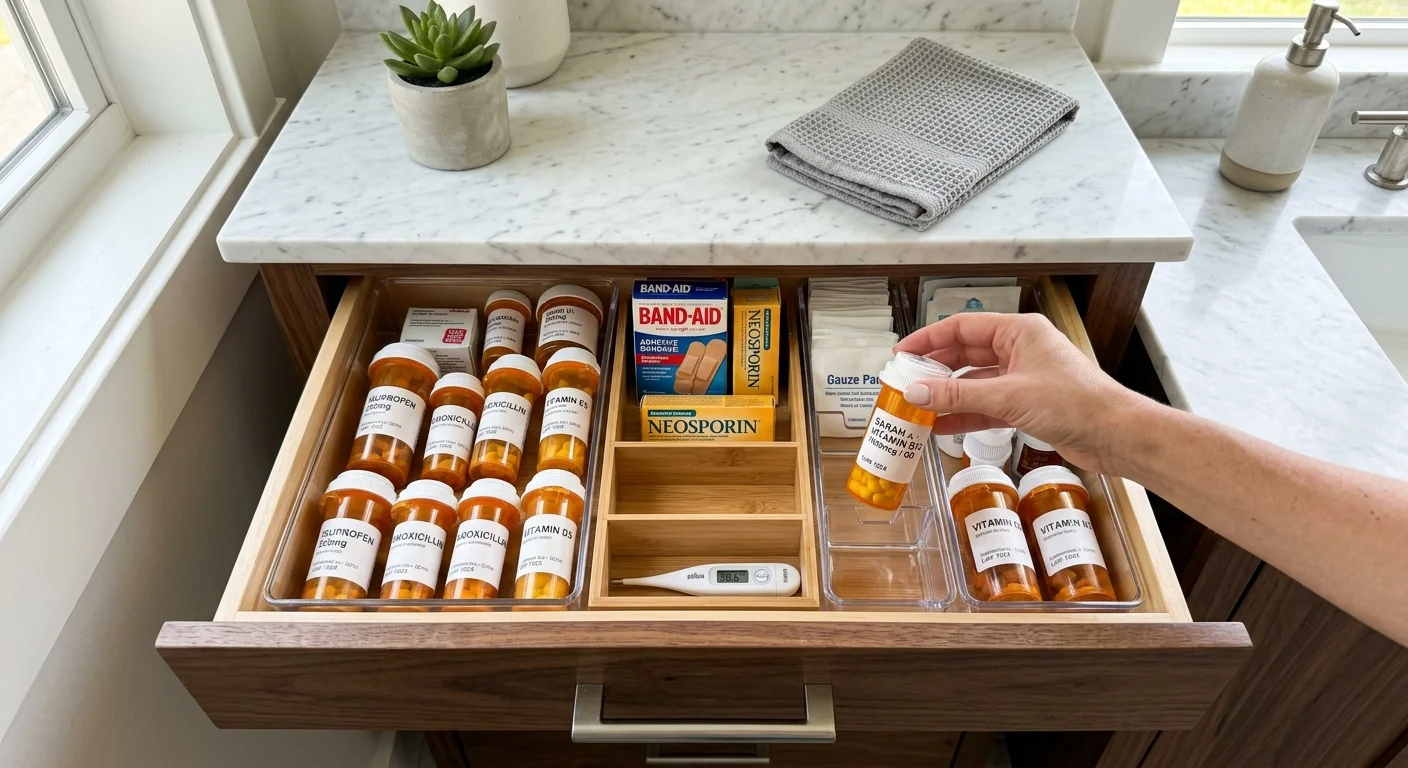
Proper storage is your best defense against premature medication degradation. You must break the long-standing habit of storing your daily prescriptions in the bathroom medicine cabinet. The daily fluctuations in heat and humidity from your shower create the worst possible environment for chemical stability. Instead, relocate your medications to a cool, dry, and dark environment. A high shelf in a hallway closet, a dedicated drawer in your bedroom dresser, or a secure lockbox in your pantry are excellent choices. Ensure the storage location is completely out of reach of curious grandchildren and pets.
When you are ready to dispose of your expired medications, you must do so safely to protect your community and the environment. You should never flush pills down the toilet or pour liquids down the drain unless the medication is specifically listed on a government-approved flush list, as these chemicals can contaminate local water supplies. The best disposal method is to participate in a local drug take-back program, often hosted by local pharmacies or police departments. If a take-back program is unavailable, you can safely dispose of pills in your household trash by mixing them with an unpalatable substance like used coffee grounds, dirt, or cat litter. Seal this mixture in a plastic bag to prevent animals or children from accessing it, and throw it away with your regular garbage.
FAQ
Can taking expired medicine cause organ damage or severe illness?
In almost all modern cases, taking an expired medication will not cause organ damage or toxic poisoning. The danger lies in the drug failing to treat your underlying condition. Historically, a degraded form of the antibiotic tetracycline caused a kidney condition known as Fanconi syndrome in the 1960s, but pharmaceutical manufacturers have since changed the formulation to prevent this specific toxic degradation. Today, the primary risk of expired medicine is a lack of efficacy rather than acute toxicity.
How long after the expiration date is a medication still safe to use?
There is no single answer to this question because stability depends entirely on the drug’s formulation and how it was stored. Solid tablets stored in cool, dry conditions can retain their potency for years past their expiration date. However, liquid medications, insulins, injectables, and compounded creams can degrade rapidly or harbor dangerous bacteria just weeks after they expire. Because you cannot test the potency of your own pills, health professionals advise against using any medication past its printed date.
Are expired liquid medications more dangerous than expired pills?
Yes, expired liquid medications pose a significantly higher risk than solid pills. Liquid formulations rely on specific chemical preservatives to stop bacteria and mold from growing in the fluid. When these preservatives expire and break down, the liquid becomes susceptible to contamination. Taking an expired liquid medication can introduce harmful pathogens into your system, leading to gastrointestinal distress or severe infections, whereas solid pills generally only lose their potency.
What should I do if I accidentally take an expired heart medication?
If you accidentally take an expired heart medication, such as a beta-blocker, blood thinner, or anti-arrhythmic drug, you should contact your healthcare provider or a local pharmacist immediately. Do not take a second dose from a fresh bottle without professional guidance, as you could accidentally overdose. Your doctor will evaluate the specific medication and advise you on the safest way to maintain your necessary treatment levels.
Can I throw expired prescription pills directly into the kitchen trash?
You should never throw loose prescription pills directly into the trash, as they can be easily found and consumed by pets, children, or individuals struggling with substance abuse. If you cannot use a pharmacy take-back program, you must alter the pills before disposal. Mix the intact pills with an undesirable substance like used coffee grounds or dirty cat litter, place the mixture into a sealed plastic bag, and then safely dispose of the bag in your household trash receptacle.
Conclusion
Accidentally taking an expired medication is a common mistake that rarely leads to immediate toxic poisoning, particularly if the medication is a solid tablet or capsule. The chemical degradation process primarily causes a loss of potency, meaning the drug simply stops working as effectively as it should. However, for older adults managing chronic conditions through complex medication regimens, this loss of efficacy can trigger severe health complications. Failing to receive the full therapeutic dose of a blood pressure medication, a blood thinner, or an insulin injection can destabilize your health and lead to dangerous medical emergencies.
You have the power to protect yourself by taking proactive control of your medication management. By auditing your pill bottles regularly, storing your prescriptions in cool and dry environments away from the bathroom, and safely disposing of anything past its prime, you eliminate the guesswork from your daily routine. Understanding the true risks and realities of drug expiration dates empowers you to respond calmly to accidental ingestions and ensures that every pill you take provides the maximum benefit to your health and longevity.
This article is intended for informational and educational purposes only and is not a substitute for professional medical advice, diagnosis, or treatment. Always consult with a qualified healthcare provider regarding any health concerns or before making any decisions related to your health or treatment.