Recognizing the early indicators of a fatty liver allows you to halt and even reverse potential liver damage before it threatens your independence. As an adult over sixty, protecting your liver function is crucial for maintaining energy levels, proper digestion, and overall vitality. Fatty liver disease often develops silently; however, subtle physical clues can reveal its presence if you know what to observe. Catching these early warnings empowers you to make straightforward lifestyle adjustments that dramatically improve your prognosis. You will discover exactly what these signs entail and how your aging body uniquely responds to them. Armed with this knowledge, you can confidently partner with your healthcare provider to safeguard your long-term wellness.
Understanding the Basics of Liver Health
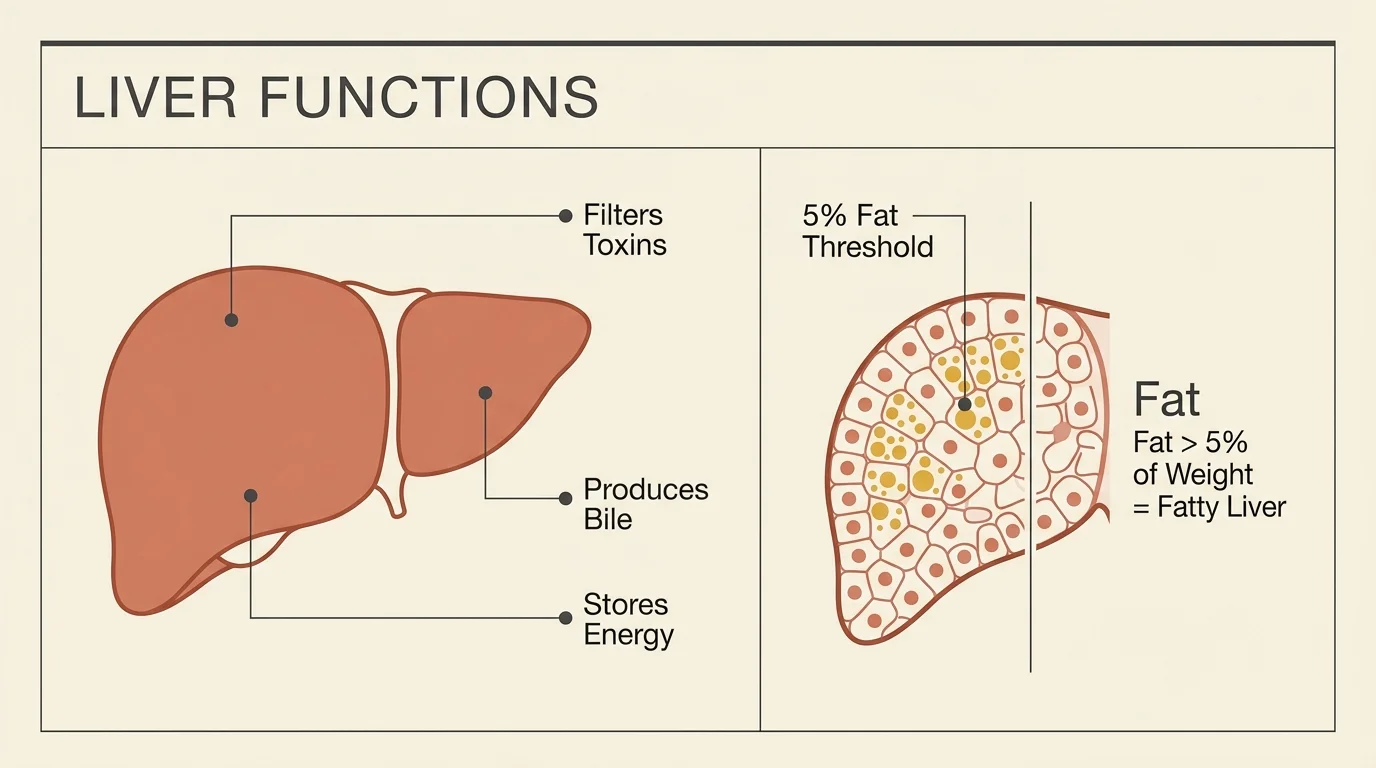
Your liver operates as the master filtration and metabolic hub of your body. Weighing roughly three pounds, this vital organ performs over five hundred essential functions; it filters toxins from your bloodstream, produces bile for proper digestion, and stores energy for future use. Fatty liver disease occurs when excess fat gradually accumulates inside your liver cells. Medical professionals classify this condition into two primary categories: alcoholic fatty liver disease, triggered by heavy alcohol consumption, and metabolic dysfunction-associated steatotic liver disease, formerly known as non-alcoholic fatty liver disease. The latter category primarily stems from metabolic factors like insulin resistance, elevated cholesterol, and carrying excess body weight.
Why does this internal fat accumulation matter for your long-term health? A healthy liver typically contains very little fat. When fat makes up more than five percent of the liver’s total weight, you officially have a fatty liver. Initially, this microscopic fat buildup remains harmless and causes no immediate structural damage. However, if you leave the condition unmanaged, the trapped fat eventually triggers an aggressive inflammatory response. This chronic inflammation slowly destroys healthy liver cells and replaces them with stiff scar tissue—a dangerous progression known in the medical community as fibrosis. Because your liver governs how your body processes every prescription medication you take and every essential nutrient you absorb, compromised liver function directly threatens your overall physical resilience and independence.
The 10 Signs You Have a Fatty Liver
1. Unexplained Fatigue and Profound Weakness
Experiencing a deep, unshakeable tiredness stands as one of the most common early indicators of liver distress. Unlike the standard exhaustion you might feel after a busy day or a poor night of sleep, liver-related fatigue persists regardless of how much rest you secure. When excess fat infiltrates your liver cells, it sparks widespread systemic inflammation that actively drains your cellular energy reserves. Your body essentially redirects its energy toward fighting this internal inflammation, leaving your muscles feeling profoundly heavy and weak. For older adults, this sudden drop in stamina often severely limits daily mobility and reduces your overall quality of life.
2. Dull Aching or Discomfort in the Upper Right Abdomen
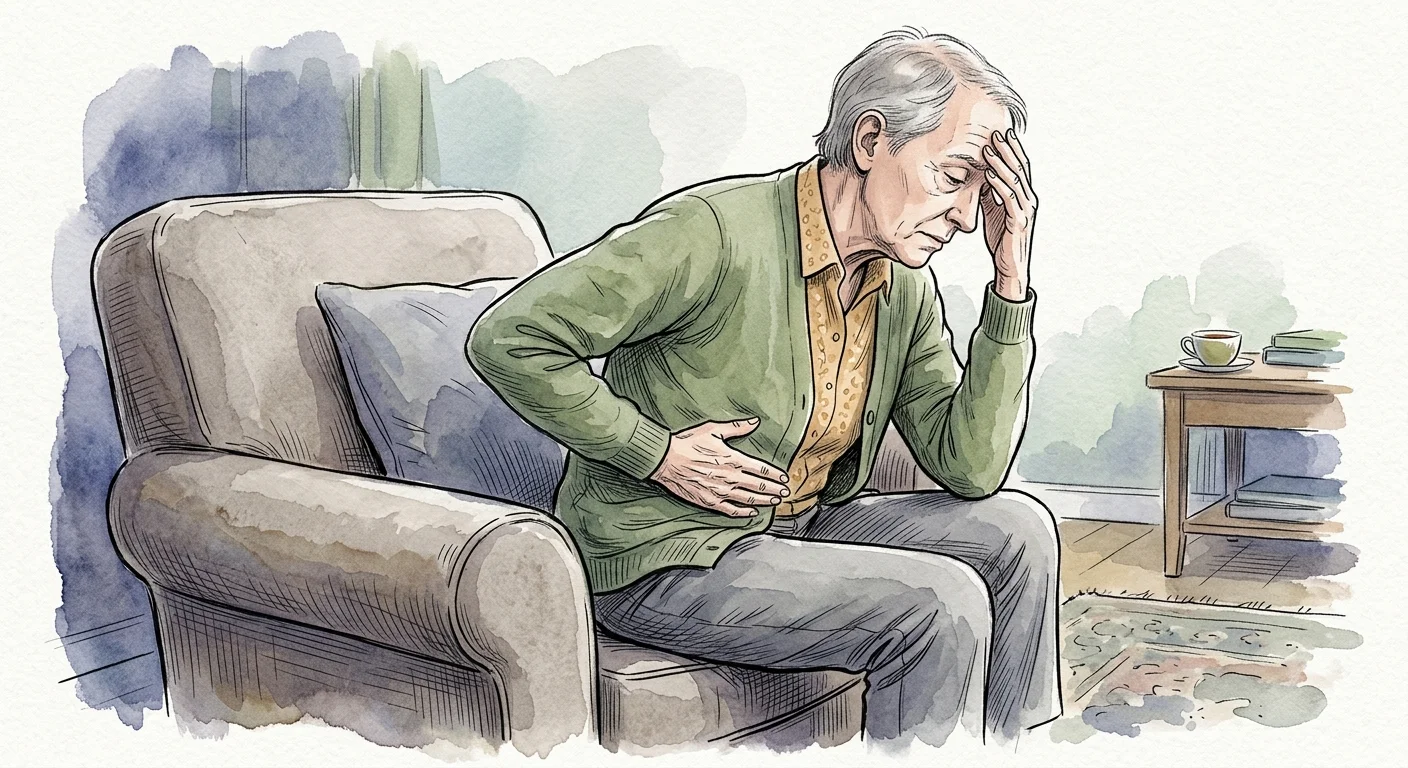
Your liver sits safely tucked beneath your rib cage on the right side of your body. Because the liver itself lacks nerve endings, you will not feel sharp, internal pain from the organ directly. Instead, as fat continuously builds up, the liver physically swells and stretches the thin, sensitive capsule surrounding it. This stretching produces a persistent, dull ache or an uncomfortable feeling of fullness in your upper right abdomen. You might notice this heavy sensation primarily after eating a large meal or when you bend forward to tie your shoes. Paying close attention to this localized discomfort helps you catch liver enlargement early.
3. Elevated Liver Enzymes on Routine Blood Panels
Often, the very first sign of a fatty liver appears not in a physical symptom, but on a piece of paper during your annual physical. When liver cells become inflamed or damaged by excess fat, they leak specific enzymes—namely ALT and AST—directly into your bloodstream. Your healthcare provider checks for these elevated enzymes through a standard comprehensive metabolic blood panel. Because fatty liver disease typically operates silently in its initial stages, maintaining a schedule of routine blood work remains your strongest defense. Identifying elevated enzymes gives you a clear, objective warning signal long before visible physical symptoms ever begin to surface.
4. Sudden and Unintentional Weight Loss
While carrying excess body weight frequently contributes to the development of a fatty liver, the later stages of liver disease often trigger rapid, entirely unintentional weight loss. As your liver function steadily declines, your body loses its ability to properly metabolize and absorb essential nutrients from the food you consume. Furthermore, chronic liver inflammation heavily suppresses your appetite, making eating feel like a burdensome chore rather than a pleasure. If you find your clothes suddenly fitting loosely or the numbers on the scale dropping without any deliberate changes to your diet or exercise routine, you must bring this to your doctor’s immediate attention.
5. Yellowing of the Skin and the Whites of the Eyes (Jaundice)
Jaundice represents a severe and highly visible warning sign indicating advanced liver distress. Your liver continuously processes bilirubin, a yellowish pigment created during the normal breakdown of old red blood cells. When fat and scar tissue severely impede your liver’s function, this pigment backs up and rapidly accumulates in your bloodstream. Eventually, the excess bilirubin seeps into your surrounding tissues, turning the whites of your eyes and your skin a distinct yellow hue. Recognizing jaundice requires urgent medical evaluation, as it strongly suggests your fatty liver disease has progressed beyond simple fat accumulation into substantial liver impairment.
6. Uncomfortable Swelling in the Legs, Ankles, and Abdomen
As liver damage progresses, it dramatically increases the blood pressure within the primary vein carrying blood to your liver—a condition known as portal hypertension. This intense pressure forces clear fluid to leak out of your blood vessels and pool in other areas of your body. Gravity naturally pulls this excess fluid down into your feet, ankles, and lower legs, causing tight, uncomfortable swelling known as edema. In more severe cases, fluid also rapidly accumulates directly within your abdominal cavity, creating a tight, heavily distended belly called ascites. This fluid retention makes walking difficult and places dangerous stress on your aging heart.
7. Noticeable Changes in Urine and Stool Color
Paying close attention to your bathroom habits offers surprisingly accurate insights into your liver function. The same bilirubin backup that causes jaundice also drastically alters the color of your bodily waste. High levels of bilirubin filtered through your kidneys will turn your urine a dark, concentrated amber or brownish color, resembling dark tea or cola, even when you drink plenty of water. Conversely, because a damaged liver struggles to release the bile necessary to digest fats, your stool may lose its normal brown coloring. Passing pale, clay-colored, or excessively greasy stool serves as a major red flag for impaired bile flow and liver dysfunction.
8. Unusually Itchy Skin that Disrupts Sleep
Severe, unrelenting skin itching—medically termed pruritus—frequently accompanies liver disease. When your liver fails to properly filter toxins and process bile, bile salts aggressively accumulate just beneath the surface of your skin. This buildup triggers intense itching that typical moisturizing lotions or topical creams cannot soothe. The itching often targets the palms of your hands and the soles of your feet, and it notoriously worsens during the late evening and nighttime hours. Consequently, this persistent discomfort drastically disrupts your sleep patterns, compounding the profound fatigue you already experience from the underlying liver inflammation.
9. Increased Tendency to Bruise and Bleed Easily
Your liver holds the critical responsibility of manufacturing the specific proteins your blood requires to clot properly. When fatty deposits and subsequent scar tissue compromise the liver’s natural manufacturing capabilities, your production of these vital clotting factors plummets. You might begin noticing large, dark bruises appearing on your arms and legs from incredibly minor bumps or pressure. Additionally, you may experience frequent nosebleeds, bleeding gums while brushing your teeth, or small cuts that take an unusually long time to stop bleeding. For seniors naturally prone to thinning skin, this sudden increase in bruising requires immediate medical investigation.
10. Cognitive Changes, Memory Lapses, and Confusion
Perhaps the most alarming sign of advanced fatty liver disease involves noticeable changes in your mental clarity and cognitive function. A failing liver loses its ability to filter dangerous neurotoxins—particularly ammonia—out of your bloodstream. These unfiltered toxins freely travel to your brain, crossing the blood-brain barrier and disrupting normal neurological function. This condition, called hepatic encephalopathy, causes confusion, severe forgetfulness, drastically shortened attention spans, and personality changes. Tragically, in older adults, these critical warning signs frequently go misdiagnosed as the early onset of dementia or Alzheimer’s disease, significantly delaying life-saving liver treatments.

Key Considerations for Seniors
Aging introduces a unique set of physiological challenges that directly influence how your body handles fatty liver disease. As you cross into your sixties and beyond, your liver naturally loses up to forty percent of its overall volume, and the vital blood flow directed to the organ gradually decreases. This age-related physical reduction means your liver possesses less functional capacity to metabolize fats and filter daily toxins compared to your younger years. Consequently, a volume of liver fat that might remain manageable for a younger adult can rapidly trigger severe inflammation and aggressive scarring in an aging liver.
Furthermore, muscle loss—medically known as sarcopenia—plays a massive, often overlooked role in liver health for older adults. Healthy muscle tissue acts as your body’s primary sink for absorbing excess glucose from your bloodstream. As you naturally lose muscle mass with age, that unabsorbed glucose diverts straight to your liver, where it rapidly converts into newly stored fat. This vicious cycle exacerbates insulin resistance and accelerates liver fat accumulation. You must also consider the reality of polypharmacy; seniors frequently take multiple daily prescription medications to manage blood pressure, cholesterol, or chronic pain. A fatty, inflamed liver processes these drugs much slower, significantly increasing your risk of accidental medication toxicity and dangerous drug interactions.
Benefits and Potential Risks of Intervention
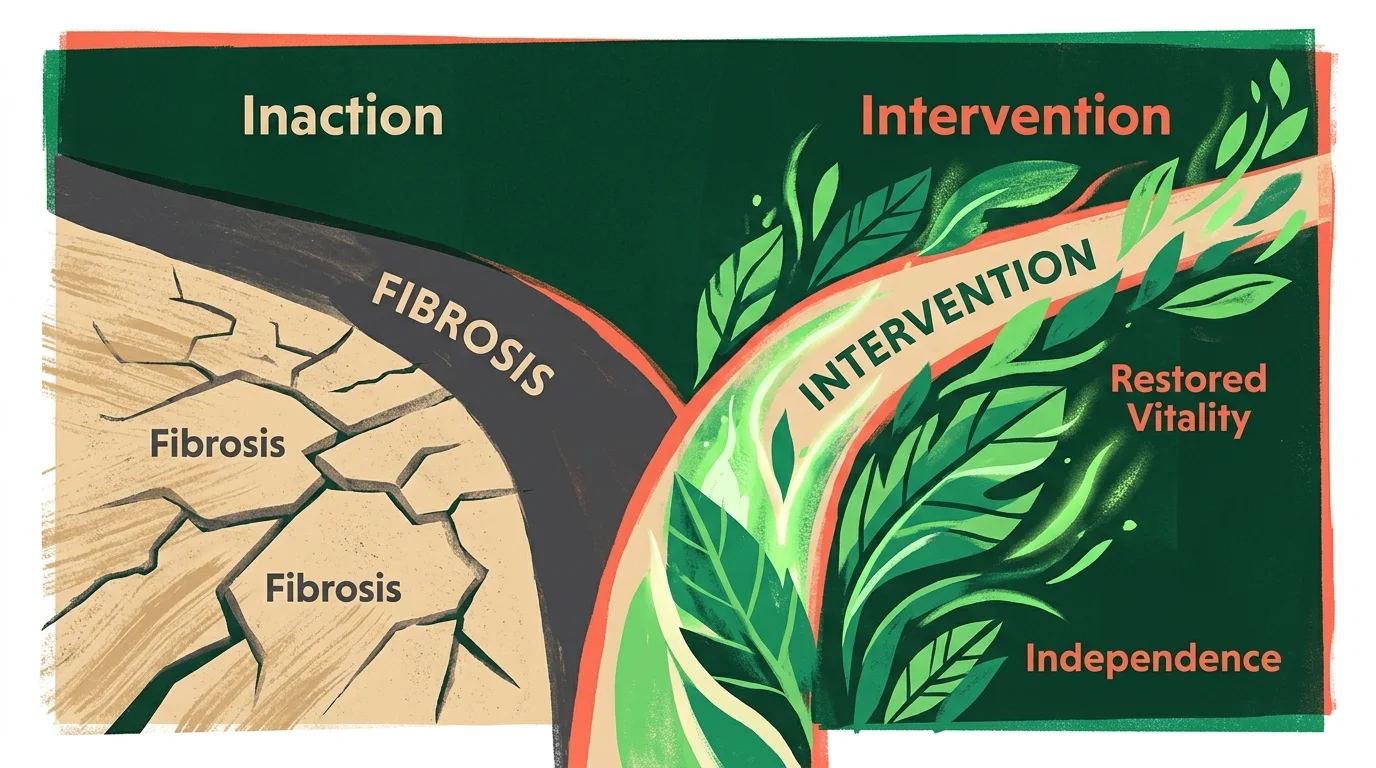
Taking immediate action to address a fatty liver yields incredibly powerful benefits for your longevity and independence. The human liver boasts an astonishing, almost miraculous ability to regenerate itself. Unlike many other organs, your liver can completely heal and rebuild healthy tissue even if significant fat accumulation has already occurred. By identifying the signs early and implementing targeted lifestyle changes, you can completely reverse simple fatty liver disease. Beyond healing the liver itself, the exact same steps you take to reduce liver fat simultaneously lower your blood pressure, stabilize your blood sugar, and drastically reduce your risk of suffering a catastrophic heart attack or stroke.
However, ignoring the signs carries severe, potentially irreversible risks. If left unmanaged, the chronic inflammation driven by a fatty liver inevitably progresses to cirrhosis—a state where permanent scar tissue completely chokes out healthy liver cells. Once cirrhosis takes hold, the damage becomes permanent, and your risk for liver failure and liver cancer skyrockets. Most critically, medical data reveals that adults with fatty liver disease are far more likely to pass away from underlying cardiovascular disease than from liver failure itself. The systemic inflammation originating in your liver directly attacks your heart and blood vessels, making early intervention an absolute necessity for your overall survival.

What the Experts Say
Leading global health authorities present a unified, heavily researched consensus regarding the management of fatty liver disease. According to guidelines supported by the National Institutes of Health, weight management remains the absolute gold standard for treating a fatty liver. Clinical studies show that losing just seven to ten percent of your total body weight actively pulls stored fat out of your liver cells and dramatically halts ongoing cellular inflammation.
Experts at the Mayo Clinic strongly advocate for a dietary transition toward the Mediterranean eating pattern. This specific approach prioritizes healthy fats, lean proteins, and complex carbohydrates while aggressively eliminating added sugars and highly processed foods. The emphasis on plant-based foods provides your liver with the exact antioxidants required to repair cellular damage. Additionally, public health researchers at the Centers for Disease Control and Prevention stress the vital importance of strictly limiting or completely avoiding alcohol consumption if you have any degree of liver fat. Because your liver already struggles under the burden of metabolic stress, introducing alcohol forces the organ to process a highly toxic substance, vastly accelerating the progression of dangerous scar tissue.

Practical Steps and Actionable Advice
First, immediately focus your efforts on intentional nutritional adjustments to support your liver’s natural healing process. You must systematically eliminate high-fructose corn syrup, refined white breads, and sugary beverages from your daily routine, as your liver rapidly converts these simple sugars directly into stubborn fat. Instead, fill your plates with high-fiber vegetables, dark leafy greens, and foods rich in omega-3 fatty acids, such as wild-caught salmon and walnuts. These specific nutrients actively cool down internal inflammation and provide your liver with the essential building blocks required for rapid cellular regeneration.
Next, prioritize consistent, purposeful physical activity to burn away the dangerous fat stored inside your organs. You do not need to engage in intense, exhausting workouts to see massive benefits; instead, aim for one hundred and fifty minutes of brisk walking or swimming each week to improve your metabolic function. Crucially, you must incorporate light resistance training—using resistance bands or small dumbbells—two to three times a week. Rebuilding your lost muscle mass gives your body a healthy place to store circulating blood sugar, effectively keeping it out of your vulnerable liver.
Furthermore, establish a transparent, collaborative relationship with your primary care physician regarding your liver health. Request a comprehensive medication review to ensure none of your current prescriptions or over-the-counter pain relievers are inadvertently stressing your liver. You should also explicitly ask your doctor to order a standard liver enzyme blood panel or a specialized ultrasound known as a FibroScan. These painless, non-invasive tests provide a clear, accurate baseline of your liver fat and tissue stiffness, allowing you to track your healing progress over time.
Finally, fiercely protect your sleep hygiene and daily hydration levels. Your liver performs its most intense detoxification and cellular repair work while you sleep deeply at night. Aim for seven to eight hours of uninterrupted rest by keeping your bedroom cool and avoiding glowing screens before bed. Complement this rest by drinking plenty of clean, filtered water throughout your day. Proper hydration keeps your blood thin and easily manageable, drastically reducing the overall workload placed on your liver’s delicate filtration systems.
Frequently Asked Questions
Can a fatty liver be completely reversed in older adults?
Yes, you can absolutely reverse simple fatty liver disease, regardless of your age. Because the liver possesses unique regenerative properties, eliminating the root causes—such as poor diet, excess weight, and a sedentary lifestyle—allows the organ to shed the accumulated fat and heal inflamed tissue. However, this reversal is only possible if you take action before the condition progresses into permanent cirrhosis or severe scarring.
Are there specific foods that seniors should entirely avoid?
You must strictly avoid foods laden with high-fructose corn syrup and heavily processed trans fats, as your liver struggles immensely to process these synthetic ingredients. Sugary sodas, commercial baked goods, processed deli meats, and deep-fried foods force your liver into overdrive, triggering immediate fat storage and aggressive inflammation. Eliminating these items provides the fastest route to reducing your liver’s daily metabolic burden.
Does drinking coffee genuinely protect liver health?
Extensive scientific research confirms that drinking black coffee provides massive protective benefits for your liver. Coffee contains potent antioxidants and anti-inflammatory compounds that actively prevent fat accumulation and slow the development of liver scar tissue. To reap these specific benefits, you should consume regular, caffeinated coffee without adding heavy sugary syrups, artificial creamers, or excessive amounts of dairy.
How rapidly does fatty liver disease progress?
Fatty liver disease typically progresses very slowly, often developing silently over the course of years or even decades. However, specific lifestyle factors—such as sudden weight gain, the onset of uncontrolled type 2 diabetes, or heavy alcohol consumption—can rapidly accelerate this timeline. Regular medical monitoring ensures you catch the disease in its slow-moving, entirely reversible early stages.
Can routine prescription medications contribute to liver fat?
Yes, certain common medications can inadvertently contribute to liver strain and fat accumulation. Long-term use of specific corticosteroids, synthetic estrogens, and certain cardiovascular drugs demand heavy processing by your liver. You must never stop taking prescribed medications on your own; instead, schedule an appointment with your doctor to review your pill regimen and explore liver-friendly alternatives if necessary.
Moving Forward with Confidence
Your liver stands as one of the most resilient and hardworking organs in your body. While the prospect of fatty liver disease may initially sound frightening, understanding the physical signs provides you with an incredible advantage. Whether you notice sudden fatigue, a dull ache in your side, or changes in your routine blood work, you now possess the knowledge required to take immediate, highly effective action. By adopting liver-friendly nutritional habits, rebuilding your muscle mass, and working closely with your medical provider, you can entirely reverse early liver damage. Trust in your body’s profound ability to heal, and take those vital first steps today to secure a vibrant, healthy, and independent future.
This article is intended for informational and educational purposes only and is not a substitute for professional medical advice, diagnosis, or treatment. Always consult with a qualified healthcare provider regarding any health concerns or before making any decisions related to your health or treatment.