Protecting your smile means avoiding the most tooth damaging beverages that silently erode your enamel and accelerate decay. As you age, your dental defense naturally weakens, making you highly susceptible to the sugar and acid hiding in your favorite daily drinks. You can maintain a strong, pain-free bite well into your later years by simply swapping out these six acidic and sugary offenders. For adults over sixty, declining saliva production and receding gums turn everyday beverages into serious threats for rapid tooth deterioration. Addressing these dietary habits now prevents painful dental procedures and preserves your overall health, allowing you to enjoy your meals and conversations with absolute confidence and comfort.
Understanding the Basics of Dental Health Drinks
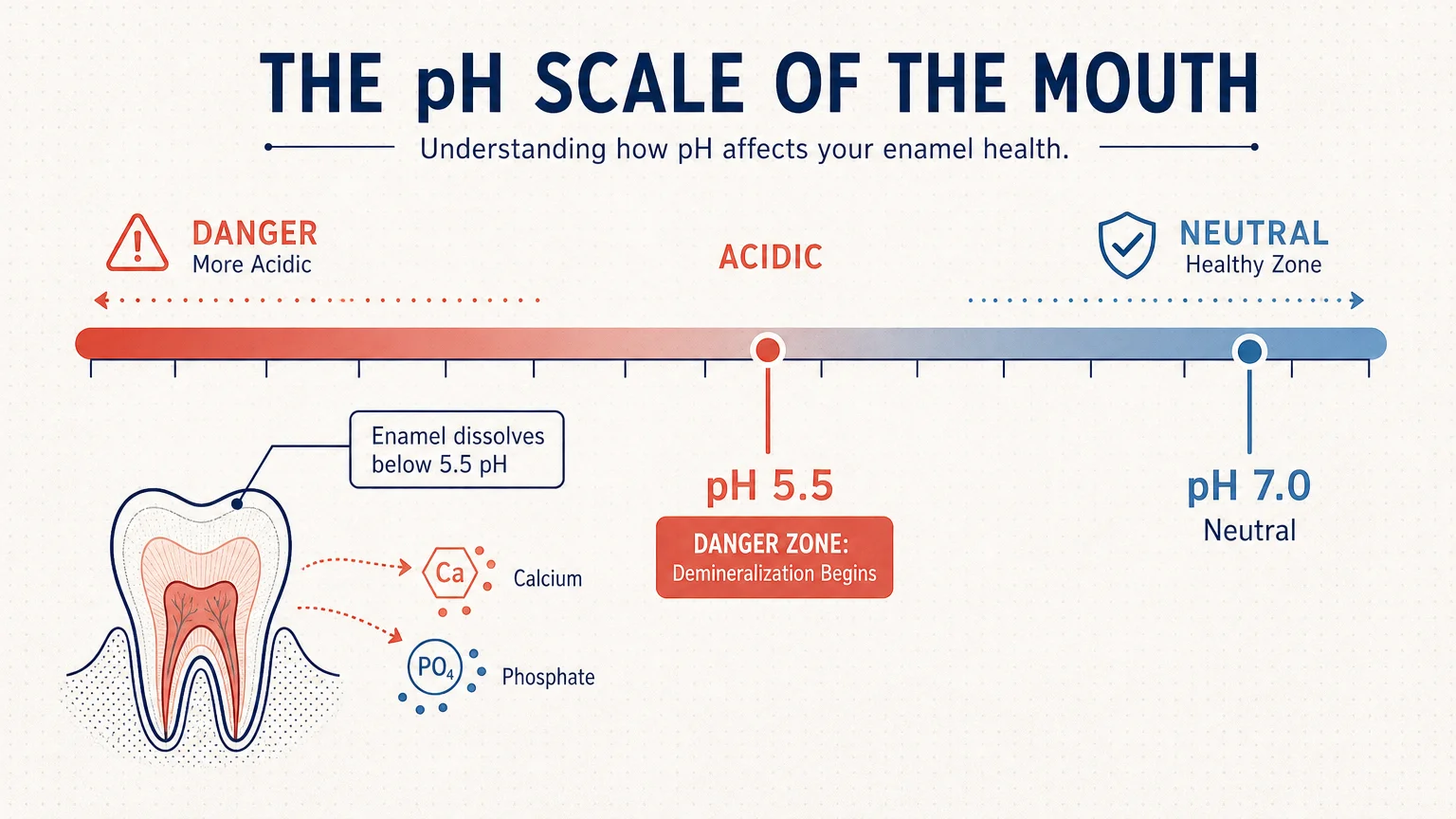
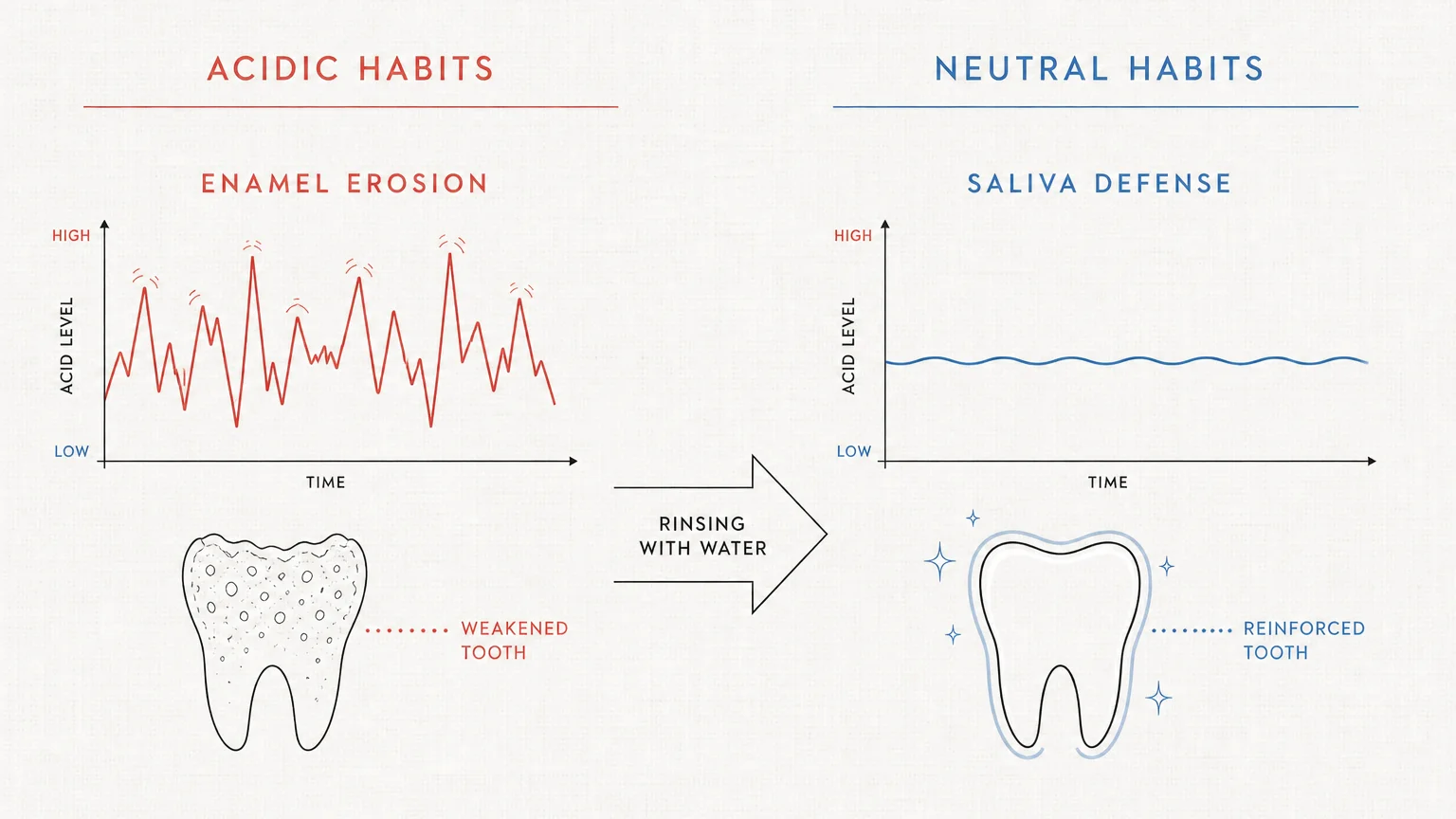
Your teeth rely on a delicate chemical balance to stay strong and functional over a lifetime. The outermost layer of your teeth, known as enamel, stands as the hardest substance in the human body; however, it possesses a severe vulnerability to dietary acids. Every time you take a sip of an acidic or sugary drink, you alter the pH level of your mouth. A neutral oral environment rests at a pH of about 7.0, but when that level drops below 5.5, a process called demineralization begins. During demineralization, your enamel actually starts to dissolve, stripping away crucial minerals like calcium and phosphate.
Liquid threats often cause more extensive damage than solid foods because liquids flow freely into every microscopic groove and crevice of your mouth. When you chew a piece of candy, the sugar mostly interacts with the chewing surfaces of your teeth. Conversely, when you drink a sugary or highly acidic beverage, the liquid washes over your entire dental arch, seeping between your teeth and settling along the gumline. This total-coverage effect feeds the naturally occurring bacteria in your mouth, specifically Streptococcus mutans. These bacteria consume the residual sugars from your drinks and excrete lactic acid as a byproduct, effectively launching a secondary acid attack on your already weakened enamel.
You might assume that brushing immediately after enjoying your favorite beverage will solve the problem, but this instinct actually accelerates the damage. Because the acid softens your enamel temporarily, brushing too soon literally scrubs away the protective outer layer of your teeth. Understanding this interplay between acid, sugar, and timing gives you the fundamental knowledge needed to protect your smile. You hold the power to dictate your oral health simply by making informed choices about what you pour into your glass.
Key Considerations for Seniors
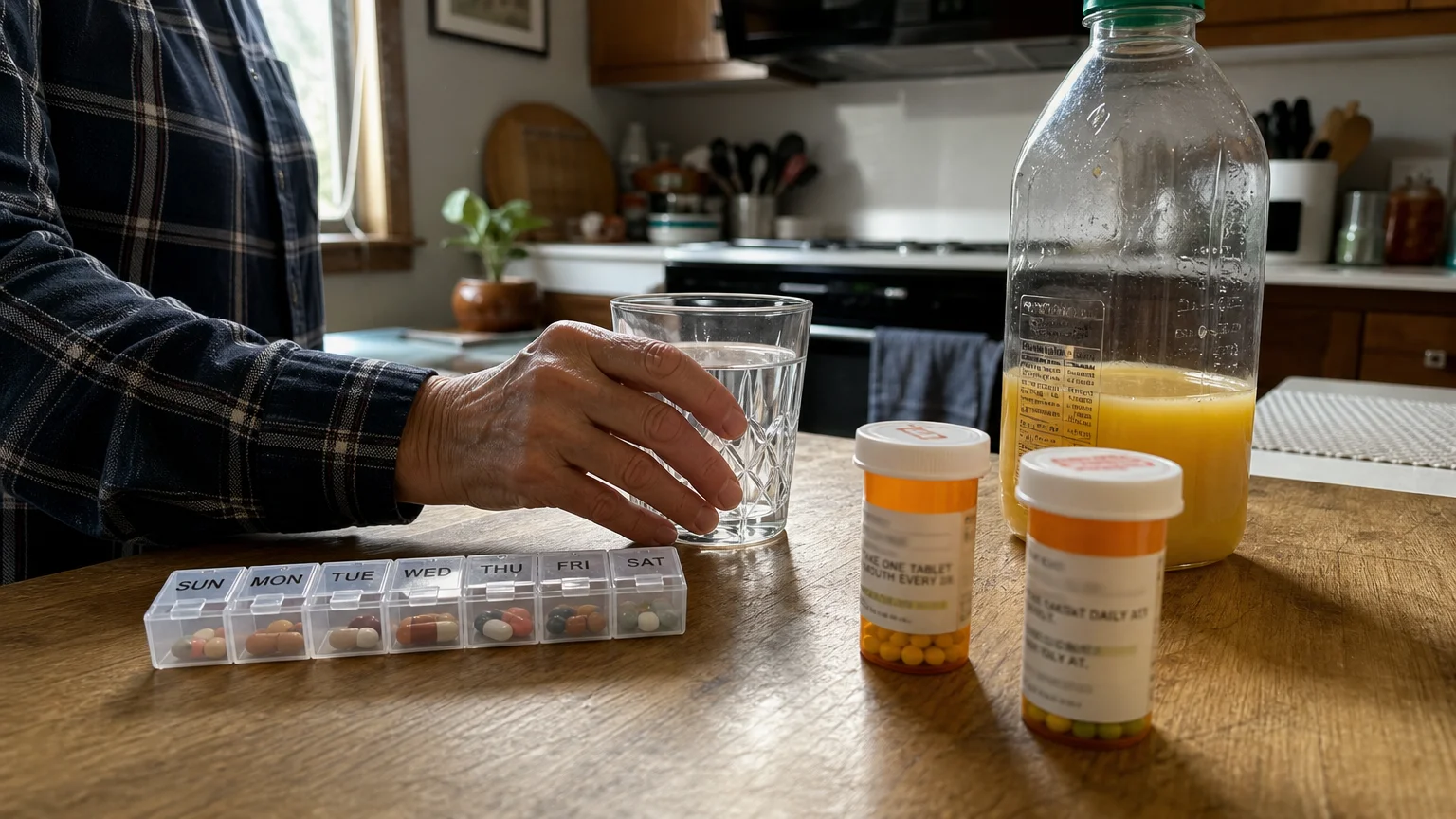
Aging introduces profound changes to your oral cavity that drastically alter how your body handles tooth damaging beverages. The most significant shift involves your salivary glands. Saliva acts as your mouth’s primary defense mechanism—it washes away food particles, dilutes dietary acids, and deposits essential minerals back into your enamel. Unfortunately, saliva production naturally decreases as you get older. Furthermore, many seniors take multiple prescription medications daily for blood pressure, cholesterol, or chronic pain. A staggering number of these medications list dry mouth, clinically known as xerostomia, as a primary side effect. Without a robust flow of saliva, acidic and sugary drinks linger on your teeth much longer, inflicting exponentially more damage than they would in a younger, well-hydrated mouth.
Gum recession represents another critical factor for older adults. Decades of brushing, flossing, and natural physiological changes often cause your gum tissue to pull back, exposing the roots of your teeth. Unlike the crowns of your teeth, which feature a thick shield of enamel, your dental roots are covered by a substance called cementum. Cementum and the underlying dentin are significantly softer and more porous than enamel. When sugary or acidic drinks wash over exposed tooth roots, decay takes hold at an alarming speed. Root cavities develop rapidly and often progress close to the dental nerve before you even notice them, leading to extreme pain and complex root canal therapies.
Your lifelong dental history also plays a role in your current risk profile. After sixty or more years of chewing, grinding, and biting, your enamel naturally thins out. This cumulative wear and tear leaves less protective material between the harsh environment of your mouth and the sensitive inner nerves of your teeth. Consequently, exposing your aging teeth to harsh dietary chemicals accelerates the breakdown of whatever protective layers you have left. By recognizing your heightened vulnerability, you can adapt your beverage habits to preserve your natural teeth and avoid the frustration of extensive dental restorations.
The Six Drinks That Damage Your Teeth
Sugary Carbonated Sodas
Standard carbonated sodas unleash a devastating two-pronged attack on your teeth. First, they contain astronomical amounts of refined sugars—often exceeding the total recommended daily allowance in a single serving. This intense sugar payload provides an absolute feast for the decay-causing bacteria in your mouth. Second, sodas derive their signature tang and long shelf life from added phosphoric and citric acids. Phosphoric acid aggressively leaches calcium from your enamel. When you sip on a regular soda throughout the afternoon, you essentially bathe your teeth in a highly acidic sugar syrup, guaranteeing rapid enamel degradation and rampant cavity formation.
Diet Sodas and Sparkling Waters
You might switch to diet sodas or flavored sparkling waters to avoid sugar, believing you have made a healthier choice for your mouth. Unfortunately, sugar-free carbonated beverages still present a massive threat to your dental integrity. The carbonation process itself creates carbonic acid, which lowers the pH of the beverage. More importantly, manufacturers heavily load diet sodas with citric, tartaric, and phosphoric acids to replicate the sharp flavor profile of traditional sodas. While you eliminate the sugar-feeding cycle of bacterial decay, you still subject your teeth to intense chemical erosion. Over time, drinking diet soda causes your teeth to appear yellow and translucent as the white enamel dissolves, exposing the yellowish dentin underneath.
Fruit Juices
Many seniors drink a large glass of fruit juice every morning under the assumption that it supports their overall health. While pure fruit juices do offer essential vitamins, they also deliver highly concentrated doses of natural fruit sugars and powerful organic acids. Citrus juices, such as orange, grapefruit, and lemon juice, rank among the most erosive liquids you can consume. The citric acid found in these beverages drops your oral pH dramatically. Furthermore, because the fiber of the whole fruit is stripped away during the juicing process, the natural fructose absorbs quickly, leaving a sticky, sugary film across your teeth. Consuming fruit juice daily slowly eats away at your enamel, leading to significant temperature sensitivity.
Sports and Energy Drinks
Active older adults who participate in golf, tennis, or regular gym sessions often turn to sports drinks to replace lost electrolytes. Similarly, energy drinks market themselves as the perfect solution for a mid-afternoon fatigue slump. Dental professionals universally dread these beverages. Sports and energy drinks feature incredibly high concentrations of hidden sugars and harsh flavor-enhancing acids. They also tend to have a thicker, more viscous consistency than water or soda, allowing the liquid to cling stubbornly to the surfaces of your teeth long after you swallow. The prolonged contact time makes energy and sports drinks notoriously efficient at causing deep, painful cavities.
Alcohol and Wine
An evening glass of wine or a casual cocktail carries hidden consequences for your dental health. Alcohol inherently acts as a diuretic, pulling moisture from your body and drastically reducing your saliva production. A dry mouth loses its ability to neutralize acids effectively. Wine specifically poses a double threat; both red and white varieties are highly acidic. White wine aggressively etches the enamel, leaving a rough surface. Red wine contains heavy pigments known as chromogens, alongside organic compounds called tannins. The tannins bind the dark pigments directly to the newly etched, roughened enamel, resulting in severe, stubborn discoloration that standard toothpaste cannot remove. Mixed cocktails also frequently incorporate sugary syrups and acidic fruit juices, compounding the localized damage.
Sweetened Coffees and Teas
Coffee and tea represent staple morning rituals, but how you prepare them dramatically alters their impact on your oral health. Black coffee and plain tea are naturally slightly acidic and contain high levels of tannins, which heavily stain your teeth over time. The real danger arises when you add copious amounts of sugar, flavored syrups, or sweetened creamers to your mug. Because most people sip their hot beverages slowly over the course of an hour or more, you constantly reintroduce sugar and acid into your mouth. This slow-sipping habit prevents your saliva from ever returning your oral pH to a safe, neutral level, leaving your teeth in a constant state of chemical vulnerability.
Benefits and Potential Risks of Modifying Your Beverage Habits
Transforming your daily drinking habits yields incredible benefits that extend far beyond a brighter smile. By eliminating highly acidic and sugary beverages, you actively halt the progression of enamel erosion and dramatically lower your risk of developing painful root cavities. You will likely experience a significant reduction in tooth sensitivity, allowing you to comfortably enjoy hot soups and cold treats without wincing. Furthermore, the financial benefits are undeniable. Preventive choices at home directly translate to fewer expensive fillings, crowns, and root canals during your dental checkups.
Protecting your oral health also bolsters your systemic well-being. Rampant tooth decay frequently leads to chronic oral infections and severe gum disease. When harmful oral bacteria enter your bloodstream through bleeding gums, they increase systemic inflammation. This inflammation complicates the management of type 2 diabetes and elevates your risk for cardiovascular issues. By choosing tooth-friendly drinks, you actively support your heart health and metabolic stability.
You may encounter a few temporary hurdles when adjusting your beverage routine. If you regularly consume caffeinated sodas or sweetened coffees, suddenly stopping can trigger mild withdrawal symptoms, including headaches and irritability. You might also find plain water exceptionally bland at first, making it difficult to stay adequately hydrated. Navigating these minor inconveniences requires patience. You can successfully manage these adjustments by slowly tapering your caffeine and sugar intake rather than stopping abruptly, giving your palate and your body ample time to adapt to healthier choices.
What the Experts Say About Tooth Damaging Beverages
Leading global health authorities present a unified stance on the destruction caused by sugary and acidic beverages. The World Health Organization strongly advocates for stringent limits on free sugars, explicitly identifying sugar-sweetened beverages as a primary driver of dental caries—the clinical term for tooth decay—across all age groups. Their extensive research confirms that the frequency of sugar consumption directly correlates with the severity of dental deterioration over a person’s lifespan.
Similarly, the Centers for Disease Control and Prevention highlights the severe impact of frequent acidic beverage consumption on older adults, noting that untreated cavities can lead to severe infections, tooth loss, and diminished quality of life. They emphasize that maintaining natural teeth longer requires vigilant dietary management and consistent hydration with fluoridated water.
Clinical guidance from the National Institutes of Health reinforces the critical role of saliva in buffering acids and preventing decay, warning that older adults experiencing medication-induced dry mouth face exponential dental risks when consuming acidic drinks. Moreover, the Mayo Clinic advises patients to drastically reduce their intake of sodas, sports drinks, and fruit juices, recommending that individuals substitute these erosive liquids with plain water or unflavored dairy milk to actively fortify enamel and preserve oral function.
Practical Steps and Actionable Advice for Your Daily Routine
You do not have to achieve perfect dietary habits overnight; small, consistent changes drastically improve your dental outcomes. First, prioritize water as your primary beverage of choice. Drinking fluoridated water throughout the day consistently washes away food debris, dilutes lingering acids, and artificially stimulates your swallowing reflex, which helps combat age-related dry mouth. If you struggle with the lack of flavor, try infusing your water with a few cucumber slices or fresh mint leaves to provide a refreshing taste without introducing dangerous acids or sugars.
When you do choose to indulge in a damaging beverage, change your delivery method. Use a wide, reusable straw and position the tip toward the back of your mouth. This simple physical bypass prevents the concentrated liquid from washing directly over the front surfaces of your teeth. Additionally, try to consume your sugary or acidic drinks quickly rather than sipping them over a prolonged period. Drinking a glass of juice in ten minutes causes far less sustained damage than sipping that same glass of juice over two hours, as it limits the duration of the acid attack on your enamel.
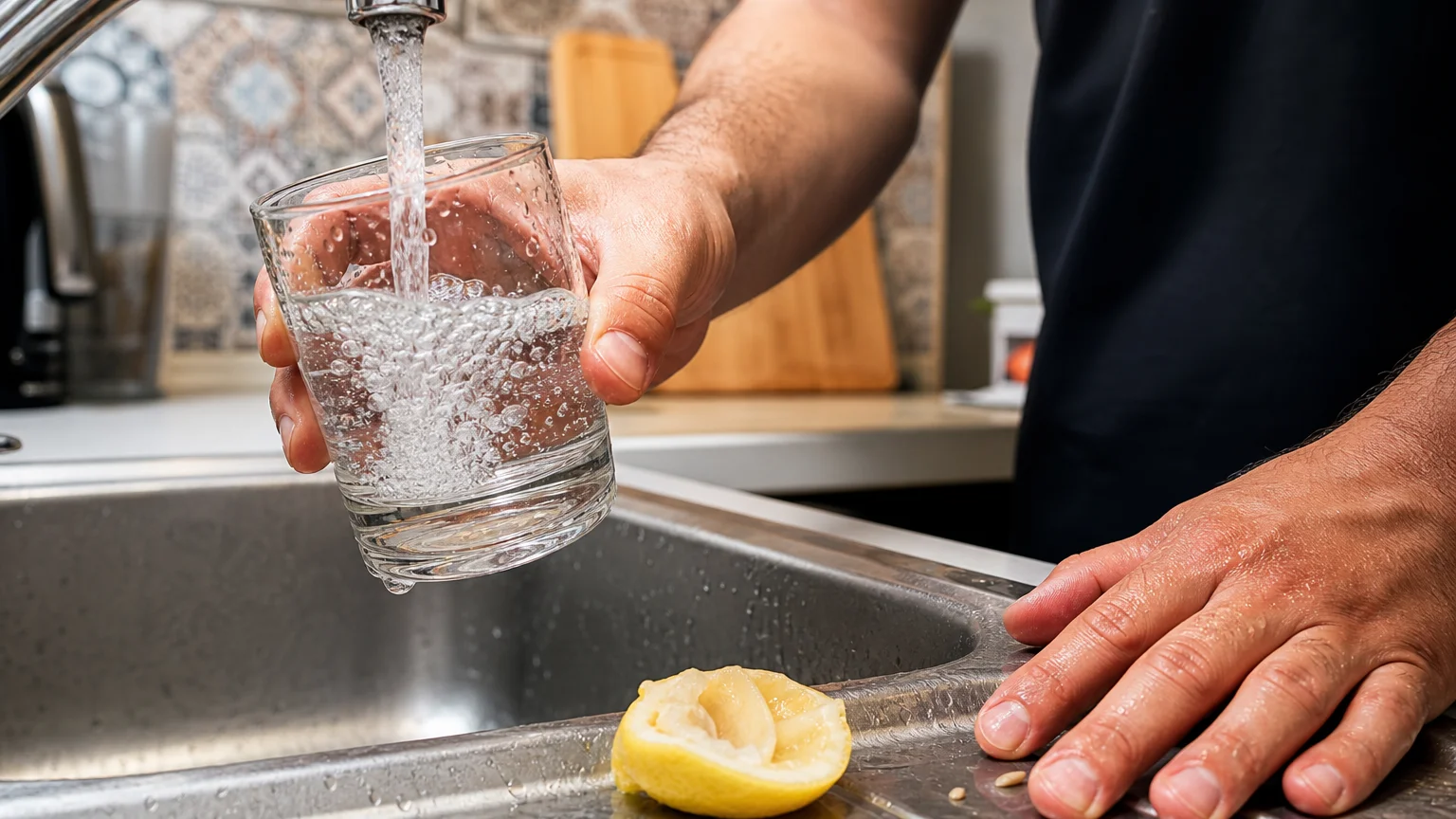
Timing your oral hygiene routine also requires careful attention. After drinking coffee, wine, or soda, vigorously rinse your mouth with plain tap water to help neutralize the pH levels quickly. Resist the urge to brush your teeth immediately. You must wait at least thirty to forty-five minutes before using a toothbrush. This waiting period allows your natural saliva to remineralize and harden your enamel, preventing your toothbrush bristles from mechanically scraping away the softened outer layer of your teeth. Finally, chew a piece of sugar-free gum containing xylitol after enjoying a sweetened beverage. Xylitol actively inhibits the growth of decay-causing bacteria while stimulating a heavy flow of protective saliva.
Frequently Asked Questions
Is sparkling water bad for my teeth?
Sparkling water occupies a middle ground. Unflavored sparkling water contains carbonic acid, making it slightly more acidic than flat tap water, but it remains significantly safer than soda or fruit juice. However, flavored sparkling waters often contain added citric acid for taste, which aggressively erodes enamel. If you enjoy sparkling water, stick to the unflavored varieties and drink them alongside meals rather than sipping them alone throughout the day.
Does drinking through a straw really help?
Yes, utilizing a straw genuinely mitigates damage, provided you use it correctly. By placing the straw past your front teeth and directing the liquid straight toward the back of your throat, you minimize the contact time between the harsh beverage and your vulnerable front enamel. While it does not offer perfect protection for your back molars, it drastically reduces the overall surface area exposed to sugar and acid.
How long should I wait to brush after drinking an acidic beverage?
You must wait an absolute minimum of thirty minutes before brushing your teeth after consuming anything acidic. Acid softens the crystalline structure of your enamel. If you apply a stiff toothbrush and abrasive toothpaste during this vulnerable window, you will inflict permanent micro-abrasions on your teeth. Always rinse with water immediately, but let your saliva do the initial repair work before brushing.
Are there any drinks that actually improve dental health?
Plain, fluoridated tap water stands as the ultimate restorative beverage for your mouth. Dairy milk also offers remarkable benefits; it possesses a neutral pH and carries abundant supplies of calcium and phosphorus, which actively help remineralize damaged enamel. Unsweetened green tea serves as another excellent option, as it contains natural antibacterial properties that help suppress the oral bacteria responsible for gum disease and cavities.
Can dental damage from drinks be reversed?
You can reverse the very early stages of acid damage, known as demineralization, through consistent exposure to fluoride, calcium, and robust saliva flow. This process hardens the enamel before a physical hole forms. However, once the acid and bacteria eat completely through the enamel and create a physical cavity, your body cannot heal or regrow that lost tooth structure. At that point, you require professional intervention and a physical filling from your dentist.
Empowering Your Oral Health Journey
Safeguarding your teeth from hidden sugars and harsh acids ranks among the most impactful actions you can take for your daily comfort and long-term health. By identifying the severe damage caused by sodas, juices, sports drinks, alcohol, and sweetened coffees, you empower yourself to make smarter, tooth-friendly substitutions. Acknowledging your aging mouth’s heightened vulnerability to dry mouth and gum recession ensures that you implement practical habits, like utilizing straws and timing your brushing correctly, to defend your natural bite. You deserve to enjoy your meals, smile broadly, and live free from dental pain. Take control of your daily hydration habits today, and give your teeth the robust protection they require to serve you beautifully for the rest of your life.
This article is intended for informational and educational purposes only and is not a substitute for professional medical advice, diagnosis, or treatment. Always consult with a qualified healthcare provider regarding any health concerns or before making any decisions related to your health or treatment.