Protecting your cognitive health requires strategic nutritional choices that deliver immediate and long-term benefits to your aging brain. By incorporating specific memory-enhancing foods into your daily meals, you can actively combat oxidative stress, reduce inflammation, and support neuroplasticity—the brain’s ability to form new neural connections. Adults over sixty face unique metabolic challenges that make dietary interventions particularly crucial for maintaining sharp recall and mental clarity. Natural compounds found in everyday ingredients offer a scientifically backed approach to preserving your independence and quality of life. This guide explores how targeted nutrition influences cognitive function, highlighting seven powerful foods that protect your memory while addressing the specific physiological changes associated with healthy aging.
Understanding the Basics
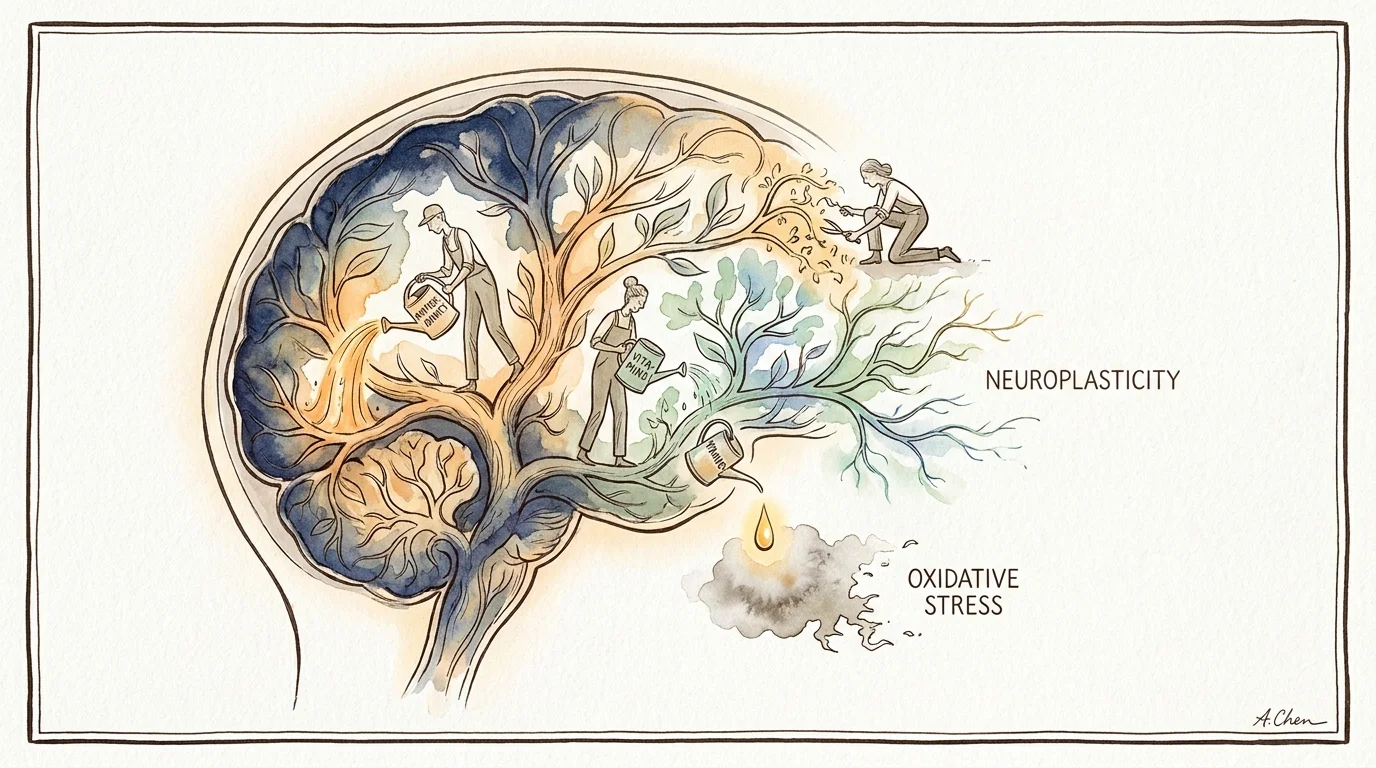
Your brain serves as the ultimate control center for your entire body; it requires a constant, high-quality supply of fuel to function optimally. This fuel comes directly from the foods you consume every day. When you eat nutrient-dense, whole foods, you provide your brain with the exact vitamins, minerals, and antioxidants it needs to build robust new cells and protect existing neural networks from daily wear and tear. Medical professionals frequently discuss this protective process in the context of combating oxidative stress. Oxidative stress occurs when unstable, harmful molecules called free radicals accumulate in your body and brain. These free radicals damage delicate cellular membranes and contribute significantly to cognitive decline. Antioxidant-rich foods neutralize these free radicals, effectively shielding your brain tissue from premature aging and functional degradation.
Furthermore, your daily nutrition directly influences neuroplasticity. Neuroplasticity refers to your brain’s remarkable ability to adapt, reorganize itself, and form new neural connections throughout your entire lifespan. For decades, scientists mistakenly believed that the adult brain remained static after a certain age. Modern neurological research proves otherwise; your brain continuously remodels its architecture based on your experiences, your physical environment, and your dietary habits. Specific dietary nutrients facilitate the production of brain-derived neurotrophic factor. This crucial protein supports the survival of your existing neurons and actively encourages the growth and differentiation of new brain cells, ensuring your memory remains agile.
Your digestive system also plays a surprising but fundamental role in memory preservation. The gut-brain axis operates as a complex, bi-directional communication network linking your central nervous system directly to your gastrointestinal tract. This system relies heavily on the quality of your diet. A healthy gut microbiome, fostered by dietary fiber and natural plant nutrients, produces vital neurotransmitters like serotonin and dopamine. These chemicals regulate your mood, govern your attention span, and dictate your overall cognitive focus. By understanding these intricate biological mechanisms, you can begin to view your daily meals not merely as a source of physical energy, but as essential, preventative medicine for your mind.
Key Considerations for Seniors
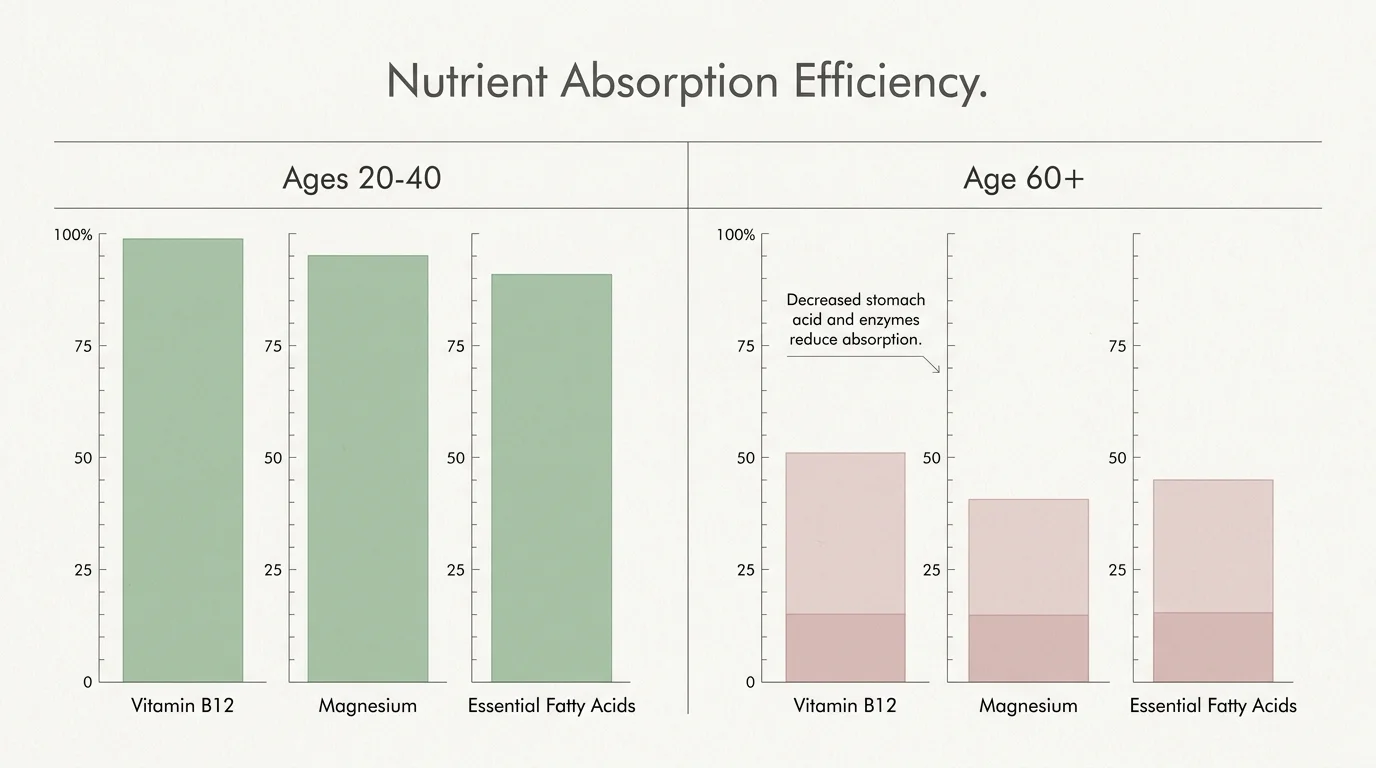
As you enter your sixties and beyond, your body undergoes subtle yet significant physiological changes that alter how you process, absorb, and utilize vital nutrients. One of the primary shifts involves your digestive efficiency. Older adults naturally produce less stomach acid and digestive enzymes, which dramatically decreases the absorption rate of critical brain-supporting nutrients. For example, your ability to extract vitamin B12, magnesium, and essential fatty acids from your food diminishes over time. Consequently, even if you maintain a relatively healthy diet, you might not secure the same level of cognitive benefits from your meals as you did in your thirties. You must deliberately focus on consuming highly bioavailable, nutrient-dense foods to compensate for this naturally reduced digestive capacity.
Additionally, your basal metabolic rate naturally slows down as part of the healthy aging process. Because you require fewer daily calories to maintain your current body weight, every single calorie you choose to consume must pack a more substantial nutritional punch. Filling up on heavily processed foods, refined carbohydrates, or empty calories leaves little physiological room for the complex vitamins and minerals necessary to protect your memory. You face the unique daily challenge of maximizing your nutrient intake while carefully managing a lower caloric threshold. This biological reality makes targeted, highly specific nutritional strategies absolutely crucial for maintaining your long-term cognitive health.
You must also learn to distinguish between normal, age-related memory changes and the early warning signs of severe cognitive decline. Misplacing your house keys occasionally, momentarily forgetting the name of an acquaintance, or pausing to recall a specific word represents a normal, expected part of aging. However, experiencing consistent difficulty retaining newly learned information, getting lost in familiar neighborhoods, or struggling with routine daily tasks warrants much closer medical attention. Your brain tissue naturally shrinks slightly over time, and the volume of blood flowing to your cerebral cortex can decrease. The targeted dietary choices you make today help actively mitigate these physical structural changes. By prioritizing circulation-boosting and anti-inflammatory foods, you ensure your brain receives the steady flow of oxygen and nutrients necessary to maintain sharp recall and robust cognitive function well into your later decades.
Benefits and Potential Risks
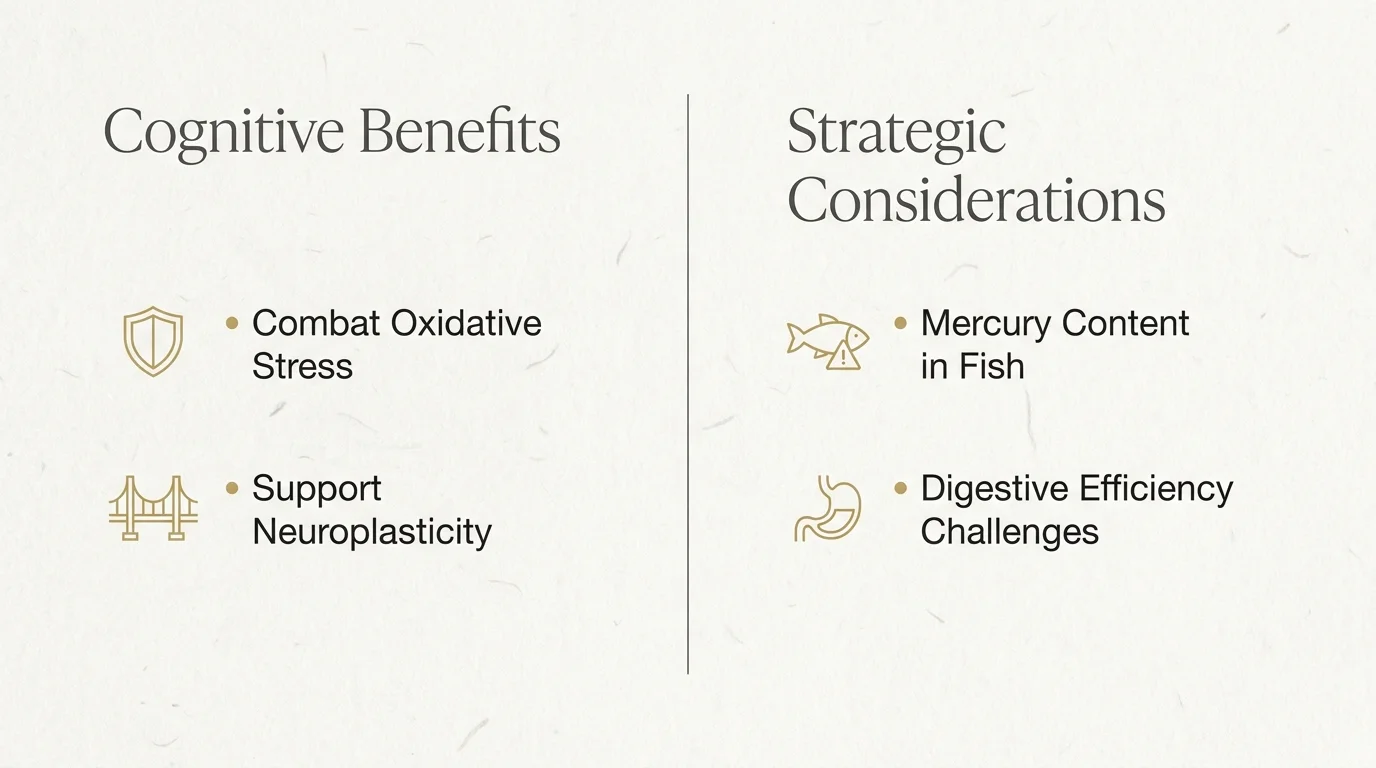
Transitioning to a brain-healthy diet offers profound, wide-ranging physical and mental benefits that extend far beyond simply remembering important names and dates. When you consistently supply your brain with premium nutritional building blocks, you often experience highly enhanced mental stamina, improved daily problem-solving skills, and a significantly more resilient mood. Many older adults report a noticeable reduction in brain fog—that frustrating, heavy feeling of mental sluggishness—within just a few short weeks of adjusting their nutritional habits. Furthermore, robust dietary choices inherently strengthen your immune system, improve your cardiovascular health, and increase your overall daily energy levels. Because your heart and your brain share an incredibly deep vascular connection, foods that keep your arteries clear and your blood pressure stable simultaneously protect your delicate cerebral blood vessels from damage.
Despite these substantial cognitive advantages, you must carefully navigate potential physical risks and consider exactly how specific foods interact with your individual medical profile. The most critical consideration involves dangerous medication interactions. For example, dark leafy green vegetables and certain cruciferous plants contain remarkably high levels of vitamin K. While excellent for supporting brain cell structure, vitamin K directly influences blood clotting mechanisms and can easily interfere with the effectiveness of common blood-thinning medications. You must maintain a steady, consistent intake of these specific foods and coordinate directly with your healthcare provider to ensure your prescription medication dosage perfectly matches your dietary habits.
Similarly, while omega-3 fatty acids provide exceptional, unmatched cognitive benefits, taking high doses from fortified foods or concentrated supplements can artificially thin your blood. This presents a serious bleeding risk if you already take anticoagulant drugs or have an upcoming surgical procedure scheduled. You should also approach certain beneficial foods with a mindset of moderation. Dark chocolate, despite containing powerful antioxidants, harbors natural caffeine and added sugars; consuming too much late in the afternoon or evening can easily disrupt your sleep cycle or negatively affect your blood glucose management. Always weigh the promised cognitive benefits against your specific metabolic needs and existing medical conditions, ensuring your approach to memory enhancement remains completely safe and balanced.

What the Experts Say
Leading global health organizations and neurological experts overwhelmingly agree that lifelong dietary patterns play a foundational role in preventing severe cognitive decline. Clinical researchers frequently highlight the MIND diet—a strategic hybrid of the traditional Mediterranean diet and the Dietary Approaches to Stop Hypertension program—as the absolute gold standard for brain health. Rigorous clinical trials consistently demonstrate that strict adherence to this specific dietary pattern can lower a patient’s risk of developing Alzheimer’s disease by over fifty percent. Even moderate, imperfect adherence provides substantial protective neurological benefits, effectively reducing a person’s measurable cognitive age by more than seven years compared to peers who follow a highly processed, standard Western diet.
The National Institutes of Health consistently funds and peer-reviews medical research confirming the unbreakable biological link between cardiovascular health and cognitive preservation. Their extensive findings emphasize a simple but profound truth: what is good for your heart is fundamentally good for your brain. The institute highlights the critical importance of proactively managing blood pressure and reducing systemic bodily inflammation through smart dietary choices to prevent the onset of vascular dementia. They strongly advise older adults to prioritize unsaturated fats, whole grains, and vibrant, fresh produce while strictly limiting saturated fats and refined sugars, which are conclusively known to exacerbate long-term neurological damage.
Similarly, leading medical experts at the Mayo Clinic vigorously advocate for a highly proactive approach to cognitive preservation through sustainable lifestyle modifications. They emphasize that while inherited genetics undeniably play a role in your overall dementia risk, environmental factors—especially your daily nutrition—offer a massive, highly accessible opportunity for medical intervention. Their clinical guidance suggests that deliberately focusing on antioxidant-rich whole foods creates a highly neuroprotective internal environment, successfully shielding your brain cells from daily environmental toxins and normal metabolic waste. Furthermore, guidelines from the World Health Organization categorize poor diet as a primary, modifiable risk factor for global cognitive decline. These authoritative sources collectively reinforce the empowering message that your daily dietary choices serve as a frontline defense against memory loss, empowering you to take actionable, permanent control over your neurological future.

Practical Steps and Actionable Advice
Implementing expert medical advice requires translating complex nutritional science into daily, highly enjoyable meals. You can actively enhance your cognitive longevity by deliberately incorporating the following seven scientifically backed foods into your regular weekly routine. Rather than viewing these ingredients as temporary dietary fixes, consider them to be essential, non-negotiable staples for your long-term mental vitality. Focus on building a diverse plate that provides a broad spectrum of the protective compounds your brain desperately needs.
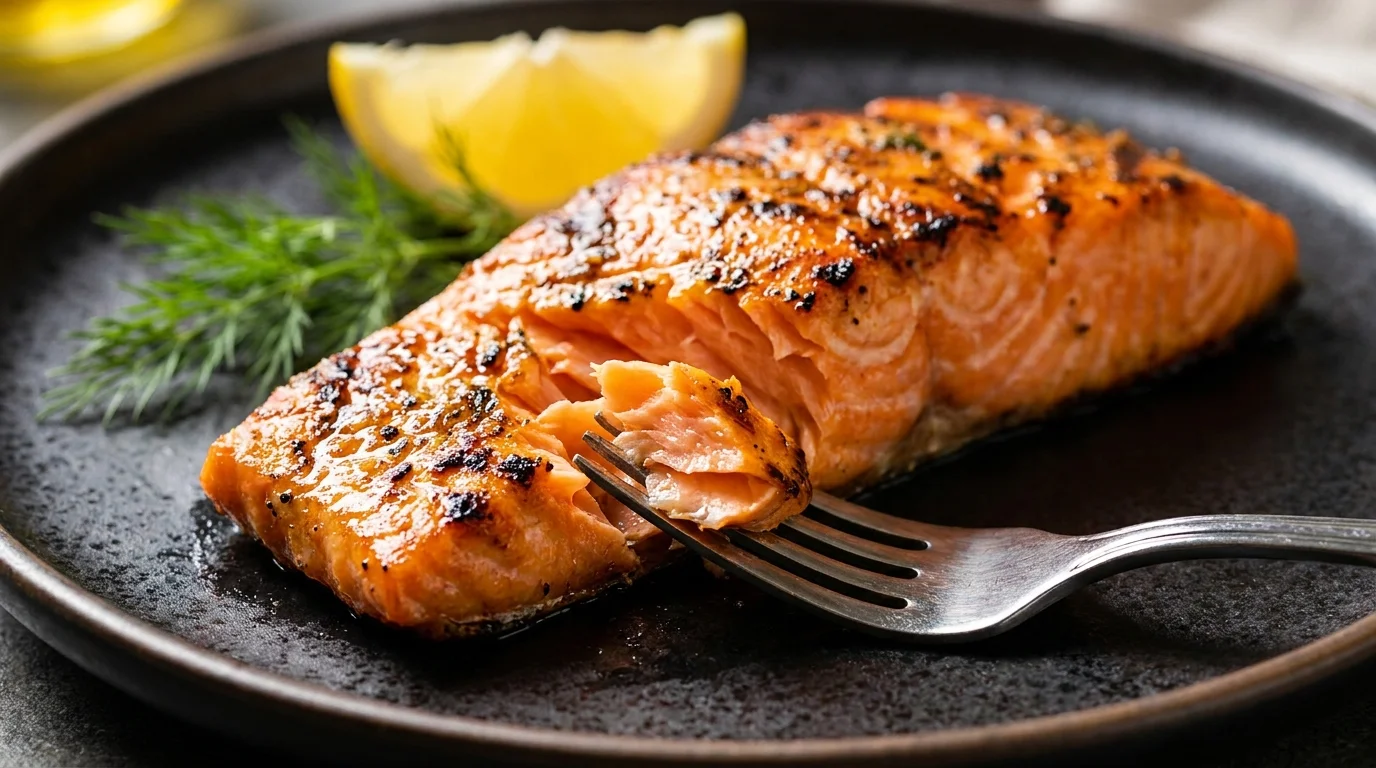
1. Fatty Fish
Fatty fish firmly stands out as the ultimate brain food, primarily due to its incredibly abundant supply of omega-3 fatty acids. Your physical brain consists of nearly sixty percent fat, and a substantial, critical portion of that cellular fat comprises a specific omega-3 called docosahexaenoic acid. Your body constantly uses these essential dietary fats to build delicate brain and nerve cells; these specific fats remain absolutely vital for daily learning and complex memory formation. When you consume rich fish like wild-caught salmon, rainbow trout, albacore tuna, and sardines, you provide the raw, essential materials necessary to reinforce your brain’s neural architecture. Clinical studies consistently show that older people who regularly eat baked or broiled fatty fish possess more dense gray matter in their brains. Gray matter contains the vast majority of the nerve cells that govern decision-making, emotion regulation, and memory storage. Aim to eat two four-ounce servings of fatty fish per week. If you possess a strong distaste for seafood, speak directly with your primary doctor about securing a high-quality, third-party-tested algae-based or fish oil supplement to ensure you safely meet your neurological omega-3 requirements.

2. Blueberries
Blueberries deliver profound, measurable cognitive benefits through their exceptionally high concentration of specific antioxidants, particularly a class known as anthocyanins. These potent natural plant compounds give the fragile berries their characteristic deep blue and purple hues. Anthocyanins specifically and aggressively target areas of the brain most closely associated with memory networks, actively fighting both systemic oxidative stress and localized inflammation—two chronic conditions known to rapidly accelerate brain aging. The antioxidants found in blueberries actually cross the blood-brain barrier, accumulate directly in the brain tissue, and help improve the electrical and chemical communication between individual brain cells. Regular, daily consumption can demonstrably delay the onset of short-term memory loss and dramatically facilitate better, faster recall. You can easily incorporate these powerful, bite-sized berries into your morning routine by gently stirring them into warm oatmeal, blending them into a nutrient-dense protein smoothie, or simply enjoying a fresh handful as an energizing, hydrating midday snack.
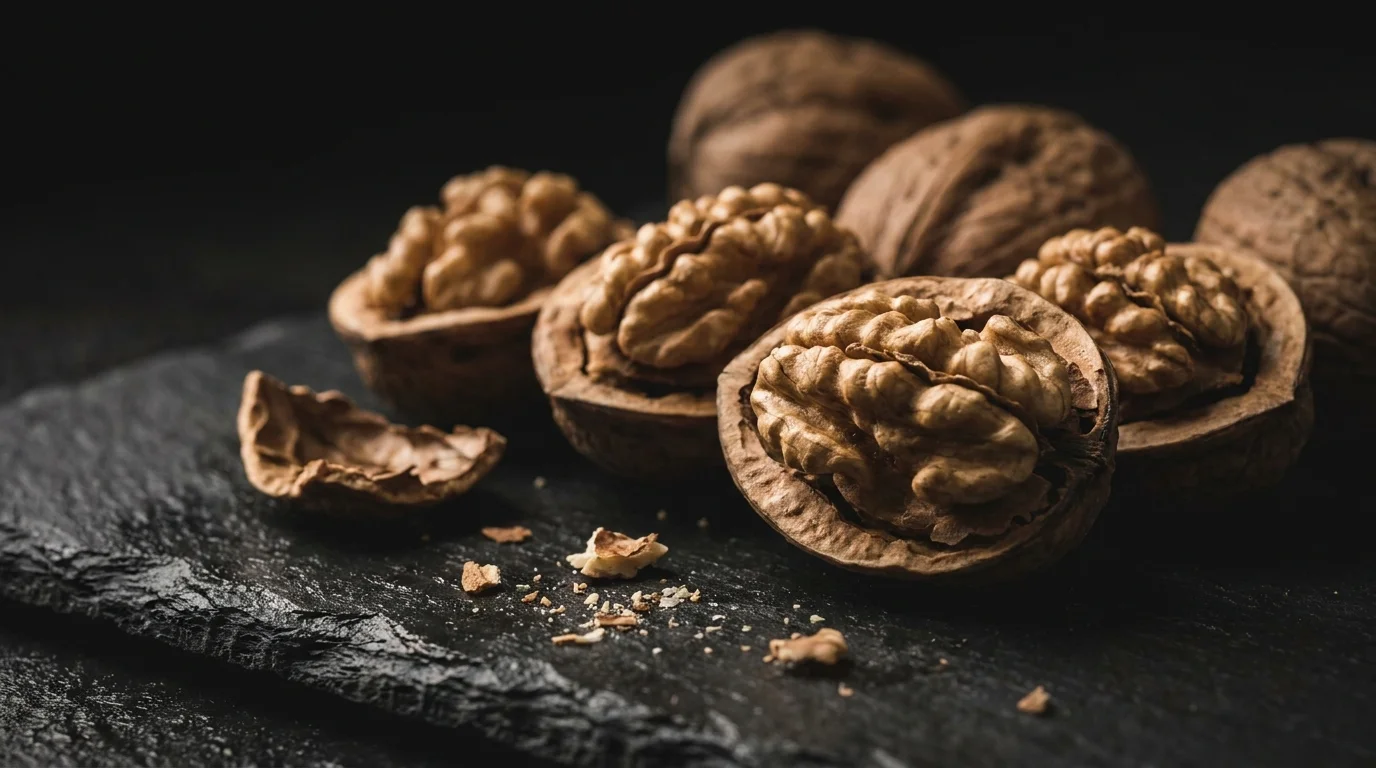
3. Walnuts
While almost all culinary nuts provide healthy fats and valuable plant protein, walnuts hold a highly unique and prestigious position in the realm of cognitive health. They ironically resemble a miniature human brain in their physical shape, which serves as a highly fitting visual indicator of their specific neurological benefits. Walnuts remain the only common tree nut that offers an exceptionally excellent source of alpha-linolenic acid, a powerful, plant-based omega-3 fatty acid. Furthermore, they are incredibly rich in vitamin E, a fat-soluble nutrient that successfully traps the free radicals that cause severe oxidative damage to brain cell membranes. Consuming ample vitamin E-rich foods has been conclusively linked to a noticeably slower decline in cognitive function as you naturally age. A small, one-ounce handful of raw walnuts a day provides a highly satisfying crunch and a substantial, measurable boost to your daily mental sharpness. You can chop them finely over fresh green salads, blend them into thick yogurts, or carefully bake them into healthy, low-sugar breakfast muffins.
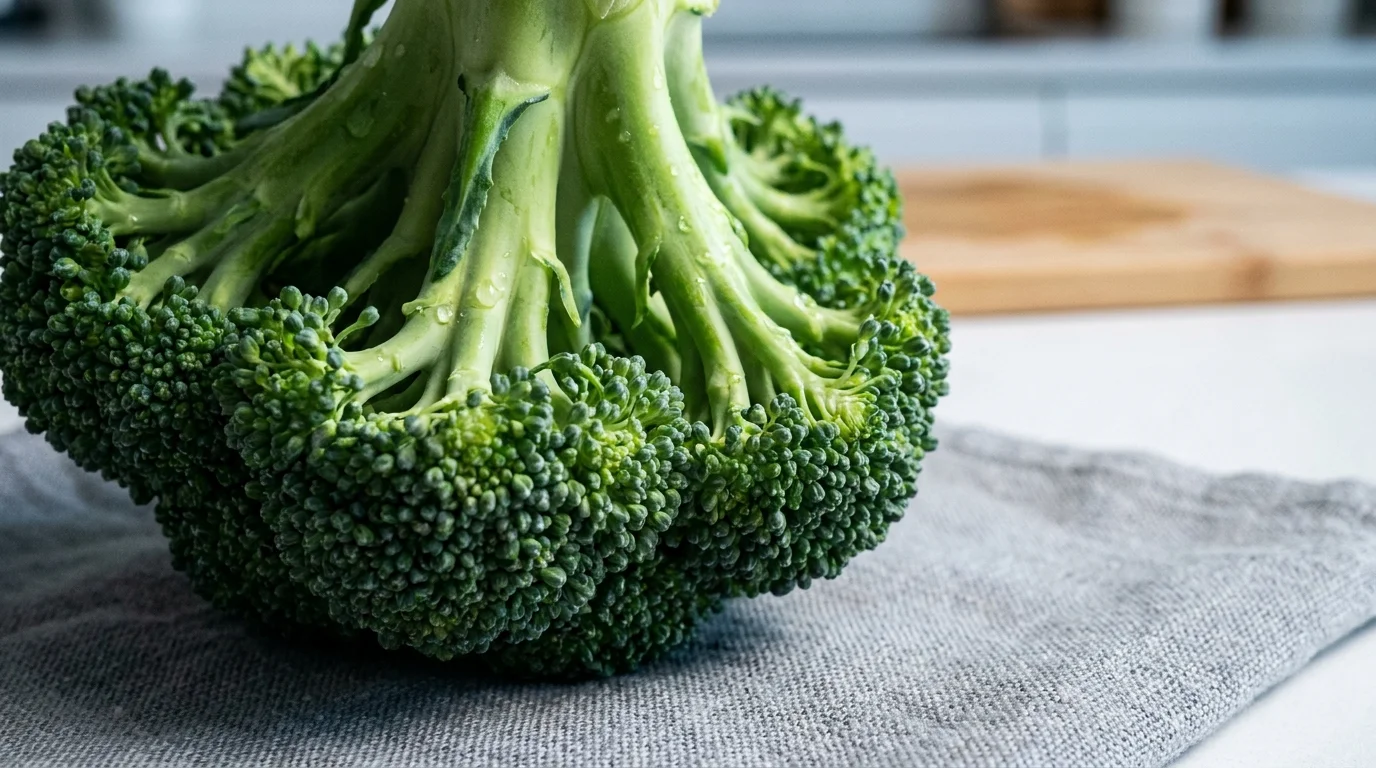
4. Broccoli
Broccoli serves as an undeniable nutritional powerhouse, densely packed with highly beneficial plant compounds, including a truly remarkable amount of vitamin K. This specific fat-soluble vitamin remains essential for the biological formation of sphingolipids, a highly specialized type of fat that is densely packed into brain cells and neural sheaths. Medical research shows that a higher dietary intake of vitamin K correlates directly and strongly with better memory recall and improved overall cognitive status in adults over sixty. Beyond just vitamin K, broccoli contains uniquely potent anti-inflammatory and antioxidant properties—specifically a compound called sulforaphane—that actively help protect the vulnerable brain against physical damage. To maximize the nutrient retention of this robust cruciferous vegetable, you should lightly steam it for just a few minutes rather than heavily boiling it in deep water. Serve it warm as a vibrant, crunchy side dish alongside your baked fatty fish for a comprehensive, maximally effective memory-boosting meal.
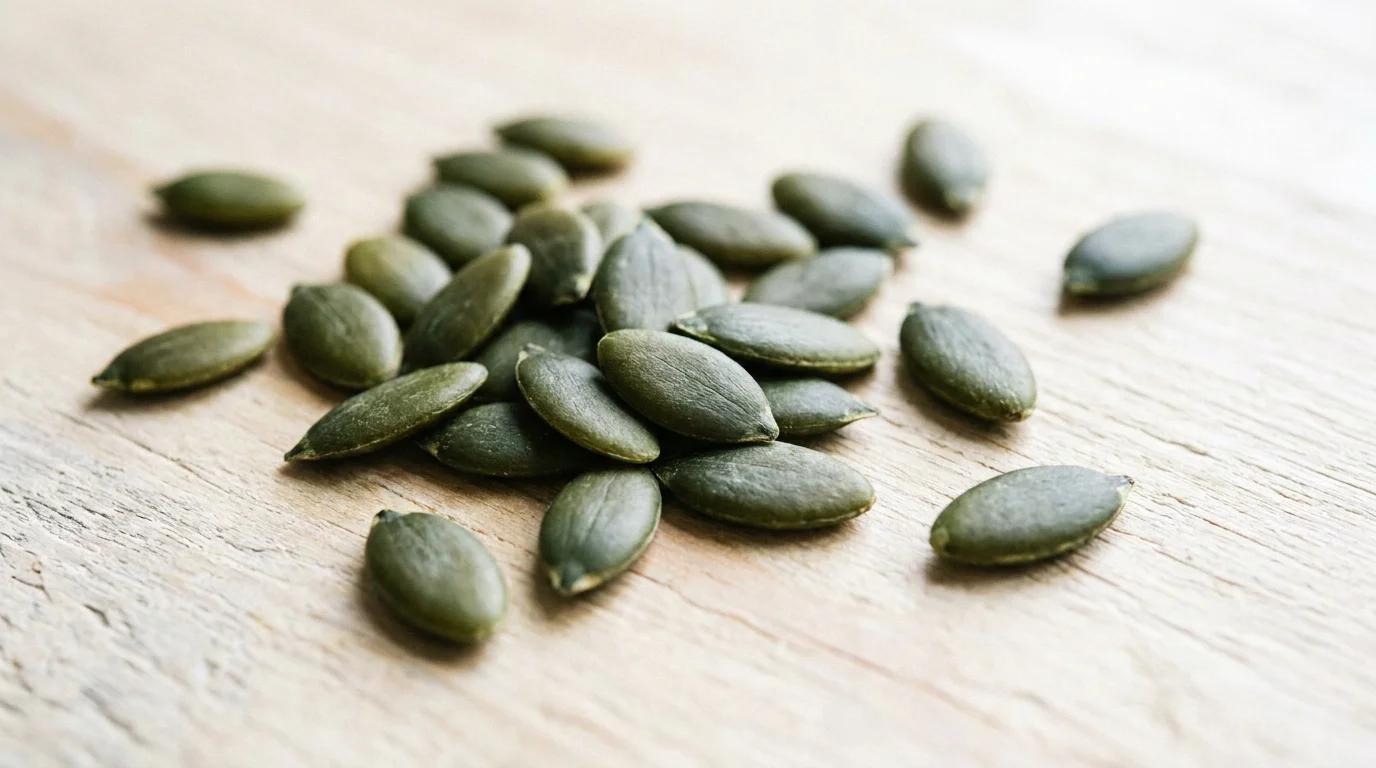
5. Pumpkin Seeds
Pumpkin seeds offer an incredibly dense, highly accessible source of valuable trace minerals that your aging brain heavily relies on for its most basic daily functioning. They contain exceptionally high levels of zinc, magnesium, dietary copper, and iron. Zinc remains crucial for proper nerve signaling; a clinical deficiency can easily lead to various negative neurological conditions and impaired focus. Magnesium plays a vital, central role in learning and memory retention, and low bodily levels frequently link to severe migraines, depression, and frustrating cognitive fog. Your brain constantly uses dietary copper to actively control complex nerve signals, and even a mild iron deficiency frequently causes chronic brain fog and severely impaired daily brain function. By slowly roasting a fresh batch of raw pumpkin seeds with a very light dusting of natural sea salt, you instantly create a highly convenient, mineral-rich, crunchy snack that actively supports your vital neurological infrastructure throughout the entire day.

6. Dark Chocolate
Dark chocolate, specifically high-quality varieties containing exactly seventy percent cacao or higher, provides highly significant, scientifically proven neuroprotective benefits. Pure cacao is densely packed with flavonoids, a specific class of highly active antioxidant plant compounds. Advanced brain-imaging studies clearly reveal that these specific dietary flavonoids physically gather in the exact areas of the brain biologically responsible for daily learning and memory storage. Neurological researchers firmly believe these compounds actively enhance your memory and help successfully slow down age-related mental decline by aggressively encouraging new blood vessel growth and promoting neurogenesis in the hippocampus. Additionally, high-percentage dark chocolate serves as a highly legitimate, fast-acting mood booster, which indirectly but powerfully supports memory retention by quickly reducing your systemic stress levels. Enjoy just one or two small, satisfying squares directly after a meal to successfully satisfy your sweet tooth while actively and aggressively protecting your delicate cognitive pathways.

7. Green Tea
Green tea serves as an truly exceptional, highly beneficial daily beverage for long-term brain health, offering powerful dual benefits from natural caffeine and a unique amino acid called L-theanine. While the modest, highly manageable amount of caffeine quickly boosts your mental alertness and sharpens your focus, the L-theanine effectively crosses the restrictive blood-brain barrier and rapidly increases the activity of the inhibitory neurotransmitter GABA. This chemical process helps actively reduce clinical anxiety and makes you feel significantly more physically relaxed. This unique chemical combination naturally promotes a highly desirable state of calm, centered alertness, which proves absolutely ideal for quickly retaining new information and focusing deeply on complex cognitive tasks. High-quality green tea also boasts a remarkably high concentration of specific polyphenols and antioxidants that physically protect the aging brain from mental decline. Swapping out your heavy afternoon coffee for a freshly brewed, warm cup of green tea can drastically enhance your daily memory performance without triggering the highly jittery, anxious side effects associated with excessive caffeine.
Frequently Asked Questions
How long does it realistically take to see memory improvements from these specific dietary changes?
Dietary interventions absolutely require daily consistency and a great deal of patience. While you may eagerly notice slight, encouraging improvements in your daily focus, mood, and physical energy levels within just a few short weeks, highly significant structural and cognitive benefits typically only manifest after three to six solid months of sustained, healthy eating. Your physical brain desperately needs adequate time to absorb and utilize these new nutrients, successfully repair old cellular damage, and physically build much stronger neural pathways. Think of these dietary adjustments as a permanent, long-term financial investment in your cognitive longevity rather than a fleeting, temporary quick fix.
Can over-the-counter dietary supplements completely replace eating these whole foods?
Manufactured supplements simply cannot fully replicate the incredibly complex, synergistic nutritional profile naturally found in whole, unprocessed foods. When you eat fresh blueberries or raw walnuts, you rapidly consume a highly complex blend of dietary fiber, vitamins, trace minerals, and literally thousands of distinct phytochemicals that physically work together to protect your brain. Standard supplements usually isolate a single, specific nutrient, completely missing out on this vital collaborative biological effect. While targeted, medically supervised supplementation—like taking concentrated omega-3s or isolated vitamin B12—proves highly necessary for some older adults with specific deficiencies, you should always firmly aim to build your nutritional foundation exclusively with whole, natural foods.
Are these memory-boosting foods genuinely safe if I currently have diabetes or high blood pressure?
Generally speaking, these specific memory-enhancing foods align almost perfectly with standard diabetic and heart-healthy dietary guidelines. Foods like steamed broccoli, raw walnuts, and baked fatty fish actively help stabilize your blood sugar and naturally lower your blood pressure. However, you must meticulously monitor your exact portion sizes for highly calorie-dense items like tree nuts and dark chocolate. If you actively manage diabetes, pay very close attention to your daily fruit portions and always choose a dark chocolate with the absolute lowest possible added sugar content. Always thoroughly discuss any significant dietary overhauls with your primary care physician to ensure the changes perfectly support your specific, highly individual metabolic needs.
What is the absolute most important food I can eat for my brain health?
No single “magic bullet” food can independently guarantee perfect cognitive health; your brain heavily relies on a wide, diverse spectrum of vital nutrients to thrive. However, if neurological experts had to select one absolutely crucial addition to an older adult’s diet, they universally recommend cold-water fatty fish. The highly concentrated DHA omega-3 fatty acids found in salmon and sardines provide the most direct, structurally essential building blocks for your physical brain cells. If you successfully incorporate adequate fatty fish into a diet that is already naturally rich in colorful vegetables and healthy seeds, you establish the strongest possible nutritional foundation for your memory.
Does my daily water intake actually impact my short-term memory?
Yes, your daily hydration levels profoundly and directly impact your overall cognitive function. Your physical brain consists of approximately seventy-three percent pure water. Even incredibly mild dehydration—losing just two percent of your total body’s water volume—can rapidly and severely impair your active attention span, your short-term memory retention, and your higher-level executive function. Older adults frequently experience a naturally diminished physical sensation of thirst, making them particularly, dangerously vulnerable to chronic, silent dehydration. You must proactively and deliberately drink water throughout your entire day, even when you do not physically feel parched, to safely maintain optimal neural efficiency and successfully flush out harmful metabolic waste from your delicate brain tissue.
Should I prioritize buying organic versions of these memory-enhancing foods?
Choosing organic foods can effectively reduce your daily exposure to synthetic pesticides, which is highly beneficial for your overall neurological health. However, the exact necessity heavily depends on the specific food item in question. For example, berries often retain higher levels of pesticide residue on their thin, delicate skin, making organic blueberries a very smart, health-conscious choice. Conversely, foods with thick, protective outer layers or shells, such as walnuts or pumpkin seeds, generally present a much lower pesticide risk. Regardless of your final purchasing decision, the proven cognitive benefits of consuming these seven memory-boosting foods conventionally far outweigh the potential risks of avoiding them altogether.
Preserving Your Cognitive Future
Protecting your delicate memory and maintaining your cognitive sharpness remains entirely within your personal control through the profound, daily power of strategic nutrition. By thoroughly understanding the highly unique physiological changes your specific body undergoes as you gracefully age, you can proactively tailor your daily diet to perfectly meet the heavy demands of your mature brain. Deliberately prioritizing fresh fatty fish, vibrant wild berries, robust cruciferous vegetables, and nutrient-dense raw seeds establishes an incredibly robust, permanent defense against daily oxidative stress and age-related mental decline. Remember that your personal dietary choices actively act as cumulative, lifelong investments; every single healthy, nutrient-dense meal directly contributes to a much stronger, significantly more resilient neural network.
Start very small by simply introducing just one or two of these potent memory-enhancing foods into your regular weekly routine, gradually and sustainably building a comprehensive, brain-boosting dietary lifestyle. Embrace these proven nutritional strategies today to successfully preserve your vital mental clarity, permanently maintain your physical and mental independence, and fully enjoy a vibrant, deeply engaged life for many decades to come.
This article is intended for informational and educational purposes only and is not a substitute for professional medical advice, diagnosis, or treatment. Always consult with a qualified healthcare provider regarding any health concerns or before making any decisions related to your health or treatment.