A comprehensive medication review can dramatically boost your daily energy, prevent accidental drug interactions, and protect your long-term independence. As your health needs evolve over time, prescriptions that once served a vital purpose may quietly become redundant, improperly dosed, or hazardous to your safety. Scheduling a structured medication checkup with your healthcare provider ensures that every pill, supplement, and over-the-counter remedy actively supports your physical vitality rather than creating hidden complications. Recognizing the key indicators that signal an urgent need for a prescription reevaluation allows you to advocate effectively for your personal well-being during your next routine medical appointment.
Understanding Medication Reviews and Polypharmacy
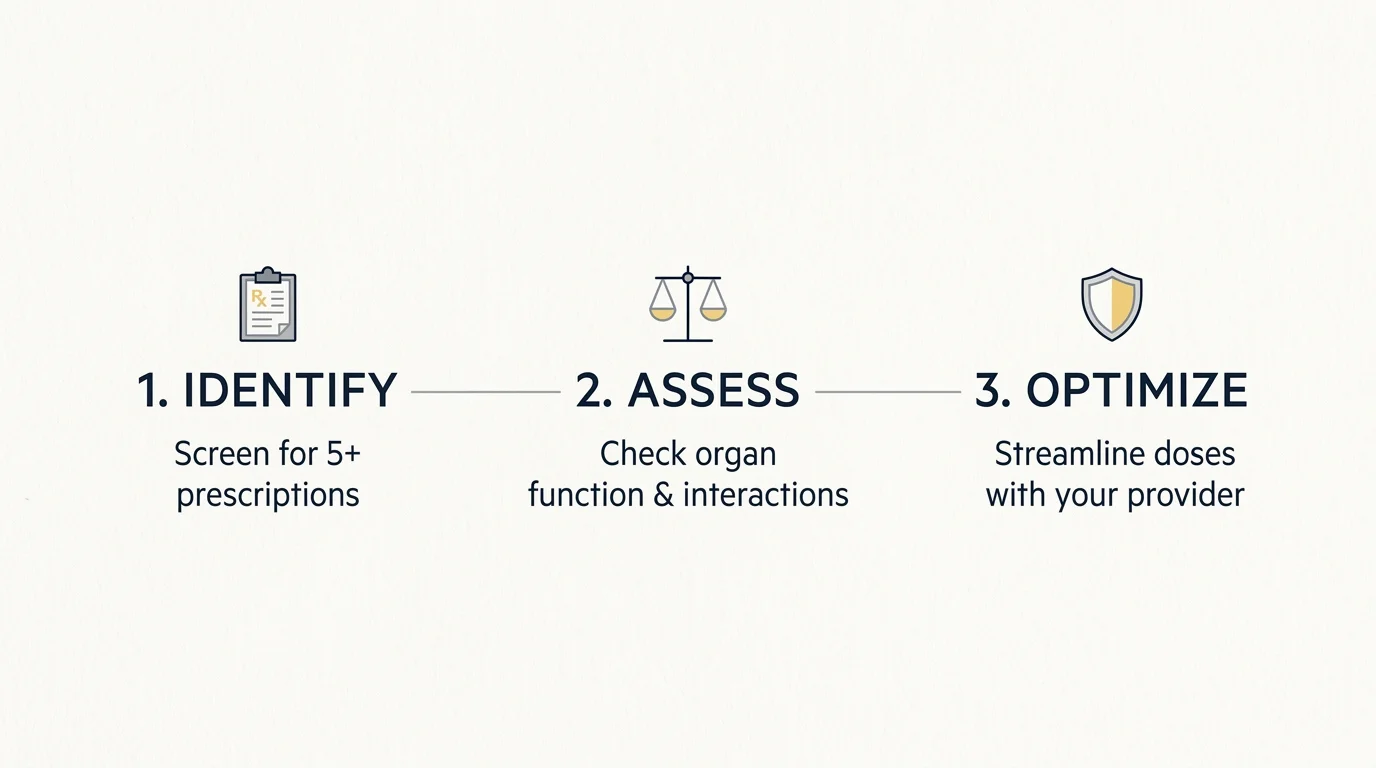
A medication review is a structured, critical evaluation of all the prescription medicines, over-the-counter drugs, vitamins, and dietary supplements you take regularly. Rather than a brief confirmation of refills, this clinical process assesses the safety, efficacy, appropriateness, and ongoing necessity of each substance. Healthcare professionals conduct this evaluation to identify potential drug-drug interactions, adjust dosages according to your current organ function, and eliminate drugs that no longer provide meaningful therapeutic benefits.
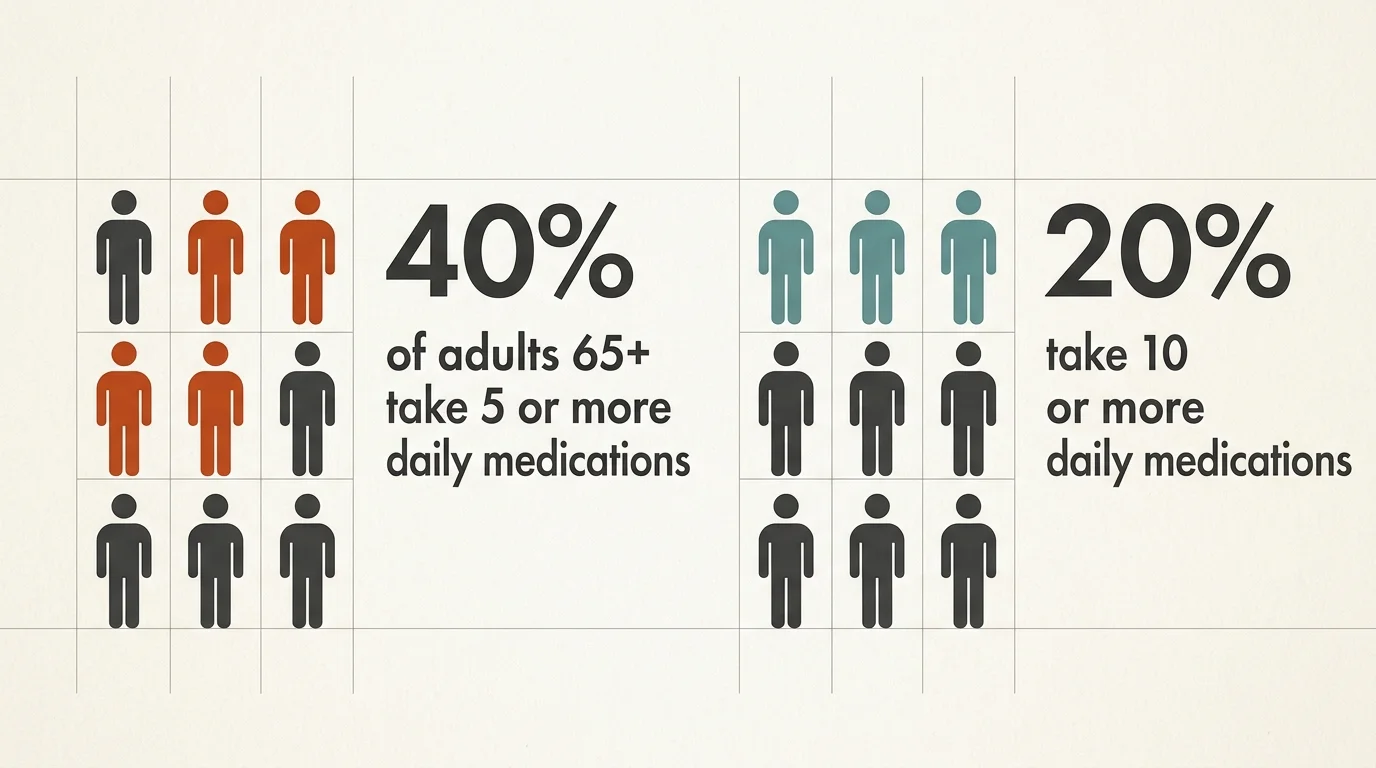
This process plays an indispensable role in managing polypharmacy, which clinicians define as the concurrent use of five or more medications. Data from the CDC and national health surveys reveal that more than 40% of adults aged 65 and older take five or more prescription medications regularly, while approximately 20% take ten or more. Furthermore, nearly 70% of adults between ages 40 and 79 use at least one prescription drug. While medications save lives and manage chronic illnesses, taking multiple concurrent therapies increases the likelihood of cumulative side effects, accidental duplications, and dangerous biochemical conflicts.

How Aging Changes Your Body’s Response to Prescriptions
Your body experiences profound physiological changes as you age, altering how you absorb, distribute, metabolize, and excrete medications. Renal blood flow and glomerular filtration rates decline naturally over time; this reduction impairs your kidneys’ ability to clear pharmaceuticals from your bloodstream promptly. Simultaneously, liver volume and hepatic blood flow decrease, slowing the enzymatic breakdown of common compounds. Consequently, medications often linger in your system far longer than they did during your younger years, causing standard doses to accumulate to potentially toxic levels.
Age-related shifts in body composition also alter drug pharmacokinetics. Older adults naturally experience a reduction in total body water and an increase in relative body fat. Water-soluble medications become more concentrated in the blood, leading to stronger physiological effects, while fat-soluble drugs dissolve into adipose tissue and remain active for extended periods. In addition, the blood-brain barrier becomes more permeable, leaving your central nervous system far more sensitive to medications that induce sedation, confusion, or sudden drops in blood pressure.
8 Clear Signs You Need a Medication Checkup
Recognizing the early warning signs of drug-related complications allows you to seek timely clinical intervention before a minor side effect evolves into a medical crisis. If you or an older loved one recognize any of the following eight scenarios, you should request a formal medication review at your next clinical appointment.
1. You Take Five or More Daily Medications
Crossing the clinical threshold of polypharmacy significantly increases your statistical risk of experiencing adverse drug reactions. When you take five or more distinct medications, the mathematical probability of an unrecognized biochemical interaction escalates exponentially. Different drugs can compete for the exact same liver enzymes for breakdown, either accelerating clearance or magnifying blood concentrations to dangerous levels. If your daily pillbox holds five or more prescription tablets, you meet the standard clinical criteria for an immediate, comprehensive medication audit.
2. You Experience Unexplained Fatigue, Dizziness, or Brain Fog
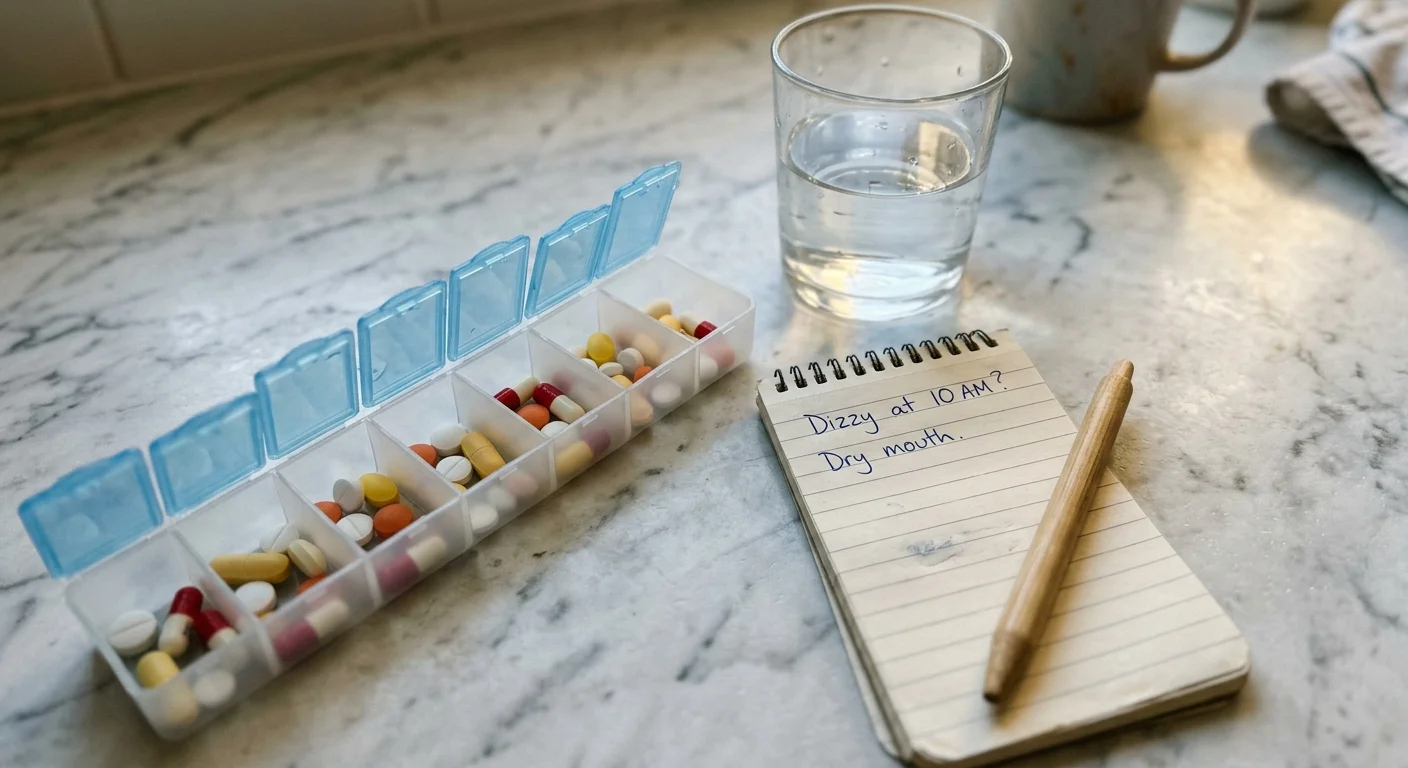
Many older adults mistakenly dismiss sudden memory lapses, persistent daytime drowsiness, or lightheadedness as inevitable consequences of normal aging. In reality, these symptoms frequently stem from medication side effects or subtle drug interactions. Anticholinergic drugs, sedatives, muscle relaxants, and certain cardiac agents can impair cognitive sharpness and cause lingering confusion. A detailed evaluation allows your clinician to identify culprit agents, adjust doses, or transition you to safer therapeutic alternatives.
3. You Receive Prescriptions from Multiple Specialists
When you consult a cardiologist, a rheumatologist, an endocrinologist, and a neurologist, medical care can quickly become fragmented. Specialists frequently focus on their specific organ system, prescribing therapies without having complete visibility into the choices of your other doctors. This lack of coordination can produce therapeutic duplications or direct drug antagonisms. A primary care doctor or dedicated pharmacist can consolidate your full medical profile and eliminate conflicting recommendations.
4. You Were Recently Discharged from a Hospital or Care Facility
Transitions between healthcare settings represent one of the most hazardous intervals for prescription errors. Hospital medical teams frequently alter long-standing outpatient regimens, initiate temporary inpatient treatments, or switch brand-name drugs to institutional formulary equivalents. Without meticulous medication reconciliation during discharge, you risk taking duplicate medications simultaneously or continuing short-term acute prescriptions—such as stomach acid suppressants or high-potency painkillers—for months longer than intended.
5. You Experienced a Recent Fall or Loss of Physical Stability
Falls represent a leading cause of severe injury, loss of mobility, and diminished independence in older adults. Pharmaceuticals that reduce blood pressure too aggressively can trigger orthostatic hypotension, causing a sharp drop in blood pressure when you stand up. Similarly, sleep aids, antianxiety medications, and narcotic pain relievers can disrupt balance and slow motor reflexes. A thorough medication checkup can pinpoint and modify balance-impairing substances before another fall occurs.
6. You Routinely Combine Supplements with Prescription Drugs
Over-the-counter vitamins, mineral supplements, and herbal products possess potent biological activities that interact directly with prescription medicines. For example, common herbal remedies like St. John’s wort, ginkgo biloba, or high-dose vitamin E can interfere with liver enzymes or dangerously amplify the effects of anticoagulant therapies. Because healthcare providers do not always ask about non-prescription items, you must explicitly present these products during your clinical appointments for safety validation.
7. You Take High-Risk Medications Such as Blood Thinners or Insulin
The CDC notes that three specific drug classes cause nearly half of all emergency department visits for adverse drug events in outpatient settings: anticoagulants (blood thinners), diabetes agents such as insulin, and antibiotics. Blood thinners can cause serious internal bleeding if doses drift out of therapeutic range, while diabetes drugs can trigger severe hypoglycemia if dietary habits or kidney functions change. Regular surveillance of these high-risk therapies ensures that your dosages reflect your current physiological status.
8. You Struggle with Complex Dosing Schedules or High Medication Costs
Adhering to a convoluted schedule requiring pills taken twice daily, three times daily with meals, and once at bedtime creates overwhelming cognitive friction. When regimens become too complex, missed doses and accidental double-dosing happen frequently. Similarly, high out-of-pocket costs may tempt you to skip doses or split tablets improperly. Your healthcare provider can often consolidate your dosing schedule or switch you to lower-cost, once-daily generic options to restore safe adherence.
Weighing the Benefits of Deprescribing Against Potential Risks
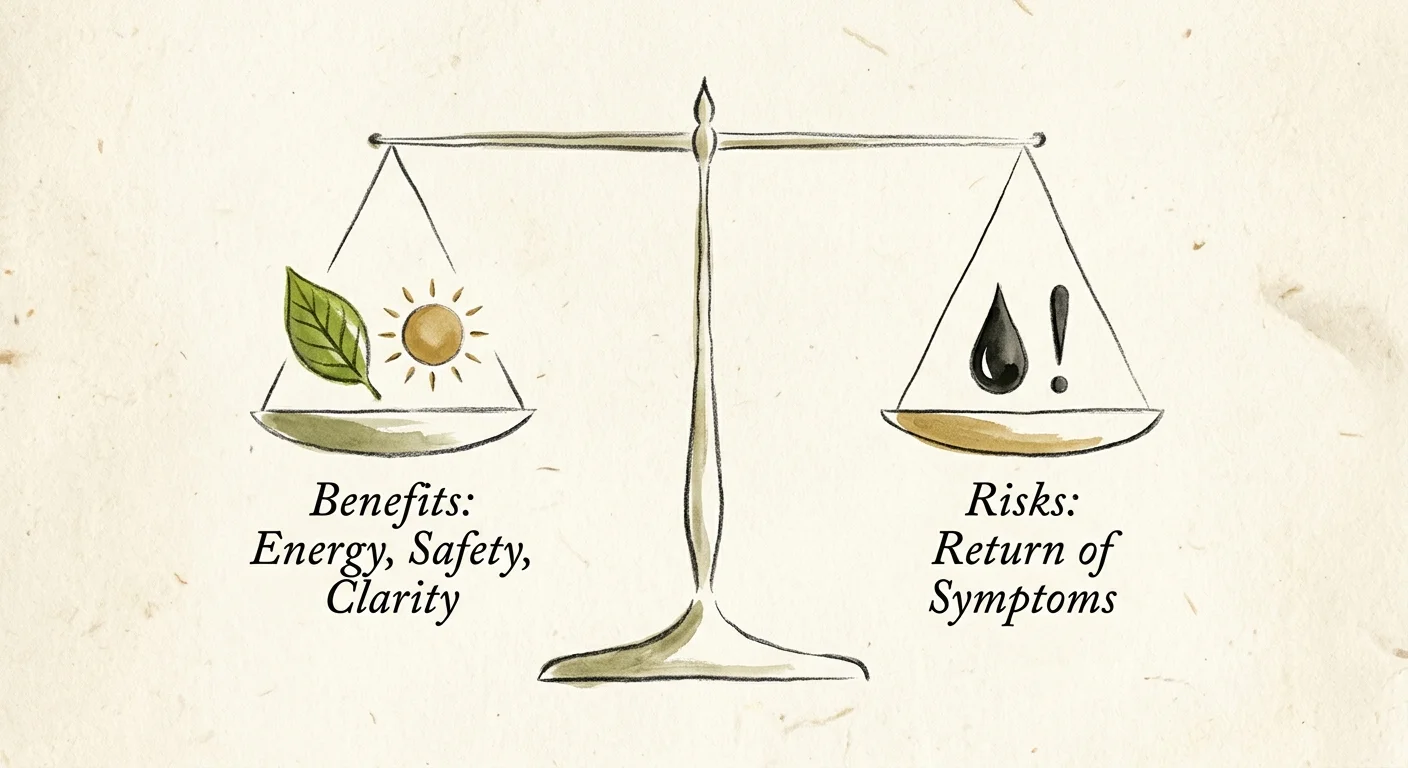
A central objective of modern geriatric medicine is deprescribing—the planned, medically supervised process of tapering, reducing, or discontinuing medications that may no longer be beneficial or that present unacceptable hazards. Deprescribing helps dismantle the dangerous phenomenon known as a prescribing cascade. A prescribing cascade occurs when a clinician misinterprets an unrecognized adverse drug effect as a brand-new medical condition and subsequently prescribes an additional medication to treat it, creating a compounding cycle of toxicity.
The measurable benefits of successful deprescribing include improved mental clarity, reduced fall risk, fewer adverse drug reactions, lower healthcare expenses, and a lighter psychological burden. However, you should never stop or adjust prescription medications on your own. Abruptly discontinuing certain medications, such as beta-blockers, corticosteroids, or central nervous system agents, can provoke severe rebound hypertension, acute withdrawal syndromes, or rapid recurrence of chronic disease. Deprescribing must always remain a deliberate, collaborative partnership between you and your healthcare provider.
Evidence-Based Insights and Expert Guidelines
Leading clinical authorities provide standardized frameworks to protect older adults from medication-related harms. The American Geriatrics Society publishes the renowned AGS Beers Criteria, an evidence-based clinical guide that identifies potentially inappropriate medications that healthcare providers should avoid or use with extreme caution in older populations. Similarly, geriatric specialists worldwide rely on the validated STOPP/START criteria to systematically detect prescribing omissions and discontinue inappropriate therapies.
Federal health research underscores the vital necessity of these screening tools. According to data from the CDC, adverse drug events trigger more than 1.5 million emergency department visits and nearly 500,000 hospitalizations annually across the United States. Adults aged 65 and older experience more than 600,000 of these emergency visits each year, seeking emergency care at more than double the rate of younger populations.
Recognizing this public health challenge, Medicare incorporates mandatory medication reconciliation into the annual wellness visit at zero out-of-pocket cost for beneficiaries. In addition, Medicare Part D plans provide targeted Medication Therapy Management programs, delivering comprehensive medication reviews conducted by clinical pharmacists to evaluate drug safety for eligible individuals managing multiple chronic conditions.

Practical Steps for Your Next Clinical Consultation
Preparing thoroughly for your doctor visit ensures that your clinician can evaluate your total pharmacological picture efficiently. You can turn your appointment into an empowering, collaborative discussion by adopting a structured preparation strategy before stepping into the examination room.
Execute the proven brown-bag method: gather every single prescription container, over-the-counter remedy, herbal tincture, vitamin bottle, topical ointment, eye drop, and inhaler into a single bag and bring them directly to your appointment. Physical containers reveal critical details that electronic health records often omit, including exact refill dates, prescribing physicians, and specific dosages.
Maintain an accurate, printed medication list that notes what time of day you take each pill, whether you take it with food, and the specific reason for using it. Write down any new physical sensations, digestive changes, sleep disruptions, or cognitive shifts that you have noticed since your last visit. During the consultation, ask direct questions: Is this medication still necessary? Could any of my daily symptoms be related to my prescriptions? Can we simplify my daily schedule to once-daily dosing?
Consider bringing a trusted family member or caregiver to help take notes and advocate for your treatment goals. If your primary care provider operates on a tight schedule, request an appointment dedicated solely to a comprehensive medication review, or schedule a formal review with your community pharmacist through your insurance plan.
Frequently Asked Questions About Medication Reviews
How frequently should I schedule a comprehensive medication review?
You should schedule a comprehensive medication review at least once every calendar year. Additionally, you should request an immediate review whenever your health status changes, after being discharged from a hospital, or whenever a specialist introduces a new daily prescription.
What distinguishes a medication review from routine medication reconciliation?
Medication reconciliation is a basic clerical verification ensuring that a patient’s medical records accurately list current prescriptions. A comprehensive medication review is an in-depth clinical analysis that evaluates whether each drug remains safe, effective, cost-efficient, and clinically indicated given your evolving physiological health.
Can a pharmacist conduct my medication review instead of my doctor?
Yes, clinical pharmacists possess specialized doctorate-level training in pharmacology and drug interactions. Pharmacists frequently conduct comprehensive reviews through Medicare Medication Therapy Management programs and send their optimization recommendations directly to your prescribing physician for approval.
Does health insurance cover the cost of a medication review?
Medicare Part B covers medication reconciliation at 100% with no copayment during your Annual Wellness Visit. Furthermore, Medicare Part D covers annual Medication Therapy Management consultations at zero cost for beneficiaries who meet specific chronic condition and medication volume criteria.
What should I do if my doctor seems too hurried to discuss my prescriptions?
Let the clinical staff know when booking that you need extra time for a dedicated medication review. If time remains limited during your visit, ask your doctor to refer you to an in-clinic clinical pharmacist or schedule a dedicated follow-up consultation focused exclusively on your medicines.
Take Control of Your Medication Routine
Your medications should actively improve your daily quality of life, not compromise your physical independence, energy levels, or mental sharpness. Taking proactive ownership of your medicine cabinet is one of the most effective preventive health measures you can practice as you age.
By tracking your symptoms, bringing your physical pill bottles to your healthcare visits, and partnering closely with your physicians and pharmacists, you protect yourself against preventable adverse drug events. Schedule your medication checkup today to ensure that every prescription you take continues to serve your long-term health and vitality.
Medical Disclaimer
This article is intended for informational and educational purposes only and is not a substitute for professional medical advice, diagnosis, or treatment. Always consult with a qualified healthcare provider regarding any health concerns or before making any decisions related to your health or treatment.