Smart snacking offers adults over sixty an effortless way to maintain steady energy, preserve lean muscle mass, and meet vital daily nutritional targets. Rather than viewing mid-day bites as guilty indulgences, registered dietitians recognize strategic snacking as a crucial dietary strategy for healthy aging. As your appetite naturally changes over time, consuming nutrient-dense food between primary meals ensures your body receives essential vitamins, minerals, and proteins without overloading your digestive system. Choosing the right foods helps regulate blood sugar, protects bone density, and sustains metabolic performance throughout the entire day. The following nine nutritionist-approved snacks deliver maximum health benefits with minimal preparation effort.
Understanding the Basics of Nutrient-Dense Snacking
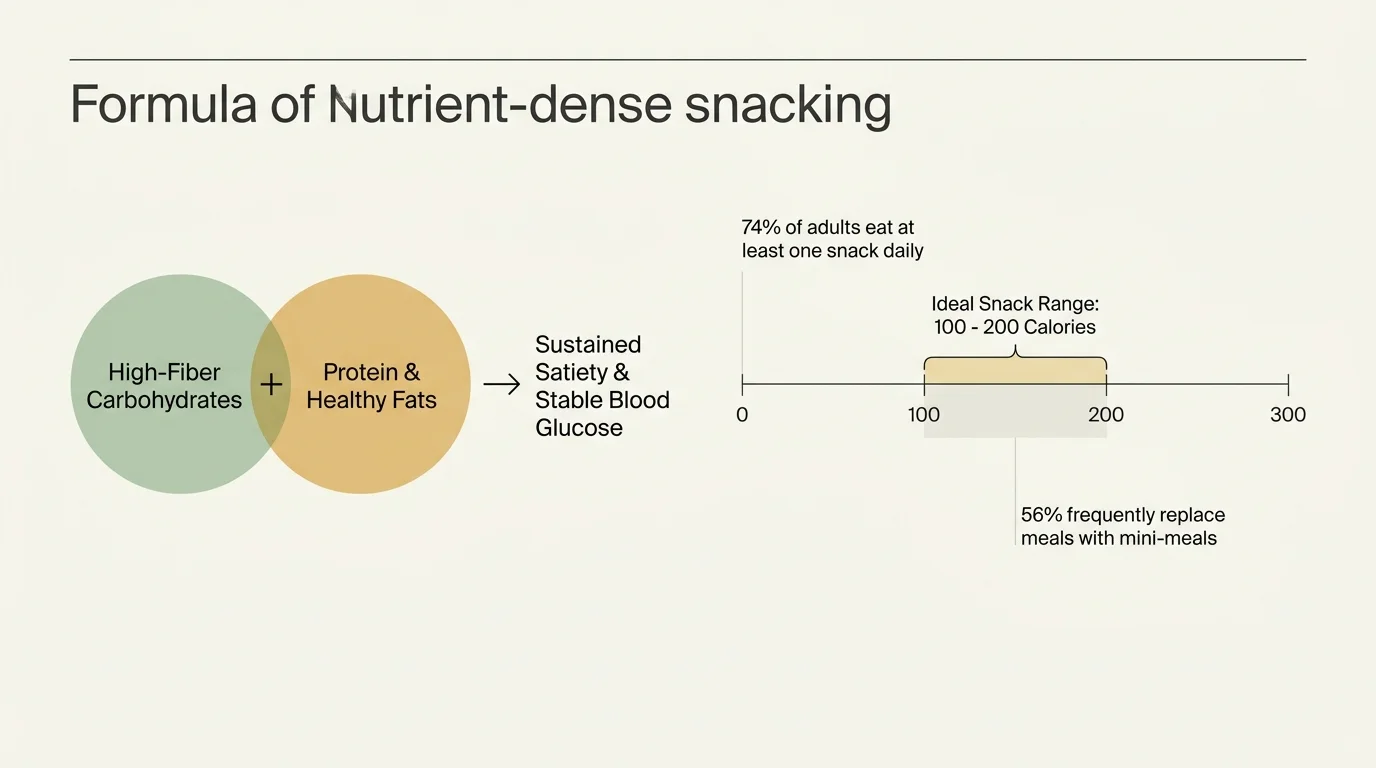
When dietitians discuss healthy snacking, they refer to intentional micro-meals that provide tangible nutritional value. Snacking is no longer a habit reserved for children or late-night cravings; it represents a fundamental component of modern nutrition. Data from the 2024 International Food Information Council (IFIC) Food and Health Survey reveals that 74 percent of American adults eat at least one snack per day, while 56 percent frequently replace traditional meals with smaller mini-meals. Furthermore, dietary analysis from the USDA shows that average American adults consume three snacks daily, with 78 percent enjoying two or more snacks within twenty-four hours.
Understanding the distinction between nutrient-dense foods and energy-dense foods forms the cornerstone of effective dietary choices. Energy-dense snacks—such as chips, pastries, and sodas—deliver excessive calories packed with refined carbohydrates and saturated fats, yet offer almost no vitamins, minerals, or fiber. Conversely, nutrient-dense snacks offer high amounts of micronutrients relative to their calorie content. Over 90 percent of American women and 97 percent of American men fall short of their daily recommended fiber intake; selecting thoughtful dietitian recommended snacks bridges this critical nutrient gap efficiently.
Targeting appropriate calorie levels ensures your mid-day bite supports your wellness goals without causing unwanted weight gain. The IFIC survey notes that consumers who track calories generally target 100 to 200 calories per snack session. Dietitians build ideal healthy snack ideas around a simple macro-pairing formula: combining high-fiber carbohydrates with protein or healthy fats to slow digestion, extend satiety, and stabilize blood glucose levels.
Key Snacking Considerations for Older Adults
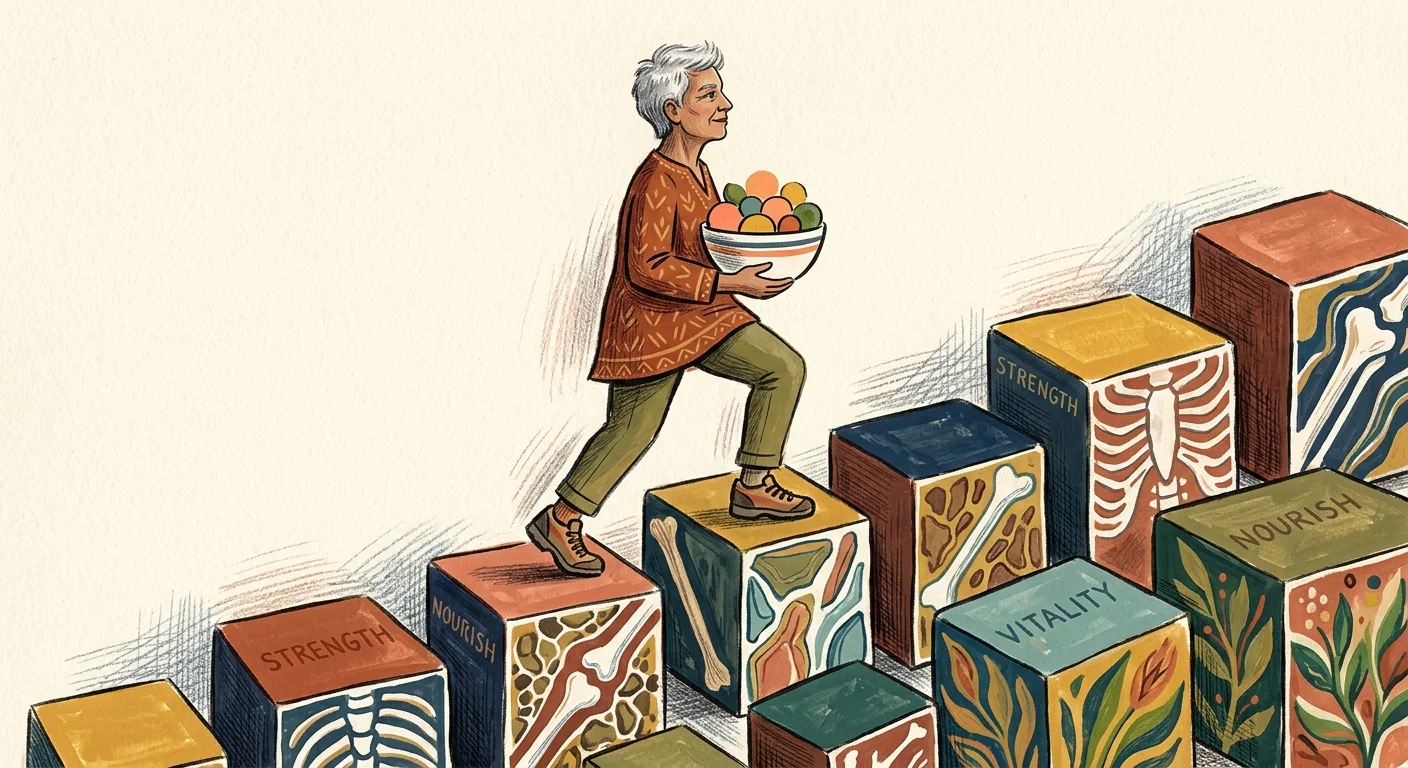
As your body matures, your physiological needs shift in distinct ways that make food selection increasingly important. Sarcopenia—the natural, age-related loss of skeletal muscle mass and functional strength—begins accelerating after age sixty. To counteract this progression, your body requires a continuous, well-distributed intake of high-quality protein throughout the day. Relying solely on dinner to meet your daily protein quota limits muscle repair; distributing protein across primary meals and strategic snacks optimizes muscle retention and physical strength.
Metabolic rate naturally slows as you age, meaning your body demands fewer overall calories while retaining high requirements for essential vitamins and minerals. Every bite must carry significant nutrition. In addition, age-related changes in digestive enzyme production make dietary fiber and hydration critical priorities for preventing constipation and supporting gut health. Pairing fiber-rich ingredients like seeds with water-dense whole foods provides smooth digestive transit while nourishing beneficial microflora.
Dental health and taste changes also influence your daily eating habits. Denture wearers or individuals with sensitive teeth may struggle with raw vegetables, leading them to avoid whole foods. Choosing softer, nutritionist approved snacks guarantees that dental comfort never compromises your nutritional intake. Furthermore, thirst perception often diminishes with age; incorporating hydrating snacks like cottage cheese, berries, or cucumber slices offers a seamless way to bolster fluid intake. Managing blood sugar stability remains equally vital. Reduced insulin sensitivity makes glucose spikes more problematic, making balanced macronutrient snacks essential for protecting vascular health and sustaining mental clarity throughout your afternoon activities.
Benefits and Potential Risks of Snacking in Later Life
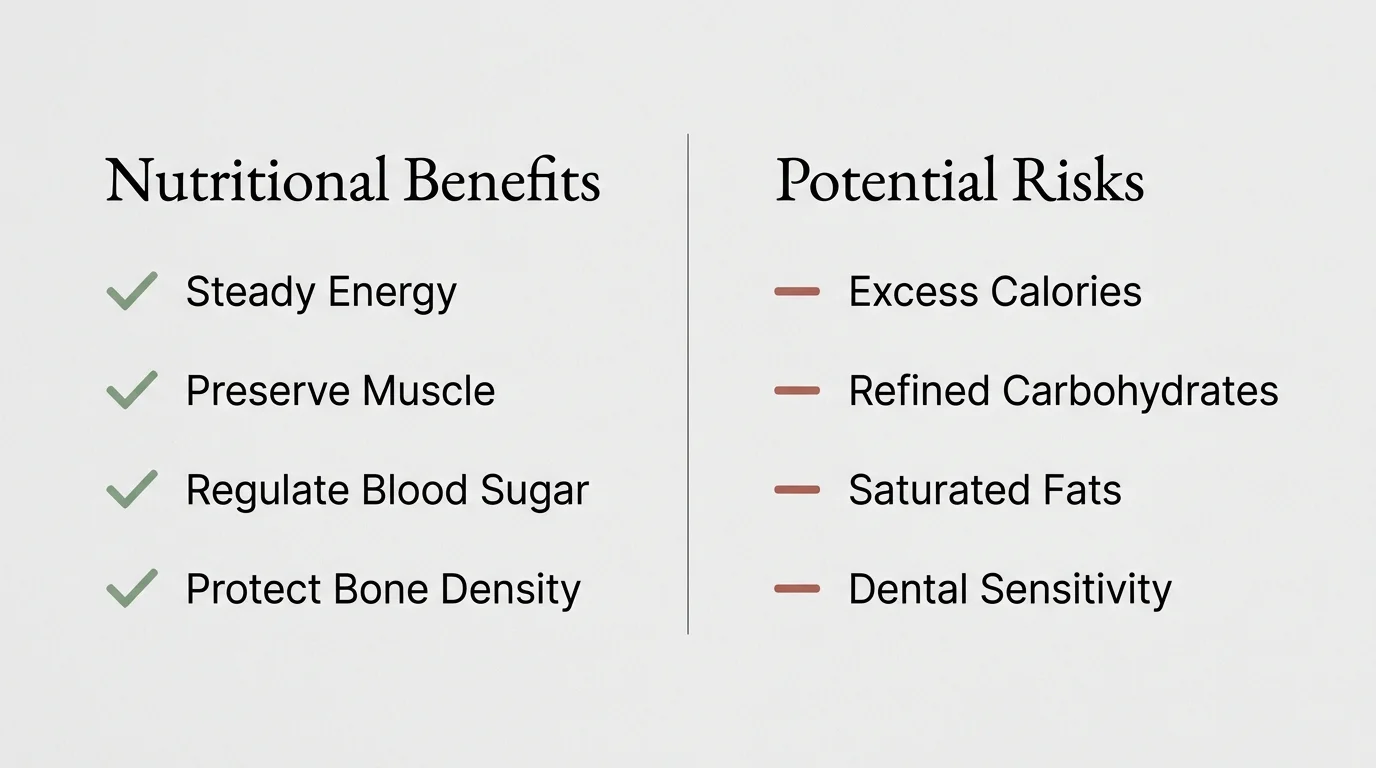
Integrating the best snacks for health into your daily routine offers a wide array of measurable health benefits. Primarily, smart snacks help stabilize daily blood glucose levels, preventing energy slumps and brain fog after meals. Small, frequent infusions of nutrients also help manage appetite control, reducing the urge to overeat during dinner. For individuals managing a diminished appetite, snacks provide a comfortable way to meet necessary calorie and micronutrient targets without feeling uncomfortably full.
Strategic snacking directly supports cardiovascular and bone health when you choose whole, unrefined foods. Ingredients rich in potassium, magnesium, and calcium work synergistically to maintain healthy blood pressure levels and protect bone density. Furthermore, dietary fiber binds to cholesterol in the digestive tract, encouraging its excretion and supporting favorable lipid profiles.
However, mindless snacking carries distinct risks that warrant careful attention. Relying on packaged, ultra-processed products introduces excessive sodium, hidden added sugars, and inflammatory refined oils into your body. High sodium intake exacerbates hypertension and fluid retention, while excess sugars drive systemic inflammation. Consuming snacks directly from multi-serving packages easily leads to overeating, overriding natural fullness signals. Continuous grazing throughout the afternoon also keeps your digestive system working continuously, preventing necessary gastrointestinal rest. Snacking too close to major meals can dull your appetite, causing you to skip nutrient-dense dinners. Balancing snack timing with whole food choices ensures maximum health benefits.

What Clinical Health Experts Say About Daily Snacking
Major medical organizations emphasize that snacking should serve a functional purpose within your broader dietary pattern. Guidance from the National Institutes of Health highlights the value of nutrient-dense eating patterns for reducing chronic disease risk in older demographics. Experts stress that snacks should not represent extra, empty calories stacked on top of an already complete daily requirement, but intentional components of total daily intake.
Clinical research published by the Mayo Clinic underscores the biochemical benefits of combining protein and complex carbohydrates. This pairing minimizes postprandial blood sugar spikes and promotes the release of satiety hormones like peptide YY and GLP-1. By keeping these hormones elevated, healthy snacks send strong signals to your brain that your body is adequately nourished, curbing emotional eating.
Public health recommendations from the Centers for Disease Control and Prevention emphasize whole foods in mitigating heart disease, diabetes, and cognitive decline. Dietitians urge older adults to prioritize minimally processed whole foods over commercial snack bars. When selecting packaged options, consensus guidelines advise inspecting labels carefully: seek items containing under 200 milligrams of sodium, at least 3 grams of dietary fiber, and zero added sugars per serving.
The 9 Snacks Dietitians Actually Recommend
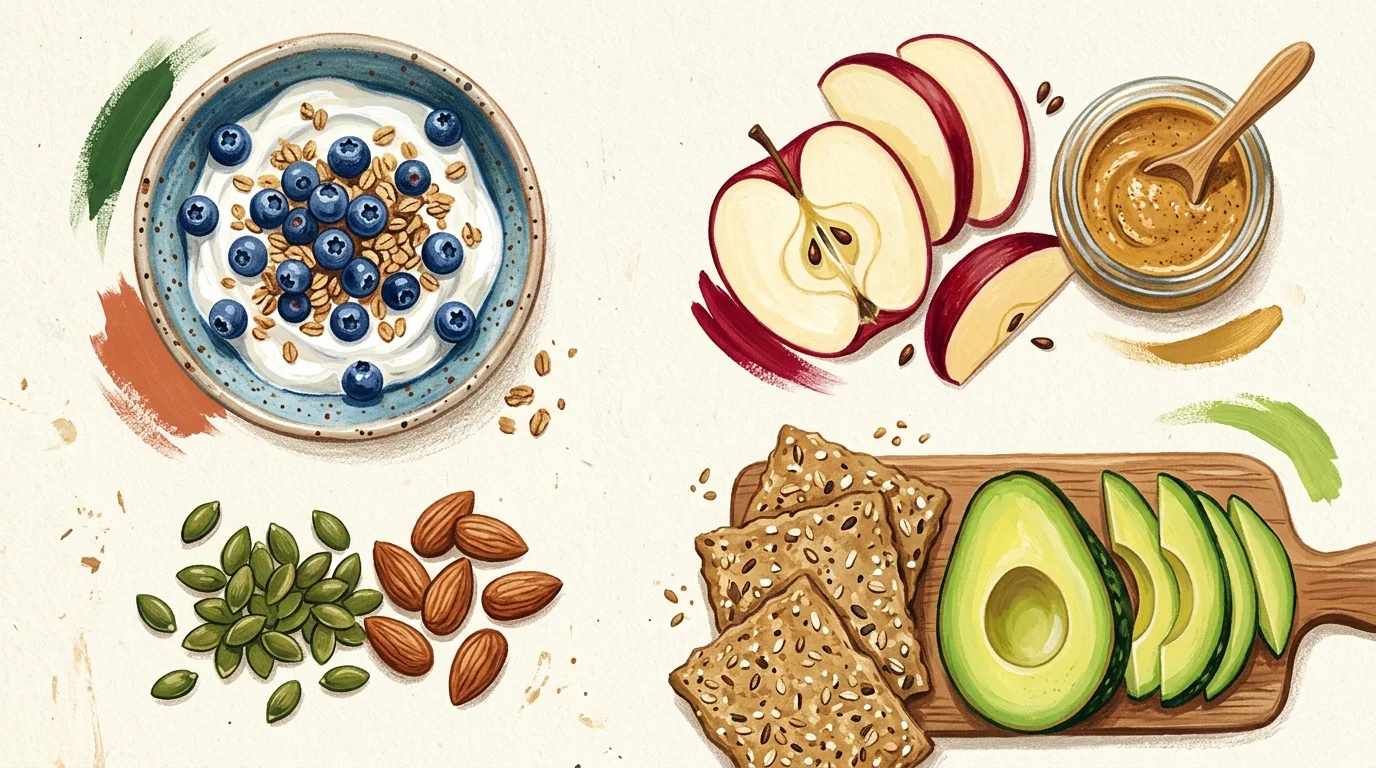
To assist you in making informed, delicious choices, registered dietitians repeatedly point to nine outstanding whole-food options. Each snack provides a tailored balance of protein, healthy fats, and dietary fiber specifically chosen to optimize energy, digestion, and total vitality for older adults.
1. Plain Greek Yogurt with Fresh Berries and Chia Seeds
Plain Greek yogurt serves as a nutritional powerhouse, packing fifteen to twenty grams of protein per cup alongside calcium and active probiotics. These beneficial bacteria cultivate a robust gut microbiome, improving nutrient absorption and immune defense. Pairing Greek yogurt with antioxidant-rich blueberries provides natural sweetness without blood sugar spikes. Chia seeds add soluble fiber and omega-3 fatty acids, creating a satisfying texture that is soft on dental work and exceptionally nourishing.
2. Crisp Apple Slices with Natural Almond Butter
Apples provide a stellar source of pectin, a powerful soluble fiber that slows digestion and supports healthy cholesterol levels. Leaving the skin intact maximizes fiber while supplying beneficial quercetin. When you spread smooth, single-ingredient almond butter over crisp apple slices, you add monounsaturated fats, vitamin E, and plant protein. This quick pair creates balanced, long-lasting afternoon energy without complex prep work.
3. Creamy Hummus with Colorful Crunchy Vegetables
Made from blended chickpeas, tahini, olive oil, and lemon juice, hummus offers a Mediterranean staple rich in plant protein and dietary fiber. Pair creamy hummus with vibrant bell peppers, cucumber rounds, or baby carrots. Bell peppers deliver vitamin C to support collagen synthesis and joint mobility. For sensitive teeth, blanched or lightly steamed vegetables offer a soft, nutrient-packed alternative that retains vibrant flavor.
4. High-Protein Cottage Cheese with Roasted Tomatoes or Pineapple
Cottage cheese provides a versatile option for older adults seeking lean protein. A half-cup serving supplies roughly fourteen grams of slow-digesting casein protein, ideal for preserving muscle mass between meals. Top your cottage cheese with warm roasted cherry tomatoes and olive oil for heart-healthy lycopene. Alternatively, pair it with fresh pineapple chunks containing bromelain, an enzyme that aids protein digestion.
5. Unsalted Roasted Mixed Nuts and Seeds
A compact handful of mixed walnuts, almonds, pumpkin seeds, and pecans delivers essential minerals including magnesium, zinc, and selenium. Walnuts stand out as a rich plant source of alpha-linolenic acid, an essential omega-3 fatty acid that reduces systemic inflammation and supports cognitive function. Stick to a one-ounce portion—about one small handful—to manage calorie intake while boosting cardiovascular health.
6. Hard-Boiled Eggs with Creamy Sliced Avocado
Hard-boiled eggs represent nature’s complete protein package, containing all nine essential amino acids necessary for muscle repair. Egg yolks are uniquely rich in choline for cognitive health, along with lutein and zeaxanthin for vision protection. Pairing a hard-boiled egg with a quarter of a ripe avocado supplies healthy fats that enhance fat-soluble vitamin absorption without added sodium.
7. Steamed Edamame in the Pod with a Touch of Sea Salt
Edamame, or young green soybeans, offer a complete plant protein that delivers eight grams of protein and four grams of fiber per half-cup serving. Steaming edamame in their pods creates an engaging eating experience that encourages mindful, slower eating. Rich in potassium, folate, and isoflavones, edamame supports vascular elasticity. A light sprinkling of sea salt makes it delicious and filling.
8. Whole Grain Seeded Toast with Mashed Avocado and Hemp Hearts
A single slice of whole grain or sprouted bread delivers complex carbohydrates, B vitamins, and trace minerals for energy production. Smothering toast with mashed ripe avocado provides soft, heart-healthy fats that ease digestion. Sprinkle a tablespoon of hemp hearts on top to instantly boost protein content while adding a nutty flavor and ideal balance of essential fatty acids.
9. Wild Canned Salmon or Sardines on Whole Grain Crackers
Canned fatty fish like wild salmon and sardines represent extremely nutrient-dense choices. Sardines eaten with soft bones offer bioavailable calcium and vitamin D, essential for preserving bone density. Both options supply concentrated doses of EPA and DHA omega-3 fatty acids proven to protect cardiovascular and brain tissue. Serving two ounces of canned fish over whole grain crackers provides a crunchy, nourishing snack.
Practical Steps for Building Healthy Snacking Habits
Transforming your daily routine using actionable healthy snacking tips requires simple, practical shifts that align with your lifestyle. Start by organizing your kitchen environment to make healthy choices effortless. Keep fresh fruits like apples and oranges visible on your counter, while stashing washed, pre-cut vegetables and pre-portioned hummus at eye level in your refrigerator. When healthy foods are immediately visible, you naturally choose them when hunger strikes.
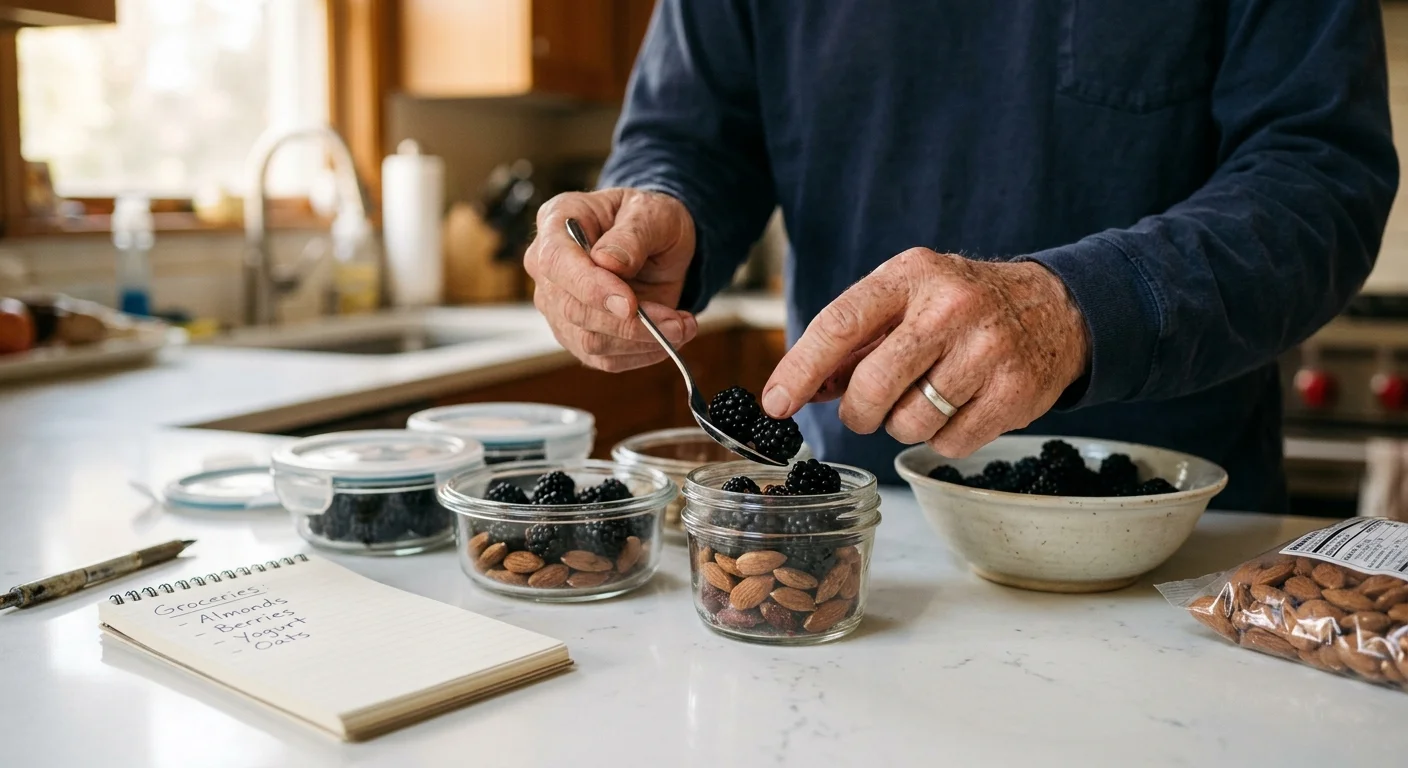
Portion control represents another essential practical step. Eating directly out of large chip bags or nut containers obscures how much you consume, making overeating easy. Practice transferring single servings into small bowls before sitting down to eat. Enjoy your snack away from television screens or smartphones; mindful eating allows your brain to register fullness cues, deepening satisfaction and improving digestion.
Preparing key ingredients ahead of time drastically reduces reliance on processed convenience items. Consider boiling eggs at the start of each week, chopping fresh vegetables, or prepping small containers of mixed nuts. Having these items ready eliminates decision fatigue during low-energy hours. Additionally, pair every snack with a full glass of water or herbal tea; staying hydrated enhances digestion and prevents confusing thirst for hunger.
Frequently Asked Questions About Healthy Snacking
How many snacks should I eat each day?
Most older adults benefit from consuming one to two balanced snacks daily, depending on activity levels and meal sizes. If you experience a declining appetite or unintended weight loss, adding three smaller snacks daily helps maintain caloric and protein goals. If you remain less active and eat three hearty meals, one light snack typically suffices. Listen to physical hunger cues rather than eating from routine.
What is the best time of day to have a snack?
The ideal times for snacking fall midway between primary meals—typically mid-morning around ten o’clock or mid-afternoon around three o’clock. An afternoon snack bridges the long gap between lunch and dinner, preventing blood sugar slumps that trigger late-day fatigue. If you need a snack before bed, choose a soft protein option like cottage cheese or Greek yogurt to support muscle recovery.
Are pre-packaged protein bars a healthy choice for seniors?
While commercial protein bars offer convenience, many contain high amounts of added sugars, artificial sweeteners, and refined oils. Sugar alcohols can trigger bloating or gas in sensitive digestive systems. If you choose protein bars, select items with recognizable whole food ingredients containing at least 8 grams of protein, under 5 grams of sugar, and 3 grams of fiber.
How can I snack healthy if I have trouble chewing hard foods?
Having dental work, sensitive teeth, or dentures does not mean sacrificing nutrition. Focus on soft whole foods like plain Greek yogurt, cottage cheese, ripe avocados, hummus, smooth almond butter on soft bread, or steamed edamame. You can also blend spinach, protein powder, and berries into nutritious smoothies that require no chewing.
Will snacking between meals cause unwanted weight gain?
Snacking causes weight gain only when it creates a consistent calorie surplus or consists of refined, ultra-processed foods. Choosing dietitian-recommended snacks that pair high fiber with clean protein actually aids weight management. These nutrient-dense choices keep your metabolic rate active, prevent intense hunger, and stabilize blood sugar, making it easier to maintain a healthy body weight over time.
Empowering Your Daily Nutrition Through Smart Choices
Adopting a strategic approach to snacking offers a simple, highly effective way to enhance your long-term vitality, muscle strength, and metabolic health. Shifting from mindless grazing to purposeful micro-meals nourishes your body with essential proteins, healthy fats, and dietary fiber designed to keep you feeling energetic. Whether you choose Greek yogurt, crisp apples with almond butter, or canned salmon on whole grain crackers, every healthy choice supports optimal wellness. Choose two snacks from this guide to add to your grocery list this week, and experience the lasting benefits of balanced nourishment.
This article is intended for informational and educational purposes only and is not a substitute for professional medical advice, diagnosis, or treatment. Always consult with a qualified healthcare provider regarding any health concerns or before making any decisions related to your health or treatment.