Navigating Medicare changes can directly impact your health coverage, monthly budget, and peace of mind as you plan for the future. The 2027 Medicare policy updates introduce significant transformations, including price reductions on critical prescription drugs and streamlined rules for consulting with licensed insurance agents. Understanding these adjustments helps you protect your finances while securing the exact healthcare services you require. From shifting Part B premiums to altered Medicare Advantage payment rates, staying informed empowers you to make proactive choices for your personal care strategy. Here is your comprehensive guide to understanding every vital Medicare change taking effect in 2027 and maximizing your earned benefits.
Understanding the Basics of the 2027 Medicare Updates
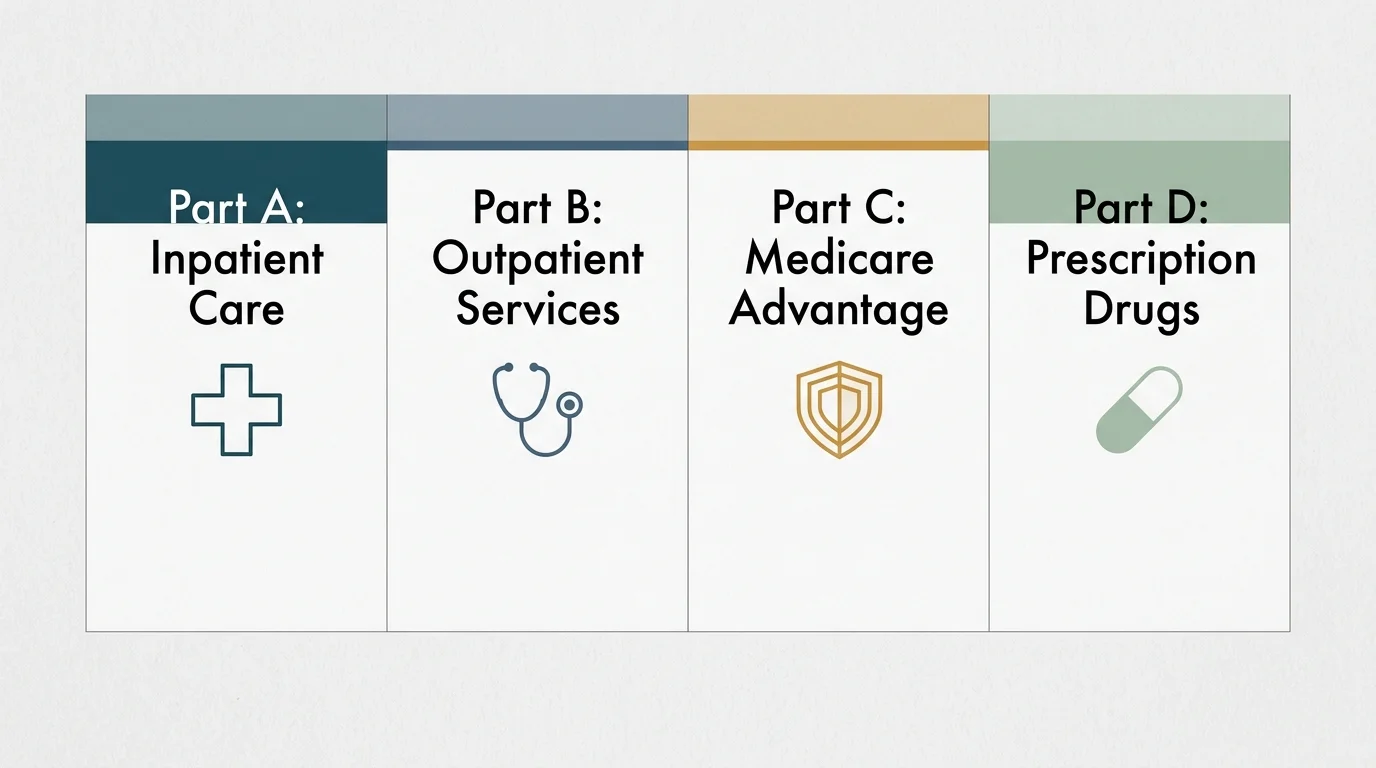
To make informed choices regarding your health and financial well-being, you must understand how Medicare operates and how 2027 adjustments alter its framework. Medicare consists of four primary components. Part A handles inpatient hospital stays, skilled nursing care, and hospice care. Part B covers outpatient care, doctor visits, preventive services, and durable medical equipment. Part C, or Medicare Advantage, offers a private insurance option bundling Parts A and B, typically incorporating prescription drug coverage. Part D provides standalone drug coverage for individuals enrolled in Original Medicare. Each year, federal updates adjust these program pillars, establishing new premiums, deductibles, and covered benefits.
Negotiated Drug Prices under the Inflation Reduction Act
The centerpiece of the 2027 updates is the expansion of federal drug price negotiations under the Inflation Reduction Act. Effective January 1, 2027, official Maximum Fair Prices take effect for fifteen high-cost Part D medications. Federal authorities negotiated these lower rates directly with manufacturers to reduce financial pressures on seniors. This list includes widely used GLP-1 medications prescribed for diabetes and chronic weight management, such as Ozempic, Rybelsus, and Wegovy. It also encompasses respiratory treatments like Breo Ellipta and advanced oncology medications such as Ibrance and Calquence.
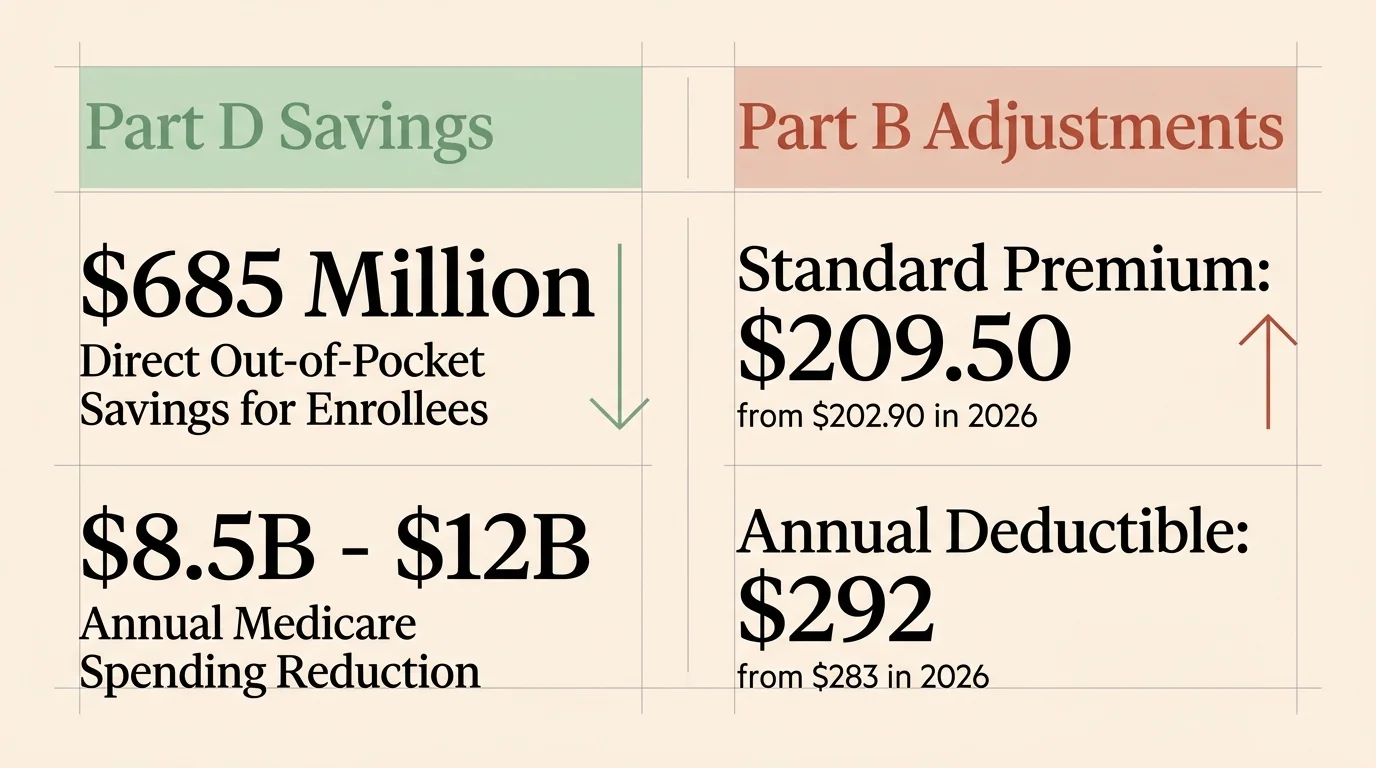
Projections from the Centers for Medicare & Medicaid Services indicate that these price caps will deliver substantial savings. In 2027 alone, enrollees will save approximately $685 million in direct out-of-pocket costs. Furthermore, these negotiated prices will reduce broader Medicare spending by $8.5 billion to $12 billion annually. If you rely on these brand-name treatments, these updates will lower your pharmacy expenses significantly.
Part B Premium and Deductible Projections
While drug policy brings welcome relief, standard outpatient care costs will experience modest upward adjustments. According to the Social Security and Medicare Trustees Report, the standard monthly premium for Medicare Part B will rise by 3.5 percent to $209.50 per month in 2027; this represents a $6.60 increase from $202.90 in 2026. The annual Part B deductible will also increase to $292 in 2027, representing a $9.00 change from $283 in 2026. Additionally, the standard Part D base beneficiary premium is projected to reach $41.33 monthly. Reviewing these figures through portals like Medicare ensures you can adjust your household budget accurately.

Key Considerations for Seniors and Caregivers
As an older adult or family caregiver, evaluating how Medicare updates impact your daily choices is vital. The 2027 updates introduce operational and structural shifts that influence how you interact with licensed plan agents and how stand-alone prescription plans set monthly rates.
The Sunset of the Part D Premium Stabilization Demonstration
A major development for beneficiaries with stand-alone Part D plans is the conclusion of the Part D Premium Stabilization Demonstration program. Federal officials originally introduced this temporary demonstration to cushion monthly premium increases after federal legislation overhauled out-of-pocket drug caps. However, federal authorities announced that this stabilization program will end for 2027. Consequently, beneficiaries in stand-alone Part D plans will likely see increases in their monthly drug plan premiums starting in 2027. While copayments for specific medications may fall due to price negotiations, baseline monthly plan fees may increase; this reality makes annual coverage comparisons crucial.
Streamlined Consultation and Enrollment Rules
To make seeking guidance simpler, federal regulators revised rules governing consultations with insurance agents under Contract Year 2027 regulations. Previously, federal policy mandated a strict 48-hour wait period after completing a Scope of Appointment form before an agent could discuss specific plans. The 2027 rule eliminates this mandatory 48-hour wait period entirely, allowing you to complete a Scope of Appointment form and hold a consultation on the same day. This change removes delays when you need immediate help evaluating coverage options.
Furthermore, regulators removed the mandatory 12-hour waiting gap between educational events and sales presentations. In past years, if you attended a community educational seminar, an agent could not discuss specific plans or enroll you until half a day passed. Eliminating this gap allows you to attend an educational event and immediately receive individual enrollment assistance if you choose to take action right away.
Medicare Advantage Payment Rate Adjustments
For those enrolled in Medicare Advantage, federal administrative decisions shape overall plan structures. For calendar year 2027, federal policy finalized a net average payment rate increase of 2.48 percent for Medicare Advantage organizations—delivering over $13 billion in additional funding. This updated rate structure includes adjustments to Part D risk models to reflect new out-of-pocket spending caps. While private insurers receive higher baseline reimbursements, individual carriers may adjust supplemental benefits, such as dental, vision, or transportation allowances, to align with updated federal structures.
Benefits and Potential Risks of the 2027 Policy Shift
Every federal Medicare update presents a combination of advantages and potential risks. Examining both sides of the 2027 updates empowers you to capture valuable savings while protecting yourself against unforeseen out-of-pocket costs.
Evaluating the Financial and Clinical Advantages
The primary benefit of the 2027 updates involves significant out-of-pocket cost reductions for high-value therapies. If you manage chronic conditions like diabetes, heart disease, respiratory illness, or cancer, federal price caps protect your retirement savings. Obtaining GLP-1 medications like Ozempic, Rybelsus, or Wegovy under Maximum Fair Prices ensures you face predictable copayments rather than prohibitive coinsurance fees. Lower medication costs encourage consistent daily treatment, preventing severe medical complications and avoidable hospital visits.
Another major advantage is the elimination of administrative waiting periods during plan enrollment. Removing mandatory delays between educational events and enrollment consultations allows you to resolve coverage questions in a single session. Whether you consult an agent at a community center or over the phone, you can adjust your coverage efficiently without waiting days for follow-up appointments.
Potential Downside Risks and Expense Traps
Despite these improvements, you must remain mindful of potential expense increases. The termination of the Part D Premium Stabilization Demonstration creates financial risk for seniors in stand-alone drug plans. If you automatically renew your existing stand-alone drug plan without reviewing updated terms, you may face noticeable monthly premium increases. Over a full year, higher monthly plan fees could reduce financial savings gained from lower drug prices.
Additionally, while Part B premium increases remain moderate at 3.5 percent, fixed-income seniors must manage the cumulative impact of higher Part B premiums ($209.50 monthly) and a higher deductible ($292 annually). Furthermore, because Medicare Advantage plans are updating risk models around the net 2.48 percent rate adjustment, private carriers may increase specialist copays or modify provider networks. Checking annual notices ensures your trusted doctors remain in-network.

What Healthcare Experts and Policy Leaders Say
Leading healthcare analysts and policy experts emphasize that Medicare updates must maintain a balance between fiscal responsibility and patient access. Research published by the National Institutes of Health indicates that high prescription drug costs remain a primary reason older adults skip necessary medications. When financial constraints prevent beneficiaries from adhering to prescribed therapies, chronic conditions worsen, leading to emergency department visits and higher total healthcare spending.
Clinical experts at leading institutions like the Mayo Clinic note that lower medication costs directly improve long-term patient health. Capping prices on therapies for diabetes, asthma, and cancer enables seniors to follow prescribed treatment routines consistently. Medical professionals view these price negotiations as a critical public health strategy to promote long-term wellness among older demographics.
Additionally, guidelines from the Centers for Disease Control and Prevention emphasize the importance of utilizing fully covered preventive care services. Policy leaders note that even as Part B premiums rise to $209.50 per month, key preventive services—including annual wellness exams, mammograms, and cardiovascular screenings—remain available with zero copayments. Experts encourage all enrollees to take advantage of these covered services to detect health concerns early.

Practical Steps to Manage Your Medicare Coverage in 2027
Taking a proactive approach to your Medicare coverage helps you maximize your benefits while avoiding unexpected expenses. Following structured steps ensures you stay in control of your health decisions and personal finances throughout the year.
Review Your Annual Notice of Change Documents Promptly
Every autumn, your Medicare Advantage or Part D plan provider sends an Annual Notice of Change document detailing updates for the coming year. Read this document carefully to identify changes to monthly premiums, deductibles, copayments, and drug formularies. Pay close attention to stand-alone Part D plan pricing to determine if premium increases affect your monthly budget. Reviewing these changes early gives you time to explore alternate plans if necessary.
Audit Your Medication List Against Updated Formularies
With federal Maximum Fair Prices taking effect for fifteen major Part D drugs in 2027—including Ozempic, Rybelsus, Wegovy, Breo Ellipta, Ibrance, and Calquence—audit your current prescriptions. List your medications, dosages, and monthly costs; then compare them against updated plan formularies. Verify tier placements and coverage rules, such as prior authorization requirements, to confirm you secure maximum savings at your preferred pharmacy.
Leverage Same-Day Consultation Opportunities
Utilize updated consultation rules that eliminate the mandatory 48-hour waiting period for Scope of Appointment forms. If you have questions about how Medicare Advantage payment rate changes affect your supplemental benefits, schedule an appointment with a licensed broker or counselor. You can now complete the required form and receive detailed plan comparisons on the same day, making decision-making convenient and efficient.
Calculate Your Total Annual Healthcare Spending
Evaluate plans based on total annual costs rather than monthly premiums alone. Combine your projected Part B premiums ($209.50 per month), drug plan premiums, deductibles ($292 for Part B), and expected copayments for doctor visits and prescriptions. Deduct anticipated savings from negotiated drug prices to determine your net expected out-of-pocket costs. Calculating total expenses helps you select the plan that offers the best financial protection.
Frequently Asked Questions About Medicare 2027 Changes
How will the 2027 drug price negotiations lower my out-of-pocket costs?
Under the Inflation Reduction Act, negotiated Maximum Fair Prices take effect on January 1, 2027, for fifteen widely used Part D medications, including Ozempic, Rybelsus, Wegovy, Breo Ellipta, Ibrance, and Calquence. These negotiated price caps lower copayments and coinsurance charges at the pharmacy counter, contributing to an estimated $685 million in total out-of-pocket savings for Medicare enrollees in 2027.
Why are stand-alone Part D premiums expected to increase in 2027?
Stand-alone Part D premiums are expected to rise because federal regulators are ending the temporary Part D Premium Stabilization Demonstration program for 2027. This demonstration previously capped monthly premium increases while drug coverage rules were redesigned. Without this stabilization program, insurers offering stand-alone drug coverage will adjust monthly premiums to reflect program costs, bringing the projected base premium to $41.33 monthly.
What changes were made to the Medicare consultation process for 2027?
The Contract Year 2027 final rule eliminated the mandatory 48-hour wait period following a Scope of Appointment form submission, enabling same-day plan consultations with insurance agents. Additionally, regulators removed the mandatory 12-hour waiting gap between educational events and sales presentations, allowing beneficiaries to receive enrollment assistance immediately after attending informational seminars.
How much will Medicare Part B cost per month in 2027?
Social Security and Medicare Trustees projections indicate that the standard Medicare Part B monthly premium will increase by 3.5 percent to $209.50 in 2027, representing a $6.60 monthly increase from 2026. The annual Part B deductible is also projected to increase by $9.00, rising from $283 in 2026 to $292 in 2027.
Will my Medicare Advantage plan change its supplemental benefits in 2027?
While federal policy finalized a net average payment rate increase of 2.48 percent for Medicare Advantage plans—delivering over $13 billion in additional funding—individual plans may rebalance their specific benefits. Insurers adjust supplemental benefits like dental, vision, and wellness allowances based on local care costs and updated risk models. Check your Annual Notice of Change document to review specific plan updates.
Navigating Your Medicare Journey Ahead
The 2027 Medicare updates introduce meaningful improvements, offering substantial financial relief on high-cost prescription drugs while simplifying consultations with licensed insurance professionals. Lower negotiated prices on fifteen major medications protect your health and budget, while same-day consultation rules eliminate administrative friction when seeking coverage advice. At the same time, moderate increases in Part B premiums, an elevated deductible, and expected premium shifts for stand-alone Part D plans require careful annual attention.
By reviewing your Annual Notice of Change, auditing your prescriptions against updated formularies, and consulting with certified specialists, you can navigate these updates with confidence. Staying informed empowers you to select coverage that fits your lifestyle, protecting your financial security and supporting your long-term health throughout 2027 and beyond.
This article is intended for informational and educational purposes only and is not a substitute for professional medical advice, diagnosis, or treatment. Always consult with a qualified healthcare provider regarding any health concerns or before making any decisions related to your health or treatment.